24 Small Tattoo Ideas That Won’t Look Like Blurry Regrets in 5 Years
Table of Contents
- The Psychology of Placement: Where Small Tattoos Actually Belong
- Behind-the-Ear Constellation
- Inner Wrist Micro Script
- Ankle Bone Symbol
- Collarbone Accent Mark
- Finger Side Glyph
- Ribcage Minimalist Line
- Nape of Neck Dot Work
- Hip Bone Geometric Shape
- Tiny Tattoos That Scale With Life Changes
- Expandable Vine Starting Point
- Single Element From a Larger Set
- Modular Geometric Base
- Coordinated Pair Across Joints
- Timeline Marker Dot
- Connecting Bracket Symbol
- Foundation Mandala Center
- Stackable Wave Pattern
- Small Ink That Reads From a Distance
- Bold Single-Line Silhouette
- High-Contrast Micro Icon
- Negative Space Letter
- Solid Black Minimalist Shape
- Thick-Lined Tiny Portrait
- Single-Weight Symbol
- Filled Geometric Form
- Simplified Recognizable Object
TL;DR – The stuff that actually matters:
Placement is everything. Most small tattoos fail because they’re in spots where skin stretches or sheds too fast.
Bold and simple ages better than delicate and detailed. I know the fine-line aesthetic is trendy right now. It also blurs into mush within a few years.
You can start small and expand later, but only if you plan for it. Don’t box yourself into a corner with your first piece.
Finger tattoos fade fast. Like, really fast. Touch-ups every 2-3 years if you want them to stay crisp. Just know that going in.
Different body parts age differently. Behind your ear? Stable for decades. Your fingers? Constantly shedding skin like a snake in summer.
Size doesn’t determine visibility at all. Contrast, line weight, and negative space do the heavy lifting.
Small doesn’t mean simple. Tiny tattoos actually require more technical skill than larger pieces, so find an artist who specializes in small work.
The Psychology of Placement: Where Small Tattoos Actually Belong
Can I be honest? Most small tattoos I see are in the wrong spot. Not wrong like “bad taste” wrong. Wrong like “that’s going to blur into nothing by the time you’re 35” wrong.
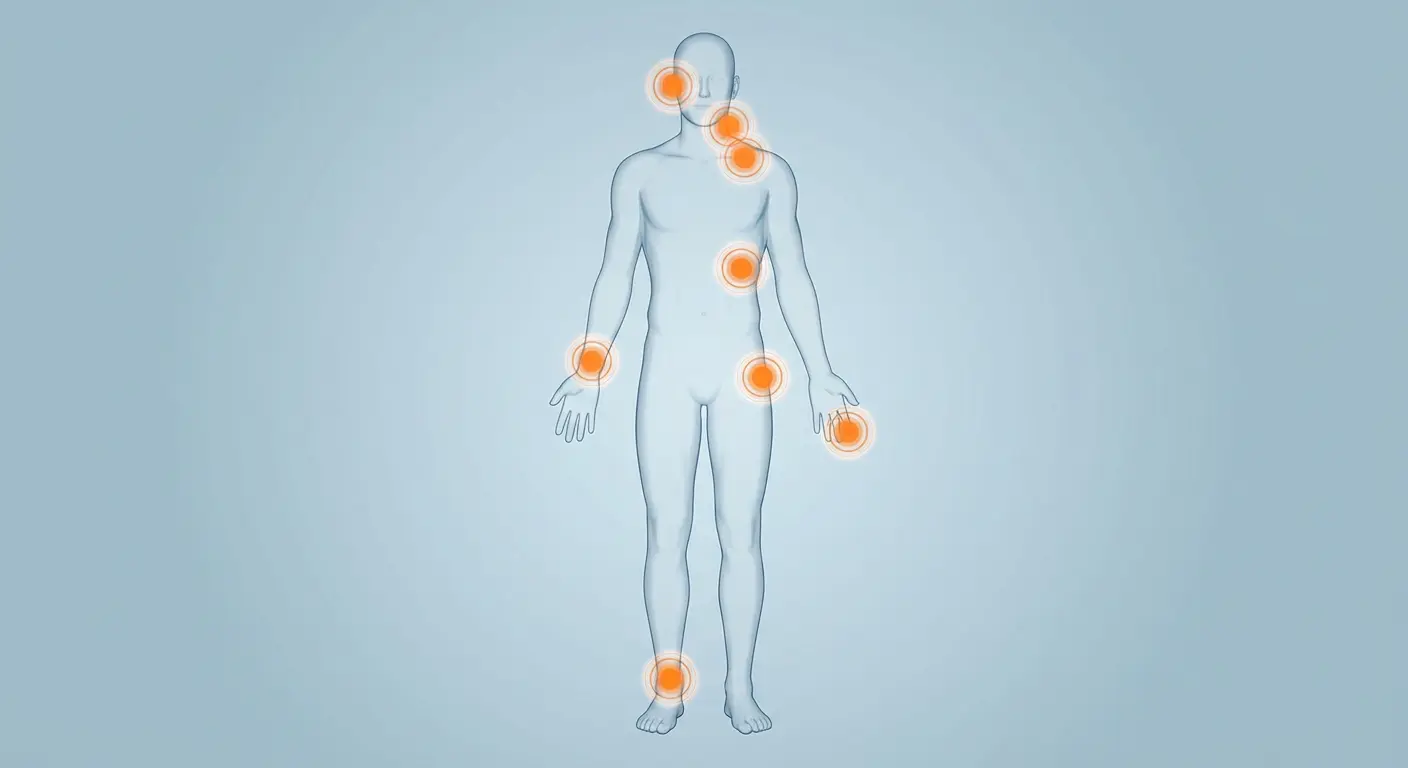
Here’s the thing nobody tells you: your body has natural focal points where the eye already travels, where skin stays taut longer, and where small designs actually enhance your anatomy instead of fighting it. These aren’t random spots that look cool in Instagram photos. We’re talking about real placement strategy that considers aging, movement, and the way fabric naturally frames certain body parts throughout your day.
While overall tattoo interest has declined 19% year-over-year according to trend forecasters at Spate (they track Google Search and TikTok views combined), small tattoo ideas keep thriving as an accessible entry point. A tattoo artist I follow, Mira Mariah, put it perfectly when she told Allure: “Small tattoos come into popularity whenever purse strings get tight. It’s a nice way to have a tattoo experience, which can be very special.” That economic accessibility, combined with smart anatomical placement, makes these best small tattoo ideas particularly appealing for first-timers and people building collections gradually.
The eight placement zones I’m covering work with your body’s natural architecture. You’ll understand why certain spots preserve detail better, how bone proximity affects longevity, and which areas give you the most mileage from minimal ink.
1. Behind-the-Ear Constellation
You know that spot behind your ear where your hair tucks? That’s prime real estate for tiny tattoos, and here’s why: it’s basically flat, it doesn’t stretch when you gain or lose weight, and you control who sees it.
I know someone with a tiny constellation there. Three years old, still looks like it was done yesterday. The spot heals fast because your shirt collar doesn’t rub it raw, and there’s actual bone underneath providing a stable surface. That mastoid bone (the bump you can feel) doesn’t change much across your lifetime.
You’ve got roughly one square inch of space to work with here. Constellation patterns make sense because they follow the ear’s natural curve without requiring perfect symmetry. Plus, there’s this element of surprise when you move your head and catch the light just right. Full-visibility tattoos can’t match that.
The catch? It hurts. You’re tattooing directly on bone. But we’re talking under 20 minutes for most designs, so it’s manageable if you can handle discomfort. One thing nobody mentions: if you wear glasses or earbuds all day, think about how they’ll sit against your new tattoo while it heals. Two weeks of awkward earbud angles gets annoying.
This simple tattoo idea delivers maximum impact in a space most people forget exists.
2. Inner Wrist Micro Script
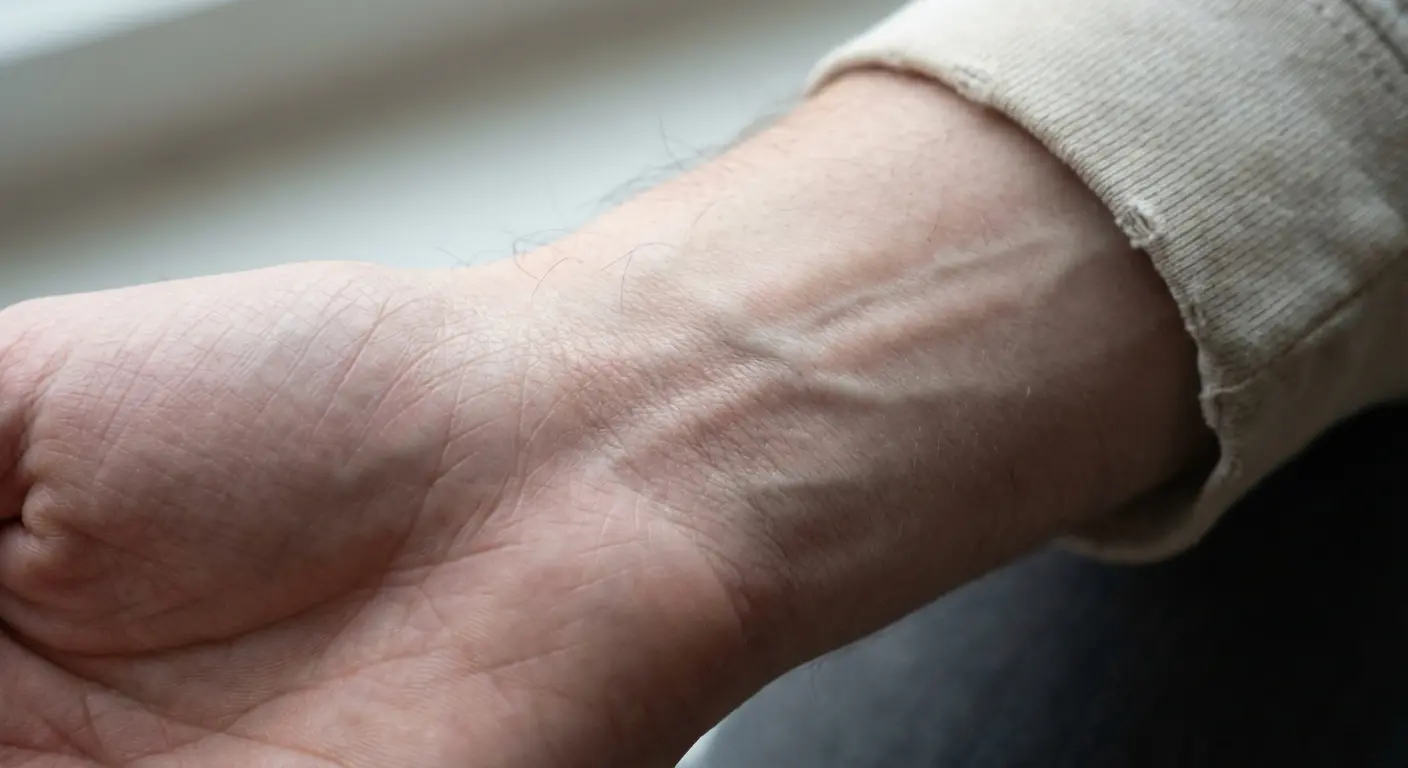
Your inner wrist is one of the most-viewed pieces of real estate on your body. You see it every time you check your phone, type, or gesture while talking. That constant visibility is exactly why placement here matters so much.
The skin stays relatively tight across decades, making it solid for text that needs to remain legible. We’re talking single words, dates, or coordinates in fonts no smaller than 8-point equivalent. Anything tinier will blur into an unreadable smudge within five years, and I’ve seen it happen more times than I can count.
Now, the radial artery runs close to the surface here, which means more pain than you’d expect for such a small piece. It’s not unbearable, but it’s noticeable. Healing requires careful attention since this area bends constantly and touches everything from steering wheels to desk edges.
Here’s what I’ve learned: vertical orientation ages better than horizontal because it follows your arm’s natural lines instead of cutting across them. This simple tattoo idea works best when you embrace the wrist’s natural movement patterns and choose designs that complement your daily hand movements.
3. Ankle Bone Symbol
The outer ankle bone (lateral malleolus if you want to get technical) provides a curved surface that naturally showcases small, circular, or curved designs. This placement works because the bone underneath doesn’t shift with muscle gain or loss. It’s stable.
Ankle tattoos catch attention in specific contexts: beaches, summer, formal events with heels or dress shoes. But they won’t dominate your professional appearance. You’ve got limited space, roughly the size of a half-dollar coin. Symbols that carry personal meaning work better here than detailed imagery because viewing distance rarely allows for intricate appreciation anyway.
The ankle ranks high on pain scales due to thin skin and proximity to bone, but small designs keep session time manageable. Real talk: sock lines and shoe friction affect healing, so timing matters. Plan this for a season when you can wear loose footwear for two weeks minimum. Don’t get an ankle tattoo in January if you live somewhere cold and need to wear boots every day.
This simple tattoo idea transforms a frequently overlooked body area into a subtle statement piece.
4. Collarbone Accent Mark
The clavicle draws the eye across your upper chest naturally. Small tattoo ideas placed just below or above this bone act as punctuation marks for your body’s existing geometry.
This area works exceptionally well for designs that enhance rather than cover. Think delicate line work, small celestial objects, or minimalist botanical elements. The skin here stays relatively stable across weight changes, though significant muscle gain in the chest or shoulders can shift placement slightly. Not dramatically, but slightly.
Necklines on shirts and dresses naturally frame collarbone tattoos, giving you built-in showcasing moments. Pain levels vary dramatically based on your body fat percentage. More cushioning equals less discomfort, which is just physics. The collarbone area heals well since it gets less friction than joints, but sleeping positions matter during the first week. Side sleepers need to plan accordingly.
This simple tattoo idea transforms your natural bone structure into an art gallery. When you move, when light hits it at different angles, when you wear different necklines, it looks different every time.
5. Finger Side Glyph
Look, finger tattoos are controversial in the tattoo world, and for good reason. The skin on your finger sides sheds and regenerates faster than almost anywhere else on your body. Fading and blurring happen quickly, and there’s no way around it.
I’m including this placement because when done right (bold, simple shapes with thick lines), finger tattoos pack impact that defies their tiny footprint. You see your hands constantly, making this placement deeply personal. Matching finger tattoos between partners or friends carry symbolic weight that larger pieces can’t replicate.
Expect significant fading within two to three years and plan for touch-ups. That’s not a maybe, that’s a guarantee. Certain professions still stigmatize visible hand and finger tattoos, so career considerations matter here more than with easily-covered placements. If you work in corporate, finance, law, or healthcare, think twice. Or get it anyway and own it, but know what you’re walking into.
The pain level sits surprisingly low. It’s a quick in-and-out sensation rather than prolonged burning. But the healing process demands careful attention since you use your hands for literally everything. This simple tattoo idea requires commitment to maintenance but offers unmatched visibility.
Quick reality check on different spots:
- Finger sides: Fade the fastest (every 2-3 years you’ll need touch-ups), highest career risk
- Inner wrist: Pretty stable, medium visibility risk, touch-ups every 5-7 years
- Behind ear: You control visibility completely, lasts basically forever
- Collarbone: Medium on everything (visibility, fading, career risk)
- Ankle: Low visibility risk, decent longevity if you’re not wearing tight shoes constantly
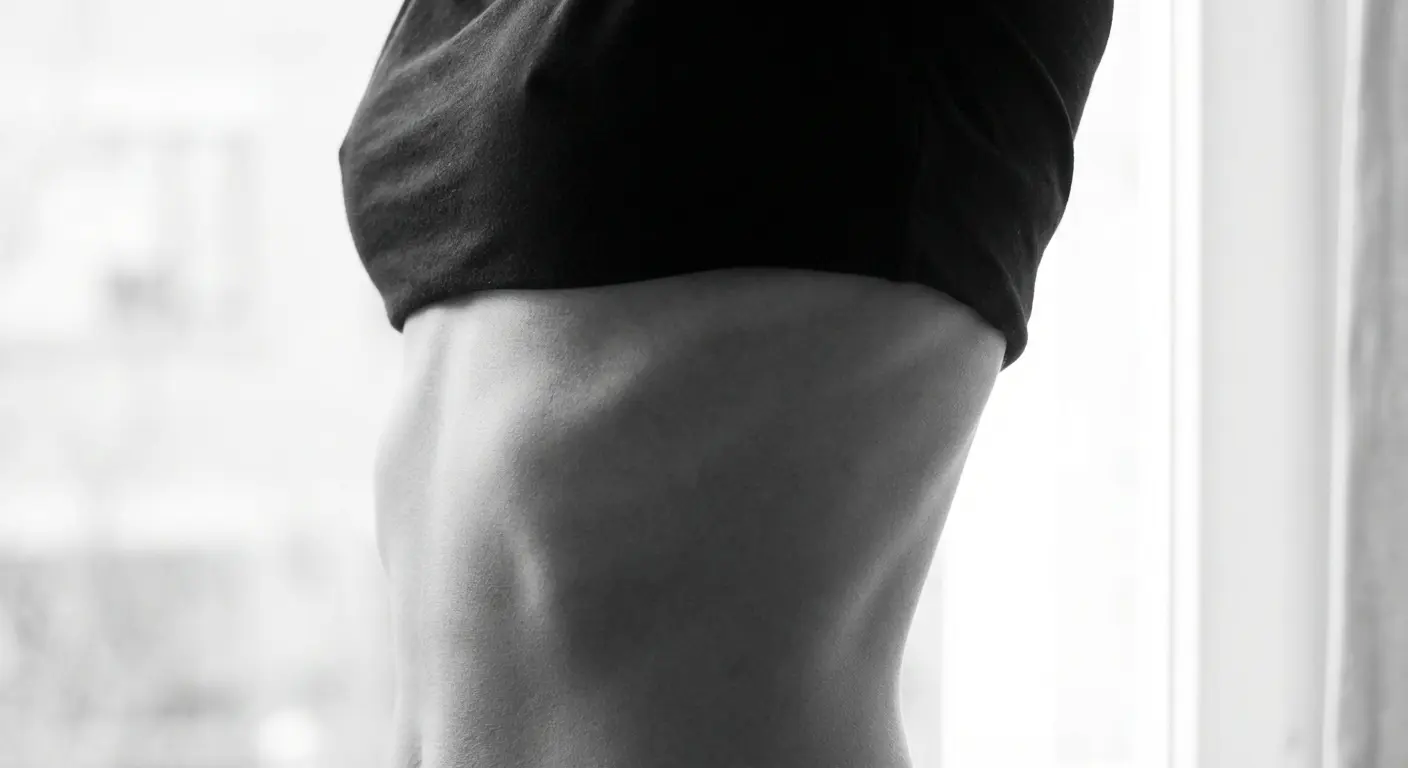
6. Ribcage Minimalist Line
Your ribcage offers a larger canvas than other entries on this list, but I’m focusing on small, strategic line work that follows your ribs’ natural curves.
Single continuous lines, small geometric patterns, or minimal botanical stems work here because they flow with your body’s existing architecture instead of imposing foreign shapes onto it. This placement stays completely private unless you choose to reveal it, giving you total control over visibility. Nobody sees this unless you want them to.
The ribcage ranks among the most painful tattoo locations. Thin skin, proximity to bone, natural breathing movement during the session. It’s brutal. Like, bring-a-stress-ball-and-your-favorite-playlist brutal. But small designs keep suffering time limited.
Women need to consider how breast tissue changes with age, weight fluctuations, and potential pregnancy when choosing exact placement. I’m not trying to be a downer, just realistic. The area heals slowly because clothing friction is constant, and the skin stretches with every breath. Plan for a two to three week healing window with careful attention to bra bands or tight waistbands.
This simple tattoo idea demands commitment but rewards you with complete privacy control.
7. Nape of Neck Dot Work
The nape of your neck (where your hairline meets your spine) is an intimate placement that most people never see. This area works beautifully for small dot work, minimal line designs, or tiny symbols that carry private meaning.
The skin here stays relatively taut across your lifetime, preserving detail better than areas with more fat deposits or muscle movement. Nape tattoos read as sophisticated and intentional rather than impulsive, particularly in professional contexts where visible ink still carries stigma. You control visibility completely with hair length and styling.
Pain levels sit moderate to high. Lots of nerve endings, thin skin, proximity to spine. But small designs mean short sessions, and anything’s bearable for 20 minutes. Healing requires attention to hair products, pillowcases, and shirt collars. The area can develop ingrown hairs or irritation if you’re prone to those issues, so skin sensitivity matters when choosing this placement.
This simple tattoo idea offers maximum discretion with sophisticated appeal. There’s something powerful about having a tattoo that only people you choose get to see.
8. Hip Bone Geometric Shape
Your hip bone (anterior superior iliac spine if we’re being technical) provides a natural anchor point for small geometric designs. This placement works because the bone underneath gives you a stable foundation that doesn’t shift dramatically with weight changes. Significant fluctuations will affect it more than bone-on-bone placements elsewhere, but it’s still pretty stable overall.
Hip tattoos stay private in most contexts but become visible in intimate settings, swimwear, and low-rise clothing. The area allows for designs that can expand upward toward your ribs or downward toward your thigh if you decide to add more ink later. That flexibility matters if you think you might catch the tattoo bug.
Pain levels vary based on your body composition, but expect discomfort since you’re tattooing directly on bone with minimal cushioning. The hip bone area heals relatively well since it avoids the constant friction that joints experience. Waistbands matter during healing, so high-waisted and low-rise clothing choices affect your comfort level for the first two weeks.
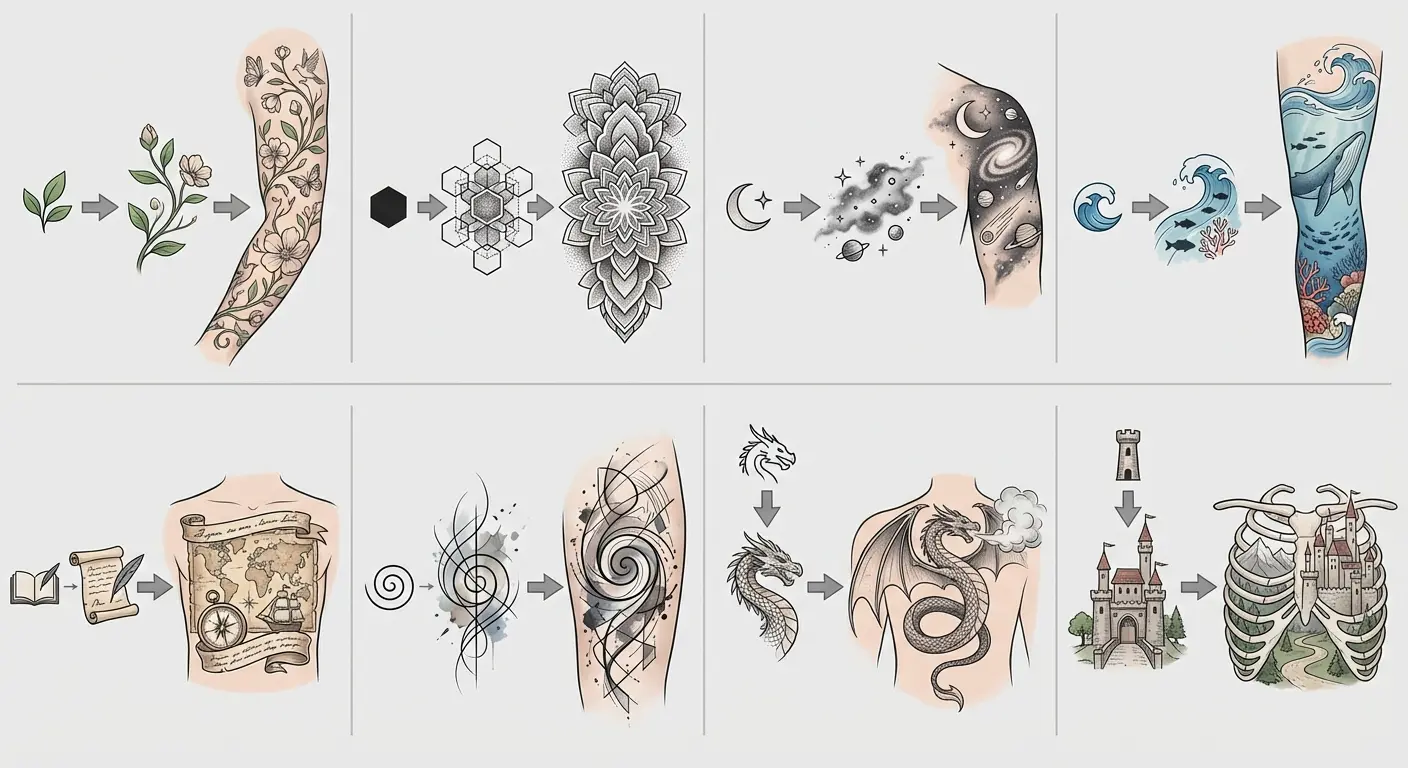
Tiny Tattoos That Scale With Life Changes
Here’s what nobody tells you: committing to a small tattoo doesn’t mean limiting your future options. I used to think you needed to plan your entire tattoo journey before getting your first piece of ink. Turns out, that’s backwards thinking.
These eight small tattoo ideas function perfectly as standalone pieces while leaving clear pathways for expansion if your relationship with tattoos evolves. You’ll discover how to choose starter designs that won’t look incomplete if you never add to them, but won’t box you into awkward compositions if you do.
This matters because most people’s tattoo preferences shift over time. What feels meaningful at 25 might feel different at 35, and strategic planning now prevents expensive cover-up work later. We’re talking about modular thinking, visual breathing room, and designs that respect both your current preferences and your future self’s potential choices.
Tiny tattoos with expansion logic built in give you freedom instead of constraints. That’s the whole point.
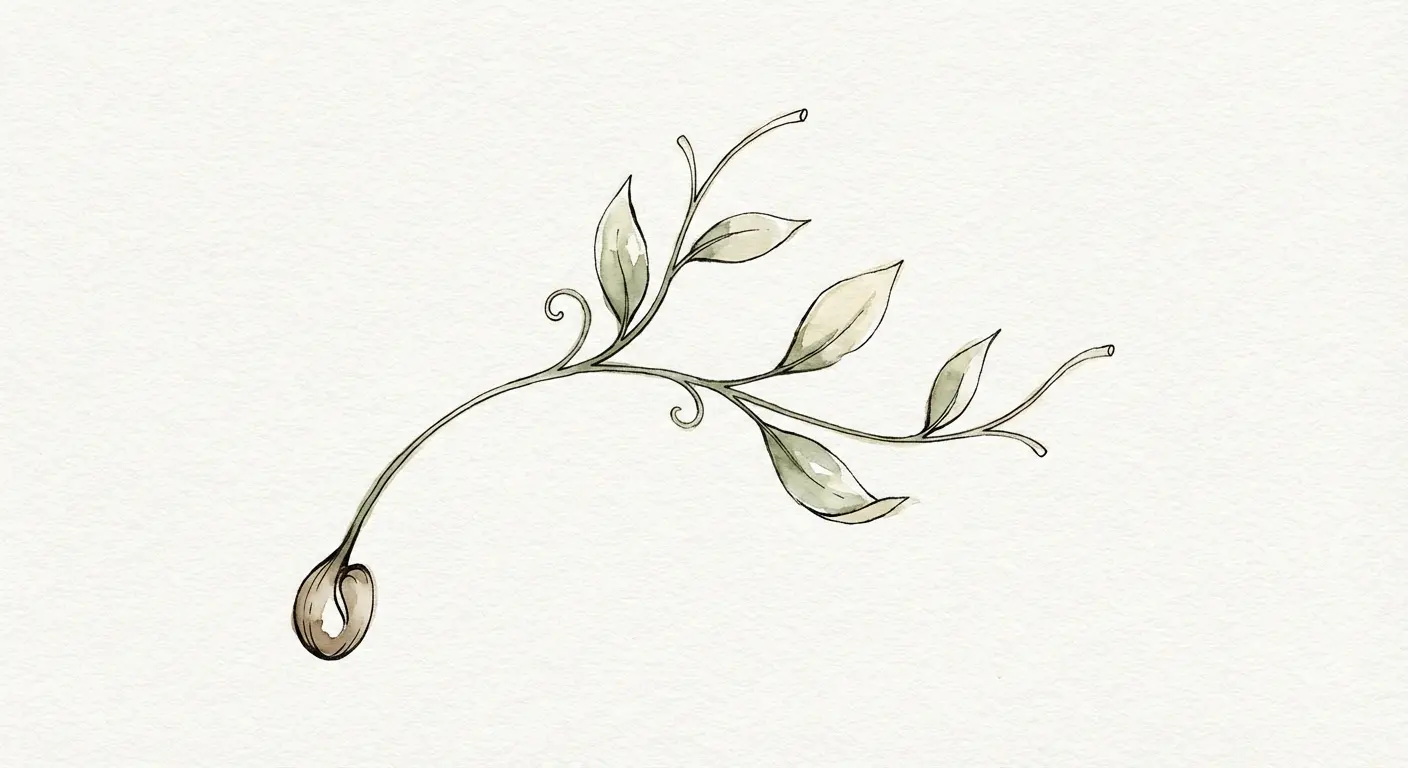
9. Expandable Vine Starting Point
A small vine segment (three to four inches maximum) is one of the most versatile expansion foundations in tattooing. You can place this on your forearm, calf, shoulder, or ribcage and let it exist as a complete, finished piece indefinitely.
If you decide to expand later, vines naturally grow in any direction without requiring complex composition planning. The initial piece should include a clear starting point (
a root system, a small flower, or a defined stem base) that reads as intentional rather than incomplete. That’s the key difference between “minimalist vine” and “unfinished vine.”
Vines follow your body’s natural curves and can incorporate virtually any additional elements. Flowers, insects, birds, geometric shapes, you name it. Nothing looks forced. Your artist can adjust the vine’s thickness, style, and direction to accommodate your evolving taste.
The key is choosing a vine style (realistic botanical, minimalist line work, traditional tattoo style) that you’ll still appreciate as your aesthetic preferences mature. Don’t get a trendy vine style that’ll feel dated in five years.
This approach mirrors a broader trend in achievement-based tattoo building. According to Run to the Finish, runners are increasingly getting small commemorative tattoos after completing races, with many adding elements over time to mark new milestones. Runner Kate Bowers got a tattoo commemorating a 36-hour adventure race with her best friend, and these starter pieces create natural expansion points for future accomplishments without requiring a full design commitment upfront. The same modular thinking applies to vine tattoos, where each addition can represent a new chapter without compromising the original design’s integrity.
This simple tattoo idea grows with you naturally.
10. Single Element From a Larger Set
Starting with one element from a recognizable set gives you built-in expansion logic without requiring immediate commitment. A single tarot card, one phase of the moon, a lone playing card, a solitary chess piece. Your first tattoo functions as a complete, meaningful piece on its own.
If you catch the tattoo bug, you’ve got a clear roadmap for additions that make compositional sense. This approach prevents the “random collection” look that happens when people get unrelated tiny tattoos scattered across their body without spatial planning. I’ve seen so many people end up with a constellation of unrelated tiny tattoos that don’t talk to each other visually. It looks chaotic, not curated.
The single element needs to carry enough visual weight to stand alone, which typically means choosing the most iconic or personally significant piece from the set. Placement matters significantly here because you’re potentially reserving surrounding space for future additions. Forearms, thighs, and upper arms work well since they offer enough real estate for multi-piece compositions without requiring full coverage.
This simple tattoo idea provides flexibility while maintaining immediate visual completeness.
11. Modular Geometric Base
A small geometric shape (a triangle, hexagon, or simple mandala center) gives you a foundation that can remain minimal forever or evolve into a complex geometric pattern over time.
Geometric designs follow mathematical logic rather than organic composition rules. You can add concentric layers, connecting patterns, or symmetrical expansions without needing to “redesign” your original piece. The initial geometric base should sit at a size where adding nothing else still looks intentional, roughly two inches across for most shapes.
Placement on flat surfaces (upper back, chest, thigh) works better than curved areas because geometric precision shows flaws more obviously than organic designs. You’re creating a visual anchor that future additions can orbit around or build upon.
This strategy appeals to people who appreciate order and symmetry but aren’t ready to commit to a large piece immediately. This simple tattoo idea respects mathematical beauty while offering expansion potential.
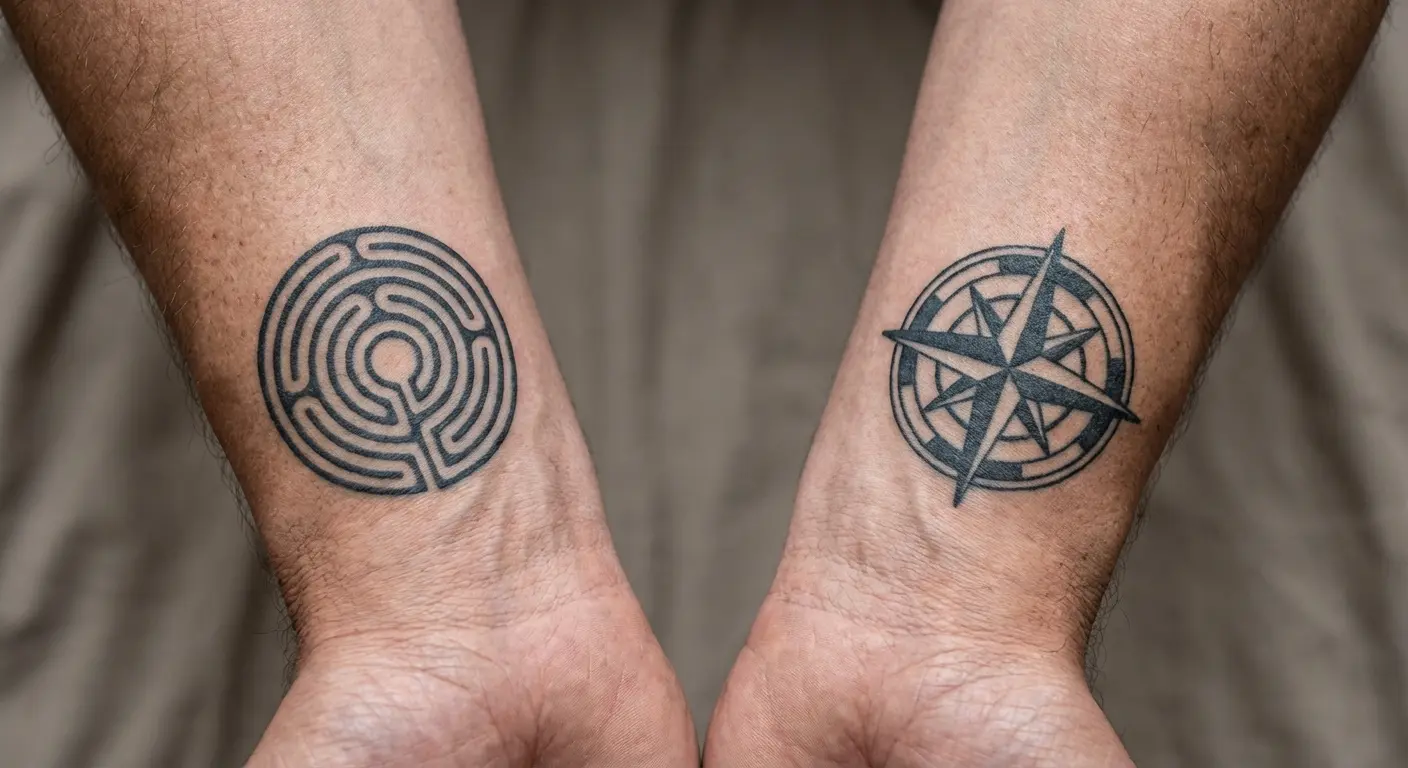
12. Coordinated Pair Across Joints
Two small matching or complementary designs placed on either side of a joint give you a complete composition that can expand independently on each side. Wrists, ankles, behind both ears, both shoulders. This approach gives you built-in symmetry without limiting future additions to matching pairs.
You might expand one side into a half-sleeve while keeping the other minimal, or you might grow both sides at different rates as your budget and pain tolerance allow. The initial pair needs to function as a complete visual statement so you never feel pressured to add more.
Matching doesn’t mean identical, and honestly, I think complementary pairs age better. Sun and moon, lock and key, coordinating geometric patterns. They account for how different body parts move and display tattoos. Your left wrist and right wrist don’t get viewed the same way throughout your day, so why would you want identical tattoos on them?
This strategy works particularly well for people who like balance but don’t want to commit to large-scale symmetrical tattooing.
13. Timeline Marker Dot
A single small dot (or a tiny date, coordinate, or symbol) gives you a temporal anchor that can grow into a timeline of significant life moments.
Your first dot might represent a birth, a loss, a geographic location, or a personal transformation. If you experience additional meaningful moments, you can add corresponding dots in a line, curve, or constellation pattern that maps your life’s journey. This approach removes the pressure to have a “complete” design upfront, which honestly is liberating.
Each addition stands alone while contributing to a larger narrative. The dots can remain abstract (meaningful only to you) or include tiny accompanying elements (micro dates, coordinates, or symbols). Placement along natural body lines (the spine, collarbone, or forearm) works best because you’re potentially building a linear composition over time.
This strategy appeals to people who value personal meaning over visual complexity and want their tattoos to evolve with their life story. There’s something poetic about it.
14. Connecting Bracket Symbol
Small bracket, parenthesis, or frame elements create natural expansion points without looking incomplete as standalone pieces. A single bracket on your wrist, ribcage, or ankle functions as a complete minimalist design while leaving clear space for future text, dates, or imagery.
Brackets inherently suggest content without requiring it. You’re building a frame that can remain empty (a powerful statement about potential or space) or can house additions when you’re ready. The bracket style matters. Delicate line work suits minimalist aesthetics, while bold brackets work better for traditional or neo-traditional expansion plans.
Placement should account for the natural “content area” the bracket creates. A two-inch bracket on your forearm leaves space for a word, date, or small image. This strategy works for people who like the idea of expandable tattoos but want their first piece to look intentional rather than incomplete.
15. Foundation Mandala Center
A small mandala center (the innermost circle or core geometric pattern) gives you a foundation that can remain minimal or expand into an elaborate radial design over months or years. Mandalas follow mathematical expansion rules, meaning additions don’t require compositional redesign.
Each layer you add simply extends the pattern outward from your original center. The initial center needs to function as a complete, balanced design so you never feel obligated to expand. Typical foundation sizes run two to three inches in diameter, which provides enough detail to stand alone while leaving room for multiple expansion sessions if desired.
Placement on flat surfaces (upper back, chest, thigh) showcases mandala symmetry better than curved areas. This simple tattoo idea appeals to people who appreciate meditative, symmetrical designs and want the option to invest in their tattoo gradually rather than committing to a large piece immediately.
16. Stackable Wave Pattern
A single wave (whether realistic ocean wave, sound wave, or abstract wave pattern) gives you a repeatable element that can stack vertically or horizontally for future expansion.
Your first wave functions as a complete design representing flow, change, or a specific personal meaning. If you decide to expand, additional waves build rhythm and movement without requiring complex composition planning. Waves naturally repeat in nature, so multiple waves never look forced or incomplete.
The initial wave should include enough detail (shading, line weight variation, or stylistic elements) to stand alone as a finished piece. Placement along natural body lines (forearm, calf, ribcage) works best because waves follow linear or curved paths.
This strategy works for people who want a design that can grow with their commitment to tattooing without looking like a scattered collection of unrelated pieces.
Small Ink That Reads From a Distance
Size doesn’t determine visibility. You’ve probably seen tiny tattoos that disappear from three feet away and small tattoo ideas that command attention across a room.
The difference comes down to contrast, line weight, negative space, and compositional choices that most people overlook when planning small ink. These eight design approaches maximize visual impact within minimal space. We’re talking about tattoos that photograph well, that strangers notice and compliment, and that maintain their readability as they age.
Bold simplicity often outperforms intricate detail at small scales. I can already hear some of you saying “But I’ve seen gorgeous detailed tiny tattoos on Instagram!” Sure. You’ve seen them fresh, or you’ve seen the 1 out of 50 that actually aged well. Instagram isn’t showing you the blurred reality three years later.
Negative space creates definition that solid fills can’t match, and certain design elements hold up across decades of skin changes. Tiny tattoos that blur into undefined shapes within five years represent wasted money, pain tolerance, and skin real estate.
The visibility challenge becomes even more critical when you consider healing and maintenance requirements. According to tattoo artist Abigail Rawlings of Abigail Louise Tattoos, “If you don’t follow the aftercare guidance, your tattoo could end up looking patchy and faded, and more importantly, lead to an infection which requires antibiotics.” Small tattoo ideas with high-contrast, bold designs prove more forgiving during the healing process because their core visual elements remain intact even if minor fading occurs, while intricate fine-line work can lose definition permanently if healing doesn’t go perfectly.
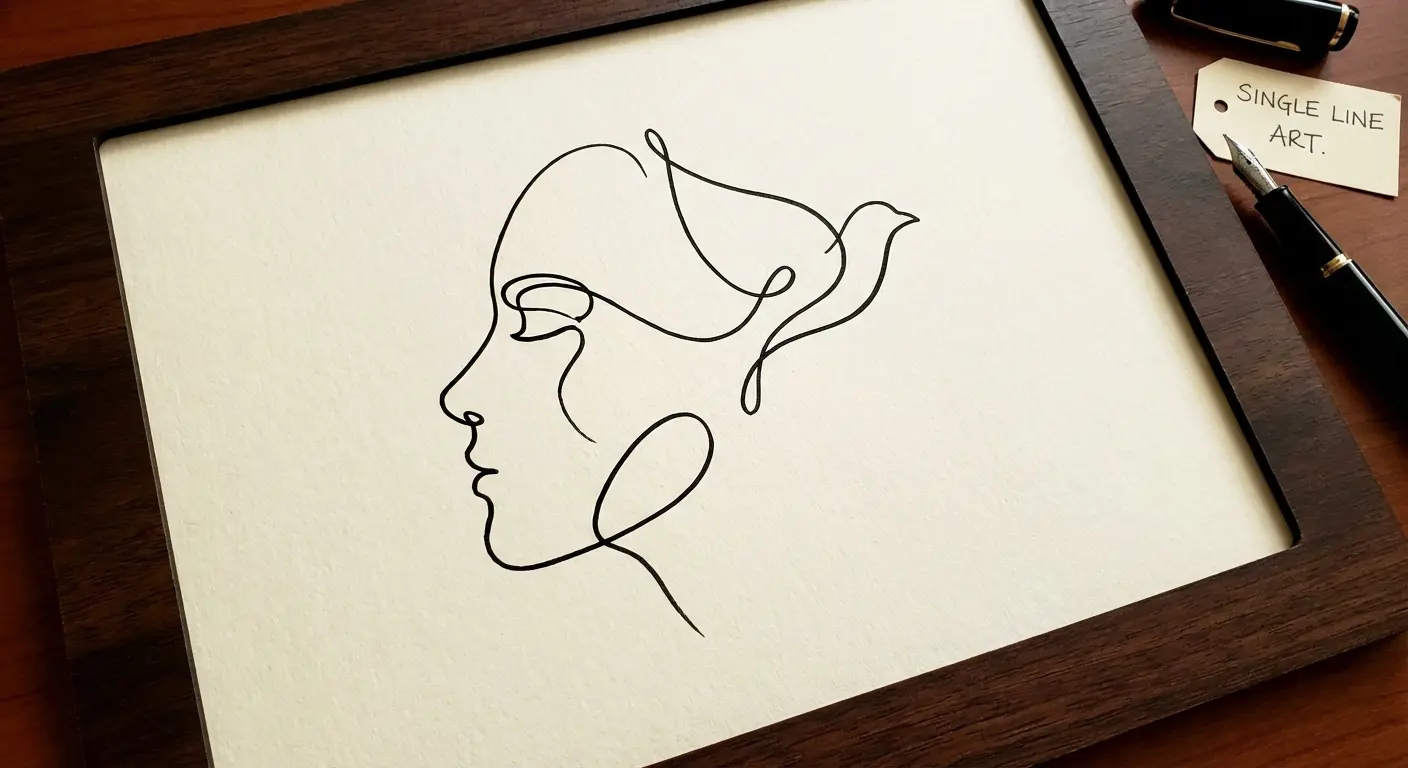
17. Bold Single-Line Silhouette
A single continuous line forming a recognizable shape packs maximum impact with minimal ink. Profile portrait, animal outline, mountain range, or abstract form. The key is line weight.
Too thin and it fades into illegibility within years. Too thick and you lose the elegant simplicity that makes single-line tattoos appealing. We’re talking about lines between 2mm and 4mm thick for designs under three inches.
Single-line work reads from a distance because your eye completes the shape, filling in details that aren’t there. This psychological phenomenon (called closure in Gestalt psychology) means simple outlines often communicate more effectively than heavily detailed renderings at small scales.
The design needs to be immediately recognizable. Abstract single-line work that requires explanation defeats the purpose. Placement on areas with high contrast to your skin tone (inner forearm for lighter skin, outer arm for darker skin tones) maximizes visibility.
This simple tattoo idea harnesses how your brain processes visual information.
18. High-Contrast Micro Icon
Solid black icons with clear, simple shapes pack visual punch that detailed work can’t match at small scales. A filled heart, a solid star, a black circle, a filled triangle. The contrast between your skin and solid black ink makes these designs visible from across a room despite their tiny footprint.
We’re talking about designs under one inch that carry the same visual weight as pieces three times their size. The icon needs to be culturally or personally recognizable without explanation. Universal symbols (hearts, stars, crosses, moons) work well here, as do simplified versions of meaningful objects (a solid guitar silhouette for musicians, a filled book shape for readers).
Avoid icons with internal details or multiple elements. The power comes from bold simplicity. Placement matters less with high-contrast designs because they read clearly on any skin tone and any body part, though areas that see sun exposure will require more touch-ups over time to maintain that crisp black.
This simple tattoo idea maximizes impact through contrast.
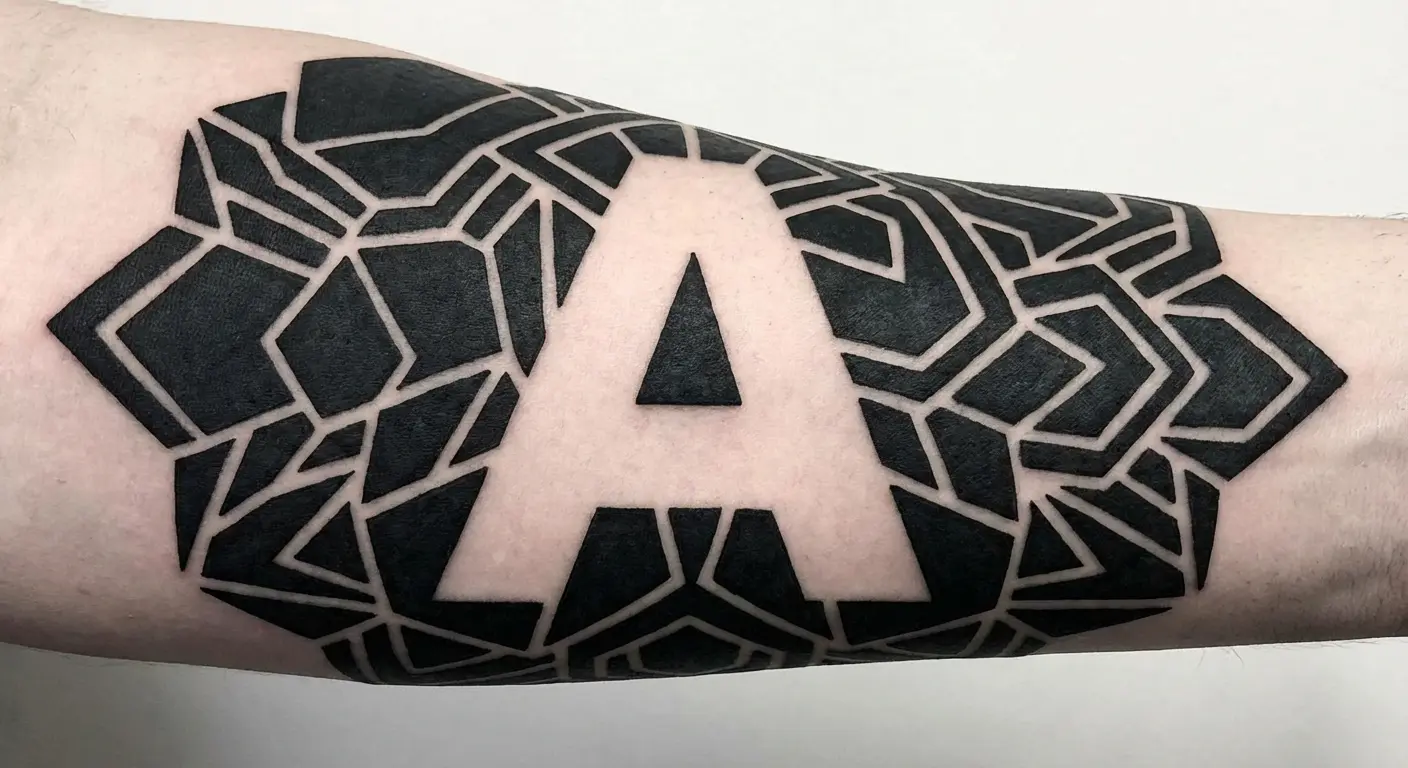
19. Negative Space Letter
A single letter formed by surrounding black ink rather than outlined ink creates visual interest that standard lettering can’t match. Your skin becomes the letter while the tattoo forms the frame.
Negative space naturally draws the eye, creating a figure-ground relationship that makes small designs feel larger than their dimensions. We’re talking about letters between one and two inches tall, formed by geometric shapes, organic patterns, or abstract fills that frame the letter shape.
The letter needs to be bold and simple. Ornate scripts don’t work in negative space at small scales. Sans-serif letters with clean lines (A, E, H, I, M, N, O, T, V, W, X, Y) translate better than letters with complex curves or multiple strokes.
Placement on flat surfaces shows negative space most effectively because curved body parts can distort the letter’s readability from certain angles.
20. Solid Black Minimalist Shape
Simple geometric forms filled with solid black create timeless designs that age better than almost any other small tattoo approach. A filled circle, a solid square, a black diamond, a filled crescent. The lack of internal detail means there’s nothing to blur or fade into mush over time.
You’re working with pure form and negative space (the relationship between the shape and your skin). These designs embrace rather than fight tattooing’s limitations at small scales. A solid black circle might represent completeness, the void, a planet, or a hundred other personal meanings without requiring explanation.
The shape should sit between one and two inches for optimal impact. Smaller and it reads as a birthmark, larger and it loses the minimalist appeal. Placement anywhere on your body works because solid shapes don’t rely on specific viewing angles or lighting conditions to read clearly.
This simple tattoo idea appeals to people who value longevity and timeless aesthetics over trendy detailed work.
21. Thick-Lined Tiny Portrait
Portrait tattoos typically require significant size to capture detail and likeness. I’m flipping that assumption by using thick lines (3mm to 5mm) to create simplified portrait silhouettes under two inches tall.
You’re not trying to capture photorealistic detail. You’re distilling a face down to its most recognizable elements (distinctive hairline, nose shape, or profile angle). This works for iconic figures whose silhouettes are culturally recognizable (think profile portraits that could appear on currency) or for personal portraits where you’re capturing essence rather than exact likeness.
Thick lines ensure the portrait won’t blur into an unrecognizable blob as it ages. You need an artist who understands simplification and can identify which features make a face recognizable at small scales. Not every tattoo artist can do this, so portfolios matter here.
Placement on flat surfaces (forearm, upper arm, calf) works best because portraits need consistent viewing angles to maintain recognition.
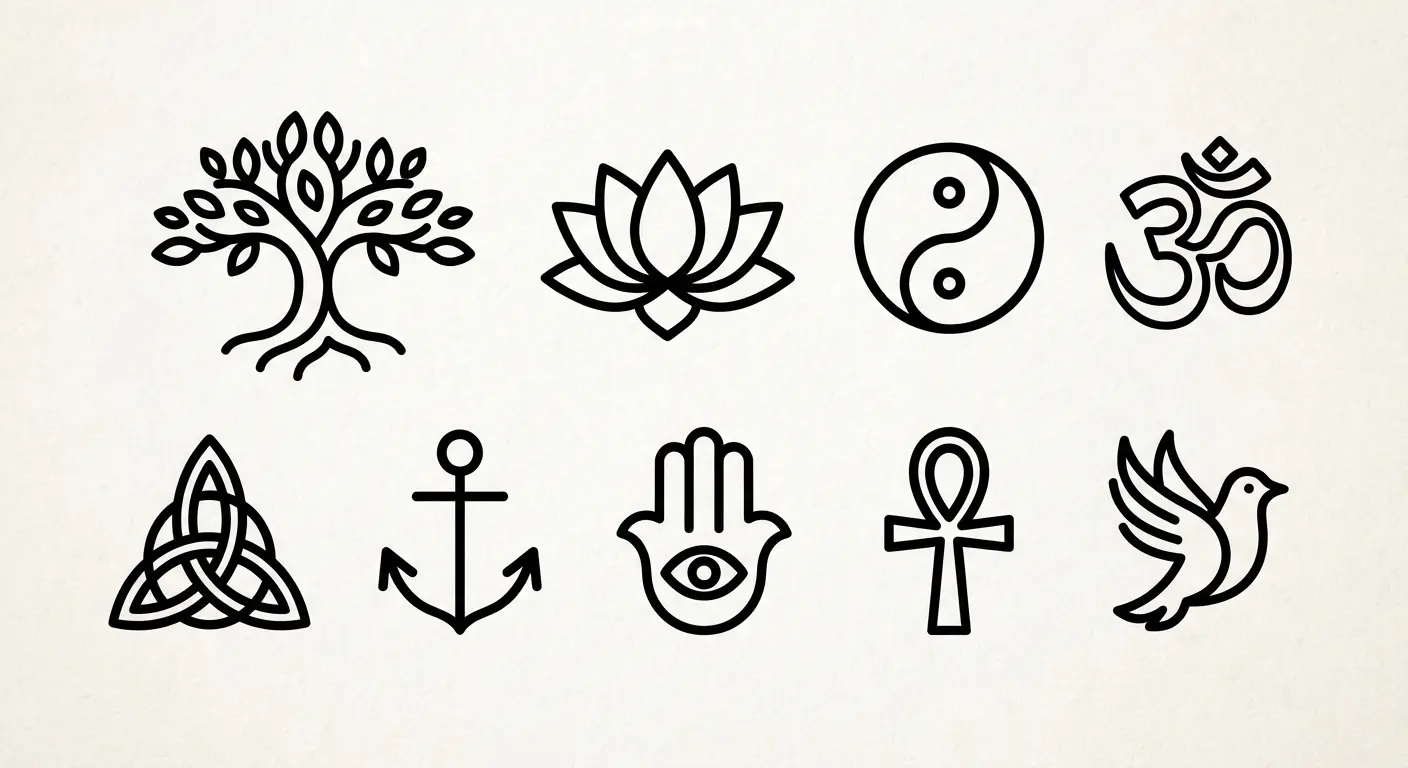
22. Single-Weight Symbol
Symbols rendered in consistent line weight throughout create clean designs that photograph well and age gracefully. No variation in thickness, no shading, no dimension.
Cultural symbols (om, ankh, hamsa, cross), zodiac glyphs, alchemical symbols, or personal icons rendered in lines between 2mm and 3mm thick. The consistent weight means every part of the design ages at the same rate, preventing the patchy appearance that happens when fine details fade faster than bold elements.
These designs work because they’re already abstracted. They don’t try to represent realistic objects, so they don’t suffer when skin changes over time. The symbol needs to carry meaning that will remain relevant across your lifetime. Trendy symbols that feel meaningful now might feel dated in a decade, so choose carefully.
Placement matters less with single-weight symbols because they read clearly from any angle and on any body part, though joint areas will experience more line spread over time.
This simple tattoo idea offers timeless appeal through consistency.
23. Filled Geometric Form
Geometric shapes with solid fills combine the readability of bold shapes with the visual interest of geometric precision. A filled hexagon, a solid triangle, a black pentagon. Unlike simple circles or squares, multi-sided geometric forms feel intentional and designed rather than basic.
The solid fill ensures longevity. There are no fine lines to blur or internal details to lose definition. We’re talking about shapes between one and three inches across, sized to show their geometric properties clearly without overwhelming your body part.
The shape choice carries symbolic weight (triangles suggest direction or trinity, hexagons reference nature and efficiency, pentagons connect to mathematical perfection), but the design works even if viewers don’t catch the symbolism. Placement on flat surfaces shows geometric precision most effectively, though these designs remain readable on curved surfaces better than designs with internal detail.
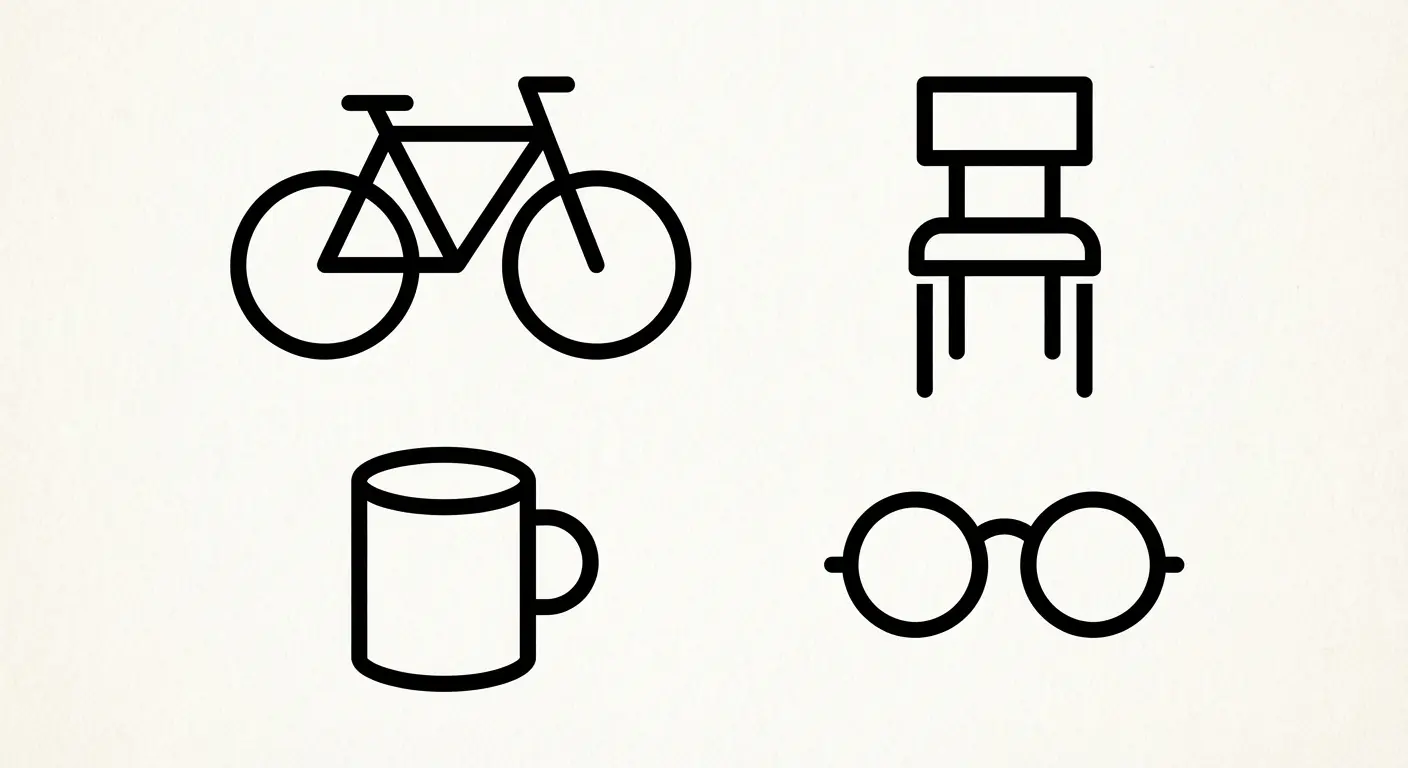
24. Simplified Recognizable Object
Everyday objects reduced to their most essential visual elements create designs that communicate clearly without requiring artistic interpretation. A simplified coffee cup, a basic house outline, a minimal bicycle, a stylized book. You’re not rendering a photorealistic object, you’re capturing the Platonic ideal of that object in its most reduced form.
Lines should be thick enough (2mm to 4mm) to maintain definition as the tattoo ages. The object needs to be immediately recognizable from its silhouette alone, which means choosing items with distinctive shapes. A simplified guitar works better than a simplified violin because the guitar’s shape is more universally recognizable.
These designs work for representing hobbies, professions, or meaningful objects without the literal quality that makes realistic tiny tattoos problematic. Placement depends on the object’s orientation. Vertical objects (bottles, trees, towers) work on vertical body parts (forearms, calves), while horizontal objects (books, landscapes) suit horizontal spaces (across shoulders, along collarbones).
Turning Ideas Into Ink (Without the Guesswork)
You’ve got placement strategies, expansion logic, and visibility principles covered. The gap between concept and finished tattoo still feels massive, though.
Real talk about finding artists: Instagram portfolios lie. They show fresh tattoos, not healed ones. Ask to see healed work, specifically healed small work. If an artist can’t show you small tattoos that still look crisp after a year, walk away. They might be great at big pieces, but small is a different skill set entirely.
Not every tattoo artist excels at tiny tattoos. The technical skill required to execute clean lines and maintain detail at small scales differs significantly from large-scale work. Research artists whose portfolios showcase healed small tattoo ideas, not just fresh ink that looks crisp before the healing process tests the design’s durability.
Communication becomes critical. Bring reference images that capture the style, line weight, and level of detail you want. Be specific about size. Bring a ruler or use your fingers to show exactly how large you’re envisioning. I’ve seen too many people say “small” and end up with something three times bigger than they imagined.
Discuss placement thoroughly, considering how the tattoo will look from different angles and how clothing will interact with it. A good artist will talk you out of bad ideas. If they’re willing to tattoo anything anywhere without questions, that’s a red flag.
Final Thoughts
Look, I’ve thrown a lot of information at you. Here’s what actually matters: small tattoos are permanent, but they don’t have to be perfect. Pick a spot that makes sense for your body and your life. Choose a design that ‘ll still be readable in 20 years. Find an artist who’s actually good at small work. And if you’re not sure? Wait. The tattoo will still be there to get next month. Your skin isn’t going anywhere.
Small tattoos get a bad rap because most people do them wrong. Wrong placement, wrong design, wrong artist. But done right? They’re perfect. They’re personal without being loud, meaningful without requiring explanation, and way less commitment than a sleeve.
Just don’t try to cram a photorealistic portrait of your cat into a square inch and expect it to age well. Physics doesn’t care about your Pinterest board.
Your body offers dozens of placement zones, each with unique aging patterns, visibility contexts, and expansion possibilities. The designs that read from a distance do so because they embrace simplicity rather than trying to prove their complexity. Tiny tattoos that scale with life changes work because they leave breathing room for your future self’s choices.
You’re not locked into anything. Each small tattoo you get can stand alone as a complete statement or serve as a foundation for something larger. The choice remains yours, and that’s exactly how it should be.
