20 Ouroboros Tattoos That Break the Cycle of Generic Ink
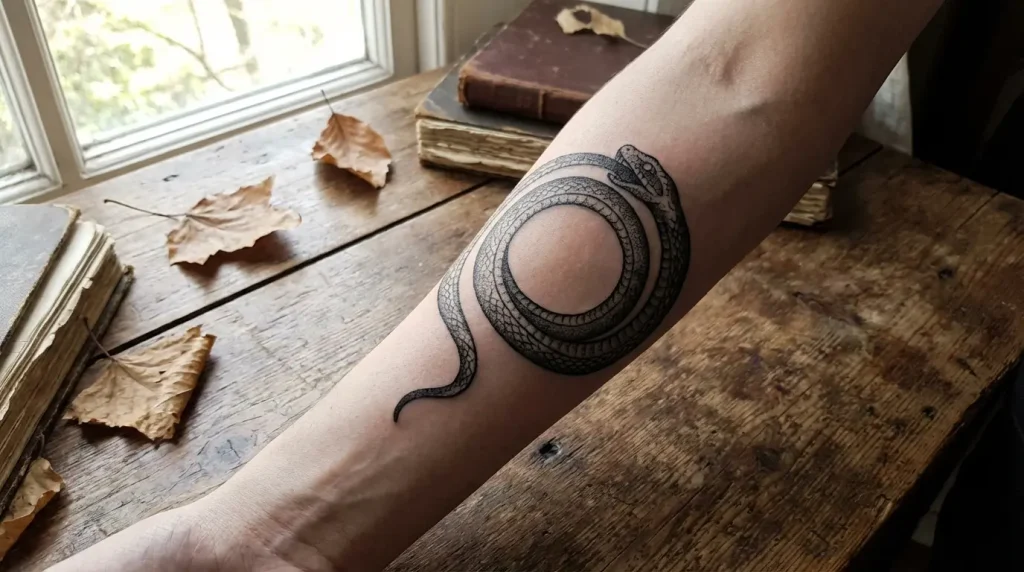
Table of Contents
-
Ouroboros Designs That Honor Ancient Alchemy
-
The Philosopher’s Stone Ouroboros
-
Mercury-Infused Serpent Circle
-
Alchemical Symbol Integration
-
Seven Metals Ouroboros
-
Transmutation Phase Serpent
-
-
Ouroboros Tattoos Built for Body Architecture
-
Ribcage Spiral Ouroboros
-
Finger-to-Wrist Continuous Loop
-
Spine-Following Dragon Ouroboros
-
Shoulder Cap Rotation Design
-
Behind-the-Ear Micro Ouroboros
-
-
Color Theory Meets Ancient Symbolism
-
Red Phase Transformation Ouroboros
-
Dual-Tone Shadow and Light
-
Watercolor Dissolution Effect
-
Blackwork with Single Color Accent
-
Iridescent Scale Progression
-
-
Ouroboros Designs That Challenge Traditional Form
-
Geometric Fragmentation Ouroboros
-
DNA Helix Serpent Fusion
-
Infinity Symbol Hybrid
-
Botanical Growth Integration
-
Celestial Body Ouroboros
-
TL;DR
-
Alchemical versions connect you to transformation symbolism that’s been around since 1600 BC (not just trendy Instagram aesthetics)
-
Body placement matters more than you think. Your ribcage curves work with circular designs. Your flat surfaces don’t.
-
Red signals completion in alchemy. Black signals decomposition. Choose your colors based on what transformation stage you’re in.
-
Modern takes blend ancient symbols with contemporary elements without turning into meaningless decoration
-
Ring finger placement requires different technical approaches than larger pieces (and fades faster, so prepare for touch-ups)
-
Dragon versions communicate power. Serpent versions communicate wisdom. Pick the energy you want.
Ouroboros Designs That Honor Ancient Alchemy
Scroll through ouroboros tattoos on Instagram and you’ll see the same basic circle 500 times. Snake eating tail. Maybe some shading. Definitely no understanding of what the symbol actually meant to the alchemists who used it.
Alchemists used specific variations to represent different stages of material and spiritual transformation. These weren’t random artistic choices. They were visual representations of processes that alchemists believed could turn lead into gold and mortality into enlightenment.
The serpent biting its own tail was first seen as early as 1600 BC in Egypt, from where the symbol traveled to the Phoenicians before reaching the Greeks who named it the Ouroboros, literally meaning “tail-devourer.” That’s over three thousand years of accumulated meaning.
These five designs pull directly from alchemical manuscripts and hermetic texts. When you choose one of these, you’re wearing visual philosophy that extends far beyond surface aesthetics. Each one carries symbolic weight that alchemists would have recognized immediately.
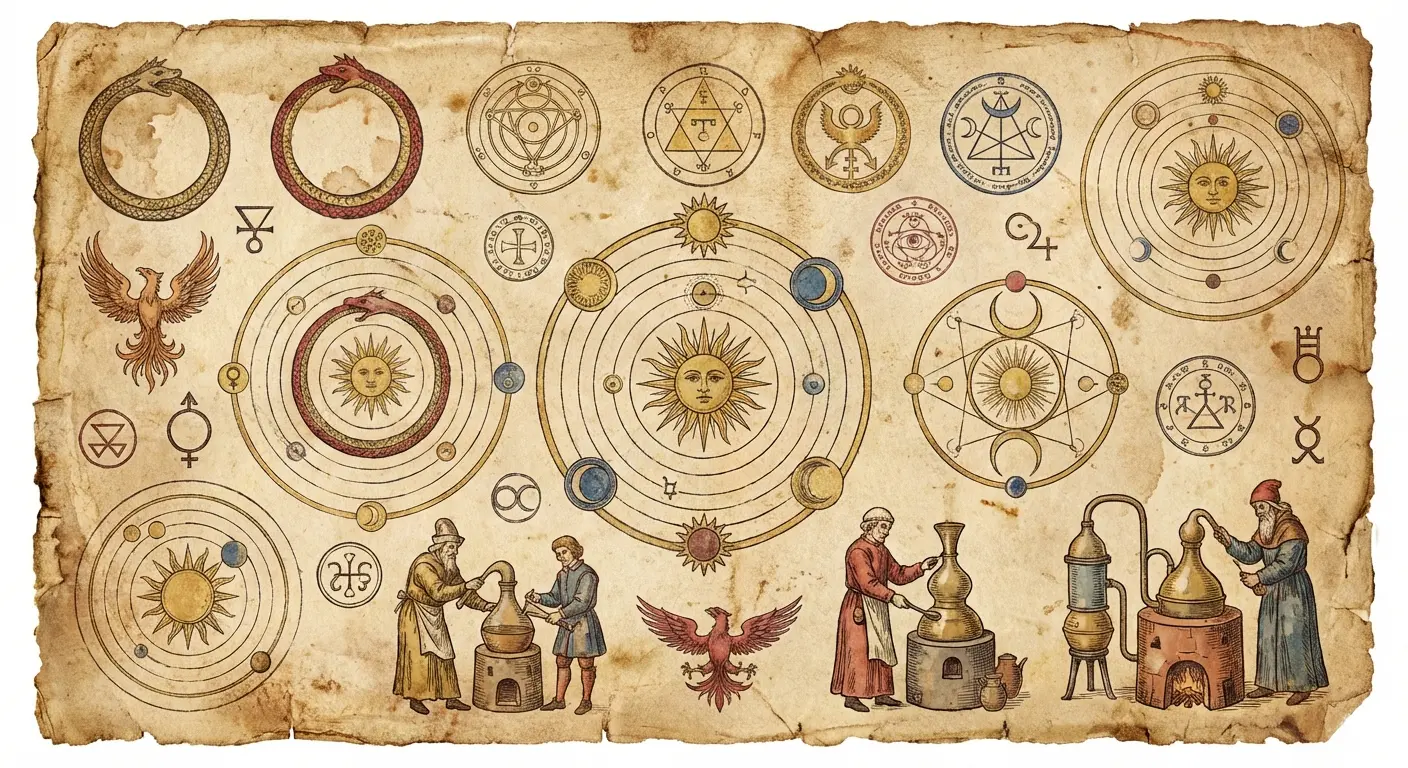
1. The Philosopher’s Stone Ouroboros
The philosopher’s stone sits at the center, with the serpent forming a protective circle around it. Decide whether the stone appears complete (representing achieved enlightenment) or fractured (representing ongoing transformation). This distinction changes the entire message.
Upper back placement between shoulder blades works exceptionally well here. The circular form can expand to accommodate the central stone detail without fighting against your body’s natural contours. Your artist needs to understand that the snake’s scales should transition from rough to smooth as they approach the tail, symbolizing the refinement process itself.
I’ve seen people add tiny alchemical symbols along the serpent’s body (salt, sulfur, mercury), but that only works if you’re going larger than four inches in diameter. Below that size, the symbols become muddy and illegible as the tattoo ages. This design demands space to breathe.
2. Mercury-Infused Serpent Circle
Mercury (quicksilver) was considered the prima materia in alchemy, the base substance of all metals. This design shows the serpent with liquid mercury droplets forming along its body or pooling beneath it. The visual challenge here is making mercury look liquid and metallic simultaneously in tattoo form.
Mercury is a bitch to tattoo. It’s heavy, pools weird, reflects light differently than water. Your artist needs to understand reflective surfaces or you’ll end up with a confusing gray smudge instead of liquid metal. Check their portfolio for metal work before committing.
This needs serious shading work. Maybe white ink highlights if your artist is confident with them (many aren’t because white ink is temperamental). Forearm placement gives you the canvas size you need, and the cylindrical shape of your arm enhances the circular flow.
Think about whether you want the mercury contained within the circle or escaping it. Contained = controlled transformation. Escaping = volatile change. That distinction matters.
3. Alchemical Symbol Integration
This approach embeds the four classical elements (earth, air, fire, water) or the seven planetary metals into the serpent’s body itself. Each section represents a different element or metal, creating a segmented appearance that still maintains circular unity.
Shoulder placement works beautifully here because you can position one element at the front of your shoulder and watch the design wrap around as the elements progress. For those drawn to symbolic depth, understanding tattoo symbolism and meaning can inform your design choices when embedding classical elements into the serpent’s body.
Your color choices matter tremendously here. Traditional alchemical color associations (black for earth, yellow for air, red for fire, blue for water) create immediate recognition for people familiar with hermetic symbolism. Custom color schemes let you personalize the meaning, but you lose that historical connection. Both approaches work. It depends on whether you value historical accuracy or personal expression more.
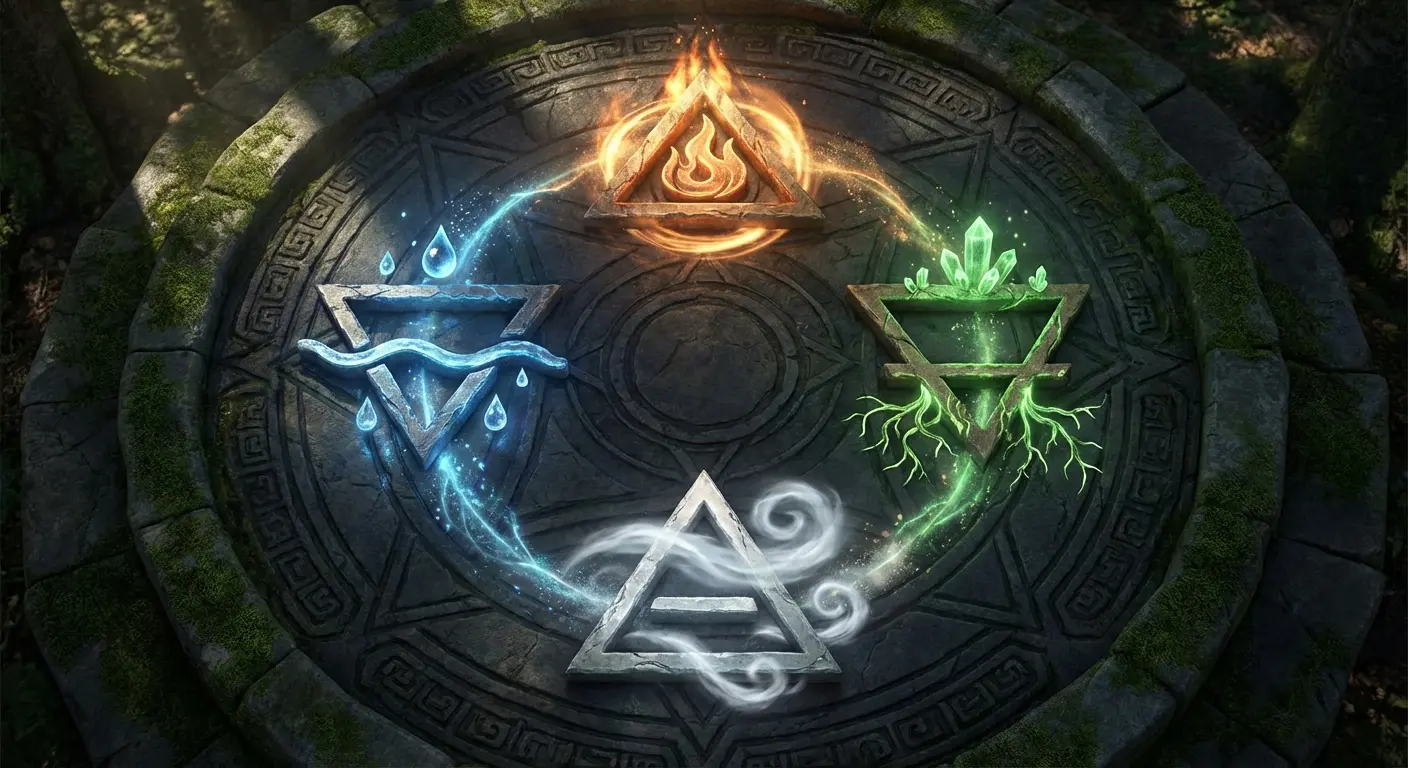
4. Seven Metals Ouroboros
Seven classical metals (gold, silver, copper, iron, tin, lead, mercury) each corresponded to celestial bodies in alchemical tradition. This back piece divides the serpent into seven sections, each textured or colored to represent a different metal.
The technical execution requires an artist who understands how to render different metal textures in skin. Gold needs warm highlights, silver needs cool ones, copper requires a tricky orange-brown tone that’s difficult to achieve with standard ink palettes. You’re looking at an artist with serious technical chops and a portfolio that demonstrates material rendering skills.
Back tattoos give you the space to make each metal section large enough to showcase distinct texturing. You need minimum six inches in diameter to pull off the detail work properly. Anything smaller and the metal sections blur together, losing the symbolic distinction that makes this meaningful. The expansive canvas of your back becomes essential for this particular design.
5. Transmutation Phase Serpent
Alchemical transmutation happened in stages (nigredo, albedo, citrinitas, rubedo), each with distinct visual characteristics. This design shows the serpent changing color and texture as it moves through its circular path, literally depicting transformation in progress.
The snake might begin in deep black (nigredo/decomposition), transition through white (albedo/purification), pass through yellow (citrinitas/enlightenment), and end in red (rubedo/completion) right before it reaches its own tail. Ribcage placement follows your body’s natural curves and gives you vertical space to showcase the color transitions.
You need an artist experienced with color gradients because harsh transitions will make this look like four different snakes instead of one transforming entity. The blending between phases is where this succeeds or fails. I’ve seen versions where the color shifts are so abrupt that the symbolism gets lost. The viewer sees segments rather than progression.
The ribcage also adds a literal dimension to the transformation symbolism. When you breathe deeply, the design expands and contracts. Your body becomes part of the cycle, which is conceptually perfect for what this represents.
Ouroboros Tattoos Built for Body Architecture
Your body isn’t a flat canvas. The best designs acknowledge that fact. These five placements are engineered for the contours, movements, and natural flow lines of different body areas.
Each placement enhances the symbolism by working with how your body moves, flexes, and presents itself in three-dimensional space. I’ve watched people get circular tattoos that fight against their anatomy, creating visual tension that undermines the design. These placements avoid that problem entirely.
|
Body Placement |
Ideal Design Size |
Key Anatomical Consideration |
Visibility Level |
|---|---|---|---|
|
Wrist |
1-2 inches |
Cylindrical surface, high flexibility |
High (exposed daily) |
|
Forearm |
3-5 inches |
Natural cylinder enhances circular flow |
High (easily shown/covered) |
|
Shoulder |
4-7 inches |
Rounded cap perfect for rotation designs |
Medium (tank top dependent) |
|
Ribcage |
5-8 inches |
Follows natural rib contours, expands with breath |
Low (intimate placement) |
|
Spine |
6-12 inches (vertical) |
Vertebral curve creates dynamic movement |
Low (requires removal of clothing) |
|
Behind-the-ear |
1-2 inches |
Curved surface, thin skin, proximity to bone |
Medium (discovery placement) |
6. Ribcage Spiral Ouroboros
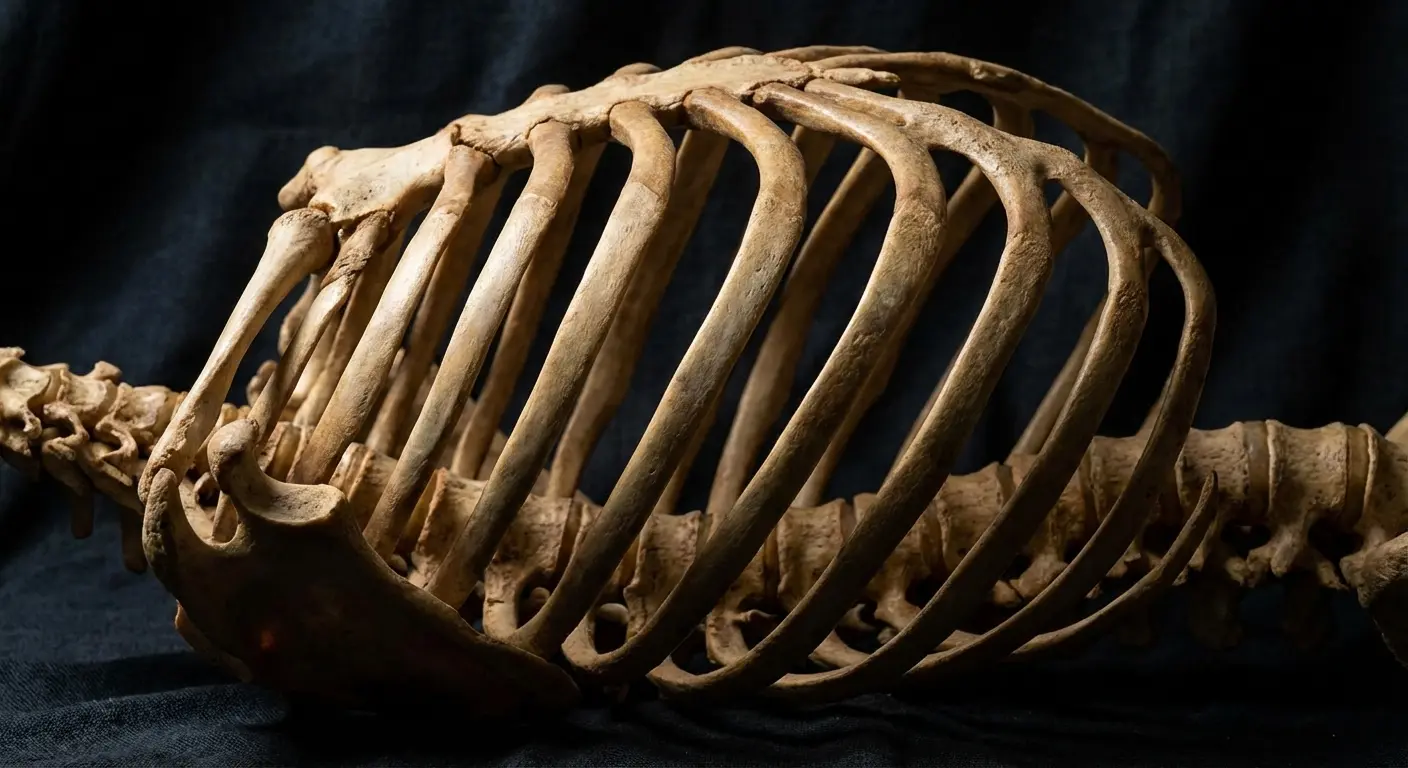
Your ribs create natural horizontal lines that a skilled artist can use to make this design appear to spiral inward or outward as it circles. The design follows your rib contours, with the serpent’s body getting slightly thicker or thinner as it moves across each rib.
When you breathe deeply, the tattoo expands and contracts, adding literal life to the eternal cycle symbolism. This placement hurts more than most. Ribs are notoriously sensitive. But the payoff is a design that’s genuinely integrated with your anatomy.
Consider whether the spiral moves inward (representing internal transformation) or outward (representing expansion and growth). That directional choice changes how people read it. Side body placement means this is revealed selectively, making it more personal than public statement pieces. I appreciate that intimacy for a symbol this philosophically loaded.
7. Finger-to-Wrist Continuous Loop
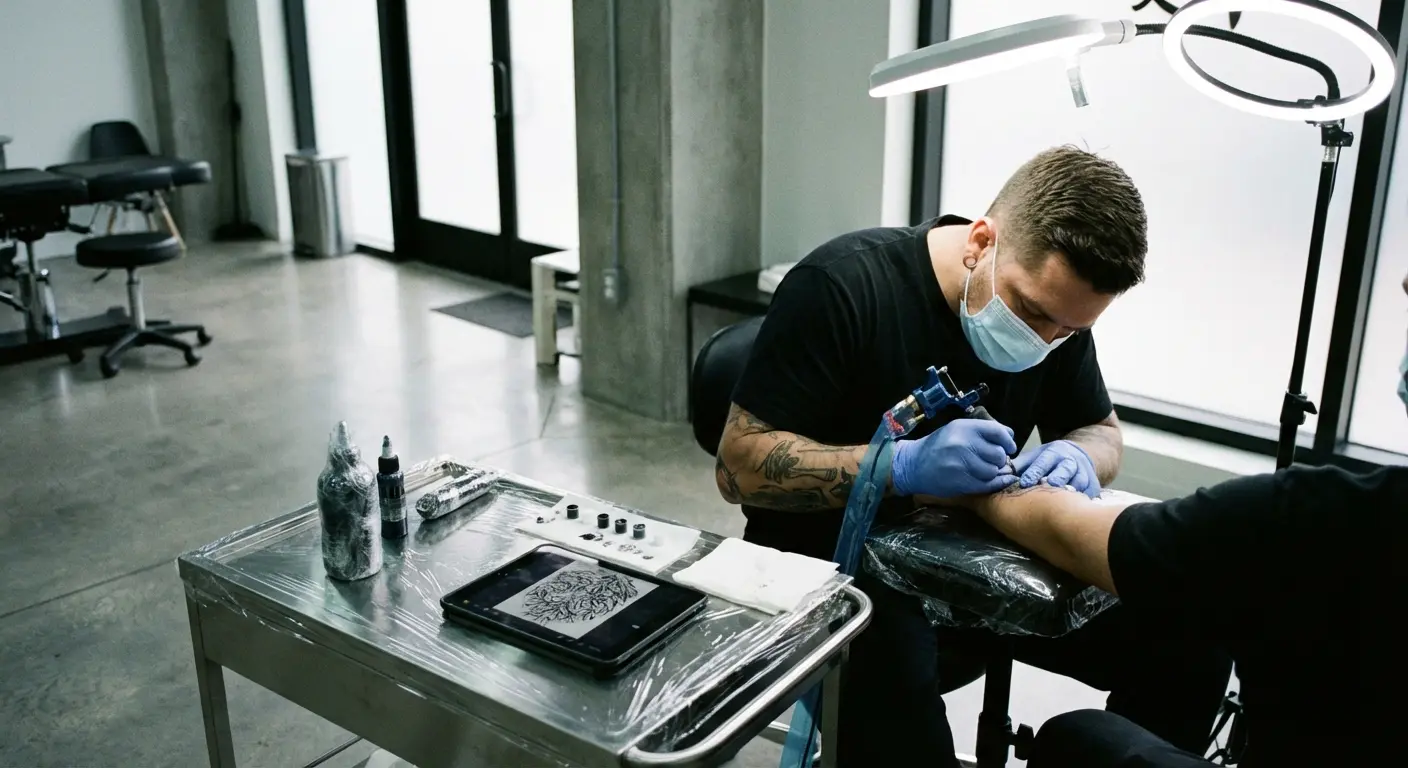
This ambitious design starts on your ring finger (the traditional placement) but extends the serpent’s body down across your hand and wraps around your wrist before the tail reaches back to meet the head on your finger. You’re creating a literal loop that encompasses your hand’s full range of motion.
The technical challenge is maintaining consistent line weight as the design crosses from finger (small, curved surface) to hand (flat, flexible) to wrist (cylindrical, bony). This works best with a simplified serpent design rather than heavily detailed scales, because your hand skin stretches and moves too much for fine detail to hold up over time.
Ring finger versions alone are popular, but extending the design this way transforms it from jewelry into genuine body art. I’ve seen people try to cram too much detail into this concept, and it always ages poorly. The hand is unforgiving territory for tattoos. Keep it bold and simple.
Your hands are also constantly exposed to sun, water, and friction. This will need touch-ups more frequently than pieces on protected body areas. Factor that maintenance into your decision about this placement.
8. Spine-Following Dragon Ouroboros
Dragon variations carry different symbolic weight than serpent versions. Dragons represent power and mastery, while serpents emphasize wisdom and cunning. This design runs vertically along your spine, with the dragon’s head at the base of your neck and its tail curving around at your lower back to meet the mouth.
Your spine’s natural curve becomes the dragon’s body curve. When you stand straight, the circle appears more perfect. When you bend forward, the circle elongates. That dynamic quality reinforces the transformation symbolism.
Yeah, this is multiple sessions. Clear your calendar. You also need to factor in that spinal tattoos can be intensely uncomfortable. The vibration travels through bone in ways that other placements don’t. I’ve sat through spine work, and it’s a different experience than fleshy areas.
The design also reads differently depending on whether you choose Eastern or Western dragon styling. Eastern dragons are serpentine and flowing, which works beautifully with spinal curves. Western dragons are more muscular and angular, which can fight against the spine’s natural line. Choose your dragon style based on how it complements your anatomy.
9. Shoulder Cap Rotation Design
Your shoulder’s rounded surface is naturally perfect for circular designs, but most people don’t think about how this placement looks from multiple angles. This design is engineered to read clearly whether someone’s viewing you from the front, side, or back.
The serpent’s head positions at the front of your shoulder, visible when you’re facing someone. The body wraps over the top and around the back. The tail comes around the outside of your shoulder to meet the head. When you move your arm, different sections become prominent or hidden.
Shoulder placement works well for people who want meaningful ink that’s easily covered by shirts but prominently displayed in tank tops or swimwear. That versatility matters if you’re navigating professional environments that aren’t tattoo-friendly.
I’ve also seen this work beautifully with the natural muscle definition of the deltoid. When you flex, the serpent appears to move. When you relax, it settles. Your body’s movement becomes part of the design’s visual interest.
10. Behind-the-Ear Micro Ouroboros
Micro tattoos require different technical approaches than larger pieces, and behind-the-ear placement adds specific challenges (curved surface, thin skin, proximity to bone). This tiny design (we’re talking one to two inches maximum) needs simplified design elements to remain legible as it ages.
You can’t include detailed scales or intricate shading in this small format. What you can do is create a bold, clean outline that reads as “ouroboros” immediately without requiring close examination. When considering placement options, exploring small tattoo ideas and placements can help you understand how micro designs age and maintain clarity over time.
Behind-the-ear placement makes this a discovery tattoo rather than an announcement tattoo. People notice it during conversations when you tuck your hair back or turn your head. The intimacy of the placement matches the personal nature of transformation symbolism.
Behind-the-ear tattoos hurt like a motherfucker. The skin is thin, the bone is right there, and the buzzing sound is amplified by proximity to your ear canal. It’s over fast because of the small size, but those few minutes can be intense.
Color Theory Meets Ancient Symbolism
Color isn’t just aesthetic preference here. Different colors carry specific symbolic meanings in hermetic and alchemical traditions, and modern color theory adds additional layers of psychological impact. These five designs use color deliberately to enhance or subvert traditional symbolism.
Everything from single-color statements to complex multi-hue progressions tells visual stories about transformation stages. The color you choose communicates as much as the design itself.
11. Red Phase Transformation Ouroboros
Red versions reference the rubedo stage of alchemical transformation, the final phase where base materials achieve their highest form. This isn’t just a black design with red coloring. The entire piece should communicate completion, achievement, and realized potential.
Deep crimson works better than bright red for this symbolism. Bright red can read as aggressive or violent, while crimson suggests richness and completion. Consider a design where the serpent starts in darker red tones at the tail and gradually intensifies to brilliant crimson at the head, showing the final approach to completion.
Red ink fades faster than black. Let’s be honest about that. You’re committing to touch-up sessions every few years to maintain the color intensity. Forearm or upper arm placement gives you enough visibility to showcase the color work while keeping the tattoo in areas that are easier to maintain.
This makes a bold statement. There’s nothing subtle about it. If you’re someone who prefers understated ink, this probably isn’t your design. But if you want to announce that you’ve achieved something significant through your transformation journey, crimson carries that weight beautifully.
12. Dual-Tone Shadow and Light
This design splits the circle into two distinct halves (light and dark) that mirror each other, creating a visual representation of duality, balance, and the unity of opposites. One half uses black ink with dark shading, while the other uses gray wash or even negative space. Your skin tone becomes the light half.
The point where light and dark meet should blur slightly rather than creating a hard line, because transformation between opposites is gradual, not instant. This works well on flat surfaces like your upper back or chest, where the viewer can take in both halves simultaneously.
You’re creating a yin-yang concept within ouroboros symbolism, doubling up on “eternal balance” imagery. I find this approach appeals to people who see transformation as a balancing act rather than a linear progression. The dual-tone design acknowledges that growth involves integrating opposites, not choosing between them.
13. Watercolor Dissolution Effect
Watercolor tattoo techniques create the appearance of paint bleeding and blending on skin. Applied to this design, this approach makes the serpent appear to be simultaneously forming and dissolving, which is perfect for a symbol of death and rebirth.
The serpent’s body might be solid and defined at the head, then gradually break apart into watercolor splashes and drips as it approaches the tail, before reforming just in time to complete the circle. Color choices here are wide open. You’re not bound by alchemical tradition if you’re already breaking from traditional tattoo techniques.
Those interested in contemporary techniques should explore fineline tattoo styles and approaches to understand how modern methods contrast with watercolor bleeding effects in circular designs.
Watercolor is a gamble. I’ve seen five-year-old pieces that still pop and others that look like a bruise. Artist skill matters. Aftercare matters. Sun exposure matters. You’re rolling dice here.
Research artists who specialize in this style and have healed work in their portfolios showing how the technique holds up over time. The visual effect can be stunning when executed properly, but it’s higher maintenance than traditional approaches.
14. Blackwork with Single Color Accent
Heavy blackwork creates bold, high-contrast tattoos that age exceptionally well. This design uses solid black or dense black shading for 90% of the piece, then introduces one single color (red, gold, or blue are popular choices) in a strategic location.
Maybe the serpent’s eye glows with color. Maybe the point where tail meets mouth features a colored accent. Maybe one scale in the entire design carries color, representing the catalyst that triggers transformation. The restraint makes the color more impactful than if you’d used it throughout.
This approach works on any body placement, but it’s effective on areas that get high visibility (forearms, hands, neck) because the bold blackwork reads clearly from a distance, while the color accent rewards closer inspection. I appreciate designs that function at multiple viewing distances. They give people something new to discover each time they see your tattoo.
The color accent also lets you add personal meaning without explaining the entire design. You know why that one scale is gold while the rest is black. Other people can wonder about it or ask you directly.
15. Iridescent Scale Progression
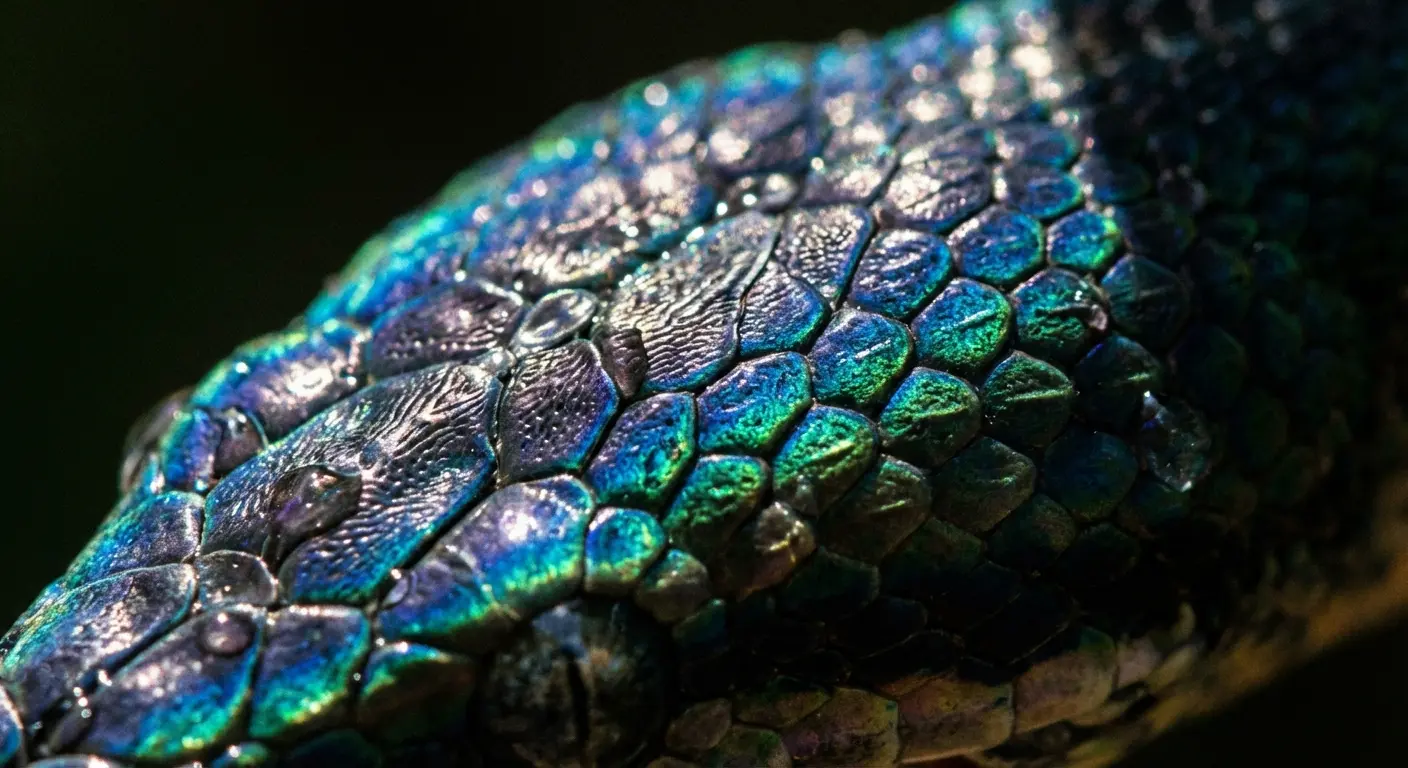
Real snakes often have iridescent scales that shift color depending on light and viewing angle. While tattoo ink can’t literally change color, skilled artists can create the illusion of iridescence through careful color layering and strategic highlight placement.
This design uses blues, greens, purples, and teals layered in ways that suggest shifting, shimmering scales. Each scale might be individually colored, creating a mosaic effect as the serpent circles. The technical execution is demanding. You need an artist experienced with color theory and realistic reptile rendering.
Thigh or calf placement gives you the canvas size needed for individual scale detail, and the cylindrical shape of your leg enhances the dimensional quality of the iridescent effect. I’ve watched artists spend hours on single scales to get the color transitions right. This is precision work that requires patience from both artist and client.
The iridescent approach also photographs beautifully, which matters if you’re someone who likes sharing your ink on social media. Different lighting conditions bring out different colors, so your piece looks slightly different in every photo.
|
Alchemical Color |
Traditional Stage |
Symbolic Meaning |
Best Ink Application |
|---|---|---|---|
|
Black (Nigredo) |
Decomposition/Death |
Dissolution of ego, breaking down old forms |
Solid blackwork, heavy shading |
|
White (Albedo) |
Purification |
Cleansing, spiritual awakening |
Gray wash, negative space, white ink highlights |
|
Yellow (Citrinitas) |
Enlightenment |
Dawn of awareness, solar consciousness |
Yellow-gold gradients* |
|
Red (Rubedo) |
Completion |
Achievement, perfection, spiritual gold |
Deep crimson to bright red progression |
*Yellow is almost impossible to execute well. Most artists will try to talk you out of it. They’re probably right.
Ouroboros Designs That Challenge Traditional Form
The ouroboros has existed for thousands of years, which means it risks feeling stale or overly familiar. These five designs maintain the core symbolism (eternal cycles, death and rebirth, self-reflexivity) while pushing the visual form into new territory.
Geometric deconstruction, biological fusion, mathematical integration, and natural world hybridization. These aren’t traditional versions, but they’re conceptually faithful to what the symbol has always represented. Sometimes honoring tradition means evolving it rather than reproducing it exactly.
16. Geometric Fragmentation Ouroboros
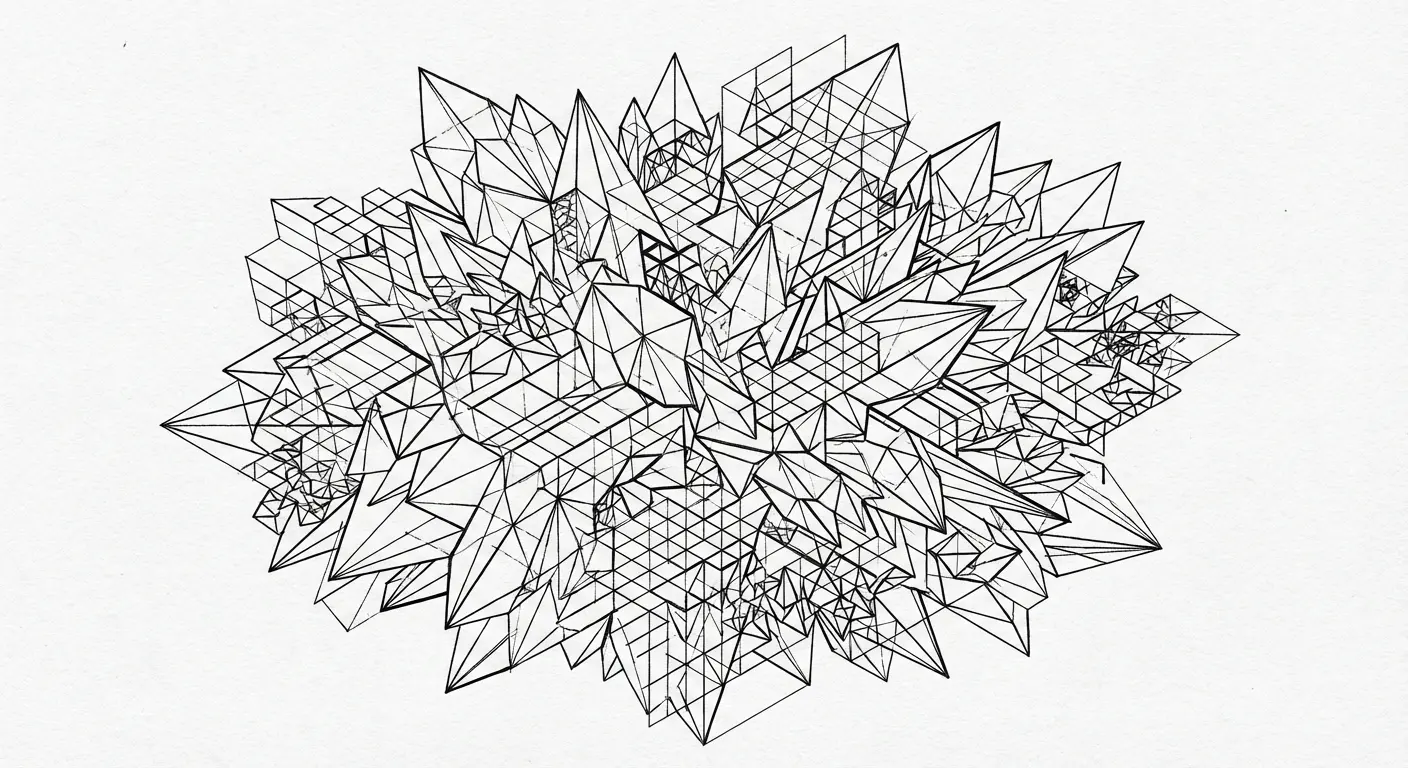
This design breaks the serpent’s body into geometric shapes (triangles, hexagons, crystalline fragments) that separate slightly as they circle, creating gaps in the loop. The fragmentation suggests that cycles aren’t always smooth or continuous. Sometimes transformation involves breaking apart before coming back together.
The geometric style appeals to people who want symbolic depth without naturalistic imagery. You can take this in a minimal direction (simple black line shapes) or complex (each geometric fragment filled with different patterns or shading).
Upper arm or shoulder blade placement works well because the design benefits from being viewed as a complete composition rather than wrapped around a curved surface. I’ve seen people try to wrap geometric versions around cylindrical body parts, and the fragments lose their visual coherence. Flatter surfaces preserve the intentional gaps and angular relationships.
The fragmented approach also opens up interesting possibilities for adding other elements in the gaps. Some people incorporate sacred geometry, constellation patterns, or personal symbols in the spaces between fragments. The design becomes a framework for additional meaning rather than a self-contained symbol.
17. DNA Helix Serpent Fusion
DNA helixes are modern symbols of life, inheritance, and biological continuity. Essentially what the ouroboros represented before we understood genetics. This design shows two serpents intertwined in a double helix formation, with each serpent eating the other’s tail, creating a circular helix.
You’re fusing ancient and modern symbols of eternal life cycles. The design works best when it’s scientifically accurate (proper helix proportions, correct number of twists) while still maintaining artistic appeal. This is conceptually rich ink that appeals to people in scientific fields or anyone who appreciates when ancient wisdom aligns with modern knowledge.
Forearm placement lets you show the helix structure clearly, and the cylindrical shape of your arm enhances the three-dimensional quality of the helix. I’ve consulted with biologists on these designs to make sure the DNA structure is accurate. There’s something satisfying about getting both the symbolism and the science right.
The helix form also works beautifully in black and gray, though some people add color to distinguish the two serpents from each other. Blue and green create a nice contrast while maintaining a natural, biological feel.
18. Infinity Symbol Hybrid
The infinity symbol and the ouroboros represent similar concepts (endlessness, eternal return), so fusing them creates visual and symbolic resonance. This design shows the serpent forming a figure-eight rather than a simple circle, with the serpent crossing over itself at the center point.
The crossover creates two loops instead of one, which can represent dual cycles (death and rebirth, destruction and creation, ending and beginning) happening simultaneously. Wrist placement works beautifully for this because the figure-eight shape fits naturally along the horizontal space of your inner wrist.
The design reads clearly without requiring large scale, making it accessible for people who want meaningful ink without major commitment. I appreciate that this variation maintains immediate recognizability. People see both the infinity symbol and the ouroboros simultaneously without needing explanation.
Ring finger versions can also use this figure-eight approach, wrapping around your finger in a continuous loop that crosses over itself. The technical challenge is maintaining symmetry on such a small, curved surface, but skilled artists can pull it off.
19. Botanical Growth Integration
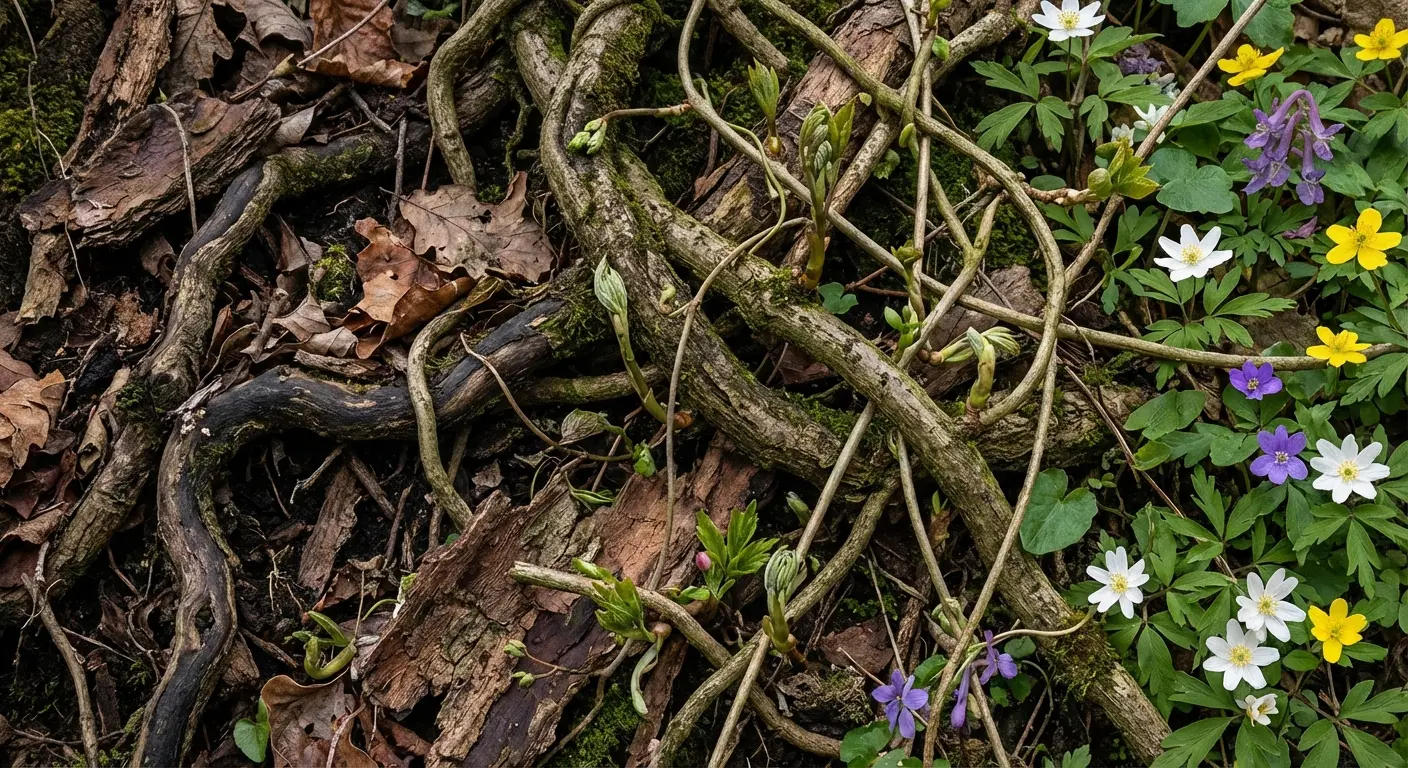
This design shows the serpent with botanical elements (vines, flowers, roots, leaves) growing from or intertwining with its body. The plants might be breaking through the serpent’s scales, suggesting that death feeds new life. Roots could extend from the tail while flowers bloom from the head, creating a visual progression from decay to growth within the circular form.
You’re combining animal and plant symbolism to emphasize natural cycles of decomposition and regeneration. For those combining natural elements, examining phoenix tattoo symbolism and transformation themes reveals how death-and-rebirth imagery works across different cultural symbols.
Spring flowers (cherry blossoms, lotus) carry different symbolic weight than autumn plants (dried wheat, fallen leaves), so choose botanicals that align with your personal transformation narrative. Thigh or upper arm placement gives you space for detailed botanical illustration without crowding the composition.
I’ve seen versions where the botanical elements overwhelm the serpent, turning it into a supporting character in its own design. Balance matters here. The plants should enhance the piece, not replace it as the focal point.
The botanical approach also ages interestingly. As your tattoo settles into your skin over the years, the organic quality of the plants can make the aging process feel intentional rather than like deterioration. There’s something poetic about a transformation symbol that transforms with you.
20. Celestial Body Ouroboros
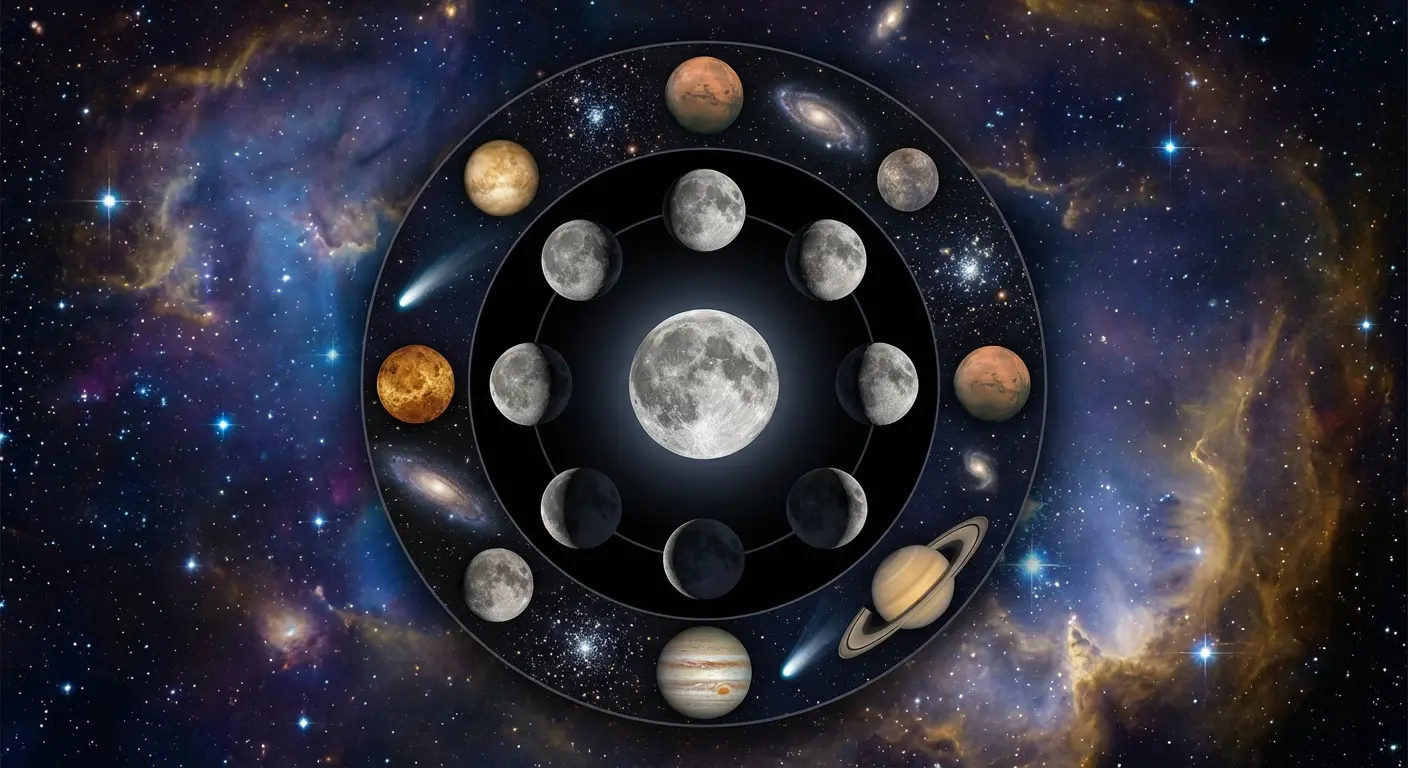
This design replaces the traditional serpent with celestial imagery. The “body” might be formed by phases of the moon circling around, or planets orbiting in a loop, or a comet’s tail curving back to meet its head. You’re taking the eternal cycle concept and applying it to astronomical phenomena that demonstrate cyclical patterns (lunar phases, planetary orbits, cometary returns).
The design can go realistic (astronomically accurate moon phases) or stylized (decorative celestial symbols). Black and gray creates a classic astronomical illustration feel, while adding deep blues and purples gives it a more mystical quality.
Back of the neck or between shoulder blades works well for circular celestial designs, creating a personal cosmos that people see when you’re facing away from them. I find this variation (when the celestial body is a comet or meteor) compelling because comets have been symbols of change and transformation across cultures for millennia.
The ouroboros continues to captivate contemporary artists and those seeking meaningful body art. In a 2013 interview at Philadelphia’s annual Tattoo Arts Convention, tattoo artist Ryan Roi worked on an ouroboros shoulder piece, explaining his philosophy: “I love the bounce of the needle on the skin, and when I’m in that moment, I love it.” The convention itself demonstrates tattooing’s cultural permanence, bringing together artists from San Francisco to New Orleans to showcase their interpretations of ancient symbols for modern audiences.
However, the symbol’s ubiquity can work against it. As noted in a 2025 Defector review of the film “After the Hunt”, one character “literally has an ouroboros tattoo wrapped around his forearm in a scene where he also not only references the ouroboros, but then specifically explains what an ouroboros is to the viewer: a snake eating its tail,” which the reviewer criticized as heavy-handed symbolism that underestimates the audience’s intelligence.
There’s a movie where a character has an ouroboros tattoo and then EXPLAINS what an ouroboros is. To the camera. While showing his ouroboros tattoo. Don’t be that guy. Your tattoo should trust viewers to bring their own understanding rather than explaining itself.
Turning Vision Into Ink
So you want the alchemical symbols from #3, the placement strategy from #6, and the color approach from #11. How do you explain that to an artist without sounding insane? This is where most people get stuck.
You can describe what you want, but translating verbal descriptions into visual designs requires a specific skill set. I’ve watched countless people struggle to communicate their vision to artists, going through multiple consultation sessions trying to bridge the gap between imagination and executable design.
I use Tattoo Generator IQ for this exact problem . You can test combinations before bothering an artist with half-formed ideas. See if red ink actually works for your concept or if you should stick with black. Check whether spine placement looks better than shoulder. Adjust colors, add alchemical symbols, change the serpent to a dragon, or incorporate botanical elements until you’ve got a visual reference that matches what’s in your head.
Then you bring that refined visual to your tattoo artist as a concrete starting point rather than a vague description, making their job easier and your final piece more likely to match your vision.
The tool removes the guesswork from design decisions that are otherwise difficult to visualize. Should your dragon version have Eastern or Western styling? Generate both and compare them on your actual body placement. Does the geometric fragmentation work better with triangles or hexagons? Test it before committing to permanent ink.
Final Thoughts
The ouroboros has survived thousands of years because it represents something fundamental about existence: everything that ends begins again, and everything that begins carries the seeds of its own ending. Your tattoo doesn’t need to be a historical reproduction of ancient alchemical manuscripts.
It can honor the core symbolism while expressing your personal relationship with transformation, cycles, and continuity. Whether you’re drawn to the alchemical precision of the seven metals design, the anatomical integration of a spine piece, the color symbolism of red phase transformation, or the conceptual fusion of DNA helix serpents, you’re joining a tradition that stretches back to ancient Egypt and forward into whatever comes next.
Before committing to your design, understanding proper tattoo aftercare and healing processes ensures your piece maintains its symbolic clarity and visual impact for decades to come. The healing process is part of the transformation journey. Your body integrating new imagery into itself mirrors the eternal cycles the symbol represents.
Get the ouroboros that means something to you, not the one that’ll impress tattoo historians. If you want a historically accurate alchemical piece with proper nigredo-to-rubedo color progression, great. Find an artist who knows their hermetic texts. If you want a watercolor mess that’ll fade weird in five years but looks incredible right now, also great. It’s your body.
Just don’t get the basic snake-eating-tail circle because you saw it on Instagram and thought it looked cool. That’s the tattoo equivalent of getting “Live Laugh Love” in cursive. The symbol has 3,000 years of meaning behind it. Use some of it.
I’ve seen people get these at major life transitions. Career changes, relationship endings, recovery milestones, spiritual awakenings. The symbol holds space for whatever transformation you’re moving through.
Your piece will mean something slightly different to you in five years than it does today. That’s the point. The symbol itself teaches us that meaning evolves, that we’re never the same person twice, that the tail we’re consuming is our former self making way for who we’re becoming.
