333 Tattoo Meaning: Why Most People Get This Number Wrong (And What It Really Reveals About You)
Table of Contents
-
The Real Reason 333 Tattoos Are Everywhere Right Now
-
What 333 Actually Means (Beyond the Pinterest Explanations)
-
Why Angel Numbers Became Tattoo Obsessions
-
When a 333 Tattoo Becomes a Personal Manifesto
-
Design Variations That Change the Entire Meaning
-
What Your Artist Needs to Know Before Inking 333
You’ve seen 333 everywhere lately. Wrists. Ankles. Behind ears. That tiny minimalist font everyone’s getting.
Most articles will tell you it’s an angel number. Divine guidance. Spiritual awakening. Cool. That’s part of it.
But that’s not why people actually get it tattooed. And it’s definitely not why they keep staring at it three years later, wondering if they’re living up to it.
The Real Reason 333 Tattoos Are Everywhere Right Now
As tattoo numerology combines spiritual significance with body art, allowing individuals to express personal meanings and life paths through permanent ink, 333 has become one of the most requested number tattoos lately.
Most articles stop at the angel number thing. Cool story, but there’s way more going on.
Here’s what nobody talks about: 333 tattoos work as personal accountability anchors. They’re not just about receiving cosmic guidance. They’re about forcing yourself to check whether you’re aligned with who you claim to be.
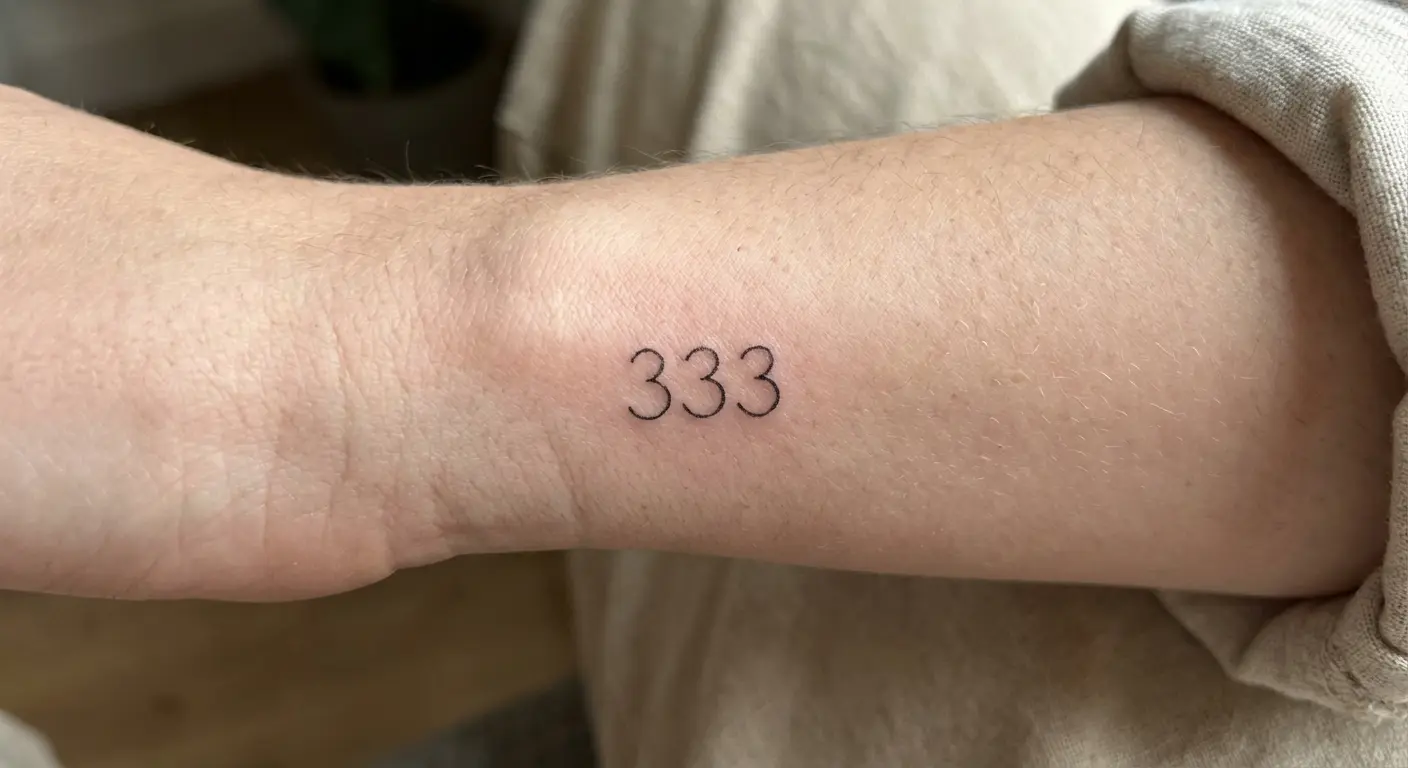
The angel number 333 interpretation has merit (we’ll get into that), but it’s become so saturated that people ink 333 without understanding the weight they’re adding to their daily experience. Every time you see that number on your body, you’re triggering a micro-audit of your choices and energy.
That’s the real reason these tattoos hit different. They create this cycle where intention meets action. The 333 tattoo meaning goes deeper than surface aesthetics. It’s about creating a permanent dialogue with yourself about authenticity and creative expression.
Look, I’m not saying the spiritual stuff doesn’t matter. But the tattoo only works if you’re willing to answer the questions it asks. Every. Single. Day.
What 333 Actually Means (Beyond the Pinterest Explanations)
The Trinity Thing Actually Matters
Three shows up three times. That’s not mystical poetry. That’s structure.
Mind, body, spirit. Father, Son, Holy Spirit. Past, present, future. Every culture figured out that three is the minimum number of points you need for stability. Two creates tension. Four is overkill. Three balances.
But here’s what nobody tells you: the tattoo isn’t about achieving balance. Perfect balance is bullshit and exhausting to chase. It’s about noticing when you’re so deep in one zone that the other two are dying.
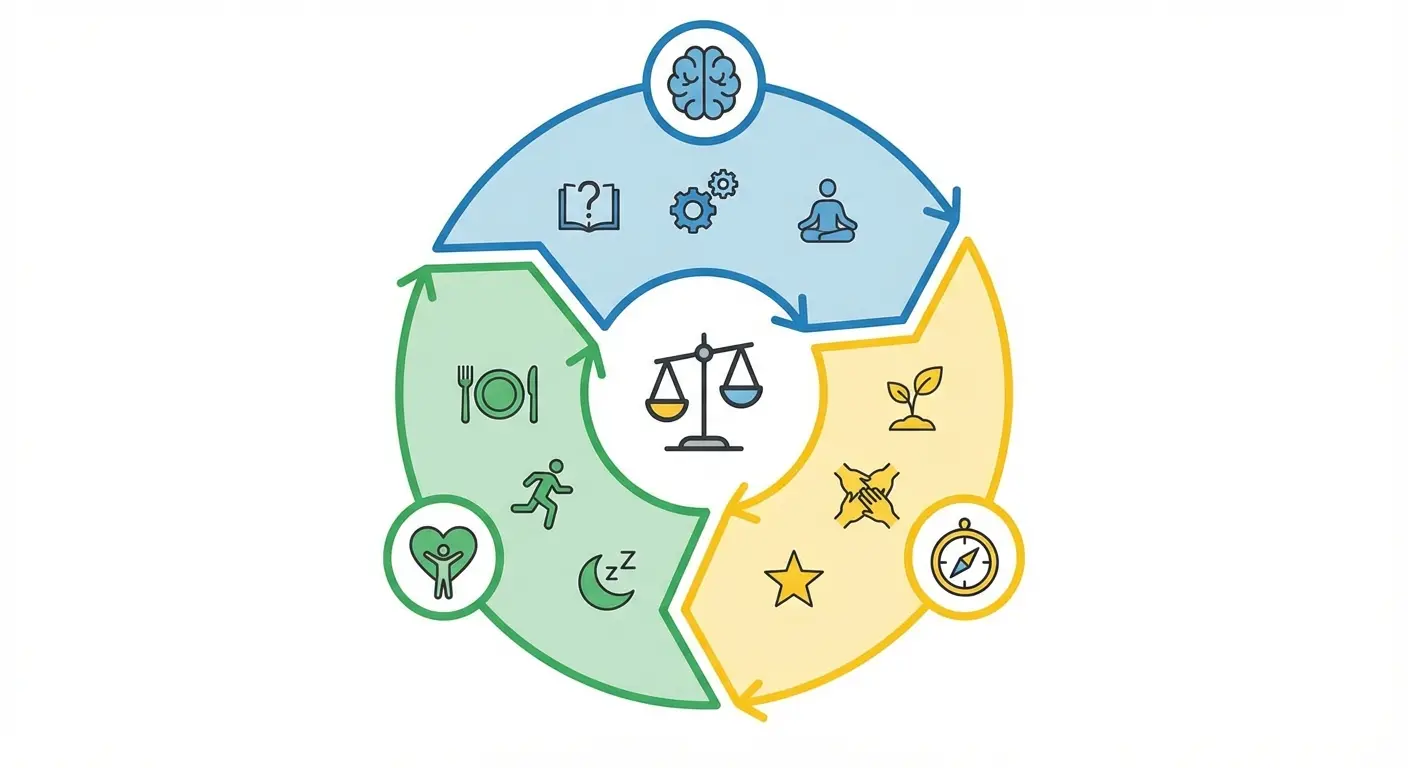
When you tattoo 333, you’re embedding a visual reminder that your mind, body, and spirit need equal attention. The 333 meaning becomes a daily question: which part of your trinity are you neglecting right now?
|
Trinity Element |
Signs of Neglect |
Quick Checkpoint Question |
|---|---|---|
|
Mind |
Consuming content without creating, recycling same thoughts, mental fog |
When did I last learn something that challenged my existing beliefs? |
|
Body |
Chronic pain ignored, movement only as obligation, disconnection from physical sensations |
Am I treating my body like a partner or a vehicle I’m stuck with? |
|
Spirit |
Following scripts, suppressing authentic expression, values misalignment |
What have I expressed today that’s genuinely mine versus borrowed? |
The Creative Unblocking Code
Numerology associates 333 with creative expression and communication. That sounds nice but vague as hell. Here’s what it means in practice: 333 appears (or you seek it out) when you’re stuck in a loop.
Same thought patterns. Same safe choices. Same conversations you’ve had fifty times. Same life you said you’d change last year.
The number won’t fix anything magically. It never does. It’s a way to check in with yourself. When you notice 333, you’re supposed to ask what you’re avoiding creating, saying, or expressing. The angel number 333 acts as an interruption pattern, breaking you out of automatic behaviors.
Similar to how people explore deeper symbolism in their tattoo choices, understanding your 333 requires examining what you’re personally avoiding rather than accepting generic interpretations.
I know a woman who got 333 on her ribs after leaving a ten-year relationship. Not right after. About six months later, after she’d stopped crying every day.
they note she’d spent a decade making herself smaller so her partner could be bigger. Gave up her creative projects. Supported his career. Became whoever he needed her to be.
The tattoo was her line in the sand. She sees it every morning getting dressed, and it asks her: are you making yourself small again? Sometimes the answer is yes, and she course-corrects. Sometimes she ignores it for weeks. But it’s always there, asking.
She’s in a new relationship now. Healthier, she says. But the tattoo still catches her when she’s about to default to old patterns. It doesn’t fix anything. It just makes it harder to lie to herself.
People get this tattoo after periods of profound creative stagnation. Not artist’s block necessarily, but life stagnation. You’ve been going through motions, following scripts, living someone else’s version of your life. The tattoo becomes a permanent interrupt signal.
Every time you see it, you’re forced to confront: what did I create today? What did I express that was mine? Where did I default to autopilot?
Why Repetition Matters More Than the Number Itself
You could get a single 3. But you won’t. The repetition matters.
Your brain is wired to notice patterns, and repeating digits create a stronger neural bookmark than isolated numbers. This is why meditation uses repeated mantras and why advertising uses repeated slogans. Repetition bypasses your critical filter and embeds directly into your subconscious processing.
A 333 tattoo does the same thing. You stop consciously reading it after a while, but your brain keeps registering it. The meaning becomes internalized through this repetitive visual exposure.
That subconscious registration is where the real work happens. You don’t need to actively think about your tattoo for it to influence your behavior. It becomes part of your environmental feedback system, quietly nudging you toward alignment without requiring constant conscious effort. The angel number 333 works on multiple levels of awareness simultaneously.
Why Angel Numbers Became Tattoo Obsessions
The Doreen Virtue Effect and Its Aftermath
Angel numbers exploded because of Doreen Virtue’s books in the 2000s. She gave people a framework for finding meaning in repeated numbers. Then later renounced the whole thing, which is a different conversation.
But here’s why it stuck: you could be spiritual without joining anything. No church. No guru. No monthly membership. Just you and the numbers you kept seeing.
Whether you believe in angelic guidance or not, the system provided something valuable: a personalized symbol set that didn’t require institutional religious affiliation.
Tattoos are permanent declarations of what matters to you. Angel numbers offered a way to mark spiritual significance without committing to a specific religious tradition. You could be spiritual without being Christian, Buddhist, or anything else with established iconography and baggage. The angel number 333 specifically resonated because it balanced mysticism with simplicity.
333 hit different because it wasn’t as common as 111 or 222, so it felt personal. But it wasn’t so obscure that nobody knew what you were talking about. Your 333 occupies a sweet spot between universal recognition and personal significance.
When Spirituality Needs a Physical Anchor
Spiritual experiences are inherently internal and often fleeting. You have a moment of clarity, a sense of connection, a feeling that you’re on the right path.
Then you go back to work, deal with traffic, argue about dishes, and that feeling evaporates.
A tattoo makes the ephemeral permanent. It’s not about proving your spirituality to others (though that can be part of it). It’s about creating a physical reminder that survives your doubt, your bad days, and your memory’s tendency to minimize important moments.
When you get 333 tattooed, you’re telling your future self: this mattered. When you inevitably forget why it mattered, look down. Remember.
In early 2023, Butler University student Lucy Smith shared her tattoo journey with The Butler Collegian, revealing that her 333 tattoo on her stomach represents her angel numbers and was among her most painful pieces. She explained that the filled-in design became especially intense near her ribs, but the discomfort was worth it because each tattoo carries special memories and meaning tied to important family members and personal milestones.
That last part matters. The pain becomes part of the meaning. If it was easy, would it mean as much?
The Psychological Pull of Repeating Numbers on Skin
Pattern Recognition and Personal Meaning-Making
Your brain is a pattern-detection machine. It has to be. Survival depends on recognizing patterns (that rustling means predator, these berries made someone sick, this person’s face means safety).
We’ve evolved to find patterns even where none exist because false positives are safer than false negatives.
Seeing 333 repeatedly before getting it tattooed might be synchronicity, or it might be your brain’s reticular activating system highlighting something you’ve decided is important. Both explanations lead to the same outcome: the number has become meaningful to you. Whether you interpret it as the angel number 333 or a psychological phenomenon, the impact is real.
The tattoo cements that meaning. You’re no longer passively noticing a pattern. You’re claiming it. Making it yours. Part of your identity now, permanent.

The Commitment Device Factor
There’s this concept in behavioral economics called commitment devices. Basically, it’s how you force future-you to stick with what present-you wants. You give your credit card to a friend before the casino. You set up automatic savings.
You get a tattoo that won’t let you forget who you said you wanted to be.
333 works as a commitment device for alignment and creativity. You can’t remove it easily (you can, but it’s expensive and painful and everyone will ask why). Every day, it asks you: are you living in alignment with mind, body, and spirit? Are you expressing yourself authentically? Are you creating or just consuming?
That’s uncomfortable sometimes. That’s the point. The discomfort between who you are and who you claimed to be (when you got the tattoo) creates motivation to close the gap.
Before you book that appointment, get honest with yourself:
What specific thing am I committing to with this tattoo? Not “being more creative.” What actual behavior?
What happens when I see this tattoo and realize I’m bullshitting myself?
Am I ready for that daily discomfort, or am I just chasing an aesthetic?
If you can’t answer these, wait.
333 in Different Spiritual and Cultural Contexts
Different traditions, same basic idea.
Christians see the Trinity. Father, Son, Holy Spirit. Three-in-one. If you grew up religious but don’t want a cross, 333 gives you that connection without being obvious about it. Each 3 represents one aspect of the divine, and the repetition emphasizes the unity of the concept.
Some people choose 333 specifically because it signals Christian faith without being as overt as a cross. Others appreciate the trinity structure without subscribing to Christian theology at all.
Buddhists have the Three Jewels (Buddha, Dharma, Sangha). Hindus have the Trimurti (Brahma, Vishnu, Shiva). Sacred geometry nerds see it as mathematical perfection. The number represents completeness, cycles, and the integration of opposing forces through a third balancing element.
Numerology people see amplified creative energy. Three relates to creation, growth, and manifestation. Triple three intensifies these qualities, suggesting not just growth but accelerated or emphasized creative expression.
The visual symmetry of 333 also appeals to people drawn to geometric tattoos. It’s balanced, clean, and works well in various design styles from minimalist to ornate.
|
Cultural Context |
Core Meaning |
How 333 Amplifies It |
Best For |
|---|---|---|---|
|
Christian Trinity |
Unity of three divine aspects |
Threefold emphasis on Father, Son, Spirit connection |
Those seeking subtle religious symbolism |
|
Buddhist Three Jewels |
Buddha, Dharma, Sangha as path elements |
Triple commitment to enlightenment practice |
Practitioners wanting practice reminders |
|
Hindu Trimurti |
Creation, preservation, destruction cycle |
Recognition of life’s constant transformation |
Those embracing change and impermanence |
|
Sacred Geometry |
Mathematical perfection and universal patterns |
Structural stability through triple repetition |
Individuals drawn to visual/mathematical beauty |
|
Numerology |
Creative expression and communication |
Amplified creative energy and self-expression mandate |
Artists and creators seeking accountability |
Pick the framework that resonates. Or ignore all of them and make up your own. The tattoo doesn’t care about your theological correctness.
When a 333 Tattoo Becomes a Personal Manifesto
Reclaiming Your Narrative After Life Disruption
You’ll notice people get 333 tattoos after something breaks. A relationship ends. Or your career implodes. Or you wake up one day and realize the identity you built your entire life around doesn’t fit anymore, and you’re not sure who you are without it.
The tattoo marks the moment you decided to write a new story. Not about forgetting what happened or pretending you’re someone you’re not. About claiming authorship of what comes next.
You’re creating your next phase, not just reacting.
333 works particularly well for this because it doesn’t specify what the new story is. It’s not a quote that might feel cringey later or an image tied to a specific moment. It’s an open-ended commitment to alignment and expression, whatever that means as you evolve.
The Difference Between Aspiration and Delusion
Here’s the uncomfortable part: there’s a version of getting a 333 tattoo that’s healthy, and a version that’s just expensive avoidance.
Healthy version: you know you’re out of alignment. You want a permanent reminder to do the actual work. The tattoo is a tool.
Avoidance version: you think the tattoo will make you aligned without changing anything else. The tattoo is a substitute for work.
I’m not saying you need to have your entire life figured out before you get inked. But if you can’t articulate what specific behaviors you’re committing to when you get this tattoo (not vague stuff like “being more creative” but actual concrete things), you might not be ready.
Or maybe you are, and the tattoo will help you figure it out. I don’t know. I’m not you.
Design Variations That Change the Entire Meaning
Minimalist Versus Ornate Styling
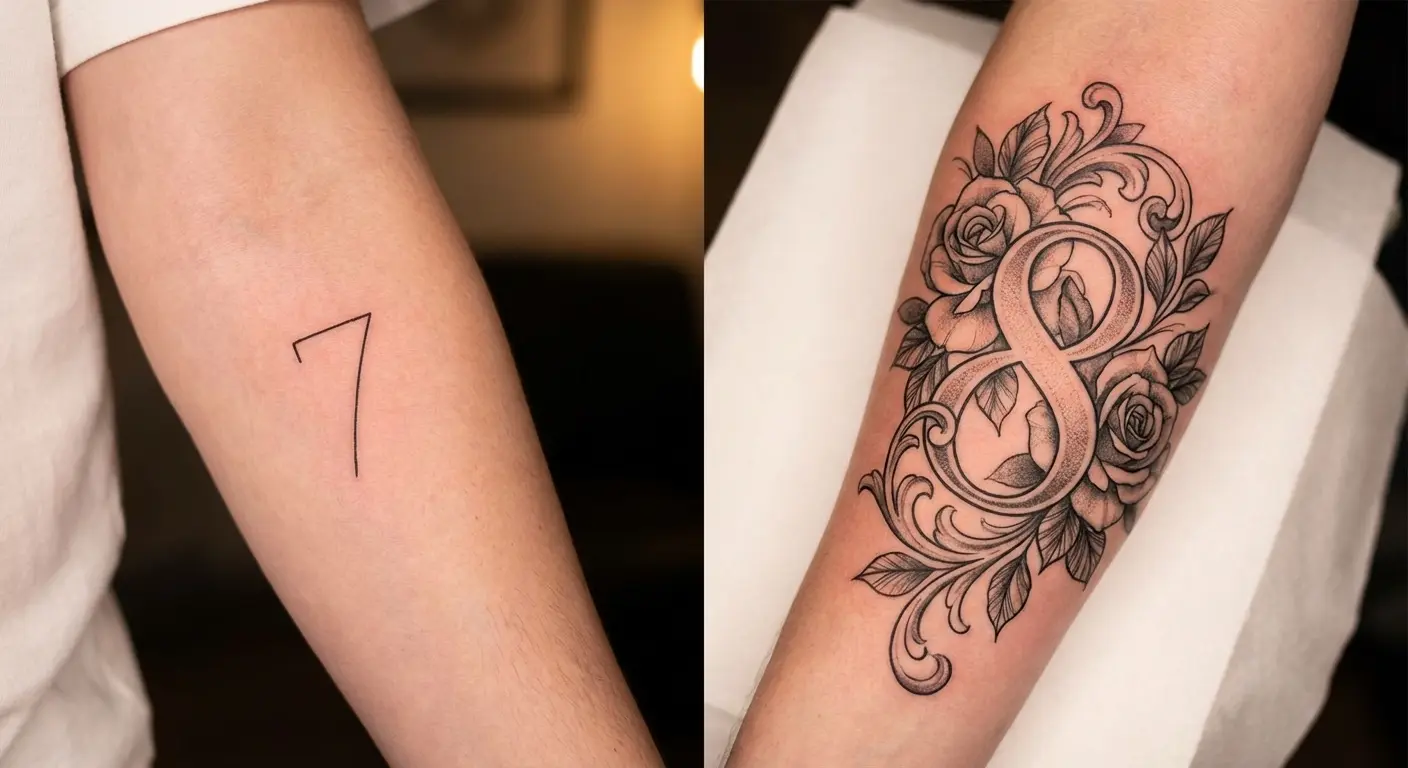
A simple 333 in thin black line work is a whisper. Primarily for you. People might notice it, but it doesn’t demand attention. This works well if you want the accountability function without the social performance aspect.
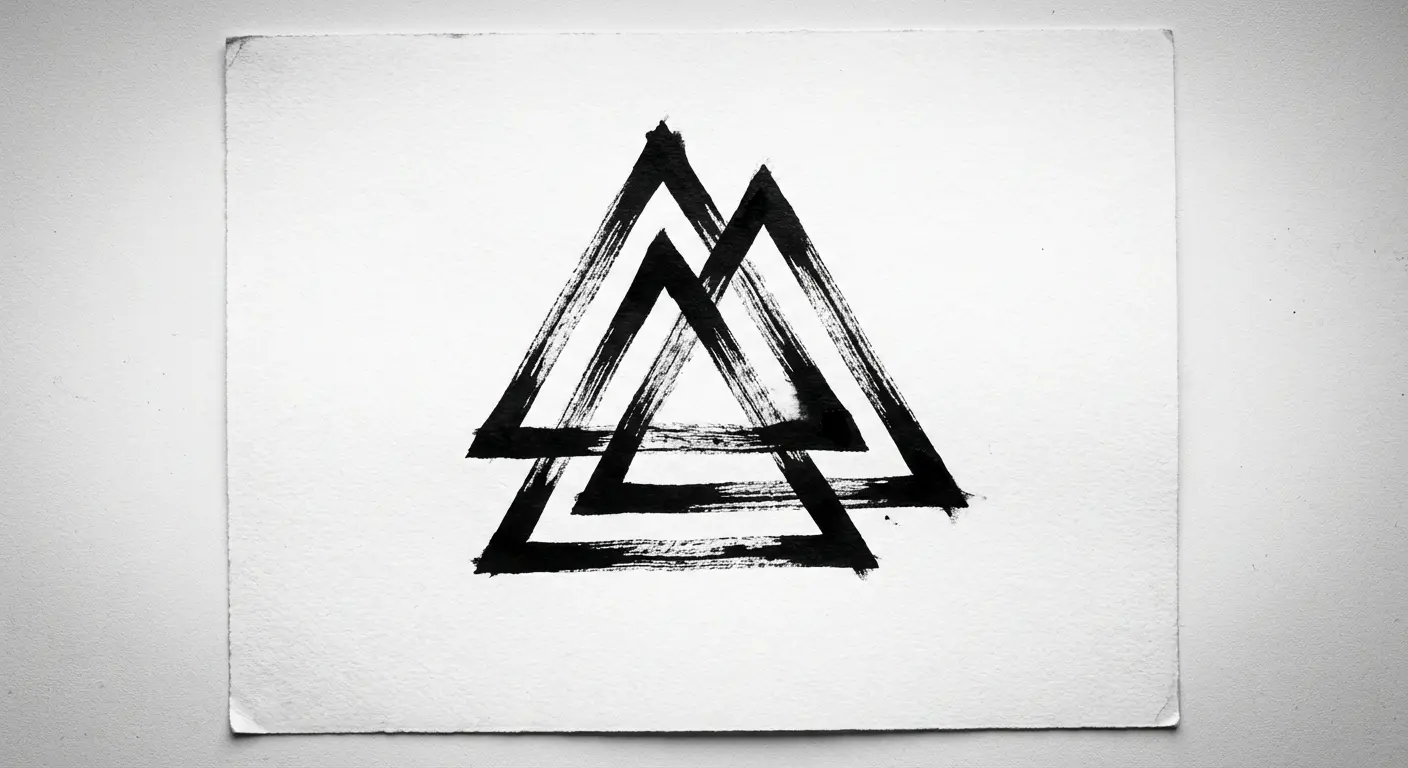
Adding elements (mandalas, triangles, flowers, celestial imagery) turns the tattoo into a statement. It’s no longer just a number. It’s a composition that invites questions and interpretation.
This works if you want your tattoo to open conversations or if the visual artistry matters as much as the symbolic meaning. The 333 tattoo meaning on a woman might incorporate feminine elements like florals or lunar phases that add layers to the core numerical symbolism.
Neither’s better. Just different. You need to know whether you want a private reminder or a public declaration before you finalize your design.
For those seeking delicate aesthetics, exploring fineline tattoo techniques can help achieve the subtle, minimalist 333 design that functions as a personal checkpoint rather than a public statement.
In October 2025, aespa’s Giselle revealed extensive tattoos including a prominent “333” on her back (OSEN), surprising global fans with her bold transformation. When someone with that much public scrutiny gets 333 tattooed somewhere that visible, it’s not just aesthetic. It’s a statement.
Placement as Meaning-Modifier
Where you put it changes everything. Wrist? You’re seeing it constantly. Reminder mode activated. Ribs? That’s between you and your mirror. Different functions entirely.
A 333 on your inner wrist or forearm is constantly in your field of vision. You see it while typing, eating, driving. It becomes impossible to ignore.
Behind your ear or on your ribcage? You only encounter it intentionally, in mirrors or when you’re changing clothes. The frequency of exposure changes how the tattoo works on your psyche.
Visible placements create external accountability too. People ask about it. You have to articulate what it means, which forces you to clarify your own understanding. Hidden placements keep the meaning private, which can feel more authentic if you’re not interested in explaining yourself to strangers.
Your lifestyle matters here. If you work in conservative environments, a visible 333 might create friction you don’t need. If you’re in creative fields or self-employed, visibility might strengthen your commitment to the values the number represents.
Size and Its Psychological Weight
Tiny tattoos are easy to ignore when convenient. They’re there, but they don’t dominate. Larger designs demand attention from both you and others. You can’t pretend you forgot about a 4-inch 333 on your forearm.
Size correlates with commitment intensity. A small tattoo says “this matters to me.” A large one says “this defines me.” Neither is more valid, but they create different relationships with the symbol. You need to assess how central you want this concept to be in your daily consciousness.
What Your Artist Needs to Know Before Inking 333
Font Selection and Legibility Over Time
Numbers seem simple, but they’re technically demanding. Thin, delicate fonts blur faster than you’d think. What looks crisp and elegant fresh might become an indistinct smudge in five years, especially on areas with lots of movement or sun exposure.
Your artist should recommend fonts with adequate line weight and spacing. This isn’t about aesthetics alone. It’s about whether your tattoo will remain readable decades from now.
You want 333 to stay 333, not become three blobs.
Bring reference images, but trust your artist’s technical guidance. They know which designs hold up and which ones they’ll be covering up in a few years. If they suggest modifications to your Pinterest inspiration, listen.
Before you book that appointment, ask your artist:
Will this font turn into a blob in ten years? (Be honest.)
What’s the smallest you’d go before it becomes illegible?
Show me healed photos of similar work you’ve done. Not fresh. Healed.
How does my skin tone affect the visibility of this ink color?
What’s the realistic healing timeline for this location?
And here’s the big one: if this were your body, would you do it exactly like I’m describing, or would you change something?
Trust their answers. They’re covering up bad decisions every day. Learn from other people’s mistakes.

Skin Tone and Ink Color Considerations
Black ink works on all skin tones, but contrast levels vary. Darker skin might need bolder lines or different shading techniques to achieve the same visual impact as lighter skin. Your artist should adjust their approach based on your specific skin tone.
Colored ink (white, red, metallic) behaves differently across skin tones and fades at different rates. White ink on pale skin barely shows. On darker skin it creates striking contrast but yellows over time. Red stays vibrant longer on some people and fades to pink on others.
These aren’t limitations. They’re variables to plan for. Have an honest conversation with your artist about realistic expectations for how your chosen design will look on your specific body, not on the reference photos you found online.
According to tattoo numerology research, people choose to have 555 tattoos inked on their bodies due to its spiritual and numerological significance centered around transformation, good fortune, and new opportunities. This demonstrates how specific number sequences resonate with individuals seeking particular life changes, a pattern that extends to 333’s association with creative expression and alignment.
The Overlooked Connection Between 333 and Creative Blocks
Why This Number Appears When You’re Stuck
You start seeing 333 everywhere when you’re stuck. Not coincidentally. Your brain is searching for patterns and meaning because your current situation feels meaningless or directionless.
You’re in a loop, and some part of you recognizes it.
The number doesn’t cause the stuckness or cure it. It’s a symptom and a signal. You’re noticing it because you need a pattern interrupt, a reason to examine what’s not working. Your subconscious is waving a flag at your conscious mind: pay attention, something needs to change.
Whether you interpret this as angel number 333 guidance or psychological self-awareness, the meaning points to the same need for transformation.
Getting the tattoo can be part of breaking the loop, but only if you’re honest about what needs to change. The tattoo without the internal work just becomes another way to avoid the real issue.
Research on numerology tattoos indicates that numbers like 7 for wisdom, 3 for creativity, or 8 for balance hold deep symbolic value across cultures and belief systems, with many choosing numerology tattoos to reflect birth dates, lucky numbers, or significant life events. This highlights how 333’s triple repetition of the creativity number creates an intensified mandate for creative expression and authentic living.

Using 333 as a Creative Audit Tool
Here’s how to use 333 as a tool rather than just a symbol. When you notice your tattoo (or when you deliberately look at it), run through these checkpoints:
Mind: What am I consuming versus creating intellectually? Am I learning anything new or recycling the same thoughts?
Body: When did I last move in a way that felt good? Am I treating my body like a vehicle I’m stuck with or a partner in my life?
Spirit: What have I expressed today that’s genuinely mine? Where did I default to someone else’s script?
You don’t need perfect answers. You need honest ones. The point is to notice patterns in where you consistently neglect one area. That’s where your creative energy is blocked.
Similar to how phoenix tattoos symbolize transformation and rebirth, 333 tattoos mark the commitment to ongoing creative renewal rather than a single moment of change.
A graphic designer gets 333 tattooed on her wrist after two years of creative burnout. She’s been executing client visions without creating anything personal. Every morning while making coffee, she sees the tattoo and asks herself: “What will I create today that’s mine?”
Some days the answer is “nothing, I’m exhausted.” But on days when she has energy, the question prompts her to spend 20 minutes sketching for herself before opening client files.
Over six months, those 20-minute sessions accumulate into a personal portfolio that eventually lands her dream job. The tattoo didn’t create the portfolio. Her work did. But it created the daily prompt that made the work happen.
The Permission Structure Hidden in Repeating Threes
You already know you should express yourself authentically. You know you should create, communicate, live aligned with your values.
Knowing doesn’t make it happen because there’s always a reason to prioritize something else. Work deadlines. Other people’s needs. The safer, easier path.
Your 333 works as permission you’ve granted yourself. You’ve marked your body with a symbol that says: creativity and alignment are non-negotiable parts of my identity now. When you’re tempted to deprioritize them, the tattoo is physical evidence of a commitment you made to yourself.
This might sound like you’re tricking yourself, and maybe you are. But if the trick works, if it gives you permission to prioritize what matters to you, does it matter that it’s a self-created system?
The evolution of numerology tattoos reflects broader cultural shifts, as tattoo numerology combines spiritual significance with body art, allowing individuals to express personal meanings and life paths through permanent ink. Numbers hold deep symbolic value that serves as a permanent reminder of personal growth, destiny, and universal energies, making 333 particularly powerful as a self-created accountability system.
Bringing Your Vision to Life (Without the Guesswork)
You know you want 333. You understand what it means to you. But translating that understanding into a specific design that you’ll live with forever? That’s where most people get stuck.
You could scroll through thousands of reference images, trying to Frankenstein together elements from different designs. You could attempt to describe your vision to an artist and hope they interpret it the way you’re imagining.
Or you could skip the guesswork entirely.

We built Tattoo Generator IQ specifically for this gap between concept and visualization. You input your ideas (minimalist 333, geometric 333 with sacred geometry elements, 333 integrated with florals, whatever you’re imagining), and our AI generates multiple high-resolution design variations in seconds.
You can adjust colors, styles, and specific elements until you’re looking at exactly what you want on your body.
Your tattoo artist gets a crystal-clear reference that shows precisely what you’re after. You skip weeks of back-and-forth and uncertainty. You move forward with confidence because you’ve already seen your tattoo before it’s permanent.
Final Thoughts
You probably came here looking for a definitive answer about what 333 means.
I don’t have one. Nobody does. The angel number people will tell you one thing. The numerologists another. The sacred geometry crowd something else.
Here’s what I actually know: 333 works when you make it work. When you use it as a daily checkpoint instead of a decoration. When you let it ask uncomfortable questions. When you’re willing to close the gap between who you said you’d be and who you actually are.
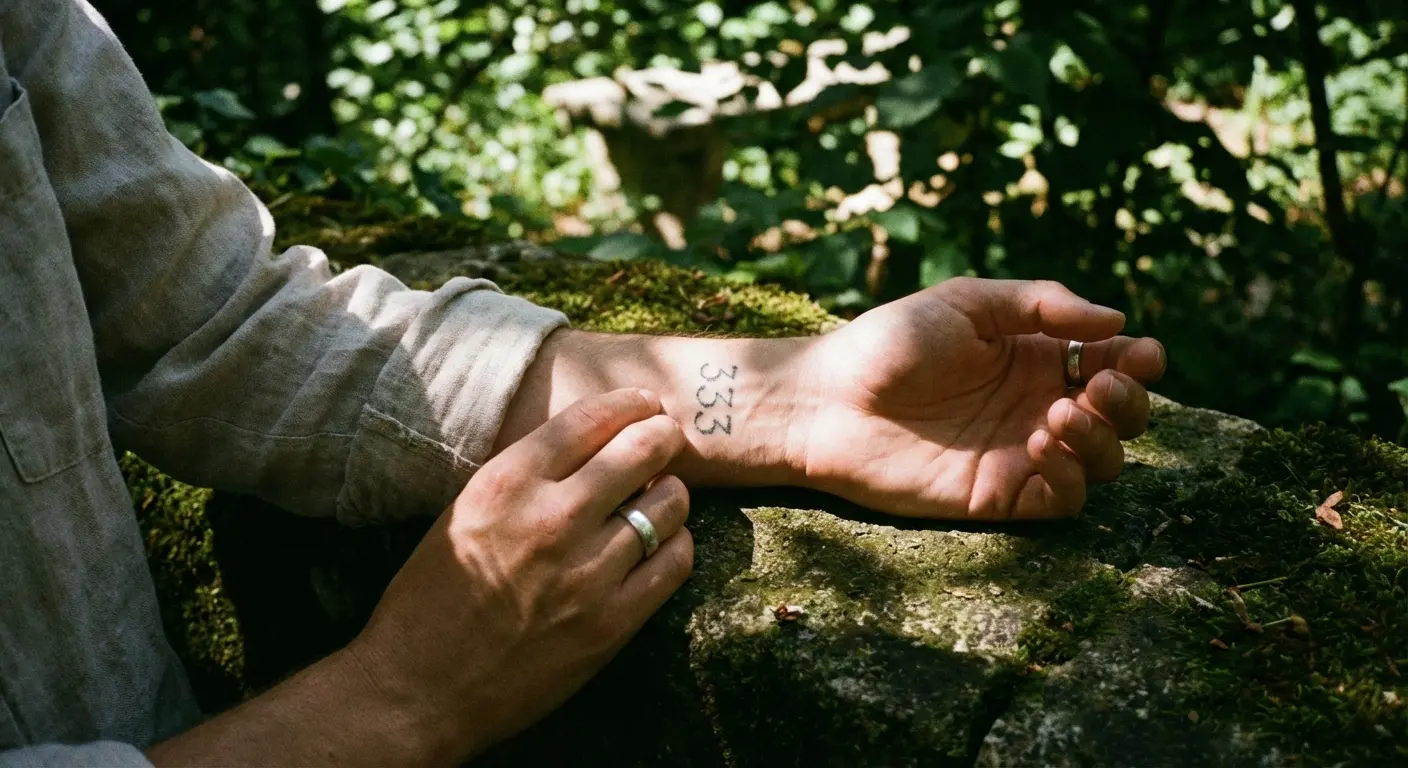
The angel number interpretation, the trinity symbolism, the sacred geometry. All of that’s real. But the real power is simpler: you can’t unsee something that’s on your body. Every day, it asks you the same question. Every day, you either answer honestly or you don’t.
If you’re drawn to 333, figure out why. Not the spiritual explanation you read somewhere. The actual gap in your life that makes this number feel necessary. That gap is where the tattoo does its work.
Get clear on what you’re committing to before the ink is permanent. Then let the number do what it does: remind you, every single day, whether you’re living like you said you would.
And if you’re not? Well. Now you know.
And some days you’ll be bullshitting. That’s fine. The tattoo will still be there tomorrow, asking again.
