19 Cute Tattoo Ideas That Actually Work With Your Personal Style (Not Against It)
Table of Contents
Tiny Tattoos With Real Meaning
1. Single-Line Pet Portraits
2. Micro Birth Flower Stems
3. Constellation Dots (Just the Stars You Need)
4. Miniature Book Spines
5. Heartbeat Line With a Twist
6. Postage Stamp Memories
7. Tiny Teacup and Saucer
Whimsical Designs That Don’t Feel Childish
8. Vintage Mushroom Clusters
9. Moon Phase Arches
10. Stacked Animal Friends
11. Wildflower Pressed Botanicals
12. Celestial Weather (Stars Meeting Rain)
13. Vintage Perfume Bottles
Cute Tattoos You Can Add To Later
14. Modular Charm Bracelet Design
15. Seasonal Branch (Changes You Can Add Later)
16. Coordinating Set Across Multiple Placements
17. Frame Design (Fill It In Over Time)
18. Ribbon That Wraps Around Natural Curves
19. Scattered Elements You Can Expand
TL;DR
-
Cute doesn’t mean sacrificing sophistication or actual meaning
-
Tiny tattoos work best when they’re designed with deliberate negative space and clean lines
-
Whimsical designs look grown-up through vintage styling, muted colors, and botanical accuracy
-
The smartest cute tattoos are designed so you can add to them later
-
Placement matters way more for small designs than big ones (think about how your body moves)
-
Single-line work requires experienced artists who actually understand minimalist technique
-
Modular tattoo concepts let you commit to the aesthetic without committing to a final design
-
High-resolution reference images make the difference between a cute idea and a cute result
Tiny Tattoos With Real Meaning
Okay, tiny tattoos first. This is where I see most people mess up.
You want something adorable, sure, but you also need it to still look like something in ten years when your skin changes. The designs here solve that problem by focusing on deliberate simplicity instead of cramming detail into impossible spaces. Each one stays readable at under two inches while carrying genuine personal weight. These are the tattoos that make people lean in to hear the story, not squint to figure out what the hell it is.
Look, tiny tattoos are having a moment. Contemporary jewelry brand Astrid & Miyu saw their fine-line bookings jump 35% from 2023 to 2024, with small designs like hearts, lightning bolts, and simple flowers turning out to be the most popular. Studios everywhere are seeing this trend.

First tattoo? These tiny designs are perfect starting points. Check out our first tattoo ideas guide if you want more hand-holding.
Where do tiny tattoos work best?
-
Fingers, ankles, behind ear: Single-line stuff. These age like fine wine because there’s minimal detail to blur. Size: 0.5-1.5 inches.
-
Inner wrist, collarbone, side of finger: Micro florals, but keep those petals simple or you’ll regret it in 10 years. Size: 1-2 inches.
-
Inner arm, ribcage, back of neck: Constellations. Dots basically last forever. Size: 1-3 inches.
-
Outer forearm, ankle, top of foot: Miniature objects with clear shapes and boundaries hold up great. Size: 1-2 inches.
-
Wrist, collarbone, behind ear: Symbol plus line combos. Clean geometric elements age well. Size: 1.5-2.5 inches.
1. Single-Line Pet Portraits
Forget those hyperrealistic pet portraits that turn into blurry messes after five years.
Single-line drawings capture what makes your pet your pet through continuous flowing lines that form their silhouette and key features. Why does this work? Because it prioritizes recognizable shapes (the curve of a specific ear, the angle of a tail) over photographic detail that’ll blur. You need an artist who understands weight distribution in line work, since varying thickness creates depth without adding color or shading.
This style holds up beautifully on fingers, ankles, or behind the ear. The minimal approach makes it more emotionally resonant, not less.
The micro-realism pet portrait boom has been phenomenal according to tattoo artists, with incredible work from artists in Asia having a major influence on Western tattoo culture. Artists like Ellyn Yeseong Song and Linsey Lee from Korea specialize in hyperrealistic, small-scale styles that have completely transformed how people approach pet memorial tattoos.
2. Micro Birth Flower Stems
Birth flowers get dismissed as basic, but that’s usually because they’re executed as full bouquets crammed with every petal and leaf.
Strip your birth flower down to a single stem. Maybe two blooms max. A few leaves. That’s it.
Here’s what actually matters: botanical accuracy in the overall shape while simplifying internal details. A tiny violet stem works way better than a peony for this approach (some flowers just have simpler structures). Placement on the side of the finger, inner wrist, or behind the collarbone lets the vertical line follow your body’s natural geometry.
This proves that restraint communicates more than excess.
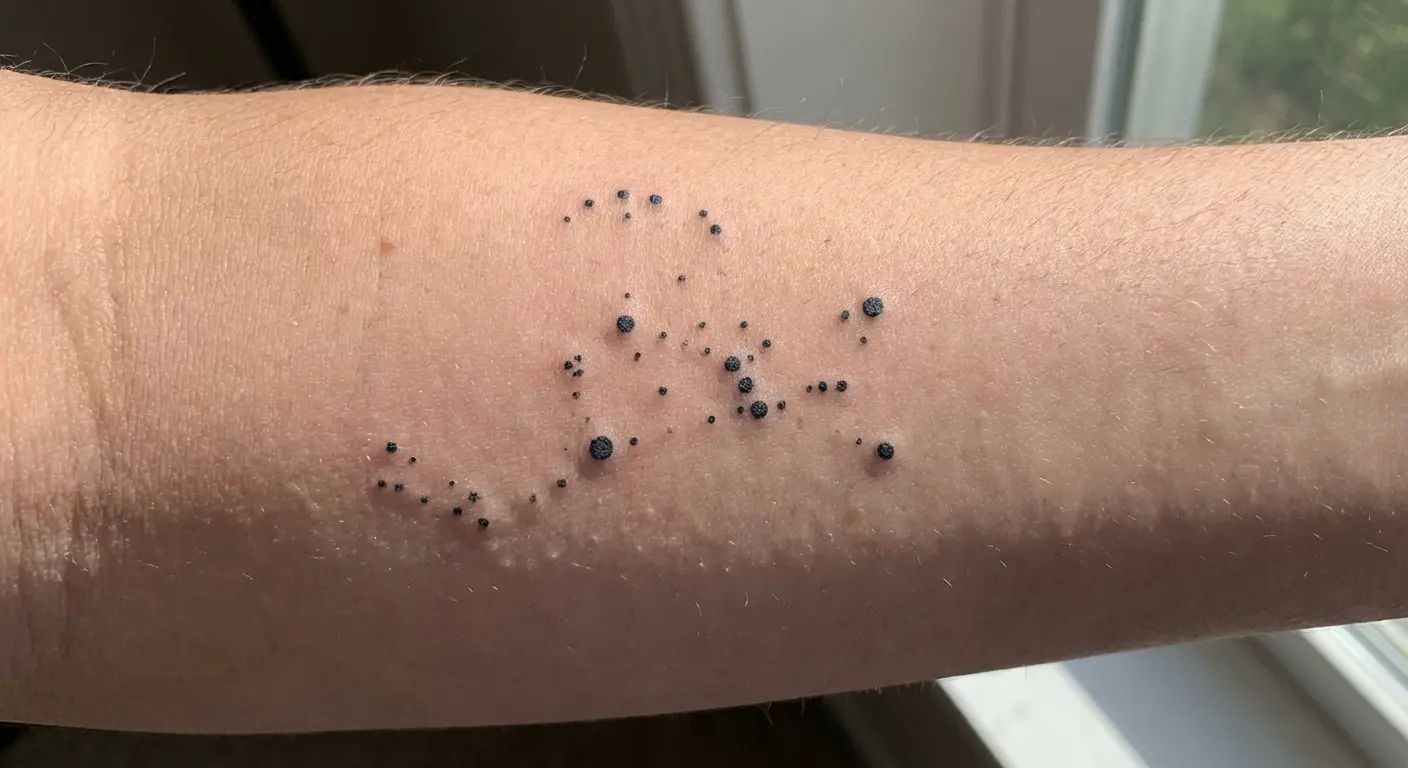
3. Constellation Dots (Just the Stars You Need)
Most constellation tattoos include way too many stars, connection lines, or decorative elements that muddy the whole thing.
Your constellation doesn’t need all 15 stars when the five brightest ones create the recognizable shape. We’re talking about dot work so precise that each point needs perfect placement, which means this isn’t a design you can trust to just anyone. The dots should vary slightly in size to indicate star magnitude. Skip the connecting lines entirely. Your eye will connect them naturally.
Inner arm, side of the ribcage, or even as a subtle piece on the back of neck. You get astronomical meaning without the visual clutter.
4. Miniature Book Spines
Book lovers tend to go for open books, reading quotes, or library scenes, but a stack of three tiny book spines offers something more subtle and expandable.
Each spine can represent a book that changed your perspective, with the title visible in micro-lettering that only you (and people very close to you) can read. Books naturally stack, creating a compact rectangular composition that fits beautifully on the outer forearm or ankle. Color blocking on the spines adds visual interest without requiring shading that might blur over time.
You can always add another book to the stack later if another title earns its place.
5. Heartbeat Line With a Twist
Heartbeat monitor lines have been done to death, but adding a tiny symbolic element at the peak of the wave transforms it from generic to genuinely personal.
That peak could be a small mountain (representing a climb that changed you), a musical note (for the song that matters), or even a tiny paw print (for the pet that saved you). The heartbeat line itself should be delicate and not too long. Maybe spanning three to four inches maximum on the wrist or collarbone.
This approach lets you participate in a recognizable trend while making it unmistakably yours. Just make sure that peak element is simple enough to render clearly at small scale.
6. Postage Stamp Memories
Vintage postage stamps have built-in frames, which makes them perfect for tiny tattoos that need visual boundaries.
You can design a custom stamp featuring coordinates of a meaningful place, a simplified skyline, or even a tiny portrait, all contained within that classic perforated edge. The rectangular shape works with your body’s geometry rather than against it. The stamp concept gives you permission to keep the internal image super simple (real stamps aren’t detailed either).
This design shines on the inner wrist, side of the calf, or even the top of the foot. The frame does the heavy lifting visually, so the image inside can be minimal and still feel complete.
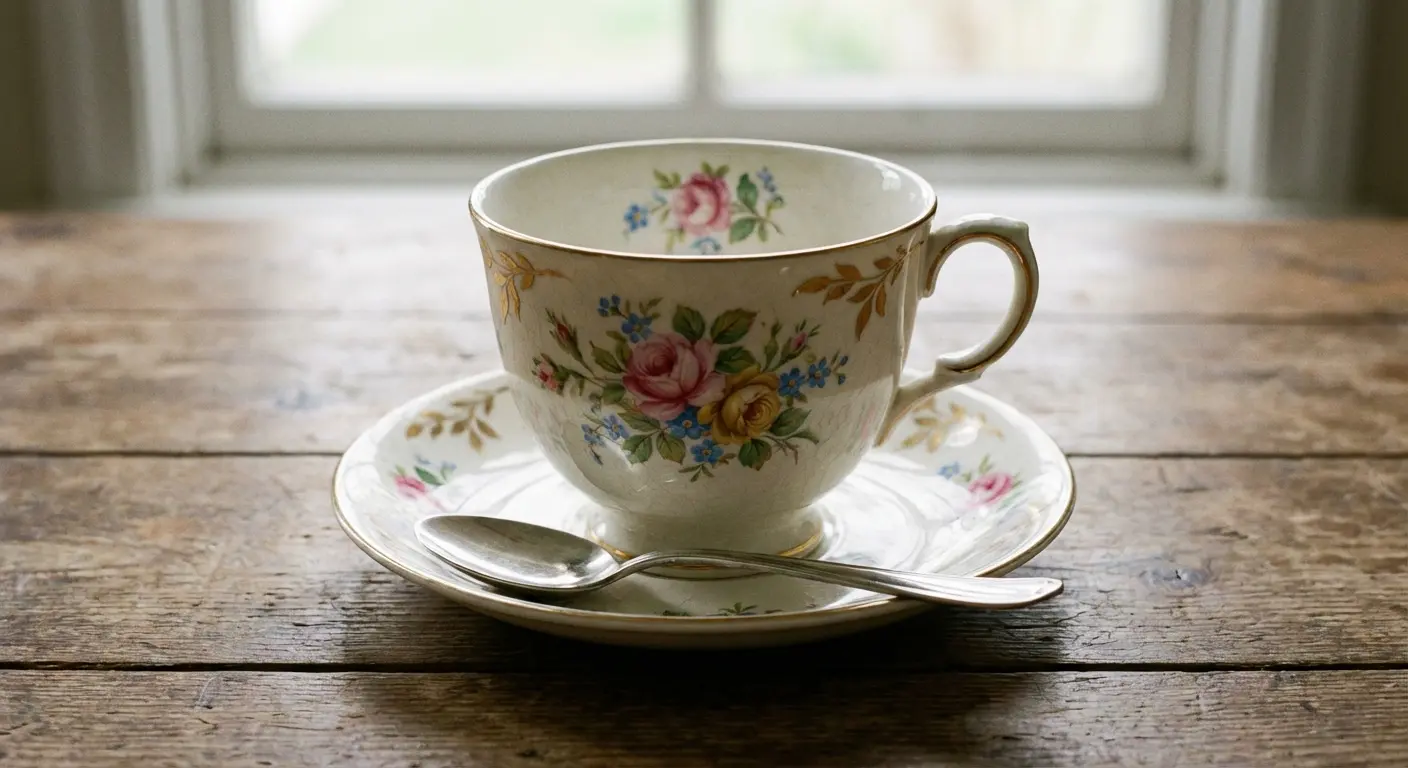
7. Tiny Teacup and Saucer
There’s something inherently charming about a delicate teacup, especially when rendered in fine-line style with minimal shading.
What makes this work: choosing a cup with a distinctive shape. Vintage teacups have more personality than modern ones. Keep the design to just the cup and saucer without adding steam, tea bags, or other elements that complicate the composition. A tiny floral pattern on the cup itself adds detail that rewards close inspection without overwhelming the design.
Beautiful on the ankle, behind the ear, or on the inner wrist. The design reads as sophisticated rather than cutesy because of the vintage styling and restrained execution.
Whimsical Designs That Don’t Feel Childish
Whimsy gets a bad reputation in tattoo circles because it’s often executed with cartoon styling or overly bright colors that don’t age into adulthood gracefully.
The designs in this section prove you can have playful, imaginative cute tattoos that mature with you. The secret? Vintage illustration techniques, muted or monochromatic palettes, and subjects pulled from nature or history rather than pop culture. These tattoos spark joy without making you worry about whether you’ll still connect with them in a decade.
They’re cute in the way that a thoughtfully arranged antique shop is cute, not in the way that a kindergarten classroom is cute.
The delicate execution required for these whimsical pieces demands precision. We wrote a whole guide on fineline tattoo technique if you want to nerd out on what separates amateur attempts from professional results.
What makes whimsical tattoos look grown-up instead of kiddie?
Colors: Skip the bright cartoon primaries. Go muted, earthy, or just black. Think vintage book illustrations, not Saturday morning cartoons.
Lines: Vary your line weight. Thick outlines everywhere equals coloring book. Fine details and cross-hatching equals actual art.
Subject matter: Pull from nature and history, not pop culture. Victorian field guides, not Disney characters.
Details: Botanical accuracy matters. Study-level detail, not simplified shapes.
Style: Reference antique engravings and museum specimens, not animation.
8. Vintage Mushroom Clusters
Everyone’s getting mushroom tattoos right now. Your yoga instructor has one. Your barista has one. Your mom is probably considering one.
But hear me out.
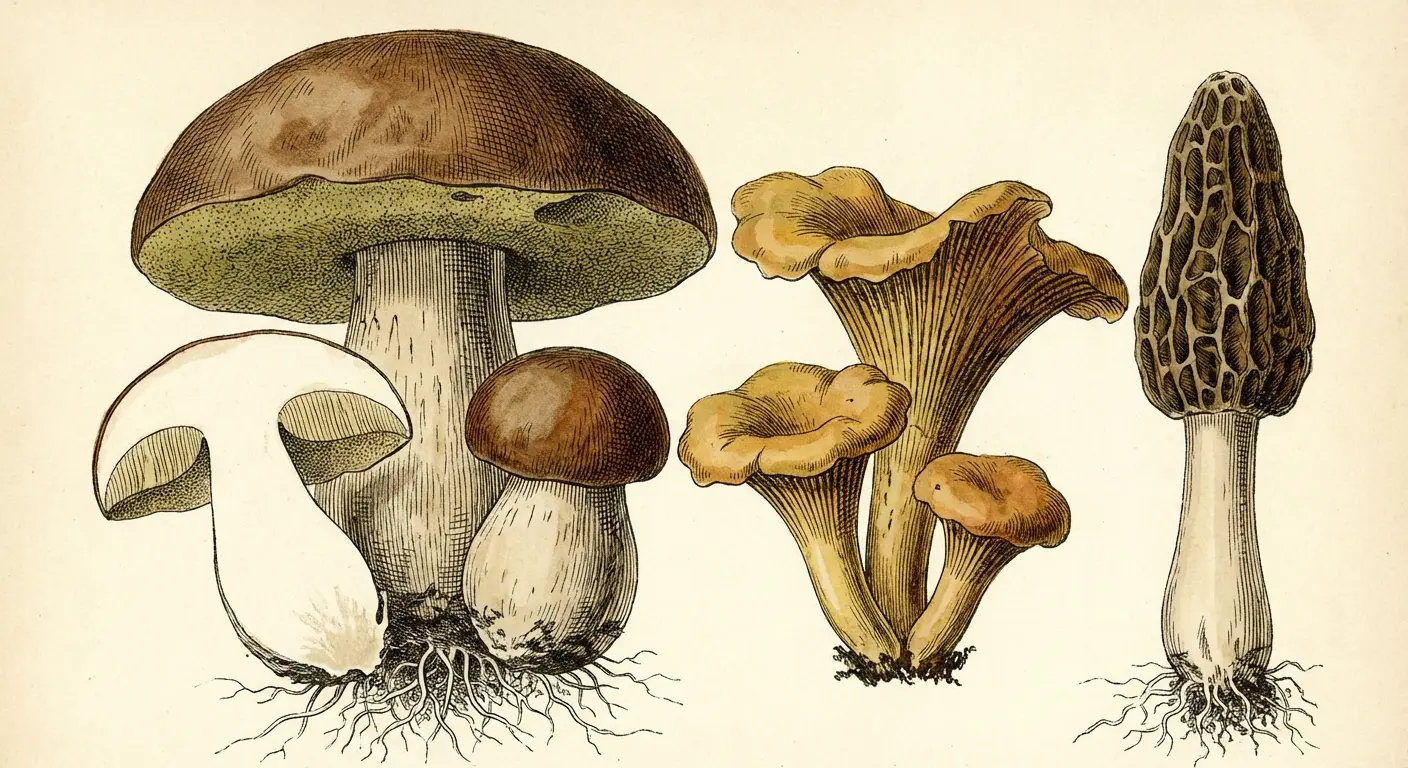
Vintage botanical illustration style transforms mushrooms into something that feels collected and studied rather than whimsical for whimsy’s sake. You want the kind of mushroom drawings you’d find in a 1920s field guide, complete with subtle cross-hatching for texture and maybe a Latin name in tiny script below. Clustering three different mushroom varieties creates visual interest while maintaining a unified composition.
Outer forearm, thigh, or shoulder blade. The vintage scientific approach gives it staying power beyond current trends.
9. Moon Phase Arches
Moon phases are everywhere right now, but arranging them in an arch rather than a straight line completely changes the visual dynamic.
The arch can curve along your shoulder, wrap around your ribcage, or follow the natural line of your hip. You’re working with the same elements (new moon through full moon and back) but the curved arrangement feels more deliberate and less repetitive. Keep the moons themselves simple. Maybe subtle crater detail on the full moon only. Resist the urge to add stars, clouds, or other decorative elements.
The negative space between each phase is part of the design, not something that needs filling.
10. Stacked Animal Friends
Animal stacking translates beautifully into tattoo form when you choose animals that mean something to you rather than just picking the cutest options.
Maybe it’s the three animals that represent your family members. I know someone who stacked a bear (her dad), a fox (her sister), and a rabbit (herself). Another person did a lion, elephant, and owl for courage, memory, and wisdom. You get the idea.
Here’s the thing: keep each animal simple and stylized rather than realistic, with clean outlines and minimal internal detail. This vertical composition works perfectly on the outer arm, shin, or even the spine. The playful concept is grounded by your deliberate animal choices and balanced composition.
11. Wildflower Pressed Botanicals
Pressed flower aesthetics bring a collected, preserved quality that elevates standard floral tattoos into something more thoughtful.
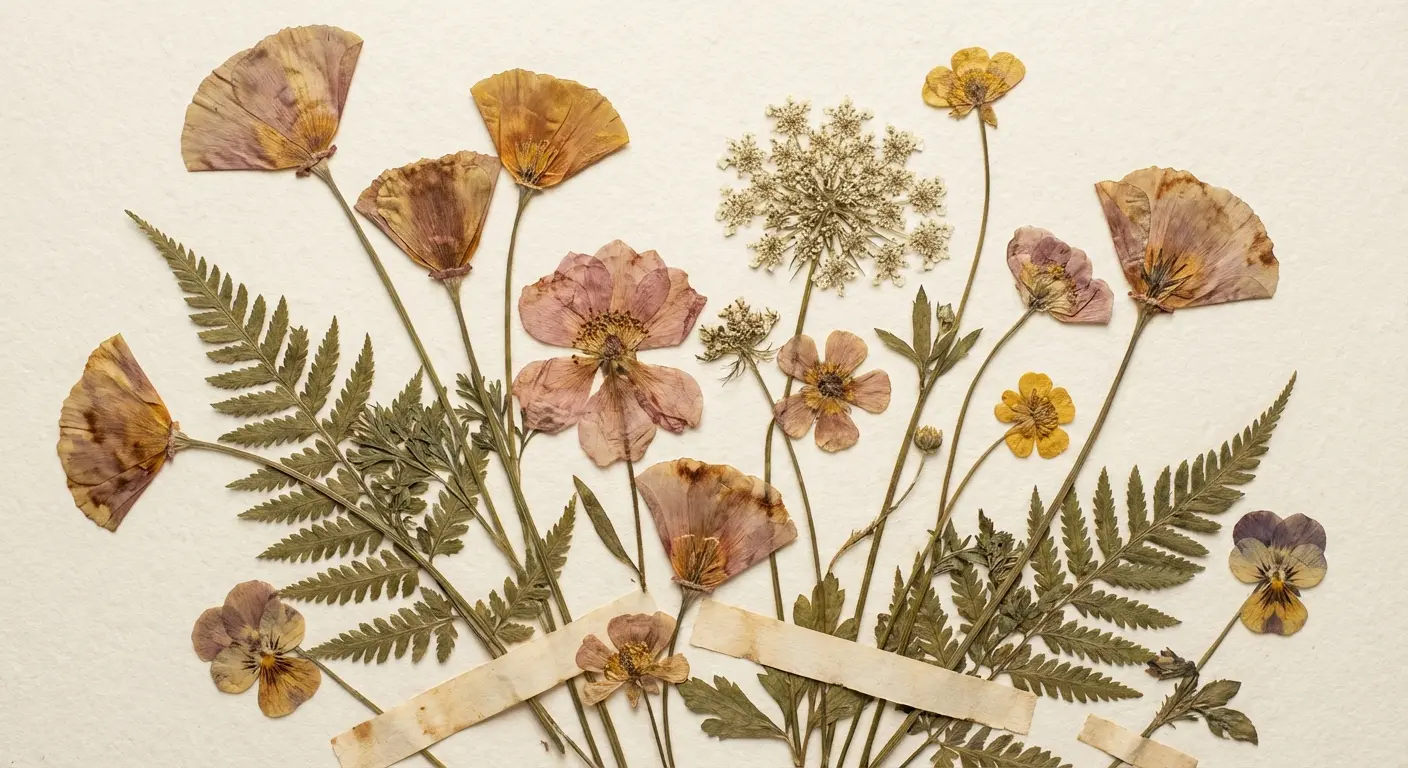
You want flowers that look like they’ve been carefully pressed in a book, slightly flattened with delicate stems and leaves arranged just so. The color palette should be muted. Think of how flowers fade when pressed, with maybe some brown tones where the edges would naturally darken. Choosing wildflowers rather than cultivated varieties adds to the found-object quality.
Stunning on the forearm, ribcage, or thigh. The pressed aesthetic actually improves as the tattoo ages and the colors naturally soften.
Floral tattoos continue to dominate trends, with tattoo artist Annie Motel noting that the symbolism behind a flower can create good feelings, be a conduit of strength, or act as a lucky charm according to Allure’s 2025 tattoo trend report. The meaning is known only to the person wearing the tattoo, which makes botanical designs particularly personal despite their popularity.
We’ve got a whole guide on flower tattoo options if you want to go deeper on botanical possibilities.
12. Celestial Weather (Stars Meeting Rain)
Combining celestial elements with weather patterns creates visual interest that’s both whimsical and grounded in natural phenomena.
Picture delicate rain falling from a crescent moon, or stars scattered among soft clouds. What makes this effective: keeping the elements simple and not overcrowding the composition. Fine-line work makes this design feel ethereal rather than heavy. Limiting your color palette (maybe just black ink with one accent color) keeps it sophisticated.
This concept adapts well to different placements, from a vertical design down the spine to a horizontal piece across the collarbone. The combination of sky elements feels unified because they naturally exist in the same space.
13. Vintage Perfume Bottles
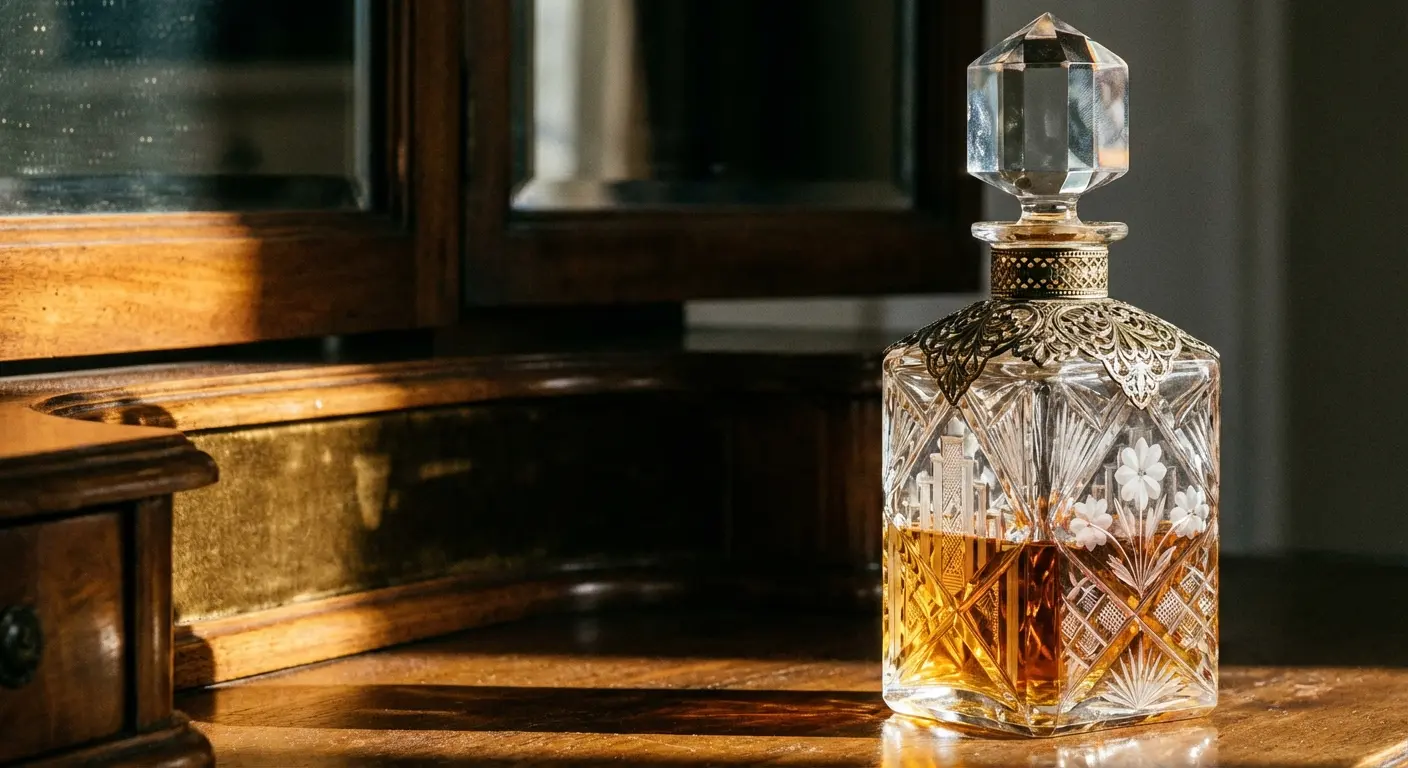
Antique perfume bottles have incredible shapes that make for distinctive tattoo designs, especially when rendered in fine-line style with minimal shading.
You can choose a bottle shape that reminds you of someone specific (maybe your grandmother’s signature scent) or just select a design with beautiful geometry. Adding a tiny label with initials or a date personalizes it without cluttering the design. The vertical nature of perfume bottles makes them ideal for placement on the outer forearm, behind the ear, or along the side of the ribcage.
This design reads as collected and deliberate rather than generically cute, and the vintage styling ensures it won’t feel dated as trends shift.
Cute Tattoos You Can Add To Later
The smartest cute tattoo ideas are the ones designed with future expansion in mind.
You’re not committing to a sleeve right now, but you’re also not closing the door on that possibility. These designs work beautifully as standalone pieces while offering natural opportunities to add complementary elements later. This approach is perfect if you’re newer to tattoos and want to test your commitment to a particular aesthetic, or if you’re strategic about building a collection over time.
Each design in this section is complete as-is but structured to welcome additions without requiring cover-ups or awkward transitions.
14. Modular Charm Bracelet Design
Instead of getting a full bracelet tattoo around your wrist or ankle all at once, start with the chain and one meaningful charm.
The chain itself should be delicate but clearly defined, wrapping about three-quarters of the way around to leave room for natural expansion. Each charm you add later can represent a milestone, person, or experience. Because charms naturally vary in size and shape, the composition never looks forced or overly symmetrical. Best spots: wrist or ankle where the circular placement makes sense. The modular nature means you can space out additions over years without the piece ever looking incomplete.
15. Seasonal Branch (Changes You Can Add Later)
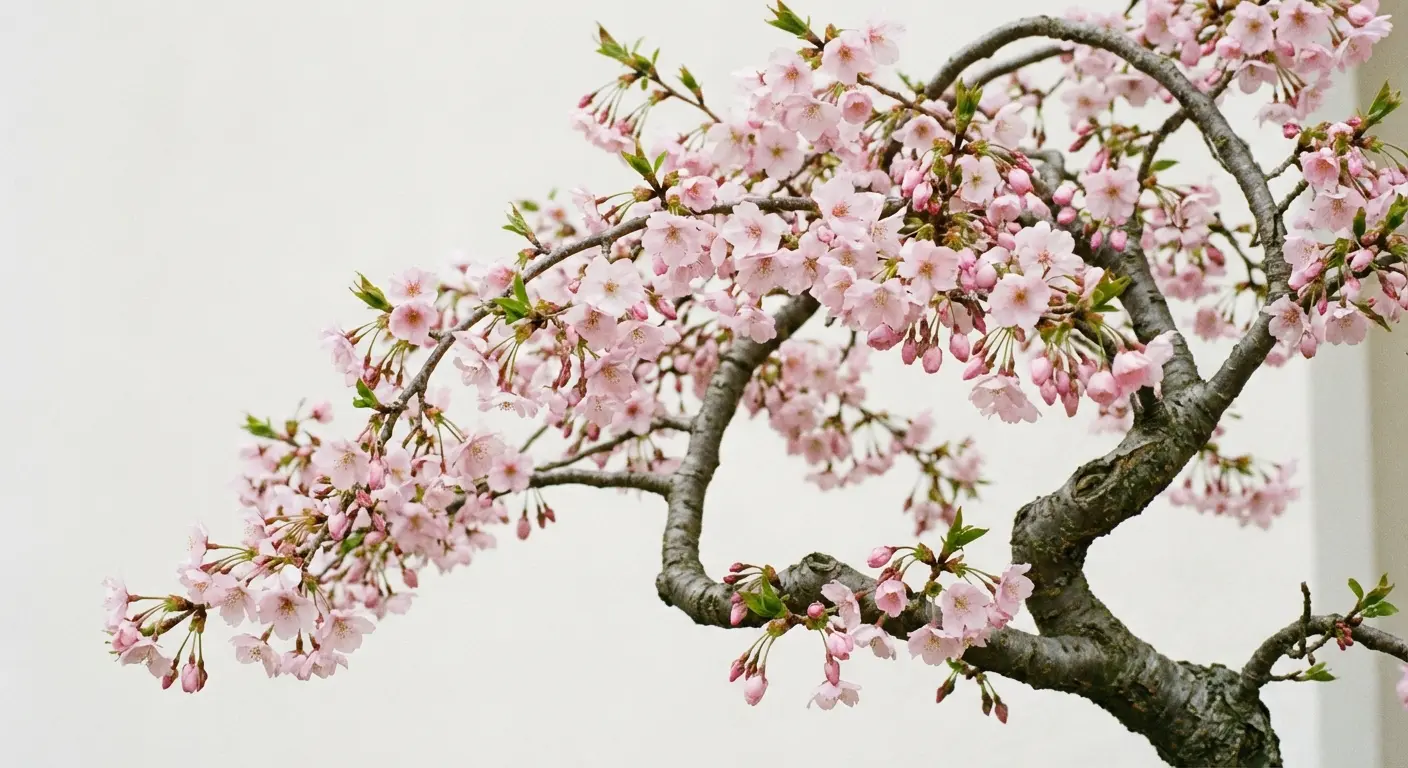
A simple branch with a few leaves or blossoms works perfectly on its own, but it’s also designed to accept seasonal additions over time.
You might start with spring blossoms and later add summer fruits, autumn leaves, or winter snow along the same branch structure. The original branch needs to be positioned and sized with future additions in mind, which means working with your artist on the overall composition even if you’re only inking part of it initially.
Beautiful as a forearm piece or along the ribcage where you have length to work with. The seasonal concept gives you a built-in reason to expand without it feeling like you couldn’t commit to a complete design initially.
16. Coordinating Set Across Multiple Placements
Designing two or three small coordinating tattoos that work together thematically but live in different placements gives you flexibility in how and when you complete the set.
Maybe it’s a sun on one wrist and moon on the other, or three small symbols that represent past, present, and future placed on different parts of your arm. Each piece should be strong enough to stand alone (in case you decide not to complete the set) but clearly related in style and concept.
This approach lets you test your pain tolerance in different areas, spread the cost over time, and build your collection strategically. The coordination comes from consistent line weight, similar sizing, and unified subject matter rather than forcing the pieces to mirror each other exactly.
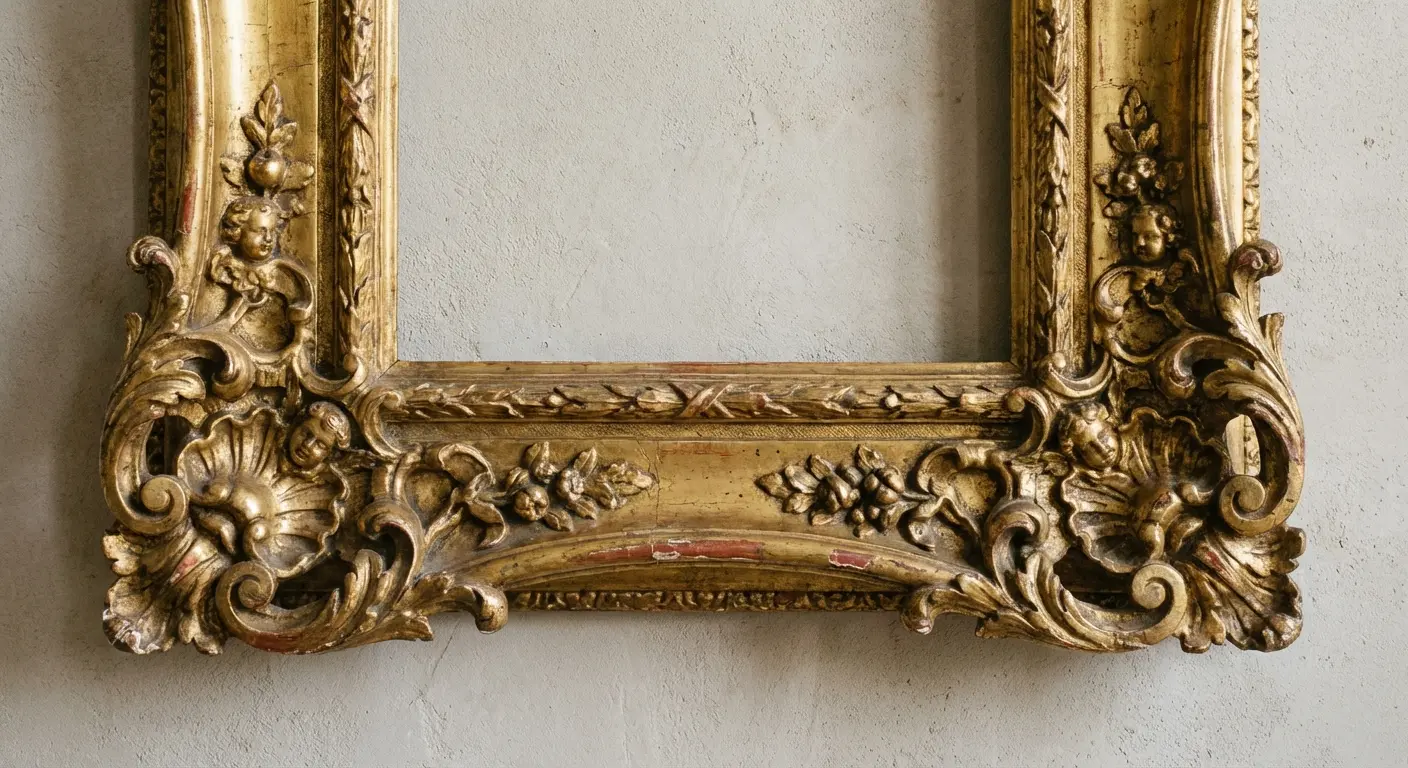
17. Frame Design (Fill It In Over Time)
Starting with an ornate frame (think vintage picture frame or decorative border) gives you a defined space you can fill later or leave empty as a statement about potential and possibility.
The frame itself needs enough detail to be visually interesting on its own, with corners that have decorative elements and sides that complement your body’s natural lines. You might eventually fill it with a portrait, landscape, or symbolic image. Or you might decide the empty frame says everything you need it to say.
Works particularly well on the upper arm, thigh, or back where you have enough space for a frame with presence. The concept is inherently versatile because it commits to structure while leaving content open.
18. Ribbon That Wraps Around Natural Curves
A delicate ribbon design that follows your body’s natural curves (around the bicep, thigh, or ribcage) can start as a simple bow and expand to include the ribbon tails extending further around your body.
The initial bow should be positioned where it looks complete on its own, with the ribbon tails implied rather than required. When you’re ready to expand, the tails can wrap further around, maybe incorporating small elements tied to the ribbon or text that flows along its length.
This design is inherently flattering because it’s working with your body’s geometry. The ribbon concept gives you endless expansion options without requiring a predetermined endpoint.
19. Scattered Elements You Can Expand
Starting with three to five small related elements (tiny stars, scattered flowers, small birds) positioned with deliberate spacing gives you a constellation effect you can add to over time.
Here’s what matters: working with your artist to plan the overall composition even if you’re only inking part of it initially, ensuring the spacing and flow will still work when you add more elements. Each element should be small enough that adding more doesn’t create visual overwhelm. The subject matter should be something you can genuinely see yourself expanding. Don’t choose butterflies if you’re not sure you want 15 butterflies eventually.
This approach works anywhere on the body but shines on larger canvases (the back, thigh, or full arm) where you have room to build over time.
Whether you’re adding stars or other celestial elements, our guide to star tattoo designs explores the symbolism and styling options that keep scattered designs unified as they grow.
Translating Your Vision Into Reality
You’ve found the perfect cute tattoo idea, but describing exactly what you want (delicate but not too delicate, cute but sophisticated, small but still meaningful) feels impossible when you’re working with words alone.
Real talk: explaining your tattoo idea to an artist is awkward as hell. You end up saying stuff like “make it vintage but not too vintage” and everyone’s confused.
That’s why we made Tattoo Generator IQ. You describe what you want in normal human words, pick a style, and get actual design options you can show your artist. No more awkward hand gestures or Pinterest screenshots that aren’t quite right.
Try it here and see if it helps. Worst case, you get some ideas. Best case, you walk into your consultation with exactly what you want already visualized.
Real Talk Before You Book
Look, cute tattoos are real tattoos. They deserve the same thought, the same good artist, the same deliberate placement as anything else you’d put on your body permanently.
Don’t let anyone make you feel like wanting something adorable is somehow less valid than wanting something dark or traditional or whatever. Your tiny teacup can mean just as much as someone’s full sleeve. Size doesn’t determine significance.
The best cute tattoos are the ones that make you smile every time you catch a glimpse of them, not because they’re trying too hard to be adorable, but because they capture something genuine about who you are or what matters to you. Whether you’re starting with a single minimalist piece or planning a modular design you’ll build over years, the goal stays constant: ink that feels authentically you, regardless of how others categorize it.
Here’s what you actually need to remember:
Take your time choosing the right artist. Someone who understands fine-line work and negative space if you’re going tiny, or someone with botanical illustration experience if you’re leaning into those vintage nature designs. Bring clear reference images to your consultation. Trust your instincts about placement and sizing.
Nervous? Normal. It’s permanent ink. That’s a reasonable thing to be nervous about. If you’re second-guessing, wait. The design will still exist next month.
Before your consultation:
-
Save 10+ reference images (not just one)
-
Know your budget and say it upfront
-
Have 2-3 placement options in mind
-
Wear clothes that expose the area
-
Bring questions written down (you’ll forget otherwise)
-
Be ready to hear “that won’t work” and why
What tattoo artists won’t always tell you:
-
Smaller doesn’t mean cheaper (you’re paying for precision)
-
Your “simple” design might be technically harder than a big piece
-
Not every artist can do fine-line work well, even if they say they can
-
Touch-ups are normal, not a sign of bad work
-
Placement matters more than you think
Pain reality check:
Behind the ear looks cute but hurts more than you’d think (lots of nerve endings, thin skin). Ribcage tattoos are beautiful and also excruciating. Fingers are the worst. Everyone says so. Everyone’s right. The ankle is manageable. Your mileage may vary.
Timeline expectations:
Good artists book months out. Start looking early. Consultation to appointment might be 2-6 months depending on the artist. The actual tattoo for tiny ones? Usually 30 minutes to 2 hours depending on detail. Most artists require a deposit (usually $50-100) that goes toward your final price. Deposits are non-refundable if you cancel.
Just do it right. Find an artist who gets fine-line work. Bring good references. Think about placement. And for the love of god, don’t let them talk you into adding more detail than the design needs.
You’ll be fine.
