18 Flower Tattoo Ideas That Go Beyond the Obvious (And Actually Mean Something)
Table of Contents
-
Flowers That Challenge Gender Norms
-
Thistle: The Underdog of Protective Blooms
-
Protea: Bold Structure Over Delicate Petals
-
King Protea: Regal Without Being Precious
-
Amaranth: Immortality Without the Rose Cliché
-
Carnation: Reclaiming the Forgotten Flower
-
-
Blooms That Tell Stories of Resilience
-
Dandelion (Going to Seed): Transformation in Real Time
-
Poppy (California Variant): West Coast Grit
-
Desert Marigold: Beauty in Harsh Conditions
-
Yarrow: The Warrior’s Wound Healer
-
Fireweed: First to Bloom After Destruction
-
-
Flowers With Dark Histories Worth Exploring
-
Belladonna: Beautiful Poison as Personal Boundary
-
Oleander: Deadly but Unapologetic
-
Wolfsbane: Protection Through Fear
-
Hemlock: Socratic Defiance in Bloom Form
-
-
Culturally Specific Flowers That Aren’t Cherry Blossoms
-
Marigold (Cempasúchil): Day of the Day of the Dead Authenticity
-
Hibiscus (Hawaiian Context): Island Identity Beyond Tourism
-
Edelweiss: Alpine Courage Over Mountain Aesthetics
-
Flannel Flower: Australian Native That Deserves Recognition
-
-
Final Thoughts
TL;DR
Most flower tattoo guides keep pushing roses, lotuses, and cherry blossoms. Meanwhile, there are flowers with way more interesting stories sitting right there.
Thistle, protea, yarrow… these carry meanings about protection, resilience, and healing without looking like every third person at the coffee shop.
The dark flowers (belladonna, oleander, wolfsbane) let you set boundaries in a way that’s more interesting than the usual “dark feminine” aesthetic.
Culturally specific blooms? Only get them if you have actual ties to their origins. Aesthetic appreciation alone isn’t enough.
Structure and texture matter way more than whatever color is trending on Instagram right now.
I’m so tired of seeing the same flower tattoos.
Not because they’re bad. Roses, lilies, and peonies are the most requested blooms for a reason, and a well-done lotus is genuinely beautiful. But scroll through any tattoo hashtag and it’s the same dozen flowers on repeat. Watercolor roses. Mandala lotuses. Cherry blossoms that look like they came from the same stencil.
My friend Jess, who’s been tattooing for eight years, says she did the same peony placement four times in one week last month. Same spot on the ribs. Same color palette. Same client energy of “I want something meaningful but not too different.”
This list is for people who want different.
Not contrarian-for-the-sake-of-it different, but flowers that actually match who you are instead of who Instagram thinks you should be. These have spikes, weird structures, and histories that don’t fit into the “delicate and feminine” box most people default to when thinking about floral ink. Some survive in conditions that would kill a rose garden. Others are poisonous enough to be weapons. A few carry cultural weight that demands you actually think about what you’re putting on your body.
Look, you can still get a rose. Nobody’s stopping you. But when did beautiful become synonymous with forgettable?
Flowers That Challenge Gender Norms
Let’s start with flowers that could actually hurt you.
Not metaphorically. Not in a “roses have thorns” poetic way. Flowers with spikes, geometric edges, and zero interest in being pretty for you. These work great for people who want botanical tattoos but feel disconnected from the pastel watercolor aesthetic that dominates most flower tattoo ideas.
The flowers here prove that floral doesn’t automatically mean delicate. They offer visual interest through texture and form rather than color alone, and they age well because their structure is built into the design.
1. Thistle: The Underdog of Protective Blooms
Scotland’s national flower exists because a Norse invader stepped on one barefoot and screamed, alerting the Scots to the attack.
That’s the vibe.
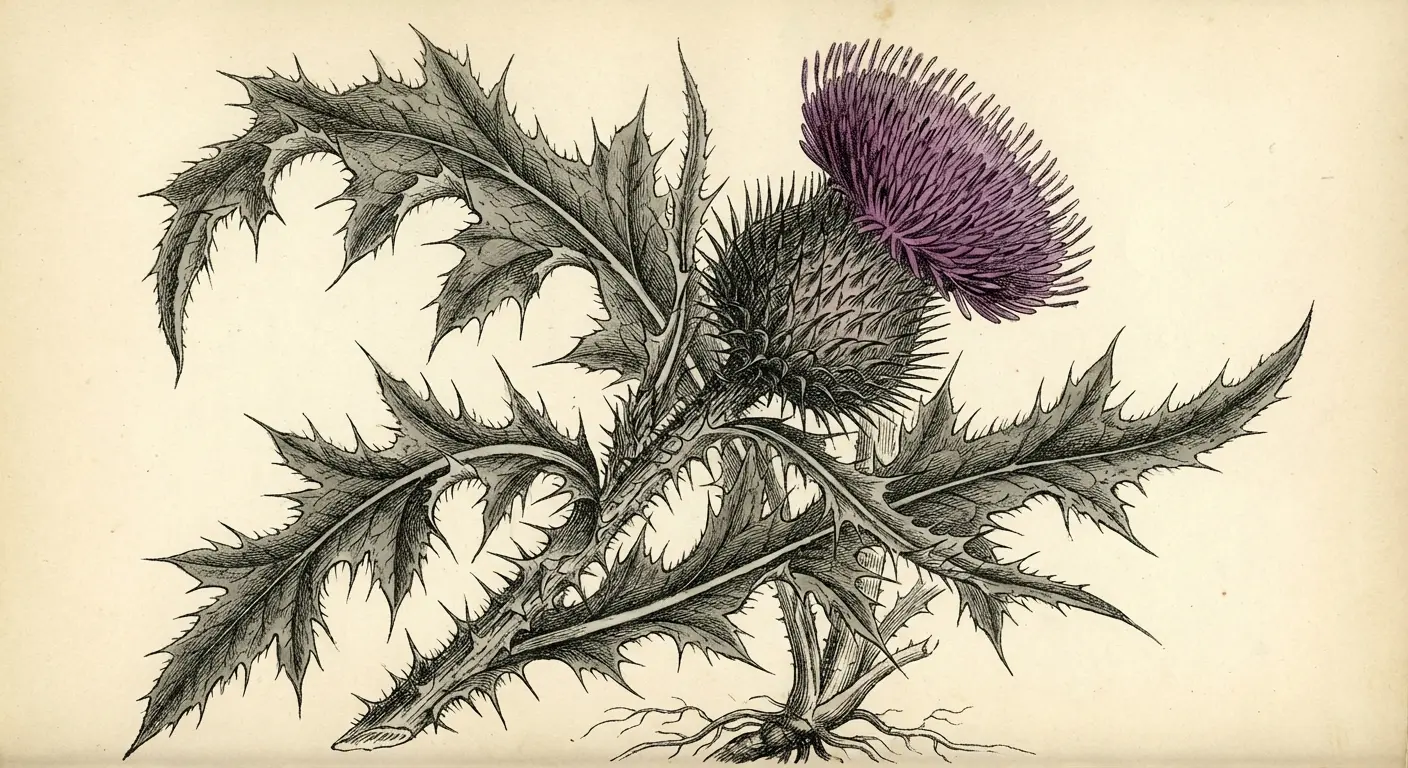
Thistle gets dismissed as a weed, which makes it perfect for a tattoo. Those spiky structures translate beautifully to black and grey work. You get aggressive leaves topped with a purple crown, creating visual tension that softer flowers can’t match. The symbolism is straightforward: protection through pain. You’re not trying to be approachable with a thistle tattoo. You’re setting a perimeter.
Works best on areas where the vertical structure can extend naturally. Think forearm, calf, or spine. The flower needs room to show off those defensive spikes. Cramming it into a small space defeats the purpose.
2. Protea: Bold Structure Over Delicate Petals
Protea looks like a sculpture.
Geometric petals radiating from a central point with architectural precision. This is not a flower for people who want “pretty.”
South Africa’s national flower. Transformation and courage. Sure. But here’s what actually matters: it performs incredibly well as a tattoo. The chunky, layered structure holds up as tattoos age because the contrast is built in. You don’t even need color to make protea work, though burnt orange and deep pink are stunning if you go that route.
This flower photographs well from any angle, which matters when you’re translating a 3D form to skin. Your artist has multiple perspectives to work with, and the end result reads clearly whether you’re looking at it straight on or from the side.
3. King Protea: Regal Without Being Precious
King protea deserves its own mention because it’s massive and dramatic. We’re talking about a bloom that reaches twelve inches in diameter. That scale translates to tattoos that command attention without busy detail work.
The symbolism leans into royalty and self-confidence, but it’s earned through survival in harsh climates rather than inherited privilege. The thick, waxy petals create bold shapes that work well for people who want a statement piece but worry about fine lines blurring over time.
Upper arm, thigh, and shoulder blade placements give the flower room to spread to its full glory. You need space for this one. Trying to shrink it down loses the impact.
4. Amaranth: Immortality Without the Rose Cliché
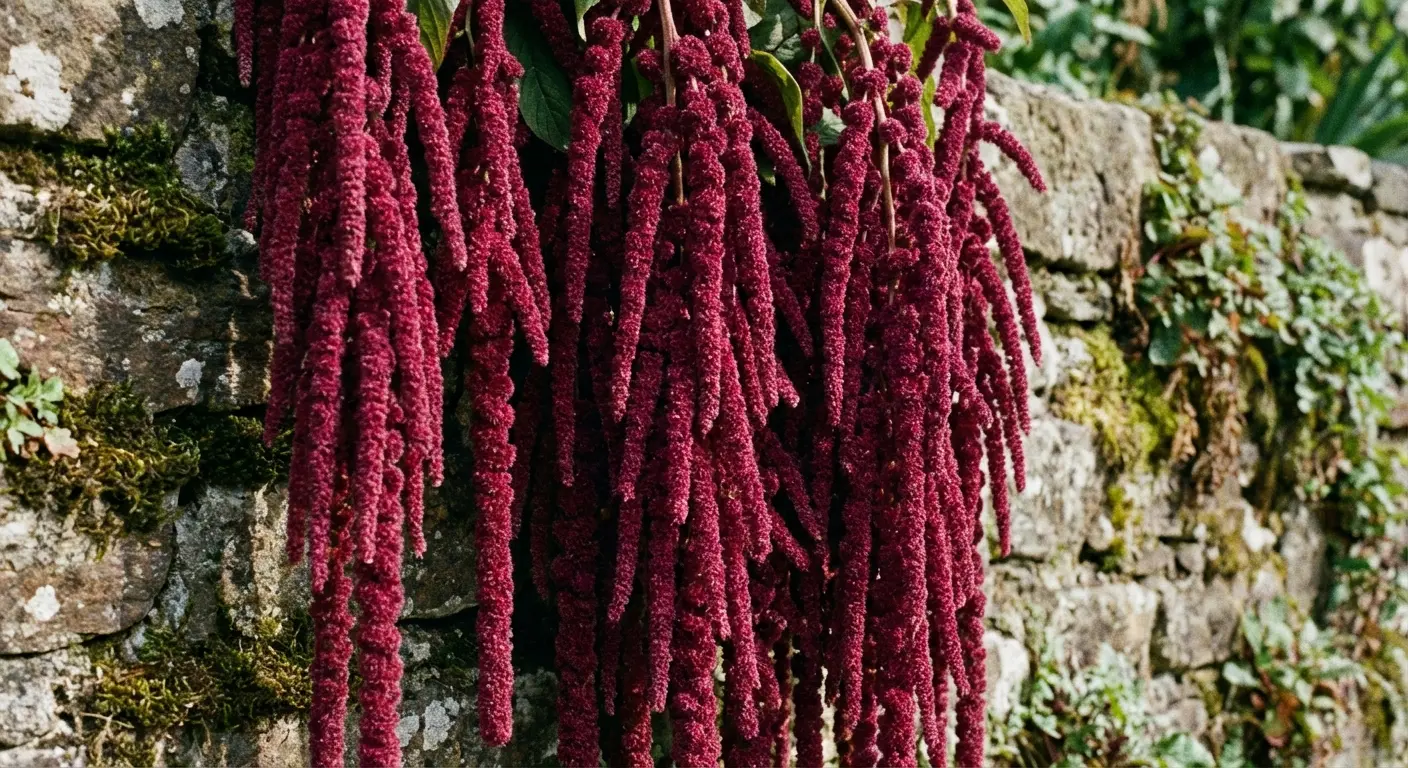
Amaranth literally means “unfading” in Greek, and the flower has been tied to immortality for thousands of years. The cascading, rope-like blooms create movement that works beautifully in tattoos wrapping around limbs or following muscle contours.
Deep burgundy or purple tones that age into rich, almost black shadows. The Aztecs used amaranth in rituals, and the Spanish tried to ban it for exactly that reason. That rebellious undercurrent runs through the flower’s entire history.
The drooping clusters have weight and presence. This isn’t delicate. It’s substantial, making it ideal for people who want floral work that feels grounded rather than decorative.
5. Carnation: Reclaiming the Forgotten Flower
I used to think carnations were just sad prom flowers and cheap grocery store bouquets. Then I learned about the Portuguese Revolution.
Carnations got relegated to forgotten status, but they’ve been symbols of revolution and resistance for centuries. Red carnations marked the Portuguese Revolution. Pink carnations became Mother’s Day shorthand. The flower has history that most people have completely forgotten.
The ruffled, layered petals create texture that’s visually interesting without being overly complex. We’re seeing carnations make a comeback in tattoo work because they’re not oversaturated in the market. Your artist can pack serious detail into those crimped edges, or simplify them into bold, graphic shapes. Either approach works.
The flower’s association with working-class movements gives it a grounded quality that roses (with all their romantic baggage) lack. You’re not declaring eternal love or marking a memorial. You’re claiming space.
Blooms That Tell Stories of Resilience
Now for the ones that refuse to die.
These flowers survive in conditions that would kill most plants. They thrive in deserts, bloom after wildfires, and grow in toxic soil. The symbolism here isn’t about passive endurance. It’s about active adaptation and finding ways to flourish when circumstances are objectively terrible.
Allure’s calling it for 2026: delicate and airy floral pieces are in full bloom, with designs showing “just enough negative space to highlight both the artwork and the person wearing it.” This shift toward intentional florals that tell personal stories? That aligns perfectly with resilience-focused blooms that carry deeper meaning than standard decorative choices.
These tattoos work well for people marking difficult periods or celebrating their own capacity to regenerate. The visual elements tend toward wild, untamed growth rather than cultivated garden aesthetics.
6. Dandelion (Going to Seed): Transformation in Real Time
You’ve seen a million dandelion tattoos where the seeds blow away into birds or butterflies.
Not talking about that.
I’m talking about the entire plant, roots included, or the seed head caught mid-dispersal with actual botanical accuracy. Dandelions break through concrete. They process toxins from soil. Every part is edible or medicinal. The transformation from yellow bloom to white sphere to bare stem happens fast, giving you options for depicting different life stages.
The real power? The root system extends three feet down. Including that underground structure in your tattoo creates a foundation that most floral work lacks. You’re showing what’s beneath the surface, not just the pretty part everyone sees.
7. Poppy (California Variant): West Coast Grit
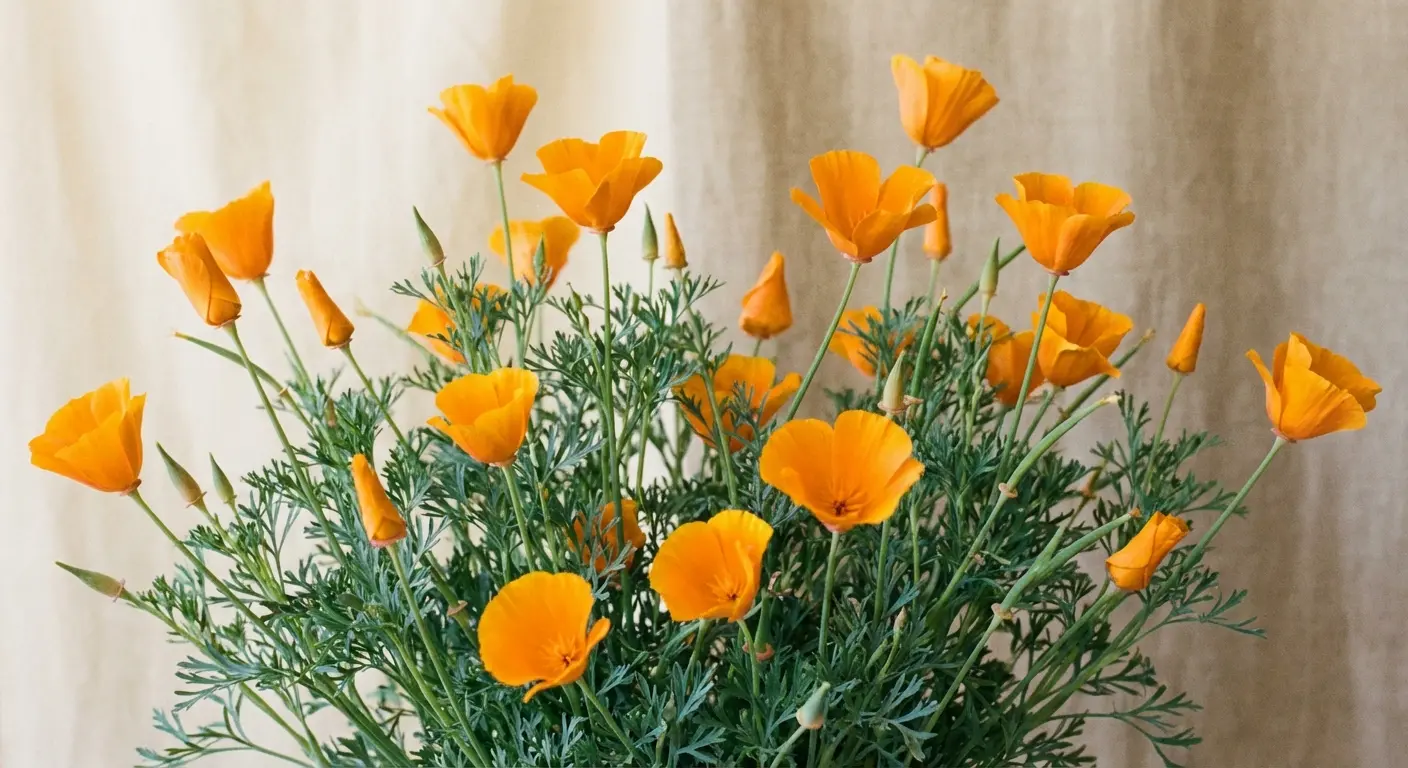
California poppies aren’t the red memorial flowers. They’re bright orange, drought-resistant, and they close up completely in cold or cloudy weather. That self-protective mechanism makes them more interesting than their European cousins.
The four-petaled structure is simple enough to read clearly even in small sizes, and the blue-green foliage provides natural contrast. These flowers are tough. They reseed aggressively and thrive in poor soil.
If you’re from California or have a connection to the region, this is a more authentic choice than cherry blossoms or lotus flowers borrowed from other cultures. The state flower designation gives it official weight without being overly patriotic.
8. Desert Marigold: Beauty in Harsh Conditions
Desert marigolds bloom in the Mojave and Sonoran deserts where temperatures hit 120°F and rain is a rare event. The bright yellow petals stay vibrant even in extreme heat, and the plant can flower year-round if conditions allow.
That persistence makes it loaded with meaning for people who’ve maintained their identity or creativity in hostile environments. The compact, daisy-like structure works well for smaller tattoos, and the silvery-green leaves add textural contrast.
This isn’t a flower that needs coddling or perfect conditions. It shows up and performs regardless, which is a more relatable form of resilience than some mythologized phoenix narrative.
9. Yarrow: The Warrior’s Wound Healer
Yarrow stops bleeding and has been used on battlefields since ancient Greece. Achilles used it on his soldiers, which is where the genus name Achillea comes from.
The flat-topped cluster of tiny flowers creates a distinctive silhouette that’s immediately recognizable. It grows wild on roadsides and in disturbed soil, thriving where other plants struggle. The symbolism combines healing with toughness, making it ideal for medical professionals, caregivers, or anyone who’s had to develop both strength and gentleness at the same time.
The feathery leaves add delicate detail that contrasts nicely with the bold flower clusters. White or pale pink are traditional, but yarrow also comes in deep red and gold varieties.
10. Fireweed: First to Bloom After Destruction
I saw my first fireweed in Alaska, growing out of a burned forest. That’s when I knew.
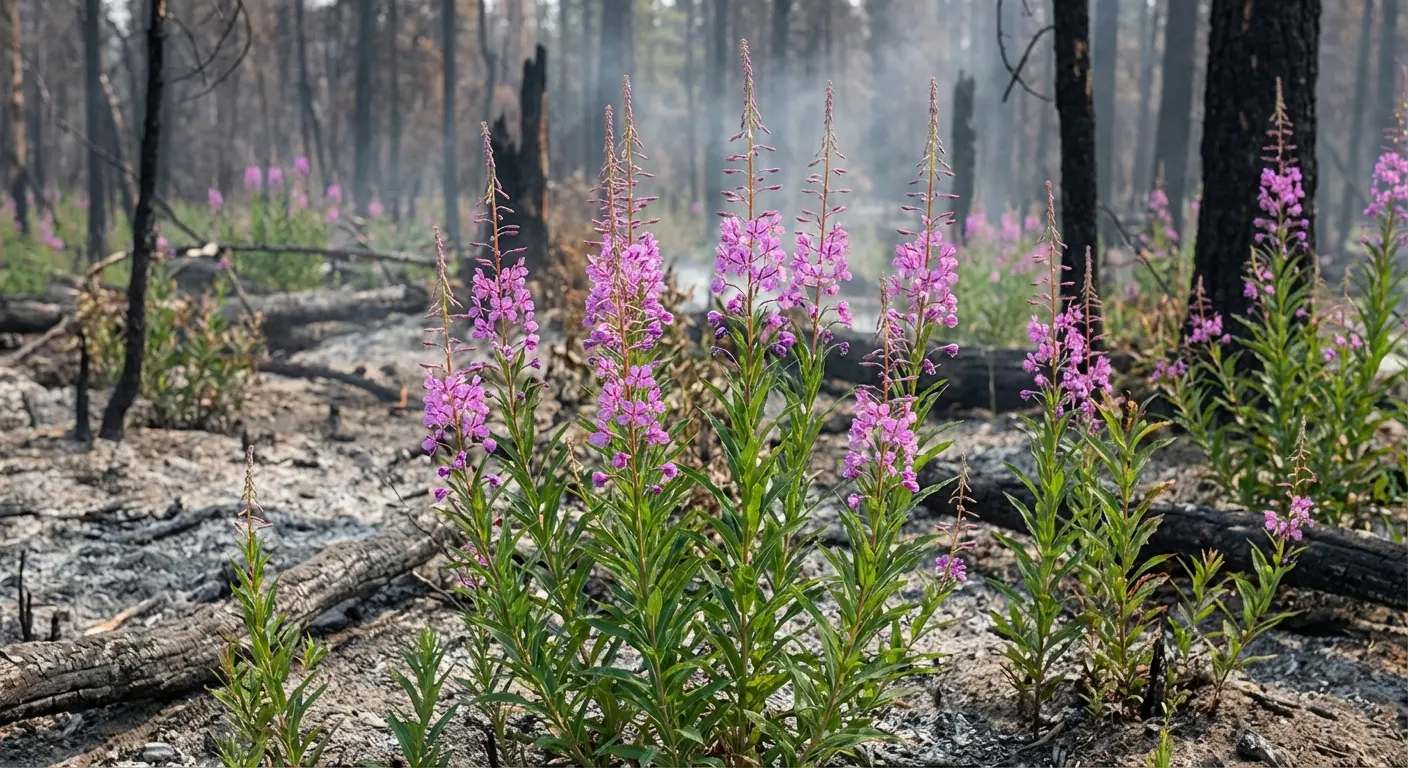
Fireweed colonizes burned forests, volcanic sites, and bombed-out areas. It’s literally named for its ability to thrive in ash and devastation. The tall spikes of pink-purple flowers create vertical lines that work beautifully along limbs or the spine.
This is a flower about what comes after catastrophe, not the catastrophe itself. It stabilizes soil and creates conditions for other plants to eventually grow, which adds a layer of community-building to the symbolism.
If you’re marking recovery from trauma, addiction, or loss, fireweed offers a more specific and less overused symbol than the standard phoenix or lotus. The botanical accuracy matters here because the flower’s context is inseparable from its meaning.
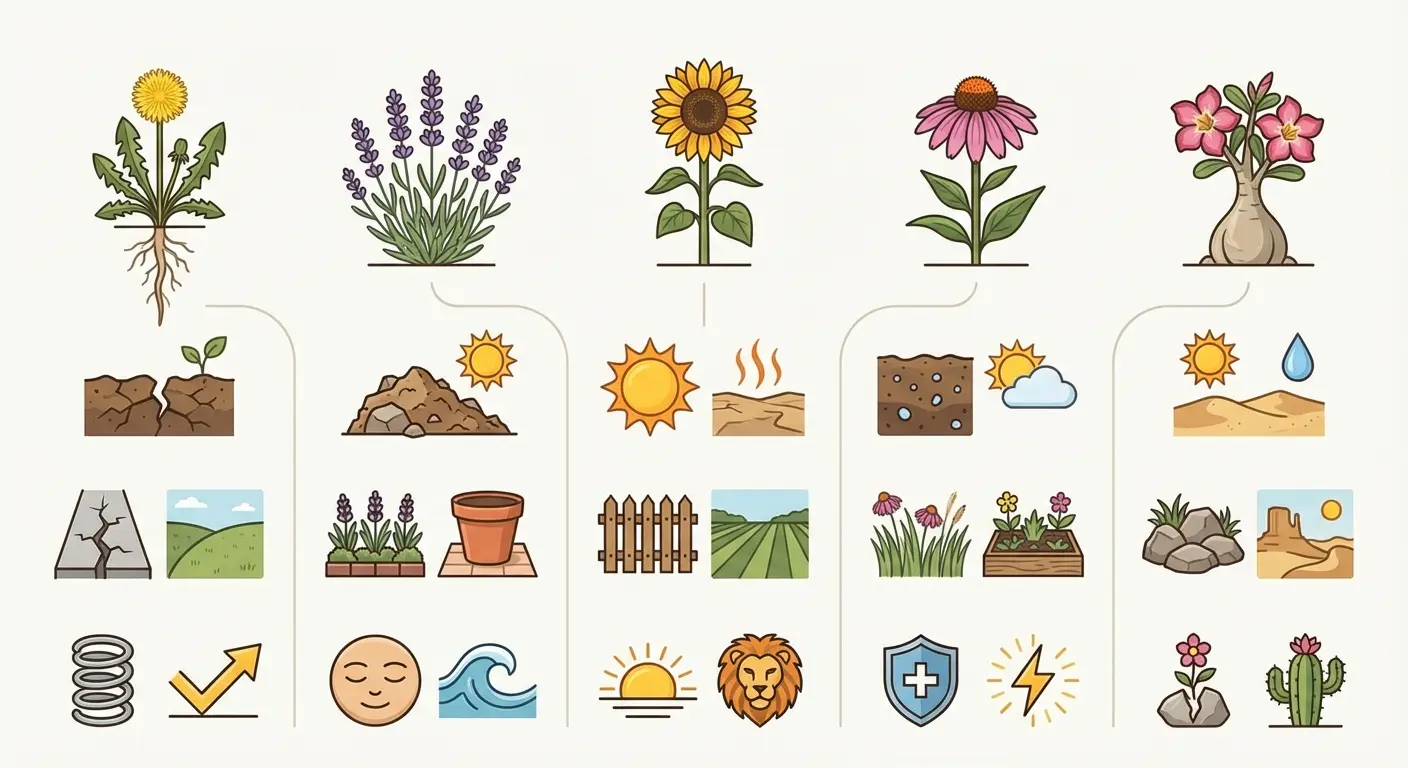
If you need to see this laid out clearly (I get it, I’m visual too), here’s how these resilience flowers compare:
Resilience Flower Survives Best Placement What It Means Dandelion Concrete, toxic soil Forearm, ribs (with roots) Deep foundation, transformation California Poppy Drought, poor soil Small-scale anywhere Self-protection, regional identity Desert Marigold Extreme heat (120°F), minimal water Compact areas (wrist, ankle) Year-round persistence Yarrow Roadsides, disturbed soil Shoulder, thigh Dual nature (healing plus toughness) Fireweed Post-fire ash, volcanic sites Spine, calf (vertical) Recovery, community rebuilding
Notice how they all thrive in terrible conditions? That’s not a coincidence.
Flowers With Dark Histories Worth Exploring
Let’s get dark.
These blooms are poisonous, dangerous, or tied to death and boundaries. I’m not talking about gothic aesthetic for its own sake. I’m talking about flowers that have been used as weapons, protective talismans, or tools of execution.
The symbolism here is about personal boundaries, the right to be dangerous when necessary, and the complexity of beauty that can harm. These tattoos work for people tired of being expected to be safe, approachable, or non-threatening.
The botanical details matter because the danger is in the specifics. Which parts are toxic, how the poison works, historical uses. Getting these details right is what separates a meaningful tattoo from a generic “dark flower” aesthetic grab.
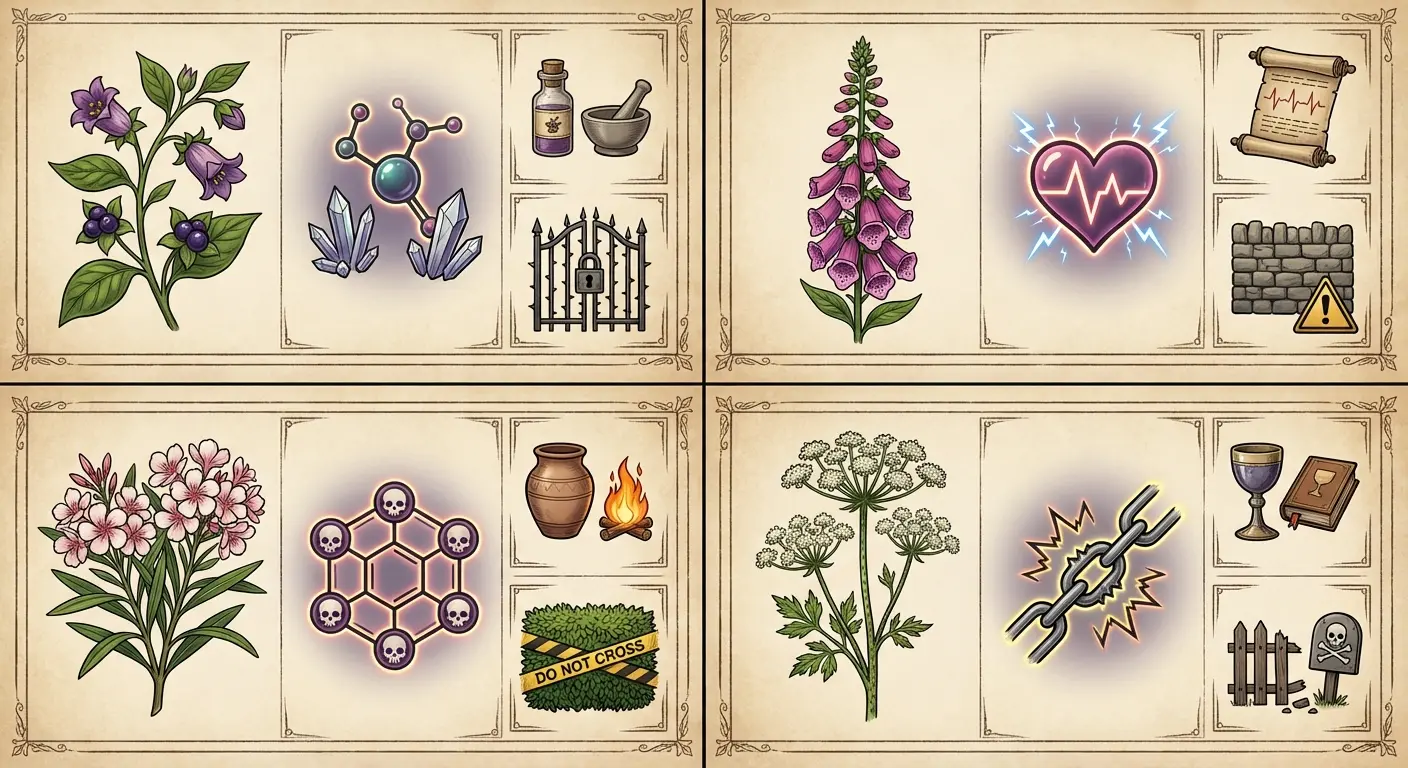
11. Belladonna: Beautiful Poison as Personal Boundary
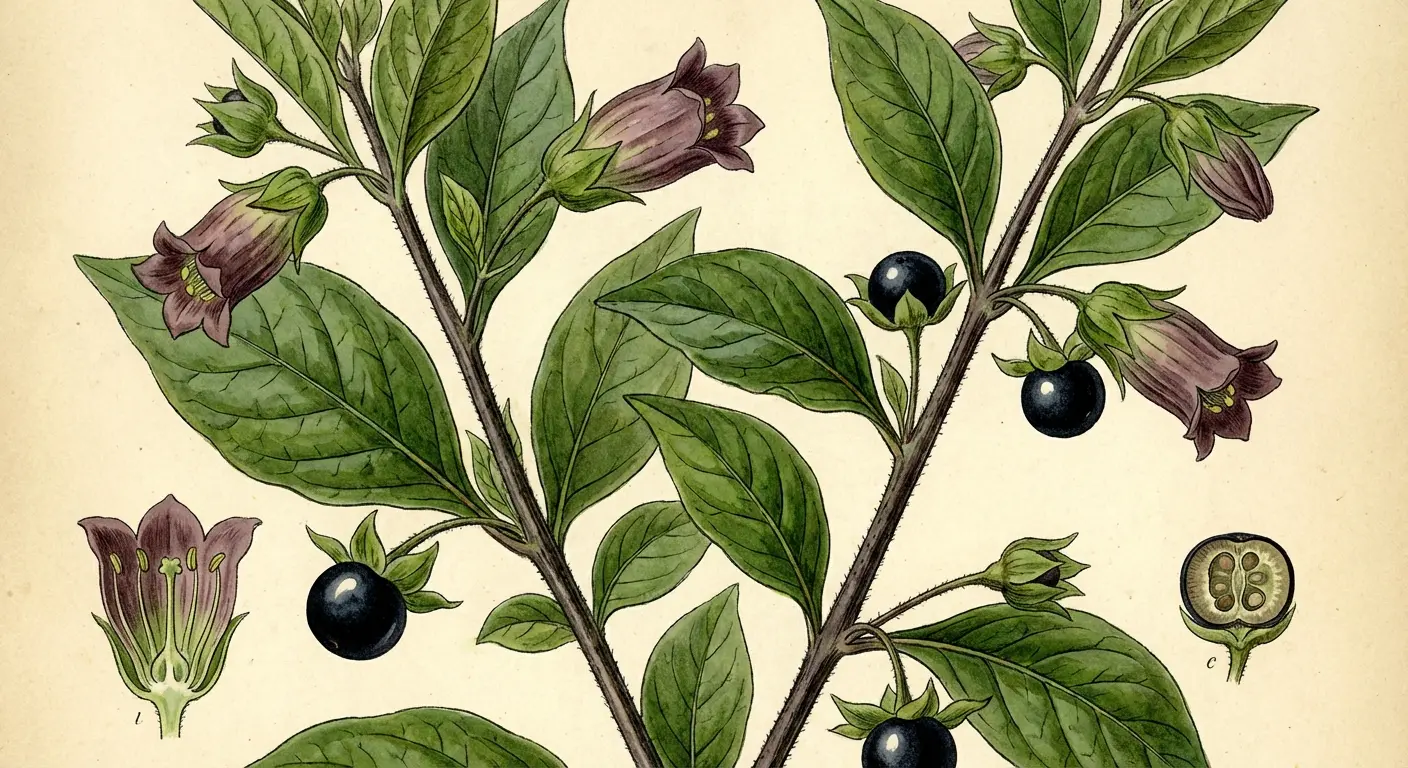
Belladonna (deadly nightshade) dilates pupils, causes hallucinations, and can kill in small doses. Renaissance women used it cosmetically despite the risks, dropping it into their eyes to achieve that wide-eyed look that was fashionable at the time.
The bell-shaped purple flowers and shiny black berries create a visually striking combination. This is a flower about the right to be beautiful and dangerous at the same time. It’s about refusing to dull your edges to make others comfortable.
The symbolism works well for people reclaiming their boundaries after periods of people-pleasing or self-sacrifice. Your artist can emphasize the berries (immediate visual danger) or the deceptively pretty flowers. Both approaches carry weight.
12. Oleander: Deadly but Unapologetic
Every part of oleander is toxic. Burning it creates poisonous smoke. Using it as a cooking skewer can kill you. Yet it’s planted as an ornamental across warm climates because it’s beautiful and nearly indestructible.
That contradiction makes it loaded with meaning. The clusters of pink, white, or red flowers are undeniably attractive, and the plant thrives on neglect. Oleander doesn’t apologize for being dangerous. It exists as it is, and you need to adjust your behavior accordingly.
That energy resonates with people who are done managing others’ comfort levels. The long, narrow leaves create nice contrast with the rounded flower clusters, giving your artist multiple elements to work with.
13. Wolfsbane: Protection Through Fear
Wolfsbane (aconite) has been used to poison arrows, kill wolves, and appears in werewolf mythology across cultures. The tall spikes of hooded purple flowers look dramatic and slightly sinister even without knowing the backstory.
Think of it as permission to be dangerous.
The symbolism is about protection through the threat of harm rather than passive defense. You’re not hiding behind walls. You’re making it clear that approaching uninvited comes with consequences. The flower structure works well for vertical placements, and the deep purple reads clearly even as the tattoo ages.
This is popular with people who’ve had to develop a protective persona after experiencing boundary violations. The hooded shape of each individual flower adds an element of concealment to the design. Beauty that keeps its secrets.
14. Hemlock: Socratic Defiance in Bloom Form
Hemlock killed Socrates after his conviction for impiety and corrupting youth. The small white flower clusters look deceptively innocent (they’re constantly confused with Queen Anne’s lace), which is part of the symbolic power.
Hemlock represents choosing your principles over survival, intellectual defiance, and the gap between appearance and reality. It’s a more nuanced symbol than most “dark” flowers because it’s tied to a specific philosophical stance. The umbel structure (flat-topped cluster) creates a distinctive shape, and including the spotted stem adds botanical accuracy that deepens the meaning.
This works best for people with a genuine connection to philosophy, teaching, or intellectual resistance. You’re not just getting a poisonous plant. You’re marking a commitment to ideas that might cost you something.
Here’s what you need to know about these poisonous flowers:
|
Poisonous Flower |
What’s Toxic |
Historical Use |
What It Really Means |
|---|---|---|---|
|
Belladonna |
Entire plant (berries most toxic) |
Renaissance cosmetics, medieval poison |
Beautiful plus dangerous at the same time |
|
Oleander |
All parts (smoke when burned) |
Ornamental despite lethality |
Unapologetic existence |
|
Wolfsbane |
Roots and leaves |
Arrow poison, wolf deterrent |
Protection through threat |
|
Hemlock |
Seeds and roots |
Execution method (Socrates) |
Principles over survival |
Culturally Specific Flowers That Aren’t Cherry Blossoms
This next part requires a disclaimer.
These flowers carry deep cultural significance in their regions of origin. I’m including them with a warning: they work best when you have genuine connection to the culture, not just aesthetic appreciation.
Cultural appropriation in tattoos is real, and grabbing a marigold because it looks cool without understanding Día de los Muertos context is exactly the problem. But if these flowers are part of your heritage or lived experience, they offer richer symbolism than the generic options most flower tattoo guides push.
Tattoo artist Julissa Rodriguez told Allure that clients frequently request specific flowers “in memory of a loved one that’s passed,” with lilies associated with passing and mourning, while peonies tend to be symbols of love and honor. The culturally specific blooms here carry that same memorial and honoring weight, but with deeper roots in particular traditions.
15. Marigold (Cempasúchil): Day of the Dead Authenticity
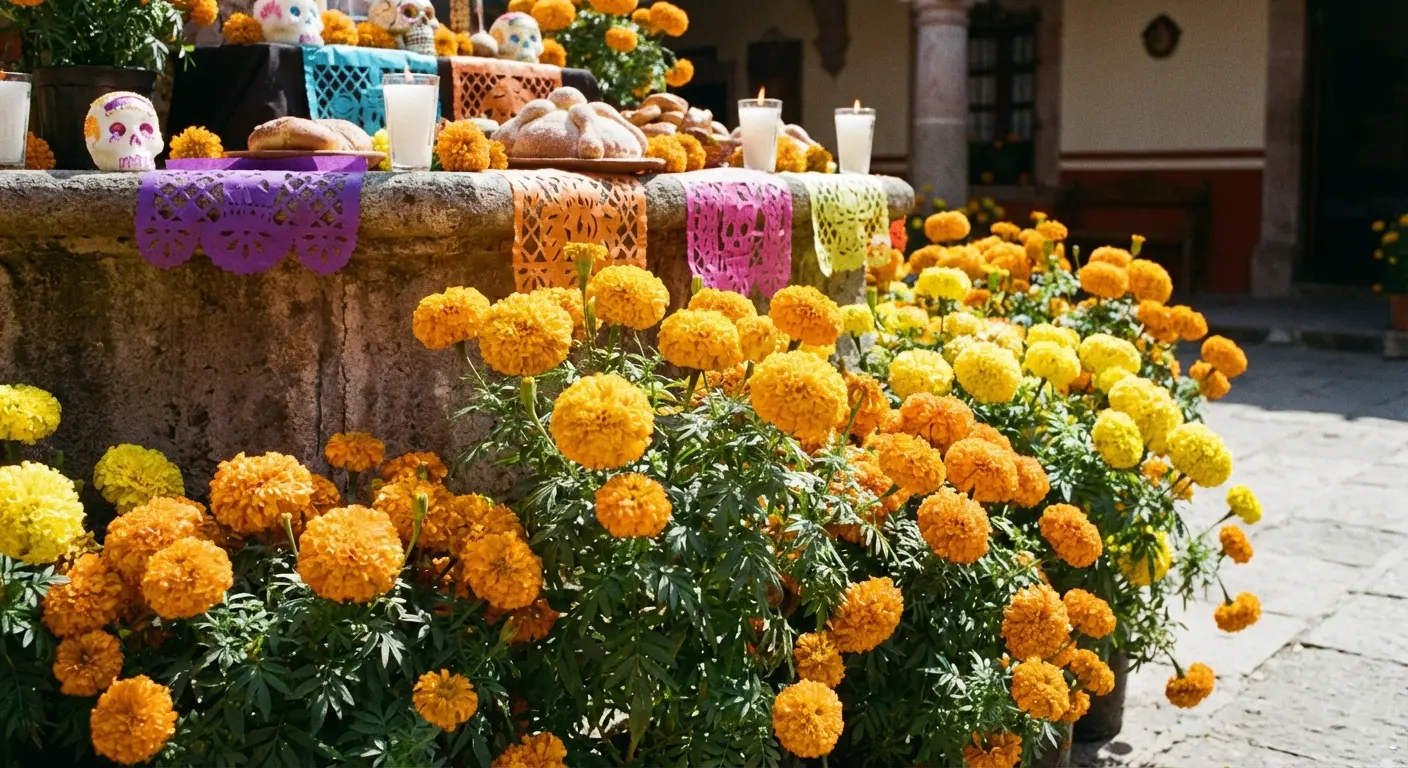
Cempasúchil marigolds guide spirits home during Día de los Muertos. The bright orange and yellow blooms are scattered on graves and used to create paths for the deceased. If this is part of your cultural practice or family tradition, it’s a powerful way to honor that connection.
The ruffled, pompom-like flowers create bold shapes that hold up well in tattoos, and the color is inherently vibrant. Pairing them with sugar skulls has become cliché, but the flowers alone (or with family-specific elements) maintain their significance.
This isn’t a flower to grab because you like the aesthetic. It’s a flower to use when you’re marking genuine cultural identity or loss within that tradition. The difference matters.
16. Hibiscus (Hawaiian Context): Island Identity Beyond Tourism
Hibiscus shows up in generic tropical tattoos constantly, but the Hawaiian hibiscus (the yellow hibiscus is Hawaii’s state flower) carries different weight when you’re from the islands or have deep ties there.
The five-petaled structure is simple, but the prominent stamen creates a focal point that adds visual interest. The symbolism connects to hospitality, respect for guests, and island identity beyond the tourist version of Hawaiian culture.
If you’re getting this flower, the context matters. Is it part of a larger piece that reflects genuine connection to Hawaiian culture, or are you just grabbing a tropical aesthetic? The flower itself is beautiful, but the meaning depends entirely on your relationship to its origin.
17. Edelweiss: Alpine Courage Over Mountain Aesthetics
Edelweiss grows in rocky, high-altitude areas that are genuinely dangerous to access. Collecting it became a way to prove courage and devotion in Austrian and Swiss courting traditions. The white, star-shaped flower has fuzzy petals that create textural interest, and it’s visually distinctive enough to avoid confusion with other white flowers.
The symbolism is about earned courage through risk, not performative bravery. If you have Alpine heritage or connection to mountain culture, this flower carries that history. If you’re just thinking it looks cool, there are better options.
Side note: The Sound of Music basically ruined edelweiss for a generation. But the botanical reality (harsh conditions, difficult access, genuine danger) remains intact.
18. Flannel Flower: Australian Native That Deserves Recognition
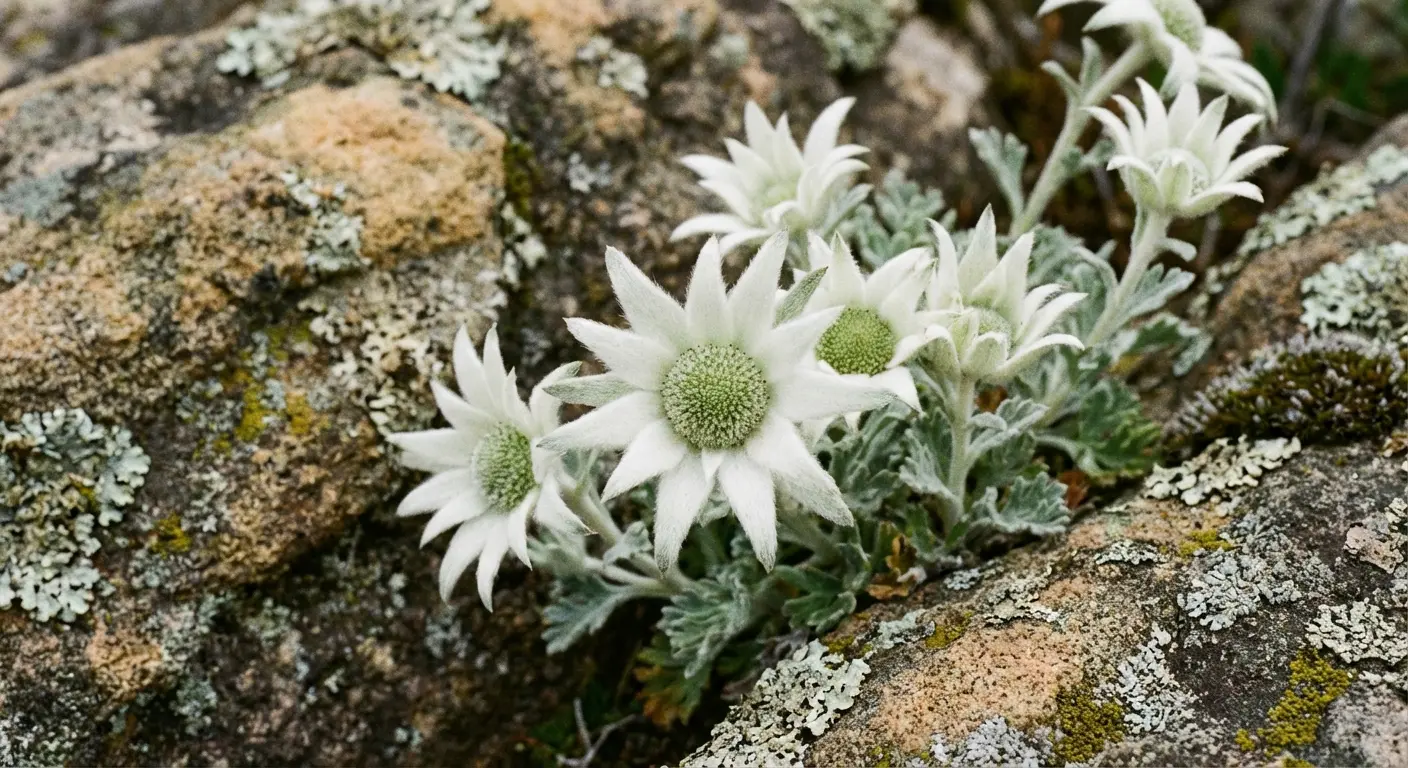
Flannel flowers are native to Australia and almost unknown in American and European tattoo markets, which is exactly why they’re worth considering if you have ties to the region. The soft, fuzzy petals (which feel like flannel, hence the name) create a unique texture, and the white-to-cream color works beautifully in black and grey or with minimal color.
The flower grows in sandstone areas after bushfires, connecting it to themes of regeneration and resilience tied to Australian ecology. This isn’t a flower that needs to carry borrowed symbolism from other cultures. It has its own context and visual identity.
If you’re Australian or have lived there, it’s a way to mark that connection without defaulting to the overused (and often problematic) imagery that dominates “Australian-themed” tattoos.
Bringing Your Vision to Life Without the Guesswork
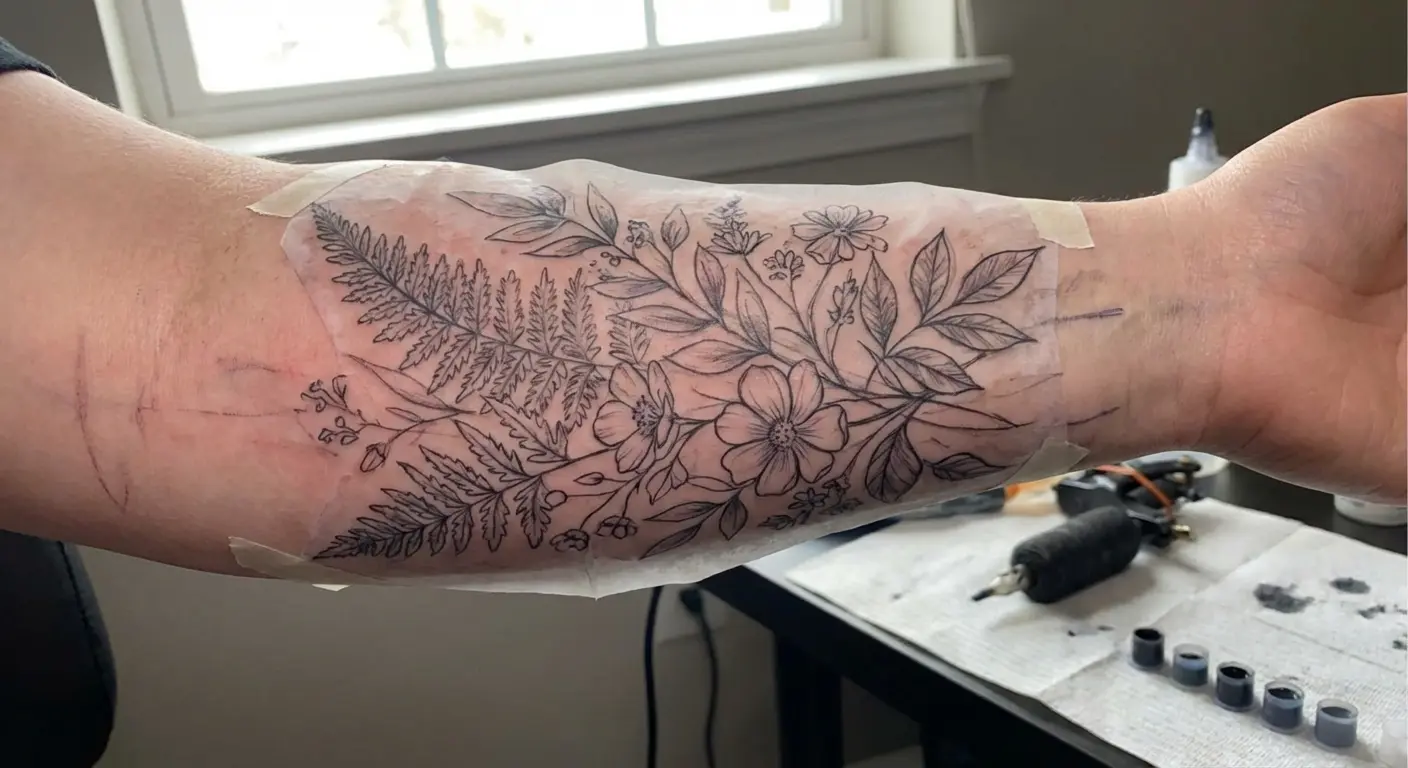
You’ve found a flower that resonates. Now comes the hard part: communicating your vision to an artist when you can barely describe what you want beyond “a thistle, but make it moody” or “fireweed, but I need to see it on my arm first.”
Botanical references help, but they don’t show you how the flower will translate to your specific placement or style preference. You can bring in photos of the actual plant, but that doesn’t tell you whether it’ll work in black and grey or need color to read properly. You can look at other people’s tattoos, but their body and your body are different canvases.
The gap between concept and execution is where a lot of flower tattoos go wrong. You end up with something that’s well-done but doesn’t match what you had in your head. Or worse, you realize halfway through the session that the placement isn’t working and you’re stuck with it anyway.
Final Thoughts
The flower tattoo market is oversaturated with the same dozen blooms repeated endlessly with minor style variations. Roses for love, lotuses for spirituality, cherry blossoms for impermanence. We’ve seen them all, and while they’re classics for a reason, they don’t serve everyone’s needs or identities.
The flowers I’ve covered here offer alternative entry points into botanical tattooing. They carry symbolism that’s more specific, less culturally appropriative (when chosen thoughtfully), and visually distinct enough to stand out in a crowded field.
Your flower choice should reflect something genuine about your experience, identity, or values. That doesn’t mean it needs to be deeply personal or carry heavy meaning. Sometimes you just want a plant that looks cool and isn’t on every third person at the coffee shop. That’s valid too.
But if you’re going to commit to permanent ink, why not choose something that hasn’t been done to death?
The flowers that challenge gender expectations, survive in harsh conditions, carry dangerous beauty, or connect to specific cultural contexts offer richer territory than the standard options. They give your artist something interesting to work with and give you a tattoo that won’t blend into the background.
Structure, texture, and botanical accuracy matter more than color trends or whatever’s currently popular on Instagram. Choose flowers that will age well visually and continue to resonate with you as your life circumstances change. A thistle protecting your boundaries will still make sense in twenty years. Fireweed marking your recovery will still carry that weight decades from now.
Look, you can still get a rose. Nobody’s stopping you.
But make it deliberate. Choose flowers that tell a story that’s specific to you. They should reference something real: a place you’ve lived, a challenge you’ve overcome, a boundary you’ve set, a culture you belong to. Not just pretty pictures. Markers of who you are and what you’ve survived.
That’s all I’m asking.
