21 Loyalty Tattoos That Go Beyond the Cliché (And Actually Mean Something)
Table of Contents
-
Loyalty to Self: Designs That Honor Your Journey
-
The Phoenix Rising From Personal Ashes
-
Anchor With Broken Chain
-
Compass Rose Pointing Inward
-
Mirror Image Reflection Design
-
Footprints Walking Away From Shadow
-
-
Loyalty to Blood: Family Bonds Worth Inking
-
Interlocking Birth Flowers
-
Coordinated Constellation Map
-
Generational Recipe Card Fragment
-
Handwriting Sample Memorial
-
Family Crest Reimagined
-
Sibling Coordinates That Actually Matter
-
-
Loyalty to Brotherhood: Chosen Family Markers
-
Matching Puzzle Pieces (Done Right)
-
Inside Joke Translated to Symbol
-
Shared Survival Date
-
Military Unit Insignia With Personal Twist
-
Recovery Milestone Marker
-
Professional Partnership Seal
-
-
Loyalty to Purpose: Mission-Driven Ink
-
Cause Symbol With Personal Element
-
Profession Tool as Sacred Object
-
Geographic Marker of Transformation
-
Philosophical Quote in Original Language
-
TL;DR
Most loyalty tattoo guides are garbage. They show you pretty pictures with zero substance.
Here’s the thing: your loyalty tattoo should make sense to YOU, not Pinterest.
Self-loyalty designs challenge the idea that loyalty must always point outward. Sometimes the most important commitment is the one you make to yourself. Your loyalty tattoo should reflect that truth.
Family loyalty ink gains depth when it captures specific moments or inside knowledge rather than generic symbols. Your grandmother’s handwriting matters more than another infinity sign.
Chosen family tattoos honor bonds that often run deeper than blood. These relationships require active loyalty because you’re continually choosing each other. That makes loyalty tattoo ideas especially meaningful.
Purpose-driven loyalty tattoos connect your ink to something bigger without sacrificing personal meaning. The best ones balance universal symbolism with deeply personal details that only you and your inner circle fully understand.
Why Most Loyalty Tattoos Miss the Mark
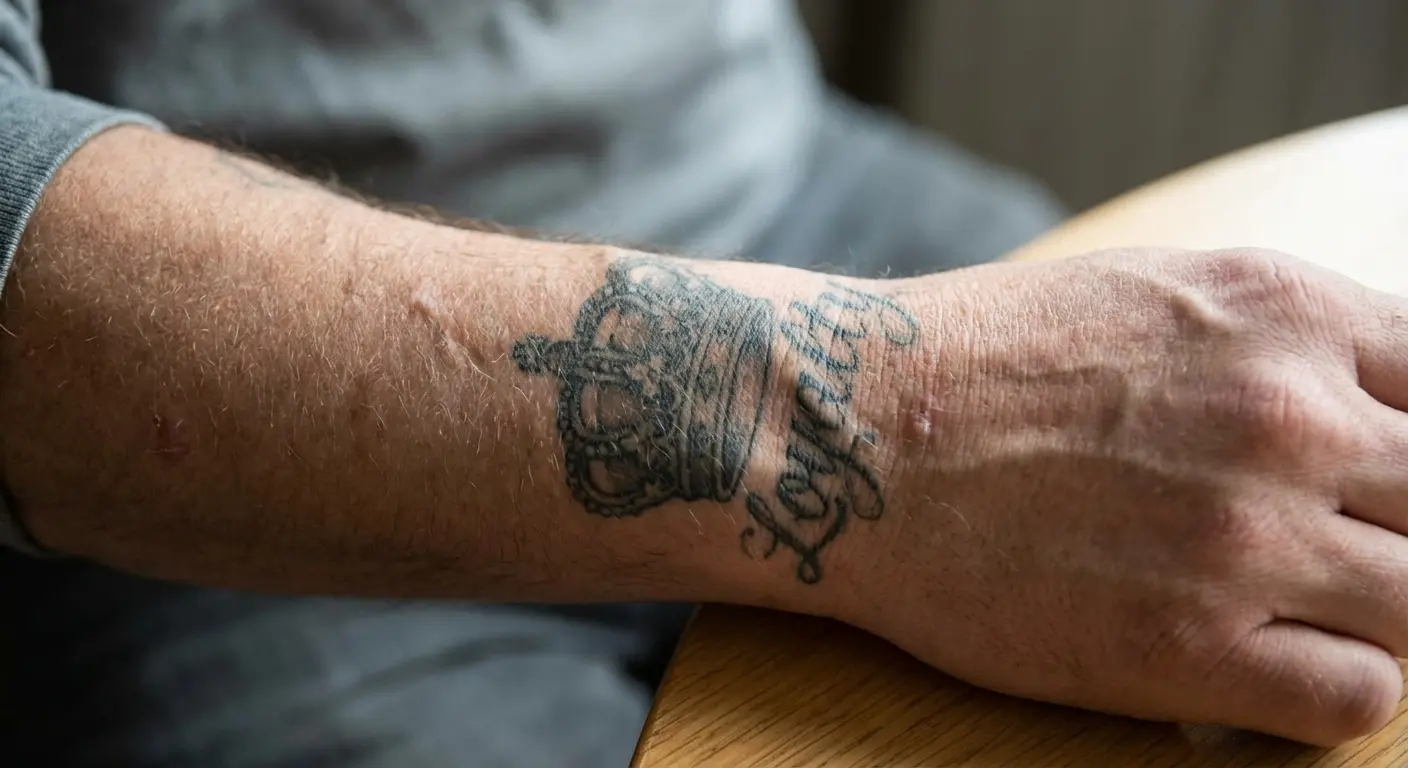
A columnist once wrote that we’re “stuck in a generation where loyalty is evidenced only in tattoos and not in actions.”
Damn.
But walk into any shop and you’ll see she’s right. Generic “loyalty” script. Stock crown designs. Matching infinity symbols that could represent literally anyone’s relationship.
The problem isn’t loyalty tattoos. The problem is lazy loyalty tattoos. Ink that looks good but means nothing.
The challenge? Creating ink that represents genuine commitment rather than empty symbolism. Most loyalty tattoo guides focus on what looks good or what’s trending. That’s ass-backwards.
The best loyalty tattoos start with the specific relationship or commitment you’re honoring, then find imagery that captures what makes it real. You’re not looking for a loyalty tattoo because you want to follow a trend. You need ink that works as a permanent reminder of a bond, value, or commitment that shaped who you are.
That needs specifics, not just pretty pictures.
We’ll walk through 21 loyalty tattoo designs across four categories that prioritize authentic representation over surface-level symbolism. Each one works because it captures something real about your experience rather than trying to fit into someone else’s definition of what loyalty should look like.
Loyalty to Self: Designs That Honor Your Journey
Let’s start with the loyalty nobody talks about: the kind you owe yourself.
Most people think loyalty tattoos have to be about other people. But here’s the truth. If you can’t stay loyal to yourself, every other loyalty becomes a lie. You abandon your boundaries, ignore your needs, betray your values, all in the name of staying “loyal” to someone else.
These designs are for people who’ve learned that lesson the hard way.
Each loyalty tattoo design in this category captures a specific aspect of self-loyalty rather than trying to represent the entire concept at once.
When exploring self-loyalty designs, modern phoenix symbolism now represents personal transformation in ways that feel less mythological and more real. The phoenix gets dismissed as clichéd, but we’ll show you how to make it undeniably yours.
|
Self-Loyalty Design |
Best For |
Placement Consideration |
Personalization Element |
|---|---|---|---|
|
Phoenix Rising |
Major life transformation, recovery from trauma |
Back, chest, inner forearm |
Add details from that specific time in your life |
|
Anchor With Broken Chain |
Breaking free from addiction, codependency, limiting beliefs |
Forearm, shoulder, ribcage |
Work in the date you broke free (Roman numerals look clean) |
|
Compass Rose Pointing Inward |
Recovery from people-pleasing, learning to trust yourself |
Chest, upper back, forearm |
Put a small symbol of your core value in the center |
|
Mirror Image Reflection |
Identity shifts, coming out, major life transitions |
Spine, sternum, forearm center |
One half shows who you were, other shows who you’ve become |
|
Footprints Walking Away |
Ongoing choice to leave behind what doesn’t serve you |
Calf, thigh, shoulder blade |
Use your actual footprints or work in shadow shape of what you’re leaving |
1. The Phoenix Rising From Personal Ashes
Phoenix tattoos get dismissed as basic, and honestly? Usually they are.
But here’s the fix: make it YOUR phoenix.
Rebuilding after divorce? Work a broken wedding ring into the flames. Starting over in a new city? Hide that skyline in the smoke. The bird itself is universal. The details make it yours as a loyalty tattoo.
Placement matters too. Many people choose their back or chest, but consider your inner forearm where you can see it during moments when you need that reminder of your own resilience. I’ve seen clients who incorporated the skyline of the city where they started over, the date they walked away rendered in the flame patterns, or symbols of what they built from those ashes.
2. Anchor With Broken Chain
Anchors usually mean stability, being grounded, staying put.
But what if the anchor was the problem? What if you were anchored to addiction, to a toxic person, to beliefs that were drowning you?
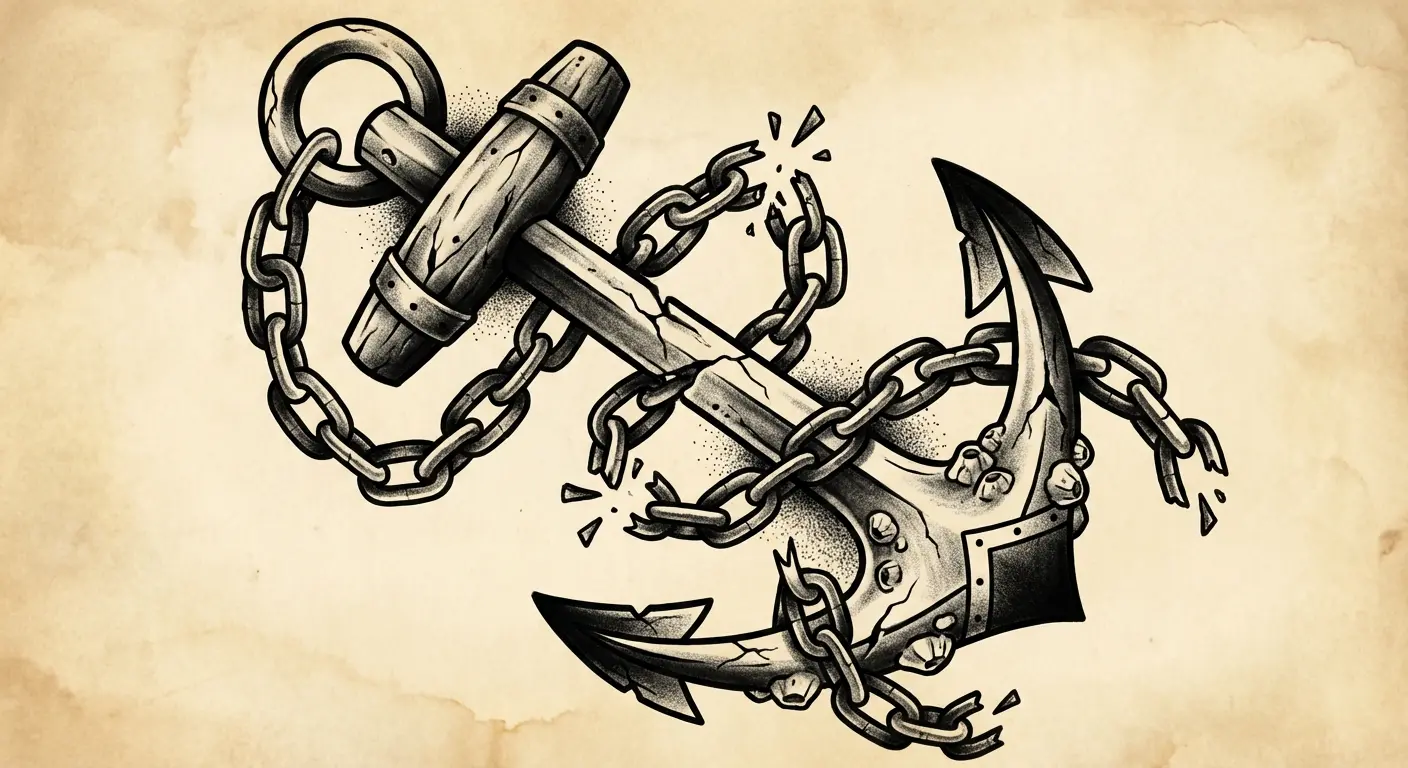
Break the chain in the design. Keep the anchor because you’re still grounded, still stable. But now you’re anchored to yourself instead of to whatever was killing you.
You stayed anchored to yourself while breaking free from whatever held you back through this loyalty tattoo. The design gains power from the tension between these two elements. You’re not adrift without the chain. You’re grounded in your own strength now.
Consider adding the date the chain broke as subtle Roman numerals worked into the anchor’s design. Work your own initials into the anchor’s shank, making it clear this is about self-loyalty rather than being someone else’s anchor. The broken links can scatter in a pattern that suggests forward movement, or they can transform into something else entirely. Birds, flowers, or abstract shapes that represent what you gained by breaking free.
3. Compass Rose Pointing Inward
Standard compass loyalty tattoos point to cardinal directions or specific coordinates. Reversing that by having all points direct toward the center creates a powerful statement about internal navigation.
You’ve learned to find direction by looking inward rather than constantly seeking external validation or guidance. The center of the compass can contain a small symbol that represents your core value or truth. Maybe it’s a dot representing simplicity, a small flame for passion, or a seed for growth potential.
This one’s for recovering people-pleasers. For anyone who spent years asking everyone else what they should do, where they should go, who they should be, and finally realized the answer was inside them the whole time.
It’s also for people who’ve been gaslit into doubting their own judgment. The compass pointing inward says: I trust myself now. All roads lead back to my truth.
You can add subtle text along the compass points. Words that represent values you navigate by rather than cardinal directions.
4. Mirror Image Reflection Design
This approach uses bilateral symmetry to represent self-acceptance. You design one half showing elements of who you were, and the mirror image shows who you’ve become.
The two halves share a central axis, often placed along your spine, sternum, or the center of your forearm. What makes this powerful is the visual acknowledgment that both versions are you. You’re not rejecting your past self. You’re honoring the continuity while marking the transformation.
People use this loyalty tattoo to represent before and after recovery, coming out, leaving a religion, or any identity shift that required loyalty to your authentic self over external expectations. Go abstract or literal, your call. Either way, the symmetry creates balance. You’re complete now in a way you weren’t before, but you needed both halves to get here.
5. Footprints Walking Away From Shadow
Footprints typically lead toward something. Showing them walking away from a shadow captures the ongoing choice to leave behind what no longer serves you.
The shadow can be shaped to subtly suggest what you’re walking away from without being literal. Maybe it’s vaguely human-shaped to represent a person or relationship. Maybe it’s an abstract darkness that represents depression, addiction, or old patterns. The footprints themselves can be your actual footprints. Some artists will work from a scan or photo of your feet. Or stylized prints that match your aesthetic preference.
What matters is the directionality. You’re not running. You’re deliberately walking away, which shows the self-loyalty required to keep choosing yourself even when it’s difficult. Add subtle elements to the footprints themselves. Flowers growing from them, light coming from them, or small symbols that represent what you’re walking toward.
Loyalty to Blood: Family Bonds Worth Inking
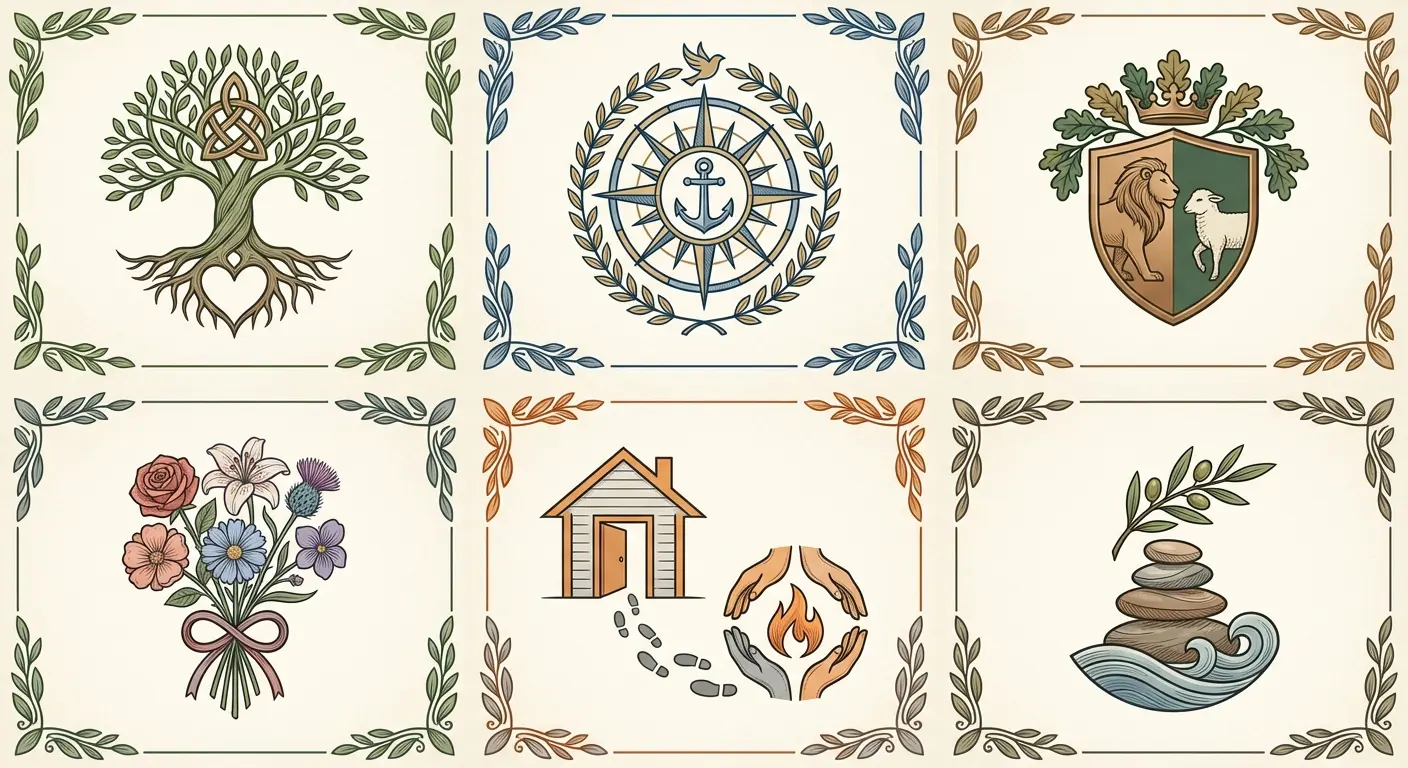
Walk into any tattoo shop and ask to see family tattoos. You’ll see a hundred infinity signs, hearts with “family” in cursive, maybe some Roman numerals.
And you’ll have no idea whose family any of them represent. Because they’re generic as hell.
Your family isn’t generic. Your grandmother’s handwriting, the recipe she made every Sunday, the way your brother signs his texts. Those details are what make a family loyalty tattoo actually mean something.
We’re focusing on approaches that honor family bonds through details that carry meaning within your specific family system. These work whether you’re commemorating living family members, honoring those who’ve passed, or marking the significance of chosen family that happens to be blood-related. The difference between a meaningful family loyalty tattoo and a forgettable one comes down to specificity.
6. Interlocking Birth Flowers
Birth flower tattoos are everywhere. Usually they’re just lined up in a row. Mom’s flower, dad’s flower, sister’s flower. Like a botanical checklist.
Make them interlock instead. Let your dad’s rose stem wrap around your mom’s lily. Let your sister’s daisy roots tangle with yours. Show how you actually function as a family. Connected, supporting each other, growing together.
And here’s the practical part: you can add flowers as your family grows without wrecking the design.
You can work with your tattoo artist to determine which flowers should be larger. Perhaps parents or the family member who held everyone together. Which ones intertwine most closely (siblings with especially tight bonds), and how to arrange them so the composition flows naturally.
The interlocking nature means each flower supports and connects to the others, creating a unified composition that’s stronger than individual elements. Add subtle details within each flower that represent that person’s personality or role in the family.
7. Coordinated Constellation Map
Forget your birthplace coordinates. Those are boring.
What about the parking lot where you and your sister sat in the car for three hours after your dad’s funeral, not talking, just sitting? The coordinates of the hospital where your brother donated his kidney to you? The exact spot on the hiking trail where you both admitted you were done pretending your childhood was normal?
Those coordinates mean something. They mark the moment your sibling relationship became something deeper than just sharing DNA.
You’re showing the specific points that matter. Birthplaces, where you grew up, where a family member passed, where you scattered ashes. While creating a new constellation that exists only for your family through your loyalty tattoo. The stars can be sized according to significance, and you can connect them with lines to show the paths between these meaningful locations.
One client added the constellation that was visible from a significant location on a specific date. A birth, a wedding, a death. Worked into the loyalty tattoo design. This creates a map that’s both literal and symbolic, grounding your family’s story in specific places while acknowledging that you’ve created something new together that didn’t exist before.
8. Generational Recipe Card Fragment
My grandmother’s handwriting is on a grease-stained index card in my kitchen drawer. “Nana’s Brisket” at the top, her specific way of writing “1/2 cup” (she always made the fraction too small), coffee rings in the corner from decades of Sunday dinners.
That card, or a piece of it, would make a better tattoo than any generic “family” script could.
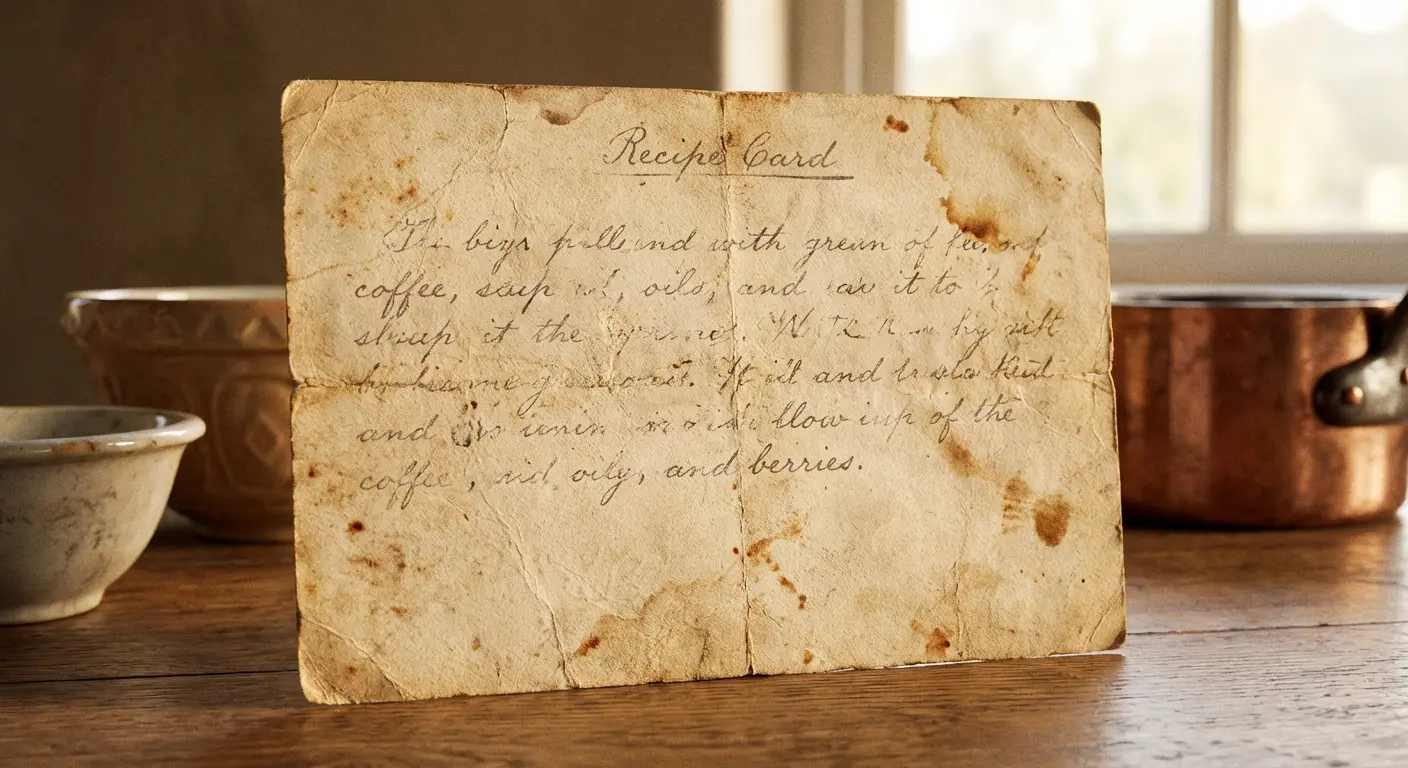
You’re not getting the whole recipe. That’s too much text. Just the title in her handwriting, maybe one key ingredient, definitely including those coffee stains. The imperfections are what make it real.
The handwriting itself becomes the primary design element, with subtle additions such as a small illustration of the finished dish or the type of pen they always used. I’ve seen people work in the coffee stains from the original card, the way the paper was folded, or small notes their grandmother wrote in the margins. These imperfections make the loyalty tattoo feel alive and authentic rather than sterile.
9. Handwriting Sample Memorial
My dad signed every birthday card the same way: “Love you, kiddo – Dad” with that dash he always used instead of a comma. His “d” in “Dad” had this weird loop.
That signature would make a better memorial than his birth and death dates ever could.
Get a few words in their handwriting. How they signed cards. How they wrote your name. Even how they wrote grocery lists. My mom’s handwriting on “milk” and “eggs” would bring me right back to childhood.
The shaky lines from age, the way they crossed their t’s, the pressure of the pen. That’s what captures a person.
The words matter less than the handwriting itself, which captures something ineffable about the person. You might choose “love you,” their signature, or even just your name in their handwriting. This loyalty tattoo design requires a clear source image for your tattoo artist to work from.
Want to dig deeper into tattoo symbolism? This guide covers universal symbols that work across cultures. Useful if you’re combining personal meaning with traditional imagery.
The best versions include slight imperfections. Shaky lines from age, the specific way they crossed their t’s. That makes it unmistakably theirs.
In an age where decency and loyalty to humankind should guide our actions, particularly when it comes to honoring those we’ve lost, this type of memorial loyalty tattoo demonstrates the kind of thoughtful permanence that matters. As discussed in commentary about meaningful versus performative loyalty, the difference lies in whether the gesture reflects genuine connection or empty symbolism.
10. Family Crest Reimagined
Traditional family crests can feel outdated or disconnected from modern family identity. Reimagining your family crest, or creating one if you don’t have one, using symbols that represent your family’s values, struggles, and triumphs makes it relevant.
Maybe your family’s defining characteristic is resilience through immigration, creativity despite poverty, or maintaining joy through hardship. Those themes can be represented through carefully chosen imagery that follows the structural format of a crest while using contemporary or personally meaningful symbols. You ‘re creating a visual language that future generations can reference and add to through this loyalty tattoo. Some families make this a collaborative process, with different members contributing symbols that represent their experience of the family’s identity. The crest becomes a living document of who you are together rather than a static historical artifact.
11. Sibling Coordinates That Actually Matter
Sibling loyalty tattoos often feel forced when they’re just matching designs. Using coordinates that mark a specific shared experience grounds the tattoo in your relationship.
Where did you survive something together? Where did you have a breakthrough conversation? Where did you scatter a parent’s ashes? These coordinates carry weight because they reference a moment that bonded you in a way that goes beyond typical sibling dynamics.
Each sibling can get the same coordinates rendered in their preferred style for their loyalty tattoo. One might want minimalist numbers, another might want them worked into a larger scene, and another might want them hidden within a design that has additional personal meaning. The coordinates serve as the common thread while allowing individual expression. This approach honors the relationship without requiring everyone to get identical loyalty tattoos.
Loyalty to Brotherhood: Chosen Family Markers
Blood family gets a pass. You’re stuck with them, they’re stuck with you, and everyone just deals with it.
Chosen family is different. You have to keep choosing each other. There’s no genetic obligation, no shared last name, no family reunions that force you together. Just the active decision to show up, over and over, because this person matters.
That kind of loyalty, the kind you choose daily, deserves ink.
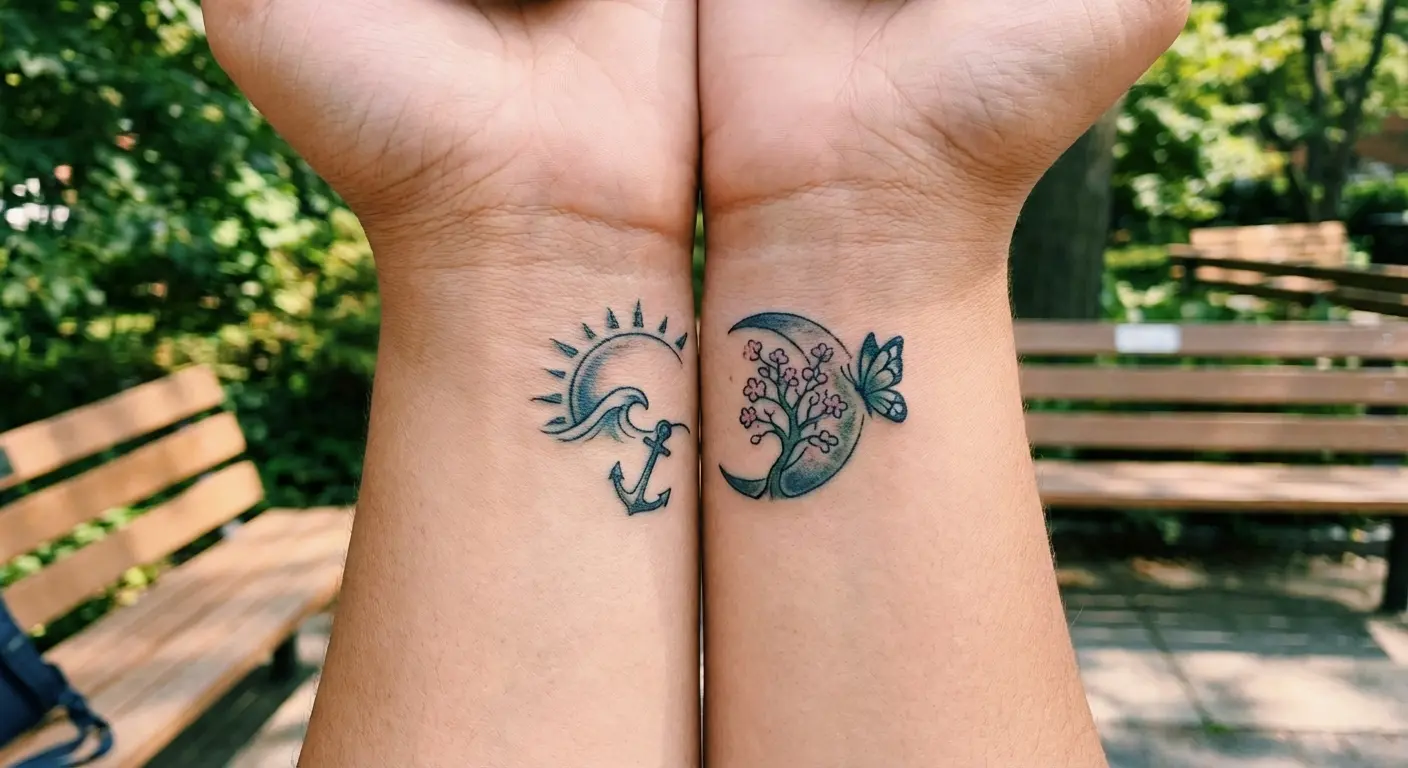
Military units, recovery communities, professional partnerships, and friend groups that function as family all fit here. What makes these loyalty tattoo designs work is their specificity to the bond rather than generic friendship symbolism. You’re marking relationships where loyalty has been tested and proven, where showing up matters more than shared DNA.
|
Brotherhood Design Type |
Ideal Context |
Key Personalization Strategy |
Visibility Consideration |
|---|---|---|---|
|
Matching Puzzle Pieces |
Close friend groups, pairs |
Each piece contains imagery specific to that person’s role |
Can be aligned when physically together |
|
Inside Joke Symbol |
Long-term friendships with shared language |
Simple symbol only your group understands |
Meaningfully obscure to outsiders |
|
Shared Survival Date |
Bonds forged in crisis (deployment, disaster, trauma) |
Add subtle imagery of location or aftermath |
Works as conversation starter or private marker |
|
Military Unit Insignia |
Service members, first responders |
Include nicknames, specific mission coordinates |
Balances official recognition with personal bonds |
|
Recovery Milestone |
Sobriety partners, recovery community |
Dates, initials, program-specific symbols |
Serves as accountability reminder |
|
Professional Partnership |
Co-founders, creative collaborators |
Shared mission symbol with individual elements |
Remains meaningful even if partnership ends |
12. Matching Puzzle Pieces (Done Right)
Yeah, puzzle piece tattoos are overdone. Usually they’re just blank puzzle pieces that could represent any friendship ever.
But the concept isn’t dead. You just have to make it specific.
Fill your puzzle piece with imagery that represents your role. Are you the friend who always has the music? Put a note in your piece. The one who navigates every road trip? Compass in yours. The passionate one who pushes everyone forward? Flame.
When you’re together, align the tattoos. The images connect across the pieces and create something complete.
This works for pairs or groups, and it lets each person’s loyalty tattoo stand alone as meaningful even when you’re not together. One person’s piece might contain a musical note if they’re the one who always knows what to say. Another might have a compass if they’re the navigator. Another might have a flame if they’re the passionate one who pushes everyone forward. The pieces fit together to create a complete image, but each one tells its own story.
13. Inside Joke Translated to Symbol
The strongest bonds often have their own language. Translating a specific inside joke or shared reference into a symbol creates a loyalty marker that’s meaningfully obscure.
The whole point is obscurity. You want people to ask “what does that mean?” and you get to smile and say “inside joke” and leave it at that.
I know a group of friends who all have tiny sandwich tattoos. Just a simple sandwich. Turns out they had a catastrophic camping trip where everything went wrong and all they had to eat was gas station sandwiches for three days. Now “sandwich” is their code for “this is terrible but we’ll laugh about it later.”
Nobody else gets it. That’s the beauty.
The symbol should be simple enough to be recognizable but specific enough that it’s not accidentally duplicating someone else’s loyalty tattoo. You’re creating a visual shorthand for a shared history that outsiders can’t fully access. I’ve seen groups use everything from a specific type of sandwich to a misspelled word to a random object that was present during a pivotal moment. The obscurity is part of the point. This loyalty tattoo isn’t for public consumption.
14. Shared Survival Date
Some friendships start over coffee. Some start in hell.
If you survived something together, deployment, disaster, rock bottom, violence, the date you made it through marks when your friendship became something else entirely. Not just friends. Survivors. Witnesses to each other’s worst and strongest moments.
The date can stand alone or you can add subtle imagery. The geographic outline of where it happened. A symbol of what came after. Something abstract that represents the transformation.
But honestly? Sometimes just the date is enough. You both know what it means.
This loyalty tattoo works as a permanent acknowledgment that you didn’t just survive. You survived together, and that created a bond that deserves recognition. One client added each other’s initials or a small symbol that represents the other person. The date becomes a touchstone, a reminder that if you made it through that, you can make it through anything.
15. Military Unit Insignia With Personal Twist
Standard unit insignias are meaningful but impersonal. Adding elements specific to your experience within that unit or your relationship with specific unit members personalizes your loyalty tattoo.
Maybe you add the nicknames of the people who had your back, coordinates of a specific mission, or a symbol representing something that happened that only your unit would understand. You’re honoring the broader unit while marking the specific relationships that defined your experience through your loyalty tattoo.
This approach works for any organizational loyalty. Fire departments, police units, medical teams. Where the official insignia represents the institution but your loyalty tattoo needs to represent the people. The official symbol provides context for outsiders, but the personal additions speak to those who were there with you. Work in dates of specific operations, memorial elements for fallen brothers and sisters, or inside references that transform the official insignia into something deeply personal.
16. Recovery Milestone Marker
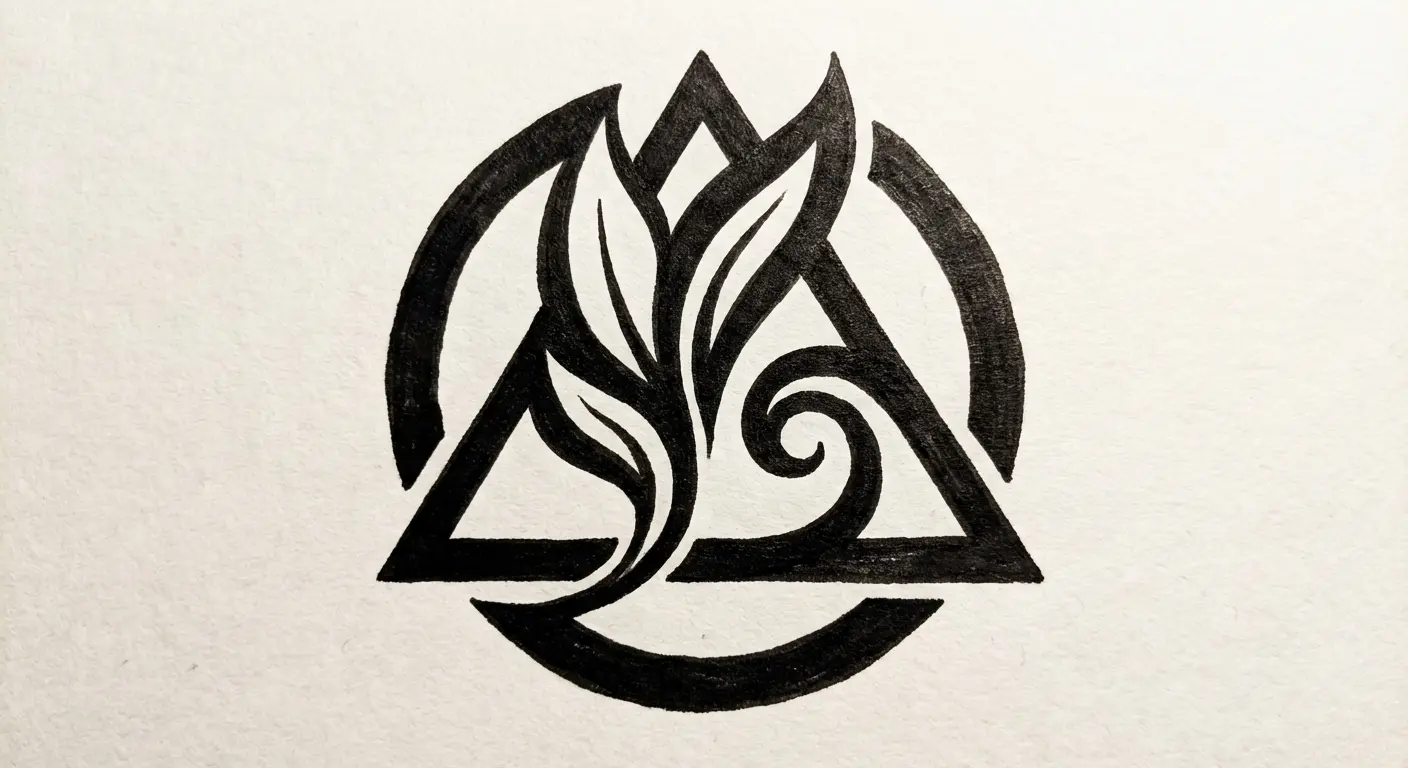
Recovery tattoos walk a line. You want the symbol that marks your program, the triangle, the lotus, whatever speaks to your path. But you also want it to represent the specific people who kept you alive.
Add their initials. Work in your sobriety date. Include the phone number of your sponsor if they’re cool with it (ask first). One guy I know has the coordinates of the church basement where his home group meets.
These tattoos do double duty: they celebrate how far you’ve come and they’re an accountability tool. Hard to relapse when you’ve got your one-year date tattooed on your forearm and your sponsor’s initials right next to it.
Recovery communities create bonds that often become family-level commitments to each other’s continued sobriety and wellbeing. Marking a specific milestone, one year, five years, ten years, or getting matching sobriety date loyalty tattoos with your recovery family acknowledges the loyalty required to show up for each other through the hardest parts.
Add symbols representing what you’ve gained in recovery. Family reunions, career achievements, or simply the ability to wake up without shame.
17. Professional Partnership Seal
Business partnerships and professional collaborations that go beyond typical work relationships deserve recognition through a loyalty tattoo. Creating a shared seal or emblem that represents your joint mission, the values you built together, or the specific achievement you accomplished as partners marks loyalty that goes beyond contracts.
This works especially well for co-founders, creative collaborators, or professional relationships where you’ve built something meaningful together. The loyalty tattoo design should incorporate elements that represent both individuals while creating something unified.
Even if the partnership eventually ends, the loyalty tattoo remains a marker of what you built together during that chapter. Design these as complementary rather than matching. Two halves that create a whole when brought together, but each stands as a complete design on its own. You’re acknowledging that you were stronger together while honoring that you’re also complete individuals.
Loyalty to Purpose: Mission-Driven Ink
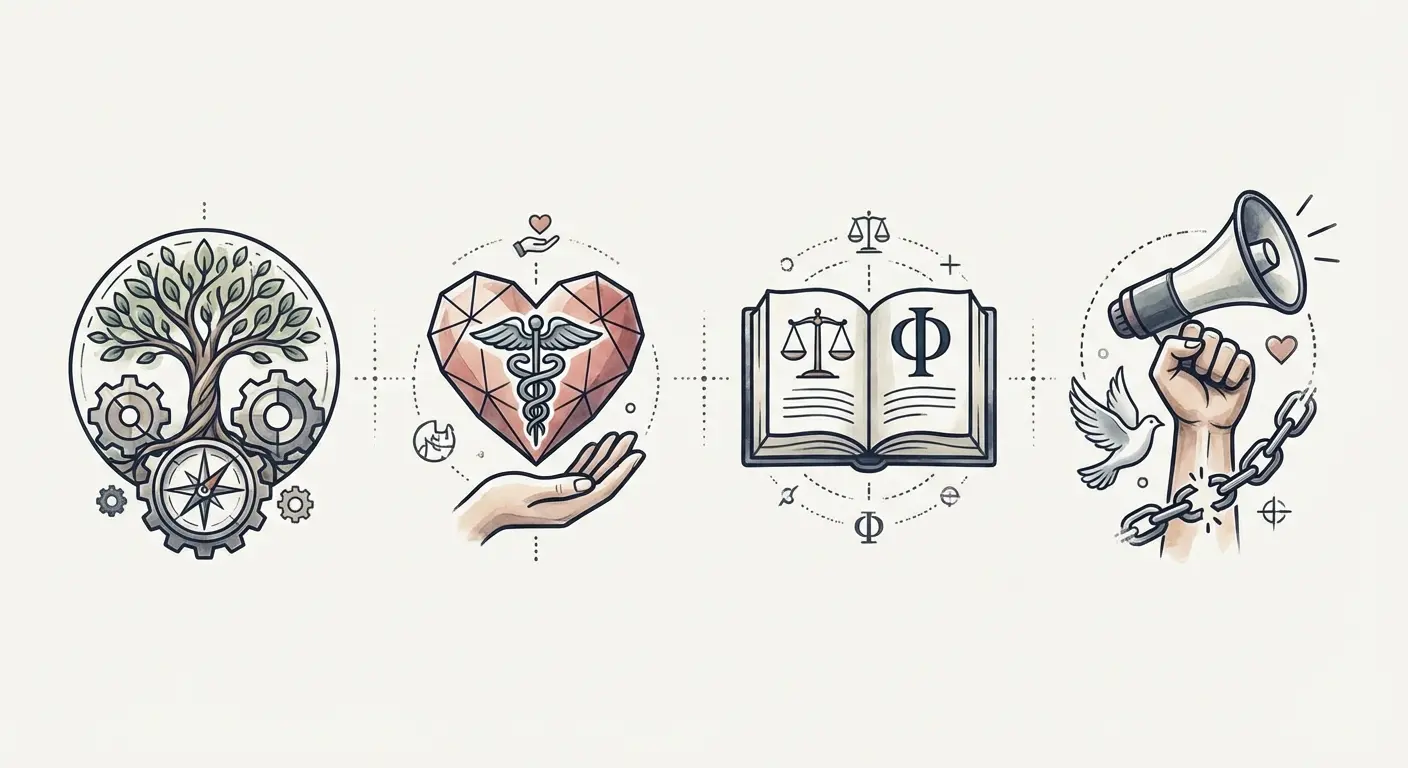
Some loyalty goes beyond individual relationships and connects to causes, professions, or philosophical commitments that shape how you move through the world. These loyalty tattoo designs work because they ground abstract commitments in concrete visual language.
You’re not just saying you believe in something. You’re marking your body as a permanent reminder of what you’re loyal to even when it’s inconvenient, unpopular, or costly through a loyalty tattoo. Purpose-driven loyalty tattoos require careful thought because they need to remain meaningful even as your understanding of the purpose evolves or deepens over time.
18. Cause Symbol With Personal Element
Awareness ribbons are everywhere. Cancer ribbons, autism ribbons, mental health ribbons. They’re well-intentioned but they all look the same.
Make yours personal. You’re loyal to cancer research because you lost your mom? Work her initials into the ribbon. Fighting for mental health awareness because you’ve been hospitalized? Add the date you were released. Advocating for a disease because you have it? Include your diagnosis date.
The ribbon gives context to strangers. The personal details are for you and the people who know your story.
While awareness symbols are common, heart tattoo variations can add emotional depth to cause-related loyalty ink, especially for health advocacy or memorial designs. A date of diagnosis. Initials of someone you lost. Coordinates of where you first got involved in your loyalty tattoo.
You’re showing that this cause has your loyalty because of lived experience, not just abstract belief. Combine multiple cause symbols if you’re committed to several issues, creating a composition that tells the story of what you fight for and why through your loyalty tattoo.
19. Profession Tool as Sacred Object
Some jobs are just jobs. Some are callings.
If you’re a teacher who can’t imagine doing anything else, a nurse who feels physically sick at the thought of leaving healthcare, a carpenter who sees beauty in wood grain, your primary tool deserves sacred object status.
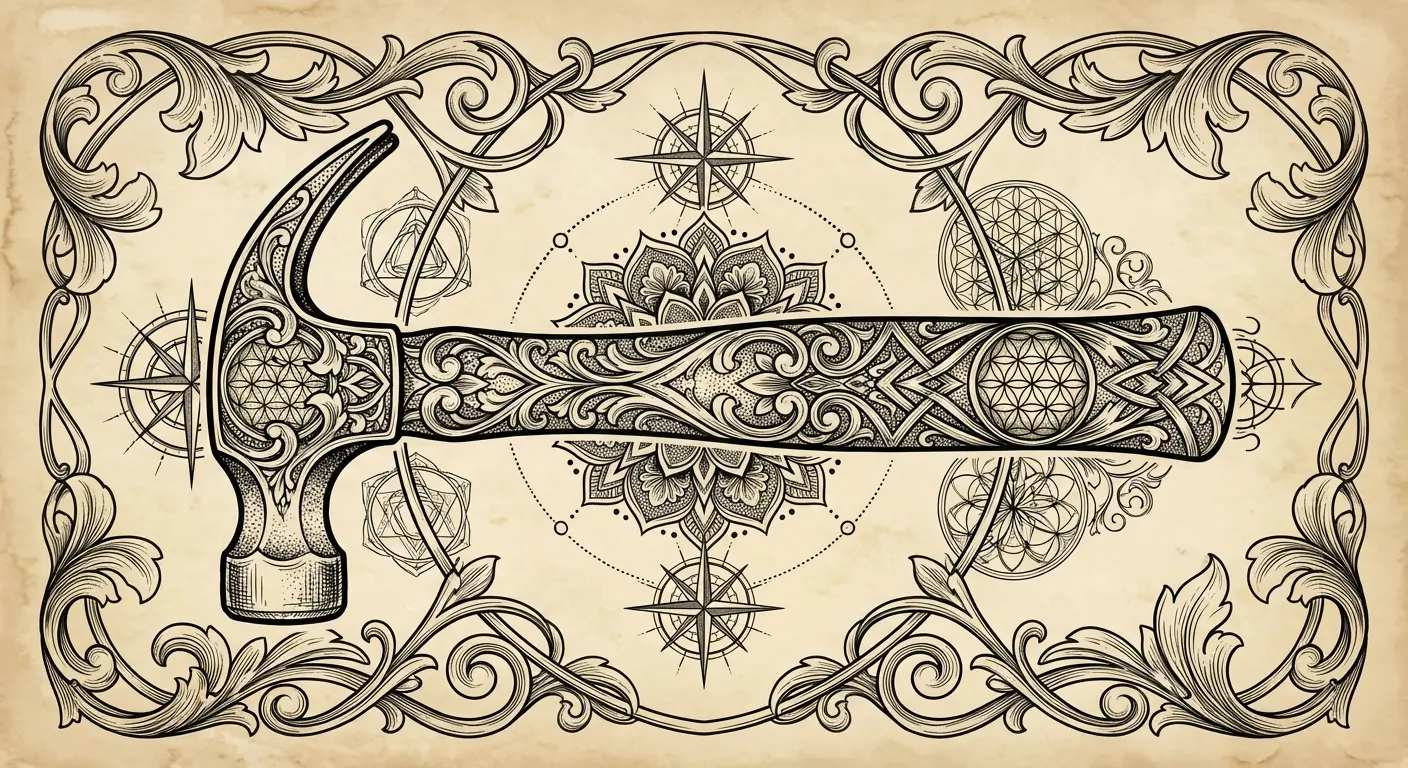
Render your stethoscope, your hammer, your paintbrush in a style that elevates it. Add elements that represent why you’re loyal: a quote that drives you, a symbol of who you serve, the date you knew this was your path.
I’ve seen nurses incorporate initials of patients who changed them. Teachers who add symbols of breakthrough moments with students. Tradespeople who include elements from their first major project.
The tool becomes shorthand for the entire calling.
The tool itself is recognizable, but the treatment and additional elements make it clear this loyalty tattoo represents a deeper commitment. The tool becomes a stand-in for the entire calling.
20. Geographic Marker of Transformation
Some places get under your skin. Change you. You leave, but you carry them with you in how you think, how you act, who you’ve become.
This isn’t just coordinates. It’s capturing what that place taught you.
Maybe it’s the outline of a country where you did service work that shattered your worldview. Mountains where you found yourself. The street grid of a neighborhood that taught you what community actually means.
The geographic element serves as the foundation, but you add imagery or text that captures what you’re loyal to. The lessons learned, the person you became, the commitments you made there. Work in flora or fauna native to that place, architectural elements that defined the landscape, or abstract representations of what the place taught them in their loyalty tattoo. The geography becomes a container for transformation rather than just a location marker.
21. Philosophical Quote in Original Language
English translations flatten things. A Stoic principle in ancient Greek, a Buddhist teaching in Sanskrit, a line from your grandmother’s native language. The original words carry weight that translations lose.
Plus, foreign script makes people slow down. You slow down. Instead of skimming familiar English, you have to actually look at it, think about it.
It also creates privacy. Most people can’t read ancient Greek at a glance. The words are for you and anyone who’s done the work to understand them.
One warning: triple-check the translation with a native speaker or scholar. Google Translate will absolutely screw this up and you’ll be stuck with gibberish forever.
Side note: if you’re getting foreign language text, pay a native speaker to verify it. I’ve seen too many Sanskrit tattoos that accidentally say “chicken soup” instead of “inner peace.”
You’re marking loyalty to a philosophical framework or principle that guides your decisions, and the original language shows you’ve engaged deeply enough to honor its source. Add small visual elements that represent how you apply the philosophy in daily life, creating a bridge between ancient wisdom and contemporary practice in their loyalty tattoo ideas.
Making Your Loyalty Tattoo Work
You’ve seen 21 approaches that prioritize authentic representation over generic symbolism for loyalty tattoos. Now comes the hard part: translating your specific loyalty into visual form.
Here’s where people get stuck: they know what they want to honor, but they can’t explain it to a tattoo artist.
“I want something for my family” is too vague. “I want to honor my sister who co-signed my apartment when I was broke and never mentioned it again” gives your artist something to work with.
Not “recovery.” Say “the three people who answered my 2am calls during my first year sober.”
Not “my career.” Say “the moment I realized teaching wasn’t just a job but the thing I’m supposed to do with my life.”
That specificity is what separates meaningful tattoos from forgettable ones. You’re not designing a tattoo about loyalty in general. You’re marking THIS loyalty. This person. This moment. This promise that changed everything.
Can’t figure out how to turn your story into a visual design? That’s the hardest part.
Tattoo Generator IQ lets you describe your specific loyalty story in plain language and generates multiple design options. It’s useful when you know what you want to honor but haven’t found the right visual language yet.
Think of it as sketching without needing to know how to draw.
Final Thoughts
Once you get your loyalty tattoo, don’t screw up the healing. Follow proper aftercare or you’ll ruin meaningful ink with an infected mess.
Look, you don’t owe strangers an explanation of your tattoo. The best loyalty ink works in layers. Surface meaning for random people who ask, deeper meaning for your inner circle, deepest meaning for you alone.
That layered meaning is what keeps a tattoo relevant. Ten years from now, surface-level ink feels hollow. But something with depth? It grows with you.
Your loyalty tattoo should function as a permanent reminder to yourself first and a signal to others second.
Design for yourself first. Everyone else second.
Do that and you’ll end up with ink that actually does its job. Keeps you anchored to what matters when everything else is chaos. When relationships change. When your path takes turns you didn’t see coming.
The loyalty tattoo that works? It’s the one that still hits you ten years from now. Reminds you who you were. Shows you who you’ve become. Marks what you decided to carry forward.
That’s the ink worth getting.
