Snake Tattoo Meaning: Why the Real Story Starts With What You’re Shedding
Table of Contents
-
Why We’ve Been Reading Snake Tattoos All Wrong
-
The Transformation Nobody Talks About: Shedding as Self-Authorship
-
Cultural Threads That Complicate the Narrative
-
When Duality Becomes a Design Choice
-
The Feminine Power Reclamation Movement
-
Placement Psychology and What Your Body Is Saying
-
Color Theory Beyond the Obvious
-
Combining Symbols Without Creating Visual Noise
Why We’ve Been Reading Snake Tattoos All Wrong
Last week, someone sat across from me and said they wanted a snake tattoo for “transformation.” I asked what they were transforming from, and they just… stopped. That pause? That’s where the real conversation starts.
Walk into any tattoo studio and mention you’re considering a snake design, and you’ll hear the same interpretation: transformation, rebirth, renewal. Snake tattoos have maintained their position as one of the most requested designs across tattoo studios globally, with transformation and rebirth cited as the primary motivations for choosing serpent imagery. But here’s what we’ve been missing: it’s not about the shiny new skin that emerges. It’s about the deliberate, sometimes painful act of peeling away what no longer fits.
We’ve been celebrating the wrong part.
The snake tattoo meaning isn’t about what you’re becoming. It’s about what you’re choosing to leave behind. Most interpretations focus on the end result while completely ignoring the agency required to release what’s constrictive. And that agency? That’s the whole point.
Once you see it this way, everything shifts. Your tattoo stops being a passive marker of change that happened to you and becomes a declaration that you’re actively making space for growth. You’re not waiting for transformation to arrive. You’re choosing it, initiating it, enduring the vulnerability that comes with it.
The Shedding Process as Active Choice
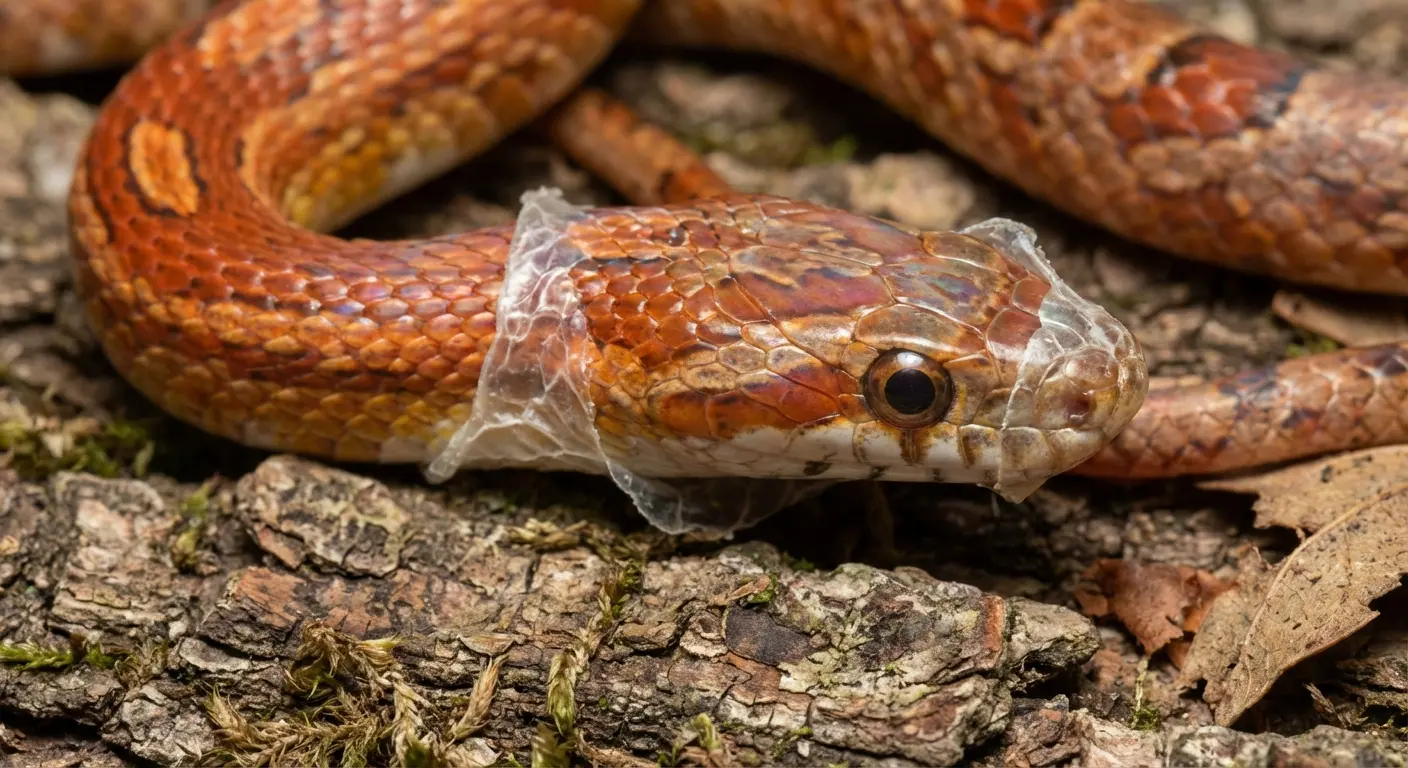
Snakes don’t shed skin because they want to transform. They shed because they’ve outgrown their current form, and staying in it would literally restrict their ability to function. The biological process becomes a perfect metaphor for conscious decision-making that most people miss when they’re scrolling through Pinterest boards of pretty serpent designs.
What does a snake tattoo symbolize when you understand this distinction? It symbolizes the recognition that growth requires you to become temporarily vulnerable. During shedding, snakes can’t see clearly. Their vision is impaired by the cloudy layer forming over their eyes. They’re exposed, defenseless, uncomfortable.
They don’t shed because it feels good. They shed because staying in the old skin has become more painful than the discomfort of releasing it.
Think about someone leaving a corporate career after fifteen years to pursue creative work. They’re not getting a snake tattoo to celebrate becoming an artist. They’re marking the deliberate choice to shed the identity of “successful executive” that their family expected, the financial security they were taught to prioritize, and the version of themselves who stayed quiet in meetings to keep the peace. The tattoo acknowledges that growth required them to become temporarily vulnerable, financially unstable, and uncomfortable while they figured out who they were without the old structure.
That’s the part worth commemorating. Not the glossy after-photo, but the courage it took to peel away what everyone else thought you should be.
Self-Authorship Through Symbolic Choice
Choosing a snake tattoo works as narrative control. When you’ve had your story told for you (by family expectations, cultural programming, religious doctrine, or circumstances beyond your control), the serpent becomes a visual statement that says “I’m writing this chapter myself.”
This hits different for people leaving restrictive environments, ending toxic relationships, or breaking generational patterns. The tattoo isn’t marking a moment. It’s declaring ownership over your own mythology. When exploring deeper symbolic meaning in tattoos, understanding how personal narrative intersects with universal symbolism helps clarify what you’re truly trying to express through permanent body art.
Before finalizing your snake tattoo design, ask yourself:
-
What story about yourself were you told that never felt true?
-
Which version of yourself were you performing to meet others’ expectations?
-
What identity are you actively choosing to leave behind?
-
What would it mean to define yourself without external validation?
-
How will this tattoo remind you that you control your own narrative?
These aren’t abstract philosophical questions. They’re the foundation of what your tattoo will mean every time you see it in the mirror. The snake becomes your co-author, helping you rewrite the parts of your story that were never yours to begin with.
The Transformation Nobody Talks About: Shedding as Self-Authorship
The meaning of a snake tattoo deepens when you get specific about what you’re leaving behind. We need to move past vague “old self” language and name the actual things people shed when they choose serpent imagery: imposed identities, trauma responses that once protected you but now limit you, the exhausting need for others’ approval.
Unlike the phoenix’s one-time rebirth narrative, the snake’s repeated shedding cycles offer a more realistic framework for understanding transformation as an ongoing process rather than a singular dramatic event. Snakes shed multiple times throughout their lives. They don’t do it once and declare themselves complete.
This makes them more honest symbols than birds rising from ashes, which imply you get one shot at reinvention and then you’re done.
Growth is cyclical. You’ll outgrow different skins at different stages.
Here’s what nobody tells you: you’ll shed the same shit multiple times. That people-pleasing pattern you thought you killed at 25? It’ll show up again at 35, wearing a different outfit. The snake tattoo isn’t a graduation certificate. It’s a reminder that you’ll be doing this work for the rest of your life.
What You’re Leaving in the Skin
Let’s get specific about what actually gets left behind. These aren’t abstract concepts. They’re survival strategies that served a purpose once but have become prisons.
|
What You’re Shedding |
Why It’s Difficult to Release |
What the Snake Tattoo Acknowledges |
|---|---|---|
|
People-pleasing behaviors |
They kept relationships intact and conflict at bay |
These patterns protected you but now prevent authentic connection |
|
Inherited family shame |
It’s woven into your identity across generations |
You can honor your history without carrying shame that isn’t yours |
|
Perfectionism |
It earned approval and felt like control |
The exhaustion of never being enough has become more costly than the validation |
|
Codependent patterns |
They made you feel needed and valuable |
Your worth isn’t contingent on managing others’ emotions |
|
Religious guilt |
It provided community and moral framework |
You can build ethics without shame-based control |
|
Trauma responses |
They kept you alive during dangerous times |
Safety looks different now, and old defenses limit current growth |
The snake doesn’t judge its old skin.
It just leaves it behind.
No analysis. No guilt. No wondering if it made the right choice. It outgrew that version, so it moved on.
That’s the wisdom worth tattooing on your body. Knowing when the walls you built to protect yourself became the walls keeping you trapped. When playing it safe stopped being safety and started being a cage.
The Ongoing Nature of Personal Evolution
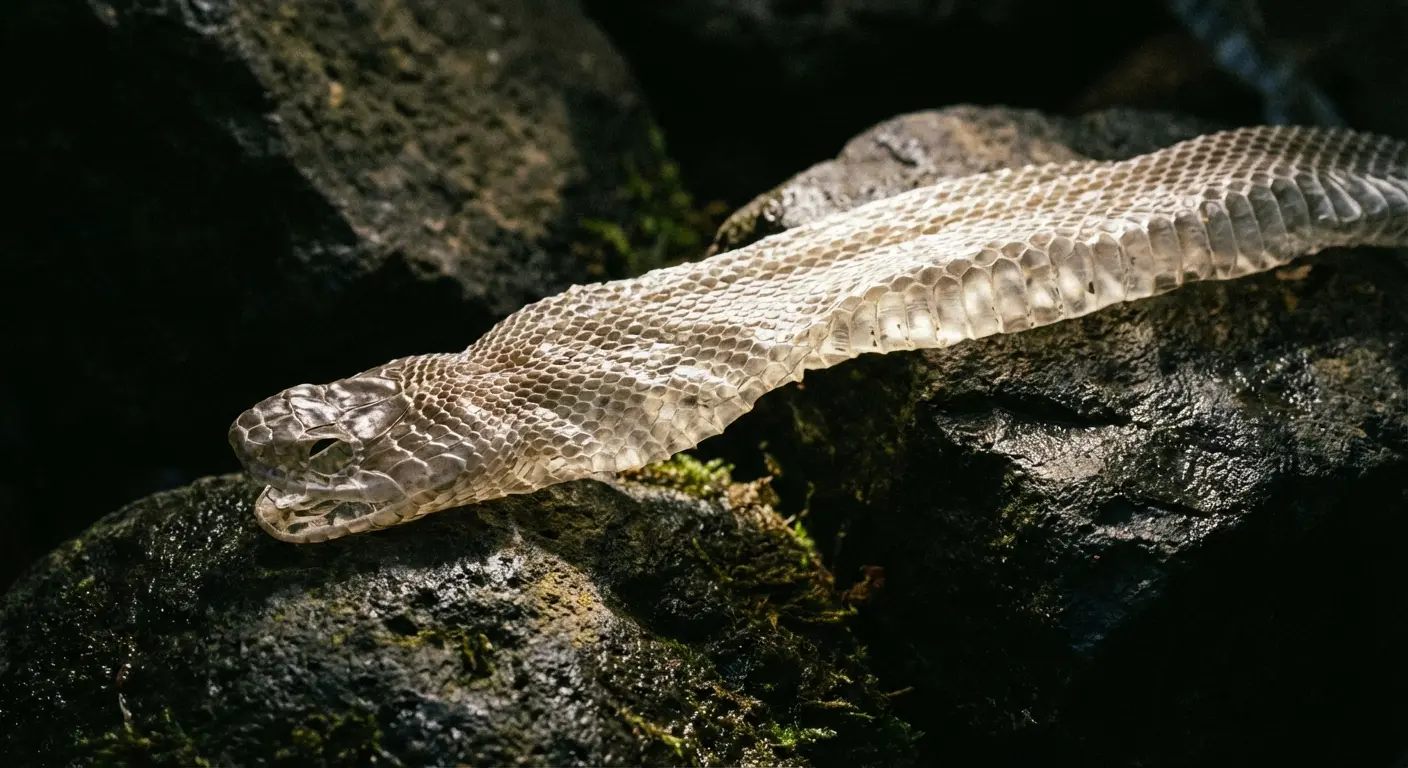
I know someone who got a snake tattoo at forty-two after her second divorce. Not as a declaration that she was “finally healed” but as acknowledgment that she’d shed the belief that she needed to get relationships right on the first try. Five years later, she added another snake wrapping around the first after leaving a career that no longer fit.
The tattoos don’t mark endpoints. They mark her willingness to keep shedding what doesn’t serve her, recognizing that growth happens in layers throughout a lifetime, not in a single transformative moment.
This takes the pressure off. You’re not failing if you need to shed again in five years. You’re succeeding at being alive, which requires continuous adaptation.
The snake tattoo becomes a commitment to self-examination rather than a declaration that you’ve arrived. It says you’re willing to keep asking hard questions about what fits and what doesn’t, what serves and what constrains, what’s yours and what you’re carrying for someone else.
Cultural Threads That Complicate the Narrative
Snake symbolism doesn’t belong to one culture or carry one meaning. The same image can represent divine wisdom in one tradition and dangerous chaos in another, and holding both interpretations simultaneously creates depth rather than confusion.
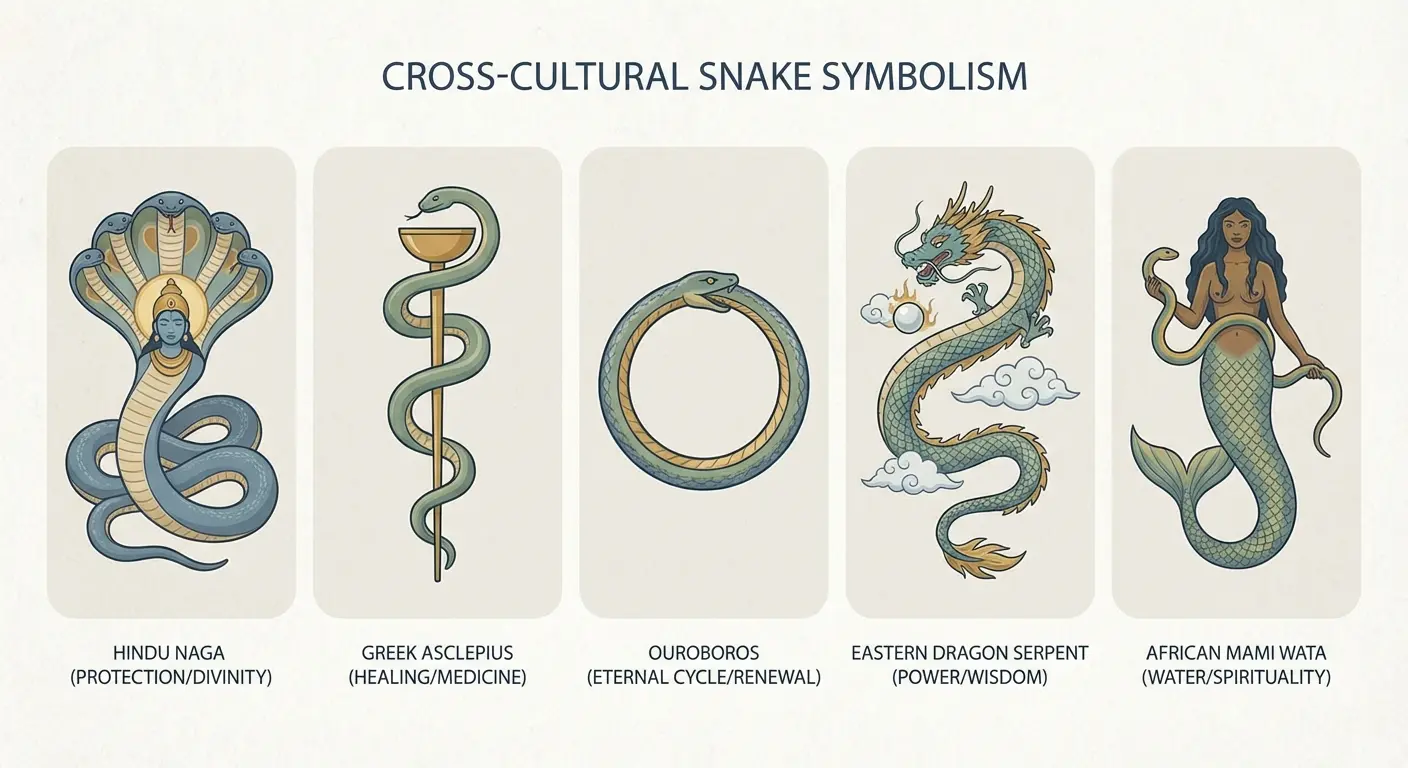
The cultural complexity of snake symbolism spans millennia, with snakes representing everything from divine protection in Hindu and Buddhist Naga traditions to healing in Greek mythology through the staff of Asclepius, which remains the symbol of medicine worldwide today. This multiplicity means your tattoo participates in multiple cultural conversations simultaneously, whether you intend it or not.
You’re not appropriating by choosing snake imagery (it’s nearly universal). But understanding which cultural thread you’re pulling on and why it resonates with your specific experience adds layers to what you’re expressing.
Eastern Traditions and Divine Protection
In Hindu, Buddhist, and other Eastern traditions, snakes often represent protection, wisdom, and divine power. Nagas guard treasures and sacred spaces. Kundalini energy coils at the base of the spine, waiting to rise through the chakras. These interpretations position the snake as a force of spiritual awakening rather than temptation or danger.
The spiritual dimensions of snake tattoos have gained renewed attention in contemporary body art culture, as seen when actress Zoë Kravitz added her second snake tattoo in 2020, this time featuring a serpent wrapped around an anatomical heart by celebrity tattooer Dr. Woo (PopSugar). Kravitz’s collection of 55+ tattoos includes multiple snake designs, suggesting the symbol’s capacity for layered, evolving personal meaning rather than a single static interpretation.
This lands hardest if you’re drawn to snake imagery for its spiritual dimensions, particularly if you’re exploring practices outside Western religious frameworks. Understanding these contexts helps you make informed choices without requiring you to adopt entire belief systems. You can appreciate the protective, wisdom-bearing aspects of serpent symbolism without converting to Hinduism or Buddhism.
Western Demonization and Reclamation
Abrahamic religions positioned the serpent as the ultimate deceiver, and that narrative has shaped Western perception of snake symbolism for centuries. This demonization was particularly weaponized against women. Eve and the serpent, Lilith’s serpentine associations, the “seductive serpent” trope that justified controlling female sexuality and autonomy.
Modern tattoo choices often work as deliberate reclamations of that imagery. Choosing a snake tattoo can be an act of resistance against religious shame, particularly for people deconstructing from fundamentalist backgrounds. You’re taking the symbol that was used to control you and declaring it doesn’t have that power anymore.
The political dimensions of religious tattoo symbolism entered mainstream conversation when Pete Hegseth, Trump’s Defense Secretary nominee, faced scrutiny over his multiple Christian and Crusades-inspired tattoos, including imagery that has been adopted by far-right movements (Religion Unplugged, 2024). This controversy highlighted how religious symbols in tattoos carry contemporary political weight, whether the wearer intends that association or not. It’s a reminder that snake imagery’s religious demonization continues to shape how the symbol works in public discourse.
Your snake tattoo exists in this context whether you want it to or not. Understanding the weight it carries helps you decide how to position it in your own narrative.
When Duality Becomes a Design Choice
Snakes inherently represent duality: creation and destruction, healing and poison, wisdom and danger. This makes them perfect symbols for people who refuse to be reduced to simple narratives.
Embracing duality in your tattoo design means accepting that you contain contradictions and don’t need to resolve them. You can be both gentle and fierce, both wounded and powerful, both cautious and bold. The snake gives you permission to be complex in a world that prefers simple categories.
Holding Contradictions Without Resolution
There’s psychological freedom in accepting you don’t have to choose between opposing qualities. The snake tattoo becomes permission to be multifaceted.
This lands hardest for people who’ve been told they’re “too much” or “not enough,” people who’ve been asked to pick a side or simplify themselves for others’ comfort. Maybe you’re ambitious and also value rest. Maybe you’re independent and also crave deep connection. Maybe you’re spiritual and also deeply skeptical.
The snake says all of these can be true simultaneously.
The power of the symbol lies in its refusal to be one thing. It doesn’t apologize for containing opposites.
If you’re drawn to snake imagery because you contain contradictions, think about:
-
Which opposing qualities you want to represent (gentleness/fierceness, vulnerability/strength, chaos/order)
-
Whether you want the duality explicit (two-headed snake, contrasting colors) or implicit (single serpent with layered symbolism)
-
If additional symbols would clarify your contradictions (snake with flowers and thorns, serpent wrapped around both dagger and rose)
-
Whether placement should emphasize the duality (wrapped around opposing limbs, spanning front and back of body)
-
Are you comfortable with viewers interpreting multiple meanings, or do you need the design to communicate specific contradictions?
Design Elements That Emphasize Multiplicity
So how do you actually translate duality into visual form? Here’s what different design choices communicate:
|
Duality Design Element |
Visual Representation |
What It Communicates |
|---|---|---|
|
Two-headed serpent |
Single body, two heads facing opposite directions |
Internal conflict, ability to see multiple perspectives, divided loyalties |
|
Ouroboros (tail-eating) |
Snake forming complete circle by consuming its own tail |
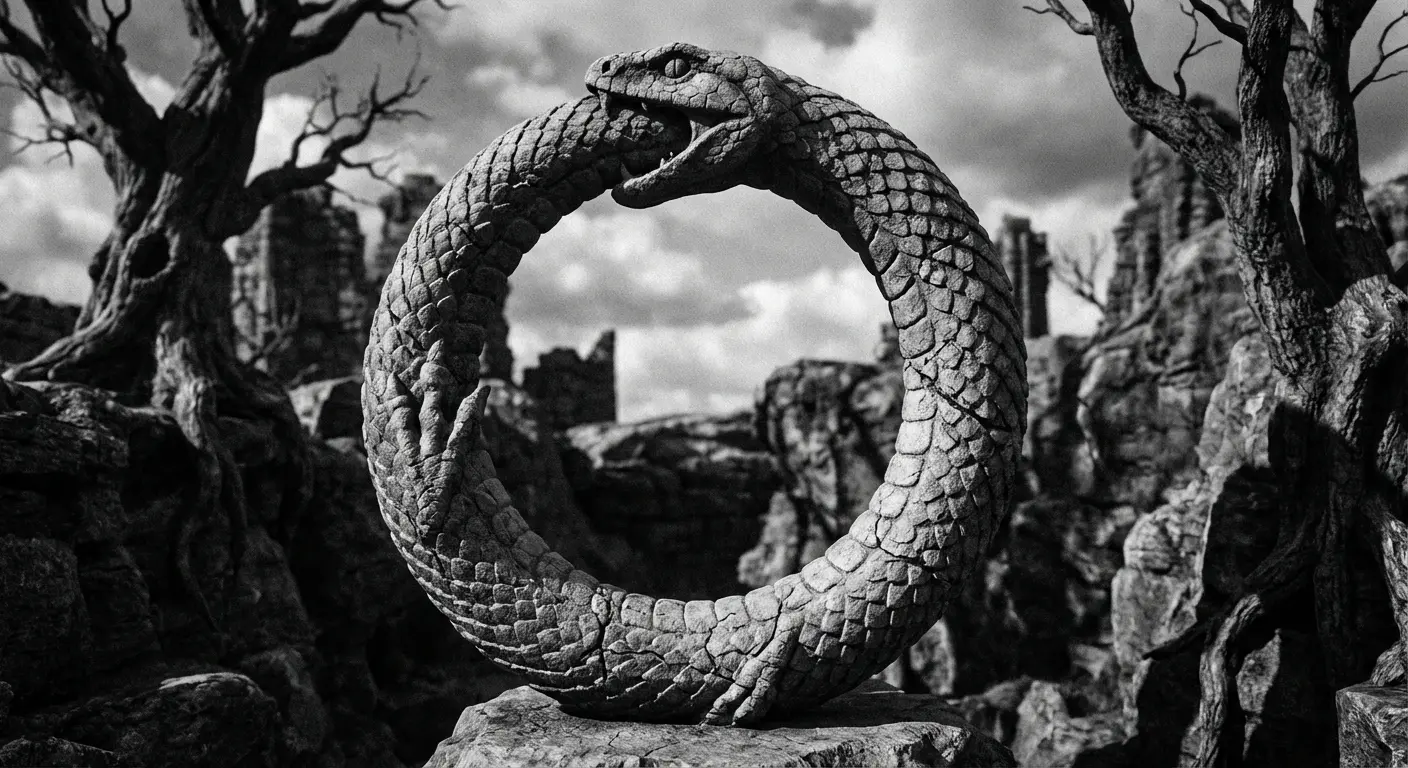
Eternal cycles, self-sustenance, destruction and creation as one process |
|
Split coloring |
Half the snake in warm tones, half in cool tones |
Light/dark duality, opposing forces within one being |
|
Snake with rose and dagger |
Serpent intertwined with both symbols |
Beauty and danger, love and protection, gentleness and fierceness |
|
Ascending/descending coil |
Snake spiraling both upward and downward |
Spiritual growth and earthly grounding, transcendence and embodiment |
|
Snake shedding mid-process |
Partial old skin still attached |
In-between states, transformation as ongoing rather than complete |
Two-headed serpents work particularly well for people who feel pulled in opposite directions or who’ve developed the ability to see multiple perspectives simultaneously. The ouroboros speaks to people who understand that endings and beginnings are part of the same cycle, that what you destroy makes space for what you create.
Look, ouroboros tattoos are cool, but they’re also getting kind of played out. If that’s what speaks to you, great. Just know you’re getting the snake equivalent of an infinity symbol.
Color choices can emphasize duality without requiring multiple heads or complex compositions. A snake that transitions from warm to cool tones along its body communicates internal contradiction through color alone.
The Feminine Power Reclamation Movement
What does a snake tattoo mean in contemporary conversations about feminine power? It means reclaiming narratives that have demonized both snakes and women for centuries.
The association between women and serpents has been used to justify oppression throughout Western history. Eve’s temptation, Medusa’s monstrosity, the “seductive serpent” trope. All of these positioned feminine power as dangerous, deceptive, something to be controlled or destroyed.
Modern tattoo choices flip that script entirely. Snakes become symbols of feminine rage, wisdom, sexuality, and power that refuses to apologize. This reclamation is happening across gender identities, not just among women, as people reject patriarchal frameworks that equate femininity with weakness or deception.
For many people, this is a deliberately political use of the symbol.
From Temptress to Autonomous Power
Snake-woman associations have been framed as dangerous throughout Western history, and that framing was always about control. Women who were too knowledgeable, too sexual, too powerful, too autonomous got associated with serpents as a warning.
Claiming that imagery now becomes a refusal to shrink or apologize. The snake tattoo says “if my power makes you uncomfortable, that’s your problem.” You’re not performing softness to make others feel safe anymore. You ‘re not dimming your intelligence, your sexuality, your ambition, or your rage to fit into boxes that were never designed for your full humanity.
This isn’t subtle symbolism. It’s a deliberate middle finger to centuries of conditioning that taught you to be smaller, quieter, more palatable.

Medusa, Lilith, and Modern Mythology
Specific mythological figures associated with snakes are being reinterpreted in contemporary tattoo culture, and these reinterpretations matter.
Medusa, once a symbol of monstrosity, is now understood as a survivor of assault who was punished for being victimized. Poseidon raped her in Athena’s temple, and Athena’s response was to transform Medusa into a monster. The contemporary reinterpretation of Medusa tattoo symbolism has shifted from monstrosity to survivor strength, transforming her serpent-crowned image into a powerful statement about reclaiming narratives after trauma.
Lilith, demonized for refusing subservience to Adam, becomes a patron saint of autonomy. She wouldn’t submit, so she was written out of the story and replaced with a more compliant version. Reclaiming her serpentine associations means refusing to be the compliant version of yourself.
A survivor I know chose a Medusa tattoo with serpents forming her hair, deliberately reclaiming the mythological figure who was raped by Poseidon and then punished by Athena with a monstrous appearance. The tattoo doesn’t depict Medusa as a victim. It shows her with eyes open, serpents coiled and ready, stone-turning gaze directed outward. The wearer isn’t marking her trauma. She’s declaring that what was meant to shame her has become her protection, and anyone who approaches with harmful intent will be met with a force that turns them to stone.
These aren’t decorative choices. They’re declarations of war against narratives that positioned your power as something monstrous.
Placement Psychology and What Your Body Is Saying
Where you place a snake tattoo significantly impacts its meaning and how it works in your life. This isn’t just aesthetic preference. It’s psychological positioning that affects how you interact with the tattoo daily and how others encounter it.
According to tattoo trend analysis, snake tattoos can carry various meanings including transformation, rebirth, and wisdom, with their versatility in design and placement making them adaptable to nearly any body location (MensXP, 2026). This flexibility means placement becomes a meaning-making choice rather than a limitation, allowing you to position the symbol where it serves your specific psychological needs.
Public Declaration Versus Private Reminder
Visible placements work as external statements, signals to the world about who you are and what you value. A snake wrapping around your forearm or climbing your neck makes a public declaration. Everyone who sees you encounters that symbol, whether you’re at the grocery store or a job interview.
Hidden placements serve as personal touchstones, reminders of commitments you’ve made to yourself. A snake on your ribs, your inner thigh, your back. These are for you. They work as private conversations between you and your body, reinforcing decisions you’ve made about who you’re becoming without requiring external validation.
Neither is more valid, but they serve different psychological functions. You need to know what you actually want from the tattoo: external recognition or internal reinforcement.
Do you need the world to see this declaration, or do you need to carry it privately as a reminder when things get difficult? Both are legitimate needs. The question is which one this particular symbol serves.
Body-Specific Symbolism
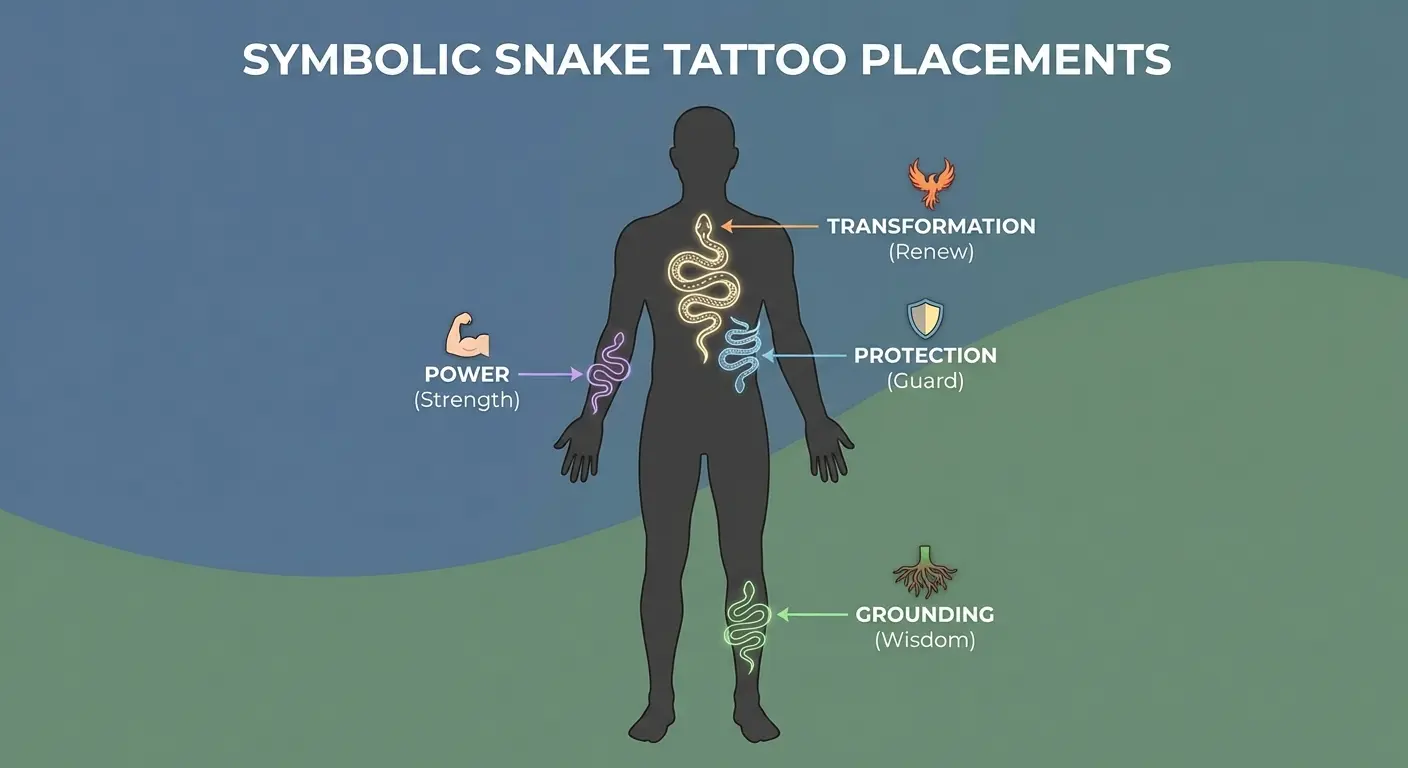
Spine placements connect to ideas of core strength and kundalini energy. The snake running along your backbone becomes a visual representation of what holds you upright, what gives you structure, what rises through you when you need power.
Arm or leg wrapping creates a sense of the snake as companion or protector, moving with you through the world. The serpent coils around your limbs, binding and releasing with your movement, suggesting that transformation travels with you rather than being a fixed destination.
Rib placements suggest guarding what’s vulnerable. Your ribs protect your heart and lungs. Placing a snake there positions the symbol as a guardian of your most vital, most tender parts. This works particularly well for people who’ve learned to protect themselves after being hurt, who need a visual reminder that they’re allowed to have boundaries.
Neck or face placements make bold statements about visibility and refusing to hide. You can’t cover these easily. They announce your choices to everyone you meet, which requires a particular kind of courage and commitment to the symbol’s meaning.
I’ll be honest, writing this section made me think about my own visible tattoos and how my conservative family reacts to them. There’s theory, and then there’s actually sitting at Thanksgiving dinner watching your grandmother’s face when she notices the new ink. It’s one thing to talk about reclaiming narratives. It’s another to live with the consequences of that reclamation in every family gathering.
Thinking through placement helps clarify what aspect of snake symbolism matters most to you. Are you emphasizing protection? Ongoing transformation? Core strength? Public declaration? The body part you choose answers that question.
Color Theory Beyond the Obvious
Color choices in snake tattoos dramatically shift their emotional and symbolic weight, and most people underestimate this impact. Black ink creates a different effect than vibrant color. Specific hues carry cultural and psychological associations that change how the tattoo communicates.
Emotional Weight of Specific Hues
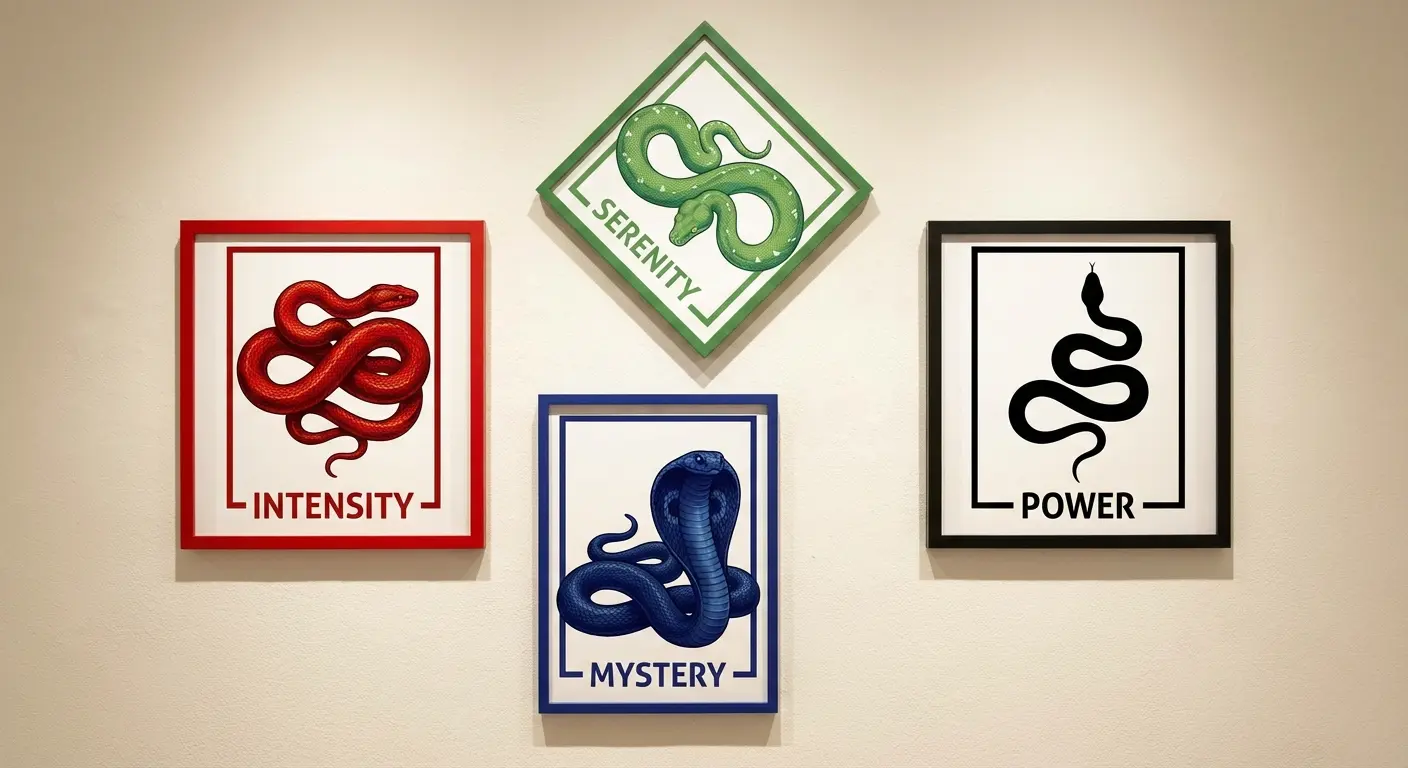
Red snakes carry aggression, passion, and vitality but also danger and warning. They’re visceral, immediate, impossible to ignore. Red communicates that you’re not playing it safe, that you’re willing to be seen as dangerous if that’s what honoring your full self requires.
Green snakes feel more grounded and natural, connecting to growth and healing but also to envy and poison. They suggest organic transformation, the kind that happens slowly through seasons rather than in dramatic moments. Green works well for people whose shedding process has been gradual, who’ve grown into themselves over years rather than through crisis.
Black snakes emphasize mystery and elegance, allowing the form to dominate. Without color to distract, the viewer focuses on the snake’s movement, its coiling, the way it wraps around your body. Black is classic for a reason. It never competes with the symbol itself.
Blue snakes create an otherworldly effect, suggesting wisdom or melancholy. They feel less earthbound, more spiritual or psychological. Blue works particularly well for people whose transformation has been internal, who’ve shed beliefs and thought patterns rather than external circumstances.
White or pale snakes feel ghostly, pure, otherworldly. They suggest something that exists between states, something not quite solid. This works for people who feel like they’re still in the shedding process, not yet fully formed in their new skin.
Cultural Color Symbolism
Colors carry different meanings in different cultural contexts, and that affects snake tattoo interpretation whether you’re aware of it or not.
White snakes are divine messengers in Japanese tradition, associated with good fortune and protection. Red and gold combinations suggest prosperity in Chinese symbolism, connecting to dragon imagery and imperial power. Understanding these associations helps you make informed color choices that respect the cultural threads you’re drawing from.
You don’t need to become an expert in every tradition, but basic awareness prevents you from accidentally communicating something you don’t intend. A white snake might feel aesthetically appealing to you, but understanding its divine messenger associations in Japanese culture adds depth to that choice if you decide to proceed with it.
Combining Symbols Without Creating Visual Noise
The desire to combine snake imagery with other symbols is common. Flowers, daggers, skulls, moons, geometric patterns. The challenge is doing this effectively without diluting your core message.
Adding elements should deepen rather than complicate the narrative. Every symbol you include should serve the overall concept rather than just filling space.
When Additional Symbols Enhance Meaning
The right additional symbols can clarify and deepen what your snake tattoo communicates.
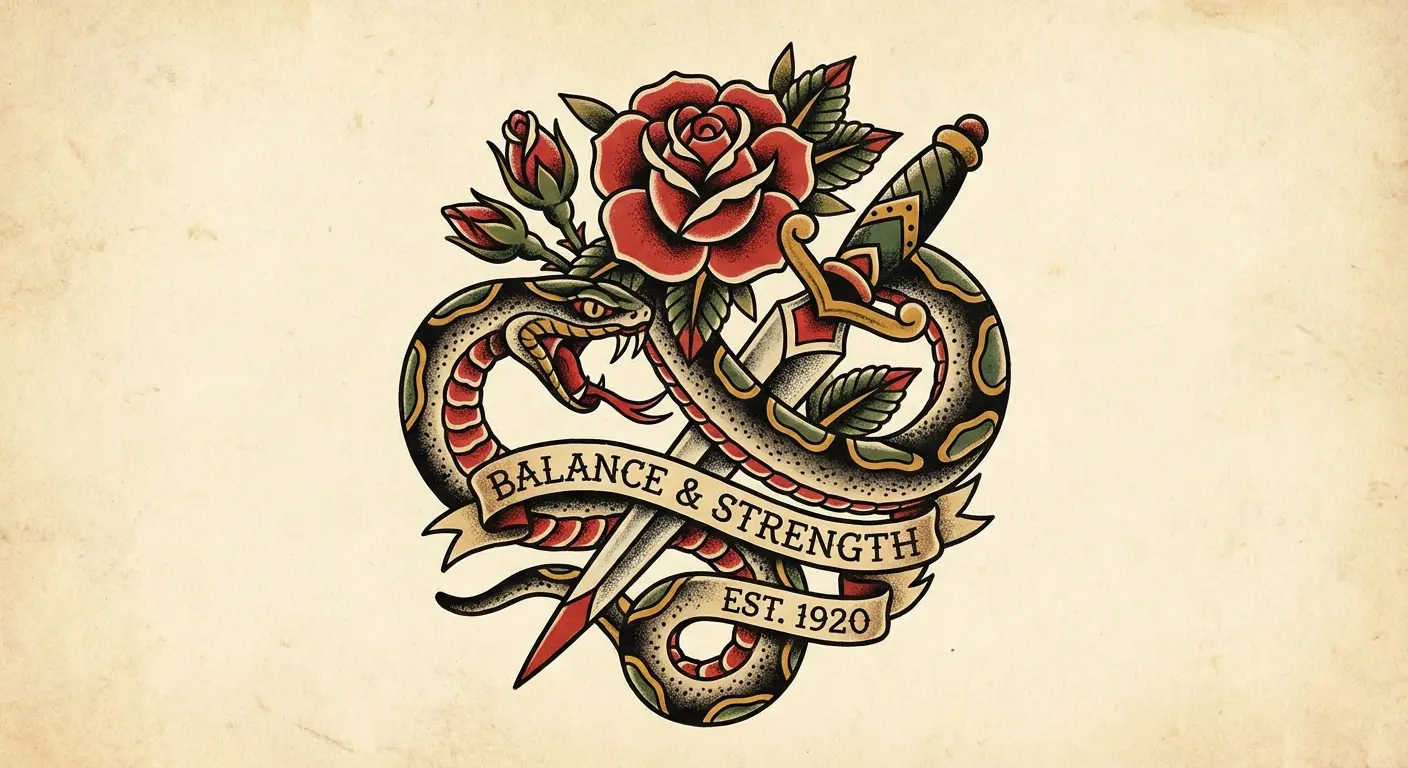
Flowers can emphasize growth and beauty emerging from transformation. A snake wrapped around roses suggests that what blooms from your shedding process is worth the thorns you had to navigate. The combination acknowledges both the pain and the beauty of growth.
Daggers can highlight the cutting-away aspect of shedding. You’re not passively releasing what no longer serves you. You’re actively severing ties, cutting through what binds you, wielding the blade yourself. The snake and dagger together communicate agency in transformation.
Celestial elements can connect the personal to the cosmic. A snake coiled around a moon suggests that your individual shedding process is part of larger cycles, that your transformation participates in something bigger than your individual story.
When considering symbolic combinations, exploring meaningful tattoo ideas for women can provide inspiration for pairing snake imagery with complementary elements that enhance rather than compete with your core message.
Choose complementary symbols by asking what specific aspect of the snake’s meaning you want to emphasize. Don’t add elements because they look cool or because you saw them in someone else’s design. Add them because they clarify something essential about your specific story.
Composition Principles for Complex Designs
Combining multiple elements without creating visual chaos requires understanding basic composition principles.
The snake should typically remain the central element. It’s the primary symbol, and everything else should support rather than compete with it. If you’re adding roses, the snake should still dominate the composition. The flowers enhance but don’t overtake.
Flow and movement matter in how elements interact visually. A snake wrapping around a dagger should follow natural movement patterns, not fight against them. The composition should feel cohesive, with each element leading your eye to the next rather than creating visual competition.
Negative space gives the design room to breathe. Don’t fill every inch of skin with imagery. The empty space around and between elements is part of the composition, creating contrast and allowing each symbol to stand out.
Scale relationships ensure no element overwhelms the others unless that’s intentional. If you want the snake to dominate, it should be larger and more detailed than supporting symbols. If you want equal weight between elements, they should be similarly sized and detailed.
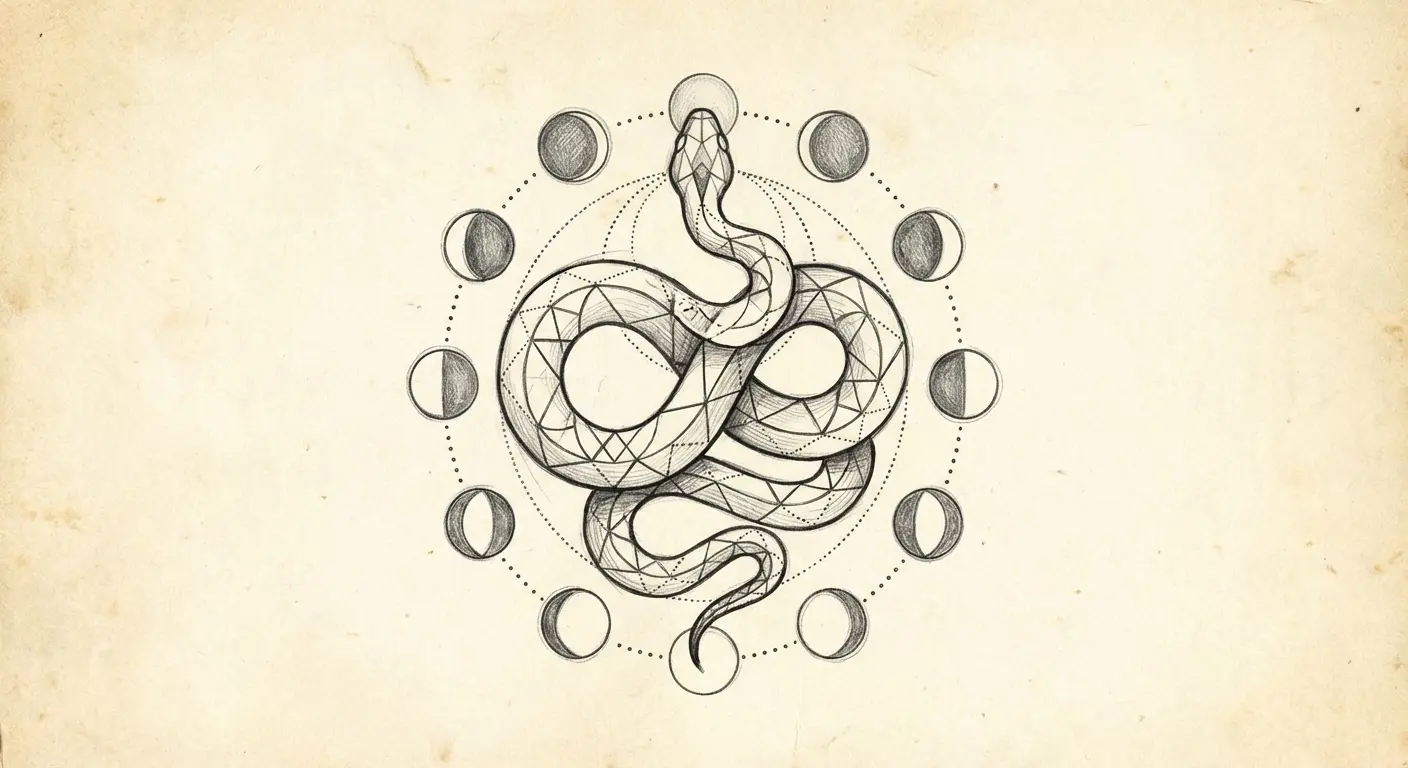
Working with a skilled tattoo artist is crucial for complex compositions, but understanding these principles helps you communicate your vision effectively. You can articulate what you want the focal point to be, how you want elements to interact, what feeling you want the overall composition to create.
(Quick tangent: If you’re stuck trying to visualize this stuff, tools like Tattoo Generator IQ can help you mock up ideas before you commit. I’m not affiliated, just mentioning it because the “explain your abstract concept to an artist” conversation is brutal for everyone involved. The tool lets you input the specific meanings, elements, and style preferences that matter to you, then generates multiple unique variations in seconds. Instead of trying to explain your vision before you’ve even clarified it for yourself, you can explore dozens of personalized designs that reflect what you’re actually trying to shed, reclaim, or declare. Okay, back to wrapping this up…)
Final Thoughts
So yeah. Snake tattoos are about transformation. But not the Instagram-friendly kind where everything works out and you emerge perfect and complete.
They’re about the uncomfortable middle part. The part where you can’t see clearly because your eyes are clouded over with the film of what you’re shedding. The part where you’re vulnerable and exposed and not sure who you’ll be on the other side.
Understanding the deeper layers of snake symbolism (the cultural complexity, the duality, the feminine reclamation, the psychological dimensions of placement and color) helps you create a tattoo that works as more than decoration. Your snake tattoo becomes a visual commitment to continuous growth, a reclamation of narratives that were never yours, and a declaration that you’re writing your own story now.
Choosing meaningful imagery requires thought and intention, and that investment makes the tattoo more powerful. You’re not just picking something that looks cool. You’re selecting a symbol that will remind you, every time you see it, of the choice you made to shed what no longer serves you.
Whatever you’re shedding to make room for growth, the snake reminds you that vulnerability during transformation is part of the process, not a flaw in it. Snakes are exposed during shedding. Their vision is impaired. They’re defenseless. And they do it anyway, because staying in the old skin has become more painful than the discomfort of releasing it.
That’s the shit worth putting on your body permanently. The willingness to be in that space. The courage to shed what’s familiar because you’ve outgrown it.
Get the tattoo when you’re in the middle of it, not when you’re done.
Because you’ll never be done.
