Sunflower Tattoo Meaning: Why Your Interpretation Matters More Than Tradition
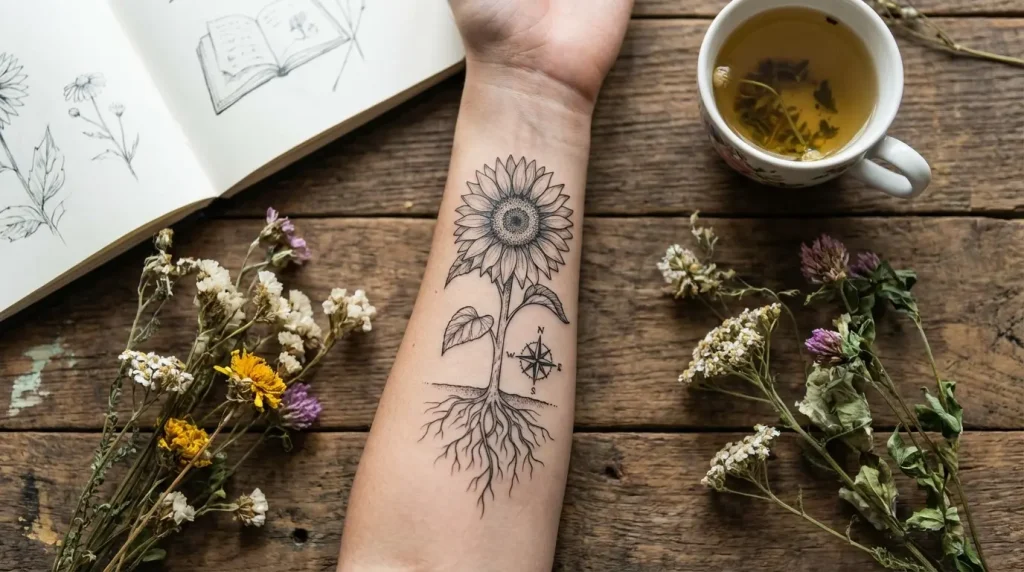
Table of Contents
-
Why Generic Symbolism Misses the Point
-
The Cultural Weight We Ignore (And Why That’s a Problem)
-
What Sunflowers Actually Represented Before Pinterest
-
The Psychology of Personal Meaning vs. Inherited Meaning
-
How to Build Your Own Sunflower Symbolism
-
Placement Changes Everything (More Than You Think)
-
Style Choices That Contradict Traditional Meanings
-
When Your Sunflower Tattoo Doesn’t Need to Mean Anything Deep
-
Designing a Sunflower That Reflects Your Story
TL;DR
Quick version: Traditional meanings don’t matter unless they matter to YOU. Cultural context (especially Ukrainian symbolism) is real and worth understanding. Your personal meaning beats inherited symbolism every time. Placement and style change everything. You can get a sunflower just because it looks cool. Building personal meaning means making intentional design choices about variety, color, stage of bloom, and what else you include.
Why Generic Symbolism Misses the Point
Every other blog says the same five things about sunflower tattoos. Happiness. Loyalty. Longevity. Positivity. Adoration.
Those meanings only matter if they actually resonate with your life. Otherwise? They’re just words on a Pinterest board.
Research shows that people report higher long-term satisfaction with tattoos that have specific personal meanings compared to tattoos chosen primarily for aesthetic reasons or adopted symbolism. Your individual connection to the design matters more than what some Victorian flower dictionary claims it should represent. When we talk about sunflower tattoo meaning, we’re really talking about what the flower means to you.
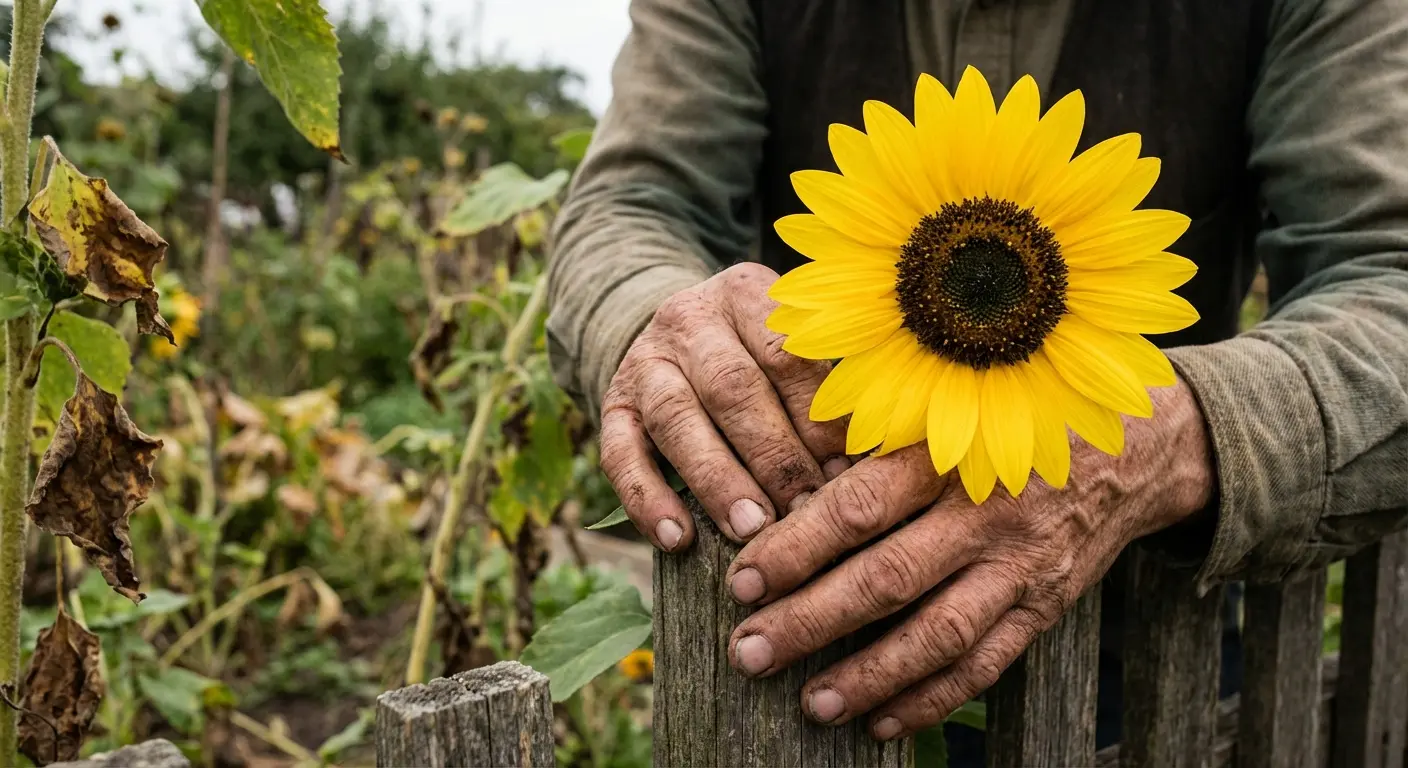
What a sunflower means depends on your memories, your cultural background, and what you need that tattoo to represent in your life right now. That sunflower your grandmother grew in her garden? That carries more weight than anything the Incas believed about sun worship.
Most tattoo content treats symbolism like it’s carved in stone. That ignores how symbols actually work in human psychology. You don’t inherit meaning from ancient traditions. You construct it through lived experience.
Why You’re Really Here
You’re not looking for a history lesson. You want someone to tell you it’s okay to get a sunflower because it reminds you of a specific summer, or a person, or a place. Even if that meaning doesn’t align with what you’re “supposed” to feel about sunflowers.
It’s okay.
Your interpretation is the only one that matters once that ink is in your skin.
According to a 2025 opinion piece from The Sunflower, there’s growing pushback against the idea that tattoos must carry deep significance: “Our bodies are a blank canvas meant for decoration, if one so desires, and we should be able to ‘decorate’ it how we see fit.” Understanding the meaning of a sunflower tattoo becomes less about following prescribed rules and more about honoring your authentic connection to the design.
Or not having a connection at all. That’s fine too.
The Cultural Weight We Ignore (And Why That’s a Problem)
Sunflowers aren’t culturally neutral. Pretending they are does everyone a disservice.
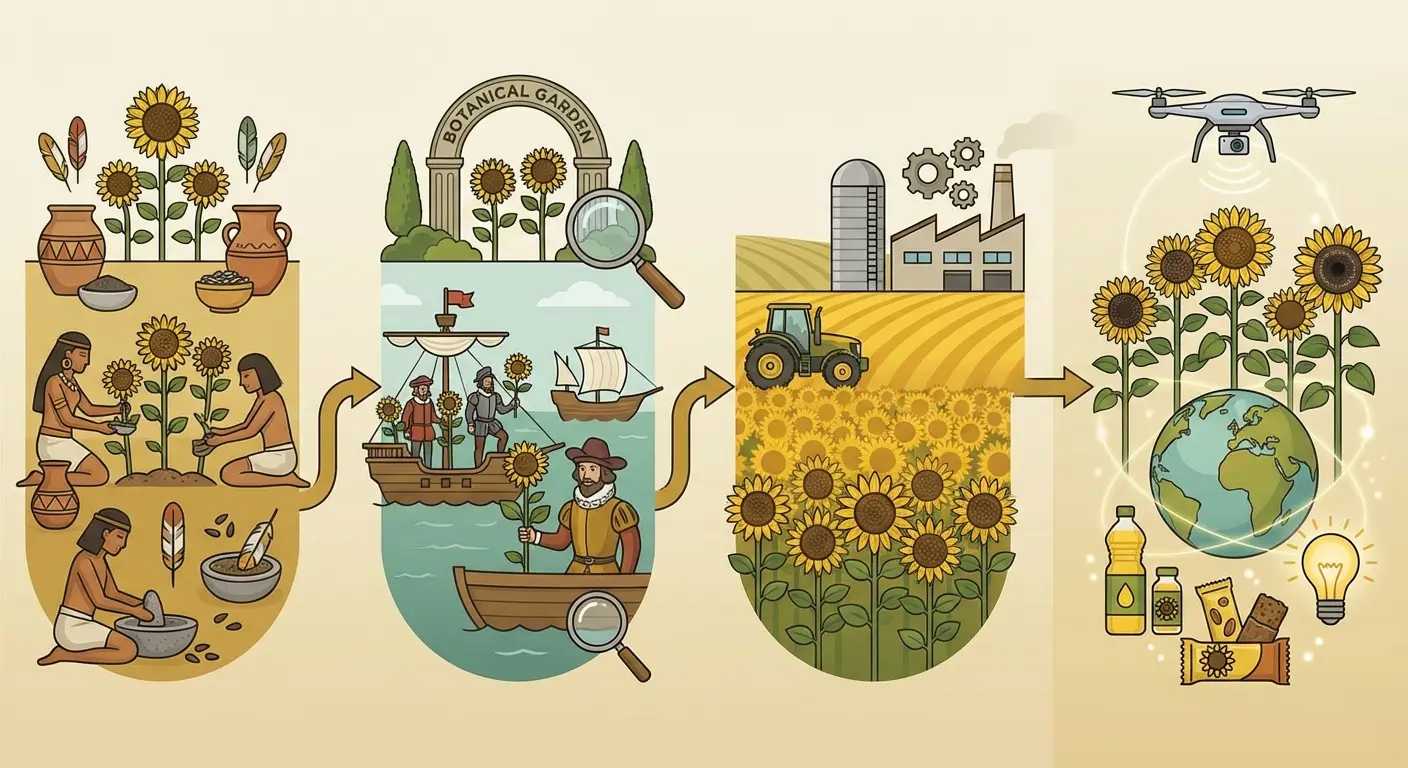
Before these flowers became Instagram-friendly symbols of good vibes, they held specific significance for specific communities. Indigenous peoples in North America cultivated sunflowers for over 4,500 years before European contact. For many tribes, sunflowers represented harvest, provision, and the careful stewardship of resources. These weren’t just pretty flowers. They were a food source, a medicinal plant, and a marker of agricultural knowledge.
That’s a far cry from the “choose happiness” narrative.
The Ukrainian Context
After 2022, sunflowers mean something different globally. That video of Ukrainian women handing sunflower seeds to Russian soldiers went everywhere. “So flowers grow where you fall.” You can’t unsee that.
Sunflowers became Ukraine’s national flower in a deliberate way. They represent not just the agricultural landscape but national identity, resistance, and resilience. Does this mean you can’t get a sunflower tattoo if you’re not Ukrainian? No. But it does mean your bright, happy sunflower carries connotations you might not have considered. Some people will see your tattoo through that lens whether you intended it or not.
Understanding cultural context doesn’t limit your choices. It deepens them. You might decide to incorporate elements that acknowledge these histories, or you might consciously choose a design direction that reflects a completely different personal meaning. Both work, but only if you’re making an informed choice. When considering sunflower tattoos meaning, cultural awareness adds layers of understanding without dictating what your tattoo must represent.
|
Cultural Context |
Traditional Meaning |
Modern Interpretation |
Design Consideration |
|---|---|---|---|
|
Indigenous North American |
Harvest, provision, agricultural knowledge |
Sustainability, self-sufficiency, respect for resources |
Incorporate seeds, roots, or earth elements |
|
Ukrainian |
National identity, resistance, resilience |
Solidarity, defiance, hope in adversity |
Consider placement timing and surrounding imagery |
|
Chinese |
Long life, good luck, vitality |
Health, prosperity, positive energy |
Pair with traditional Chinese artistic elements |
|
Greek Mythology (Clytie) |
Unrequited love, devotion, transformation |
Loyalty, persistence, personal growth |
Show stages of bloom or directional facing |
What Sunflowers Actually Represented Before Pinterest
Victorian flower language gets cited constantly in tattoo articles. Most sources get it wrong.
Yes, sunflowers could represent adoration and loyalty. They could also represent haughtiness, false riches, and hollow ambition. The Victorians weren’t working from a standardized dictionary. Different flower books contradicted each other all the time. It was basically the Wikipedia edit wars of the 1800s.
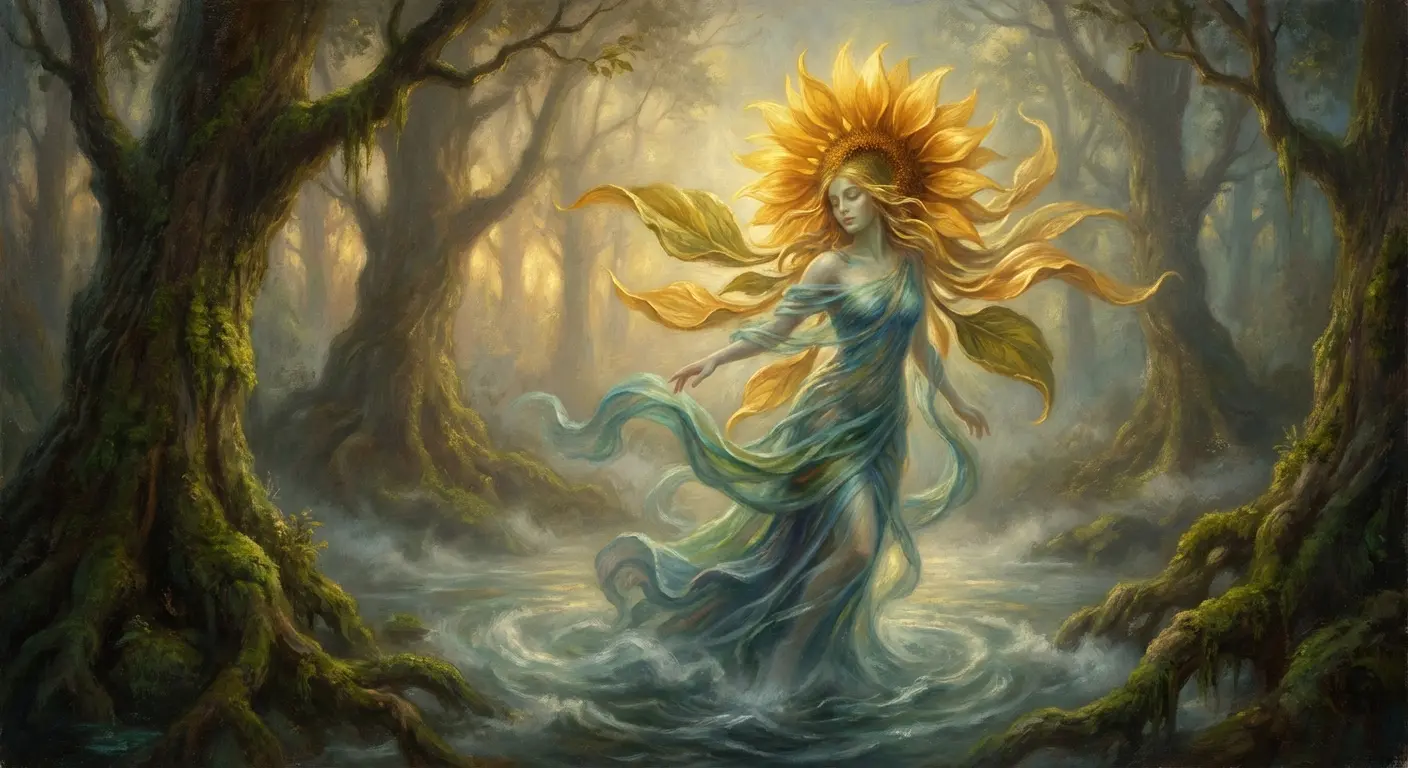
The Greek myth of Clytie offers another layer. Clytie, a water nymph, fell in love with Apollo (the sun god). He didn’t return her affection, so she spent days watching him cross the sky until she transformed into a sunflower, forever turning toward the sun.
Romantic? Maybe. Or maybe it’s a cautionary tale about obsessive, unrequited love that destroys you.
When exploring flower tattoo design options, understanding these historical layers helps you make more intentional choices about how you want your sunflower rendered. The sunflower tattoo meaning you choose might deliberately reference these older stories, or it might completely ignore them in favor of something personal.
The Incan Empire created golden discs shaped like sunflowers that Inca priestesses used in religious ceremonies to honor their sun god, Inti. These weren’t casual decorative choices. They were sacred objects representing divine connection. If you’re designing a sunflower tattoo with spiritual significance, you might incorporate metallic gold ink or geometric patterns that echo these ceremonial discs, creating a bridge between ancient worship practices and your personal faith journey.
Van Gogh Changed Everything
You can’t talk about sunflower symbolism without Vincent van Gogh.
His sunflower paintings weren’t about happiness or positivity. They were about friendship, gratitude, and the cycles of life and death. He painted sunflowers in various stages of bloom and decay, finding beauty in the whole process. Van Gogh’s work fundamentally shifted how Western culture views sunflowers. Before him, they were agricultural and botanical. After him, they became artistic, emotional, and deeply personal.
That shift opened the door for subjective interpretation. The same interpretation you’re engaging in when you design your tattoo.
Understanding the meaning of sunflower tattoo designs through Van Gogh’s lens means accepting that beauty exists in all stages, not just the perfect bloom. His artistic legacy reminds us that sunflower tattoo meanings can embrace complexity, imperfection, and the full spectrum of human experience rather than just cheerful optimism.
The Psychology of Personal Meaning vs. Inherited Meaning
Personal symbols activate different neural pathways than cultural ones.
When you see a sunflower that reminds you of your grandmother’s garden, your brain processes that through episodic memory. It pulls up sensory details, emotions, specific moments. That’s a much richer cognitive experience than processing an abstract concept like “loyalty.”
Research on tattoo satisfaction shows that people report higher long-term satisfaction with tattoos that have specific personal meanings compared to tattoos chosen primarily for aesthetic reasons or adopted symbolism. The difference isn’t about deep versus shallow. It’s about authentic connection to your own experience.
Memory Anchoring
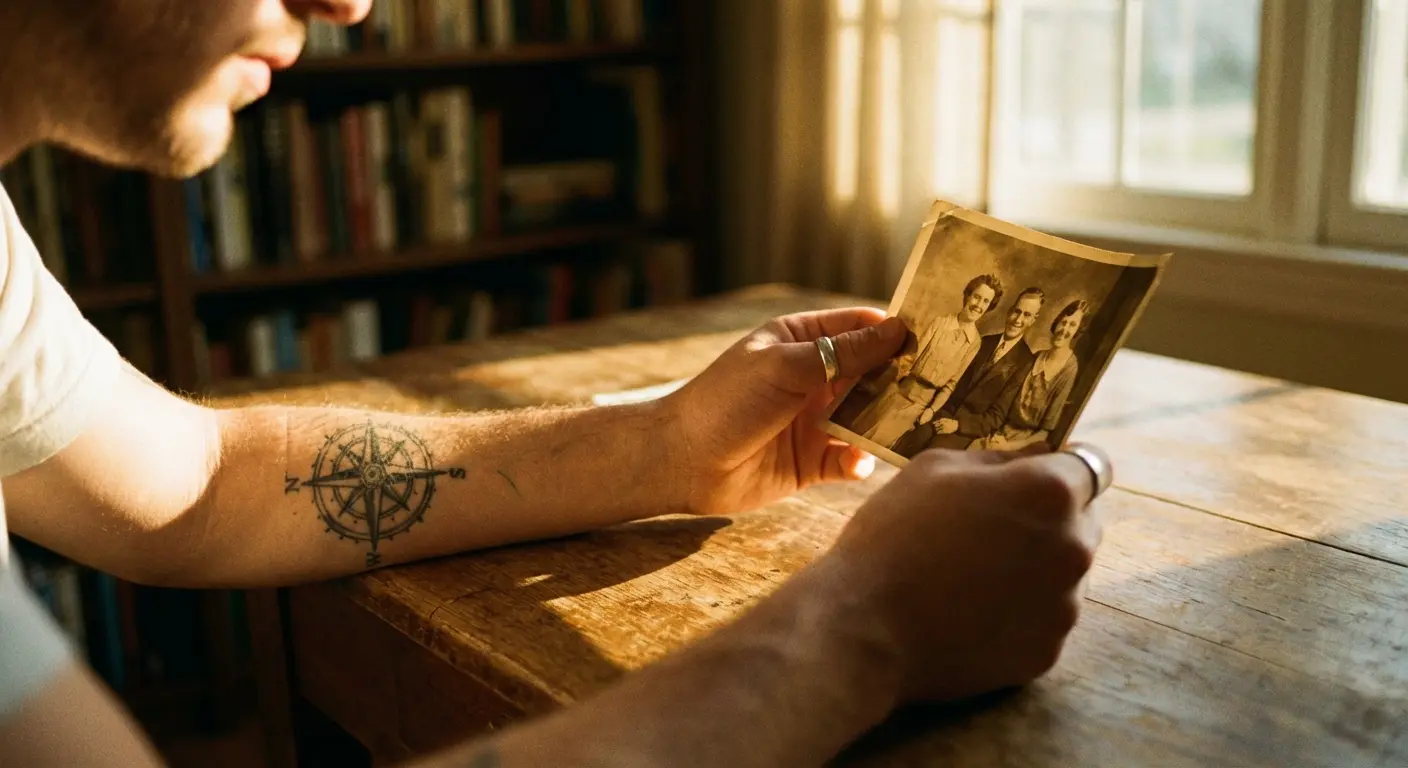
Your brain loves physical anchors for important memories. That’s why we keep concert tickets, press flowers in books, and get tattoos.
A sunflower tattoo that represents a specific person, place, or period in your life functions as a deliberate memory anchor. Every time you see it, you’re reinforcing those neural connections. This is why your personal sunflower meaning will likely stay relevant longer than an adopted meaning. You’re not trying to remember what sunflowers are “supposed” to symbolize. You’re connecting directly to your own experience.
Take the approach that musician Shawn Mendes used with his sunflower tattoo. He got the design inked in October 2020. Fans speculated it was a tribute to then-girlfriend Camila Cabello, since sunflowers were reportedly her favorite flower. They broke up. The tattoo’s still there. That’s the risk of basing tattoo meaning on other people. They leave, the ink doesn’t.
But even if the relationship ended, the tattoo still connects to authentic memories and emotions from that time. That makes it personally meaningful regardless of how the traditional “happiness and loyalty” symbolism applies.
The Authenticity Factor
People feel more aligned with their identity when their external expressions (including tattoos) reflect genuine internal experiences rather than adopted personas or borrowed symbolism.
A sunflower tattoo that means something real to you contributes to that sense of authenticity. One that you got because the internet said sunflowers mean happiness? Less so.
The meaning of a sunflower tattoo becomes most powerful when it emerges from your lived reality rather than someone else’s interpretation.
How to Build Your Own Sunflower Symbolism
Building personal symbolism isn’t mystical. It’s methodical.
Start by asking yourself what sunflowers mean in your life. Not what they could mean. Not what they mean in general. What they mean to you specifically.
Do sunflowers remind you of a specific person? A place you lived? A period of growth or change? A favorite painting or book?
Your answers here will shape every design decision you make.
Mining Your Associations
Write down (don’t just think about it) every memory or association you have with sunflowers. Include the small stuff.
Maybe you had sunflower seeds at every baseball game as a kid. Maybe your first apartment had sunflower dish towels. Maybe you planted sunflowers the summer you recovered from something difficult.
These specific memories are design gold. They give you concrete elements to incorporate, modify, or reference in your tattoo. A sunflower with baseball stitching. A sunflower growing from cracked earth. A sunflower with a specific number of petals that means something to you.
If you’re the journaling type, here’s what actually helps:
-
List 3-5 specific memories involving sunflowers
-
Note the emotions connected to each memory
-
Identify who in your life you associate with sunflowers
-
Think about what was happening in your life when sunflowers were significant
-
Consider what you want this tattoo to remind you of in 5 years

Future-Facing Meaning
Your tattoo can represent who you’re becoming, not just who you’ve been.
What do you want that sunflower to remind you of five years from now? What quality or commitment does it represent? Maybe it’s a reminder to turn toward light even when things are difficult. Maybe it’s a commitment to growth. Maybe it’s permission to take up space unapologetically. (Sunflowers are not subtle plants.)
Defining this future-facing meaning helps ensure your tattoo stays relevant as you change. When you think about sunflower tattoo meanings, consider both where you’ve been and where you’re going.
Placement Changes Everything (More Than You Think)
Where you put your sunflower tattoo actively shapes what it means, both to you and to anyone who sees it.
A sunflower on your forearm, visible and public, makes a different statement than a sunflower on your ribs that only you and select people will see. Neither is better. They serve different psychological functions.
The visible tattoo becomes part of how you present yourself to the world. The hidden one is a private anchor, a secret reminder that doesn’t require external validation.
If you’re considering a larger piece, exploring back tattoo design possibilities can help you understand how placement on broader canvases affects the overall narrative of your sunflower design.
According to tattoo placement research, areas that experience frequent sun exposure and friction from clothing cause tattoos to fade faster than protected areas. This means your placement decision isn’t just aesthetic or symbolic. It’s also a practical choice about longevity. A sunflower on your hip that rubs against a belt or waistband will fade quicker than one on your forearm.
Body Symbolism
Different body parts carry their own symbolic weight.
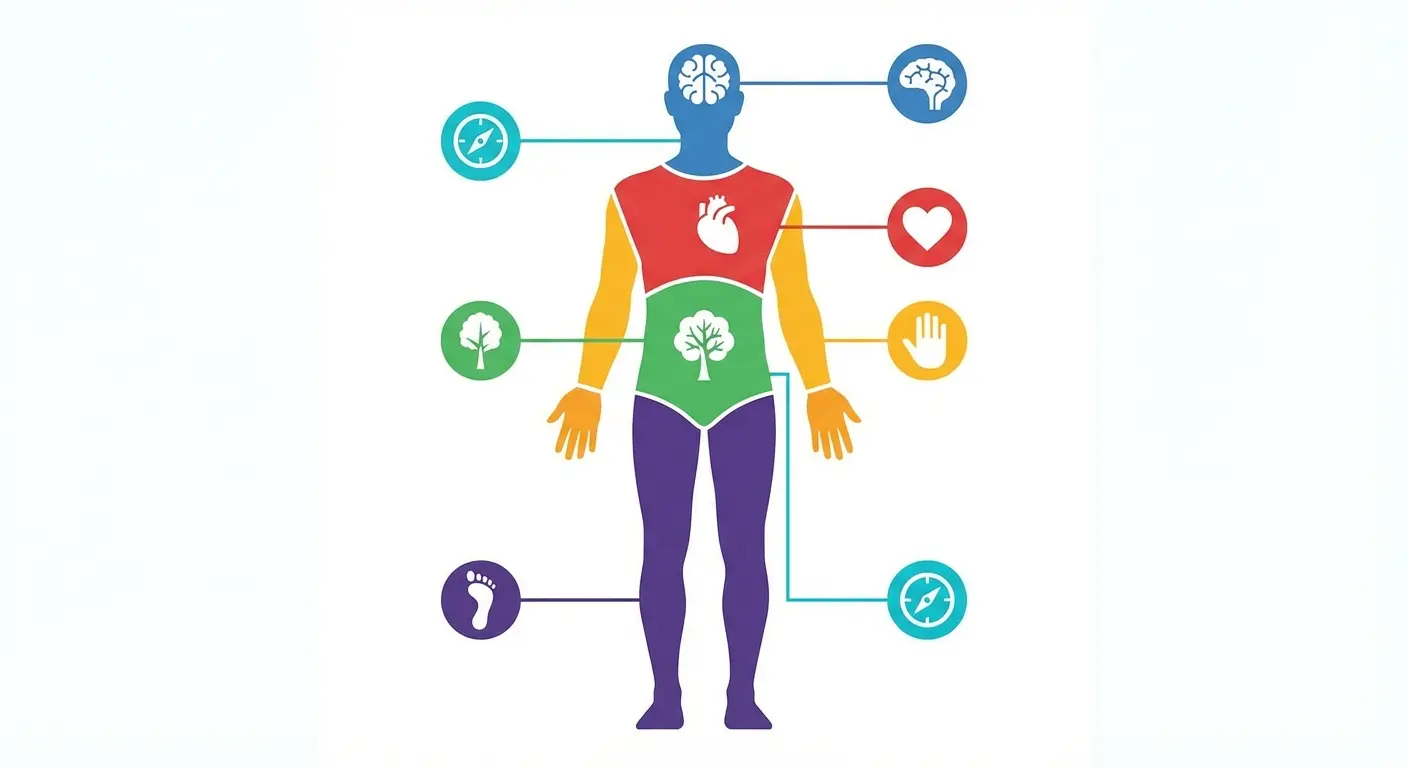
A sunflower over your heart suggests something different than a sunflower on your thigh. A sunflower on your back (something you can’t see without effort) creates a different relationship than one on your wrist (constantly in your field of vision).
Your spine represents strength and support. Your ribs protect your vital organs. Your hands interact with the world. Your feet carry you forward. Putting a sunflower on any of these locations layers additional meaning onto the flower itself.
Want to put it on your ribs? That’s a 3-4 week heal, it’s going to hurt like hell, and nobody sees it but you. That’s the point for some people. It’s yours alone.
The Direction It Faces
Which way does your sunflower face? Toward your heart or away from it? Up toward your head or down toward your feet? Forward or backward?
A sunflower facing forward suggests moving toward something. One facing backward might represent honoring the past. One facing your heart could symbolize self-love or protecting something precious.
These directional choices matter more than you’d think.
Style Choices That Contradict Traditional Meanings
The way your sunflower is rendered fundamentally alters what it communicates.
You can take a flower that traditionally represents happiness and turn it into something haunting, melancholic, or defiant just through artistic choices. A hyperrealistic sunflower in full bloom says something different than a minimalist line drawing. A watercolor sunflower with bleeding edges creates a different feeling than a bold traditional style with heavy black outlines.
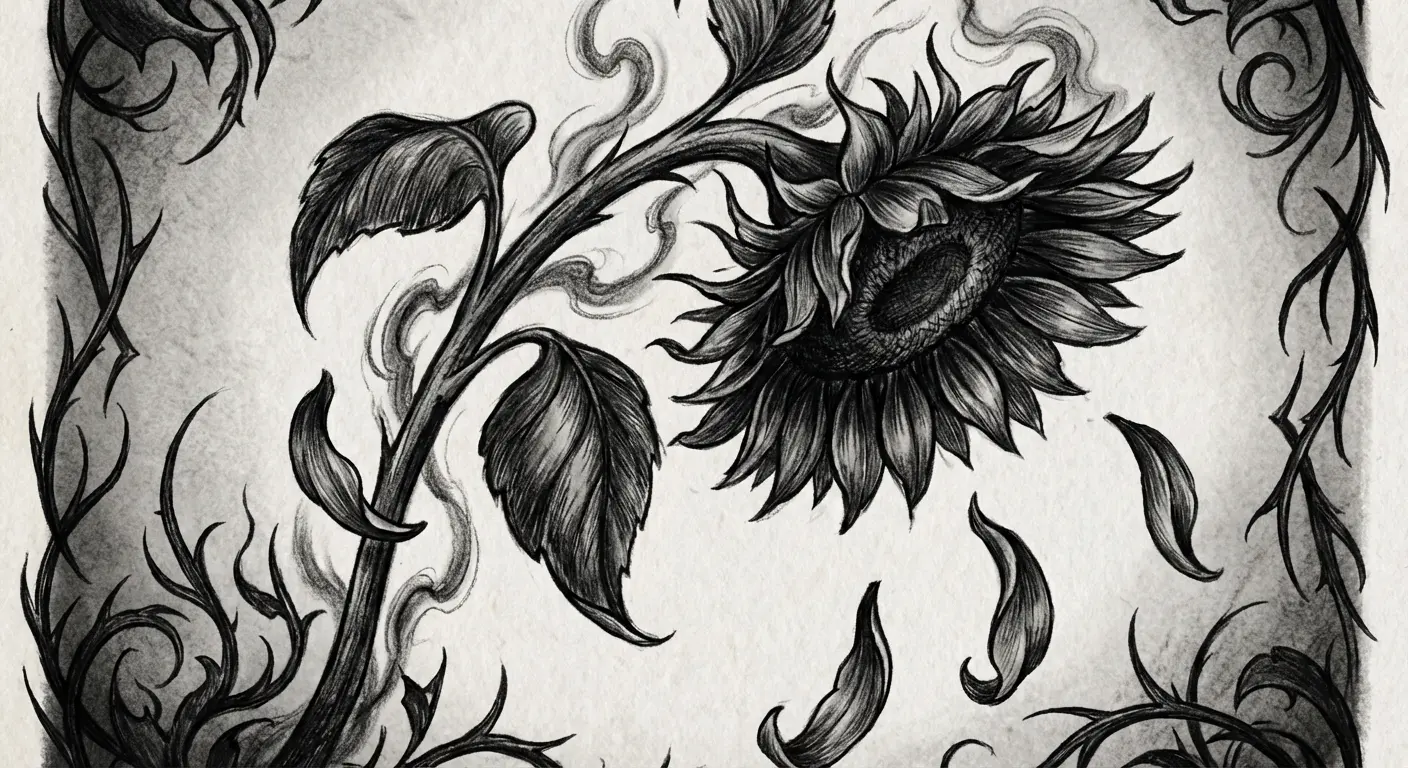
A black and grey sunflower immediately contradicts the bright, cheerful associations most people have with the flower.
For those drawn to clean, minimalist aesthetics, a fine line approach can strip away traditional sunflower cheerfulness and create something more contemplative and personal.
Style preferences vary significantly across demographics. According to tattoo industry data, realistic sunflower tattoos show a 65% preference rate among clients seeking floral designs, while blackwork styles appeal to approximately 40% of male clients specifically. These statistics reveal that artistic style isn’t just about aesthetics. It’s often connected to how different people relate to the symbolism itself.
The Beauty of Decay
Wilting sunflowers, dead sunflowers, sunflowers with falling petals. These aren’t mistakes or sad versions of the design. They’re intentional choices that acknowledge impermanence, loss, or the full cycle of life.
Van Gogh understood this. A dying sunflower can be just as meaningful as a thriving one, sometimes more so.
If your sunflower represents someone you’ve lost, a relationship that ended, or a version of yourself you’ve outgrown, showing decay might be the most honest representation. That’s not depressing. It’s authentic.
I’ve seen a wilting sunflower on someone’s ribcage after their mom died. Not a perky, happy one. A dying one, petals falling. Her mom grew sunflowers every summer. She wanted to remember that her mom was beautiful in decline too, not just at her peak.
Geometric and Abstract Interpretations
Breaking a sunflower down into geometric shapes, abstract patterns, or fragmented pieces creates psychological distance from traditional symbolism.
You’re signaling that this isn’t a straightforward representation. It’s your interpretation of what a sunflower means. That artistic abstraction gives you more freedom to define the meaning on your own terms.
Exploring geometric tattoo styles allows you to deconstruct the sunflower into mathematical patterns that feel modern and personal rather than traditionally symbolic.
When Your Sunflower Tattoo Doesn’t Need to Mean Anything Deep
You don’t owe anyone a deep explanation for your ink.
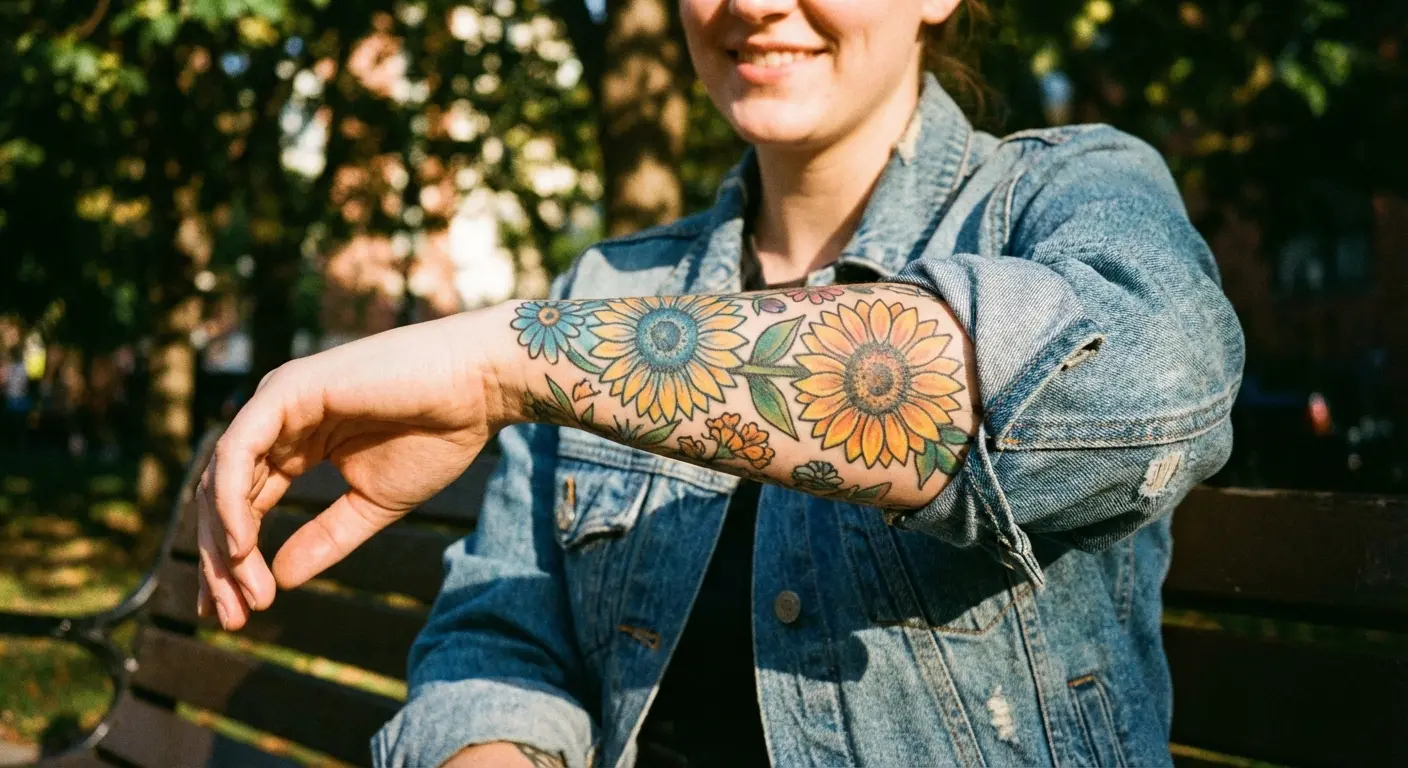
“I like sunflowers” is a complete sentence and a perfectly legitimate reason to get a sunflower tattoo. The pressure to attach profound meaning to every tattoo is exhausting and unnecessary. Some tattoos are visual art you’re choosing to wear on your body because you find them beautiful, interesting, or aesthetically pleasing.
That’s enough.
As The Sunflower’s arts and culture editor Maleah Evans wrote in 2025, “If I want to tattoo a funky frog wearing a wizard hat on my ankle, it doesn’t have to have some heartfelt story about how my late great-great grandmother was secretly a frog wearing a wizard hat.” Evans acknowledges that while their elephant tattoo honors their great grandmother, “not every single tattoo needs to have a deep connection like that.”
Aesthetic Preference Is Valid
You might love the bold, graphic quality of sunflower petals. You might appreciate the natural symmetry. You might just think they look cool.
None of these reasons require deeper justification. Your body is your gallery space, and you get to choose the art that goes on it based on whatever criteria matter to you.
Sometimes a sunflower is just a sunflower. That’s not shallow or meaningless. It’s an aesthetic choice, which is its own form of self-expression.
Meaning Can Develop Later
Meaning often develops after you get a tattoo, not before.
You might get a sunflower because you like the look, then six months later realize it’s become associated with a specific period of your life or a particular achievement. You’re not required to have the meaning figured out in advance.
Designing a Sunflower That Reflects Your Story
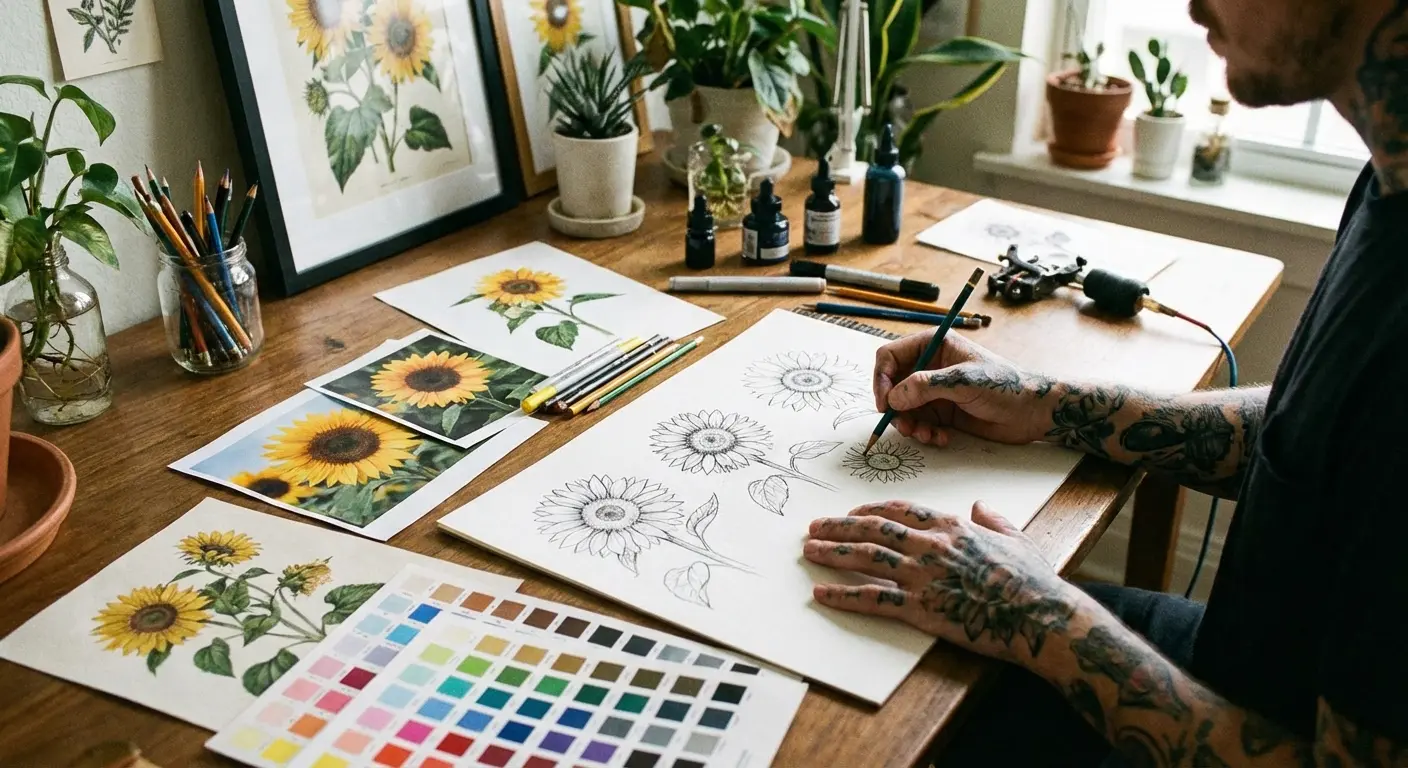
Translating your personal sunflower meaning into an actual design requires specific choices. Generic sunflower designs are everywhere. You want something that reflects your particular story.
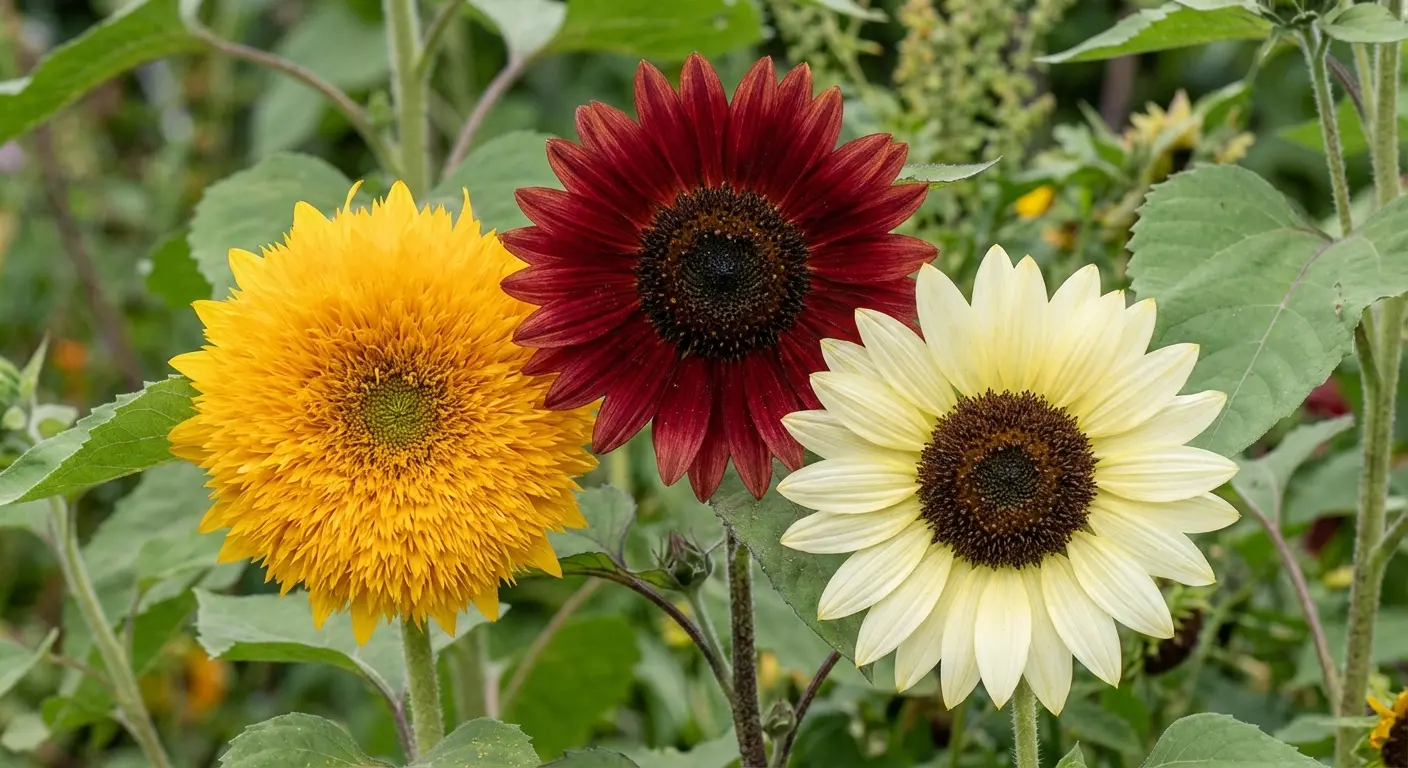
Start with variety. Most people default to the classic Helianthus annuus (common sunflower), but there are over 70 species. Teddy Bear sunflowers are compact and fluffy. Moulin Rouge sunflowers are deep burgundy. Italian White sunflowers are pale cream.
The variety you choose sets the entire tone of your design.
Color as Communication
Color choices communicate just as much as the flower itself.
Traditional yellow and brown grounds the design in recognizable sunflower territory. Adding unexpected colors (purple centers, blue-tinted petals, pink highlights) immediately signals that this is your interpretation, not a botanical illustration.
Black and grey removes the flower from its natural context entirely. It becomes more about form, shadow, and contrast than about the actual plant.
Watercolor techniques suggest fluidity and emotion. Solid traditional colors communicate boldness and permanence.
Think about how color can tell a specific story. If your sunflower represents a grandmother who always wore purple, incorporating deep purple tones into the petals or center creates an immediate personal connection that viewers might not understand but that resonates deeply with you. Or if your sunflower commemorates a beach vacation where you watched sunsets, blending orange and pink watercolor washes into traditional yellow petals captures that specific memory in a way that pure botanical accuracy never could.
Elements That Personalize
What surrounds your sunflower matters.
Bees suggest productivity and community. Butterflies add transformation symbolism. Specific birds can reference personal meanings (goldfinches eat sunflower seeds, making them a natural pairing).
Roots showing beneath the flower emphasize foundation and origin. Seeds spilling out might represent potential or abundance.
You can also incorporate non-natural elements. Books, musical notes, coordinates, dates, initials. These additions make the design unmistakably yours. A sunflower growing through a cracked foundation. A sunflower with constellation patterns in the petals. A sunflower wrapped around specific words that matter to you.
The Scale Question
Size impacts meaning in ways people don’t always anticipate.
A small, delicate sunflower suggests something precious and personal. A large, bold sunflower makes a statement. It’s unapologetic and impossible to ignore.
A full back piece with multiple sunflowers in various stages of growth tells a more complex narrative than a single bloom. Think about the relationship between the size of your tattoo and the size of the meaning it carries. Sometimes small tattoos carry enormous significance. Sometimes large pieces are purely aesthetic.
There’s no required correlation, but being intentional about scale helps ensure your design matches your vision.
Visualizing Before You Commit
You know what you want your sunflower to mean, but you can’t quite picture how to translate that into an actual design.
You might struggle to communicate your vision to an artist, or you might not be sure which style direction will best capture what you’re going for. This is where tools like Tattoo Generator IQ become invaluable. We’ve built a platform specifically for people who have a clear sense of what they want their tattoo to represent but need help visualizing different artistic approaches.
You can experiment with styles, placements, and design elements before committing to anything permanent, ensuring your sunflower tattoo reflects your story exactly as you envision it.
Final Thoughts
I’ve seen hundreds of sunflower tattoos. The ones people still love five years later? They’re never the Pinterest-perfect ones with traditional meanings. They’re always the weird ones. The wilting one. The geometric one. The one with their grandma’s handwriting in the stem.
Your sunflower tattoo means exactly what you decide it means.
Traditional symbolism, cultural context, historical significance. These all provide texture and depth, but they don’t dictate your interpretation. The difference between a meaningful tattoo and one you’ll regret isn’t about following the “right” symbolism rules. It’s about intentionality.
Whether you’re building complex personal meaning into every design element or simply choosing a sunflower because you find them beautiful, make that choice deliberately.
Some of you will read this and decide to dig deep into personal symbolism, incorporating specific memories, future commitments, and layered meanings into your design. Others will feel relieved that you don’t have to justify your aesthetic preferences with profound explanations.
Both approaches are completely valid.
What matters is that you understand what you’re choosing and why. You’re not bound by what sunflowers meant to the Victorians, the Incas, or anyone else. You’re also not required to ignore those meanings if they resonate with you.
The power is in making an informed, intentional choice that reflects your actual relationship with this symbol.
Your skin. Your story. Your sunflower.
Make it mean something real to you, or make it mean nothing at all. Just make it yours.
