20 Tattoo Ideas for Women That Actually Reflect How You Live (Not Just How You Look)
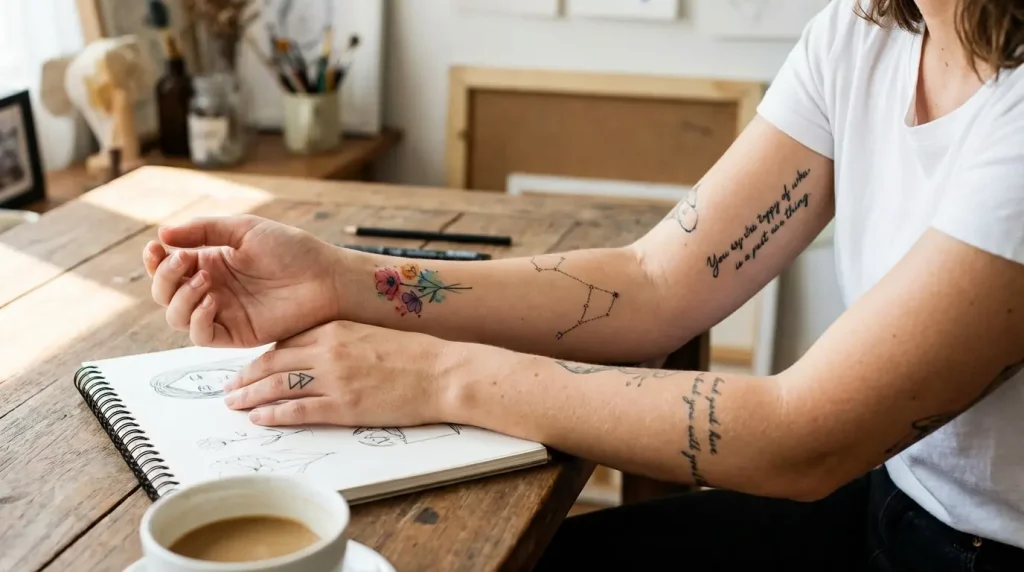
Look, most tattoo guides focus on what looks pretty in photos. This one’s different. I’m talking about tattoos that work with your actual life: how you move through your day, the rituals you already have, the moments when you’re alone with your thoughts.
Placement matters, but not for the reasons most people think. It’s not just about visibility or covering things up for work. It’s about creating these little touchpoints in your routine. Visual reminders that show up exactly when you need them.
I’ve noticed something about the tattoos I actually love years later versus the ones I forget exist: the good ones integrate with how I use my body. They work with natural lines and movements instead of fighting against them. And they consider the long game: how they’ll heal, how they’ll age, whether I’ll still connect with them when I’m 60.
Tattoos That Anchor You (Body Placement Meets Daily Ritual)
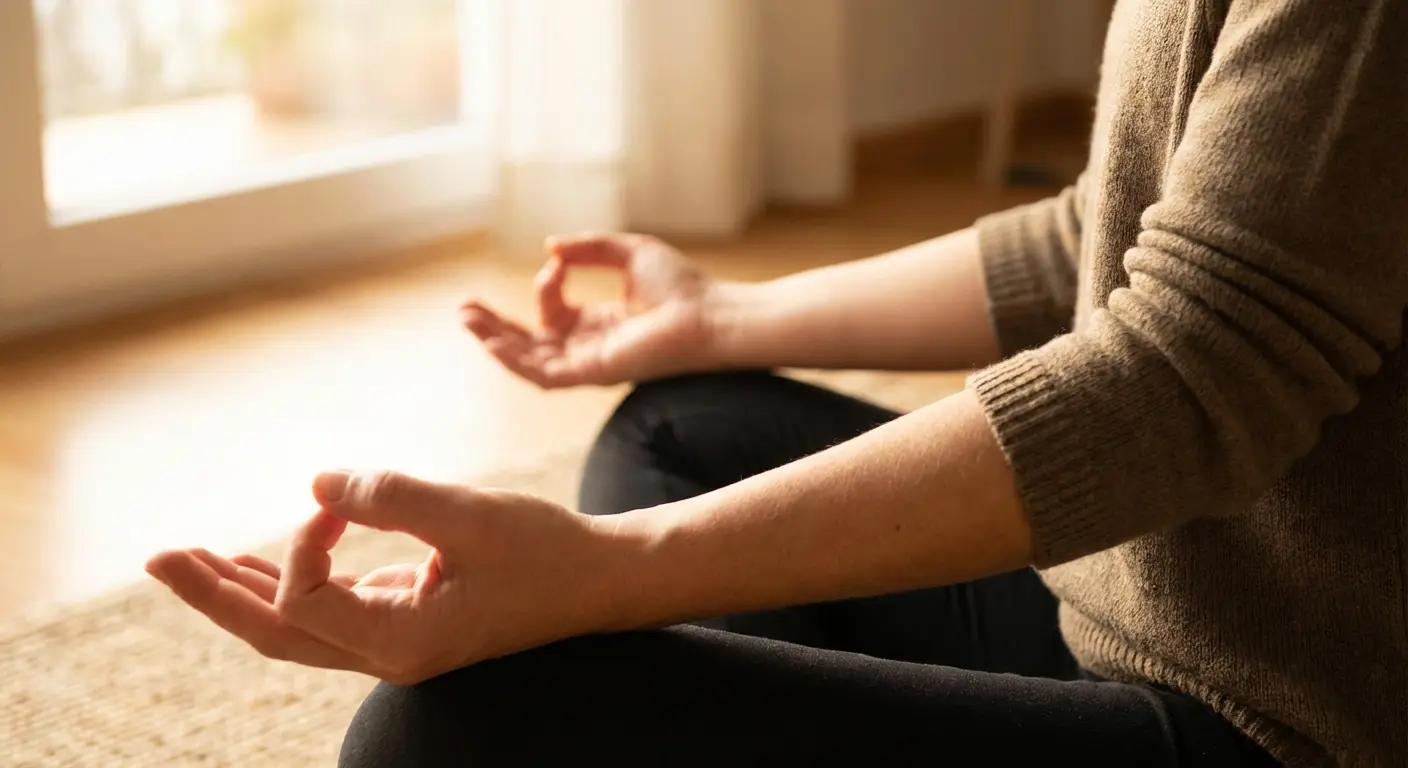
Here’s the idea: put your tattoo somewhere you’ll encounter it during normal moments. Not just “visible to others” placement, but spots YOU see during everyday things. Morning coffee. Washing your hands. That anxious thing you do with your fingers during meetings.
These placements turn ordinary gestures into tiny moments of recognition. Your body already has natural checkpoints – places you look at or touch throughout the day. Why not use those?
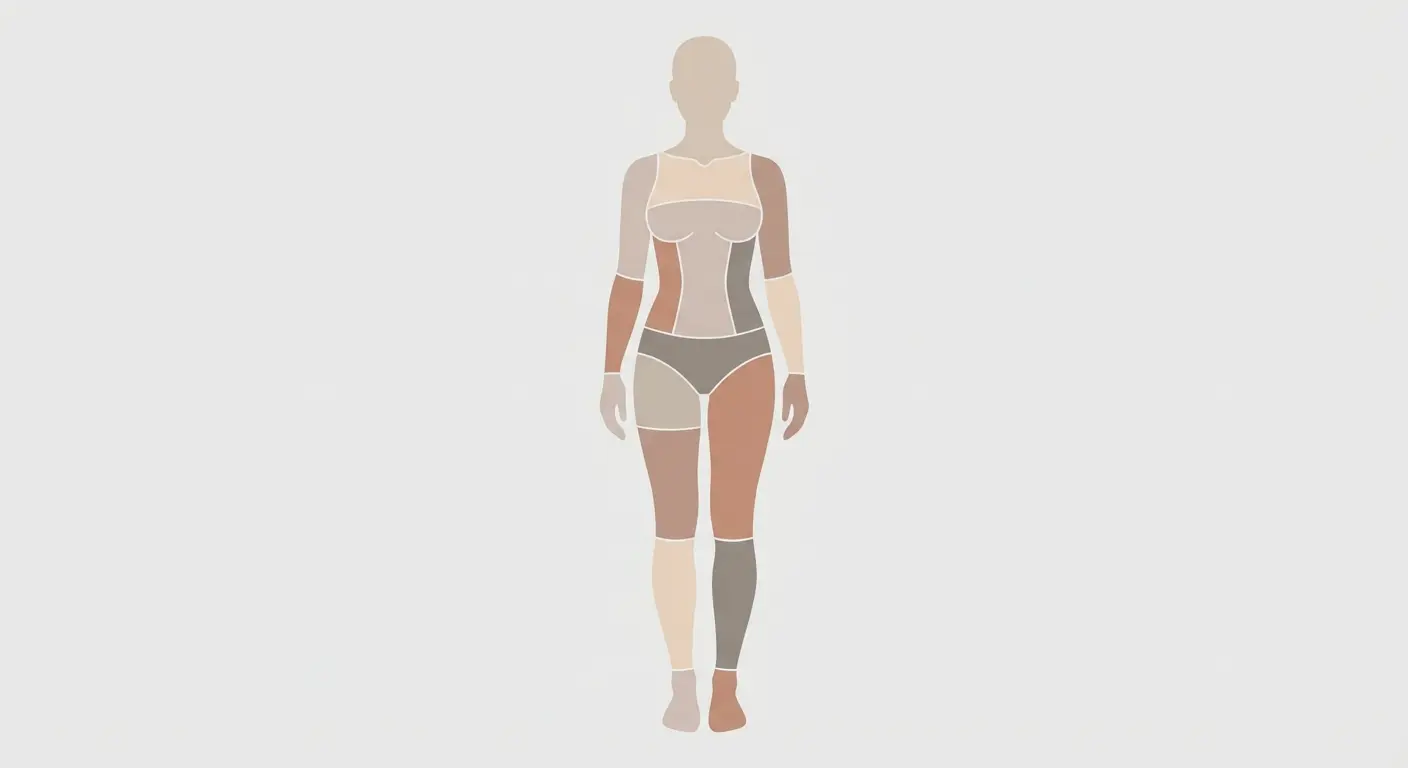
You’ve got about 21 square feet of skin to work with. (Yes, someone actually calculated this for women’s bodies. I looked it up because I was curious.) That’s a lot of space. But choosing placement that serves a purpose beyond looking cool? That transforms a tattoo from decoration into something you actually live with.
1. Inner Wrist Mantra Marks
Your inner wrist faces you constantly. Checking your phone, typing, washing dishes, resting your chin on your hand. These tiny glances add up to dozens of viewings per day.
Small text or symbols here become part of your visual routine without broadcasting to everyone else. I’m talking about designs scaled to your actual viewing distance, not what looks good zoomed in on Instagram. Single words in your handwriting. Minimalist symbols you’ve assigned personal meaning to. Tiny geometric patterns that ground you when you’re spiraling.
The trick? Choose something that won’t irritate you after the thousandth viewing. Skip trendy phrases that might feel hollow in five years. Think about what you’d want to read during a stressful meeting or while waiting for medical test results.
That’s your real criteria.
|
Wrist Tattoo Consideration |
Practical Reality |
Design Recommendation |
|---|---|---|
|
Daily viewing frequency |
50+ times per day |
Choose timeless symbols over trendy phrases |
|
Visibility control |
Moderate (visible in most professional settings) |
Keep text minimal and personally meaningful |
|
Healing environment |
High friction from clothing/movement |
Expect 2-3 weeks careful aftercare |
|
Aging & fading |
Moderate fade due to sun exposure |
Use bold enough lines to maintain clarity |
|
Pain level |
Low to moderate |
Good starter placement for first tattoo |
2. Behind-the-Ear Sound Waves
This placement hides until you want to reveal it. Pull your hair up, tuck it behind your ear – you control the visibility completely.
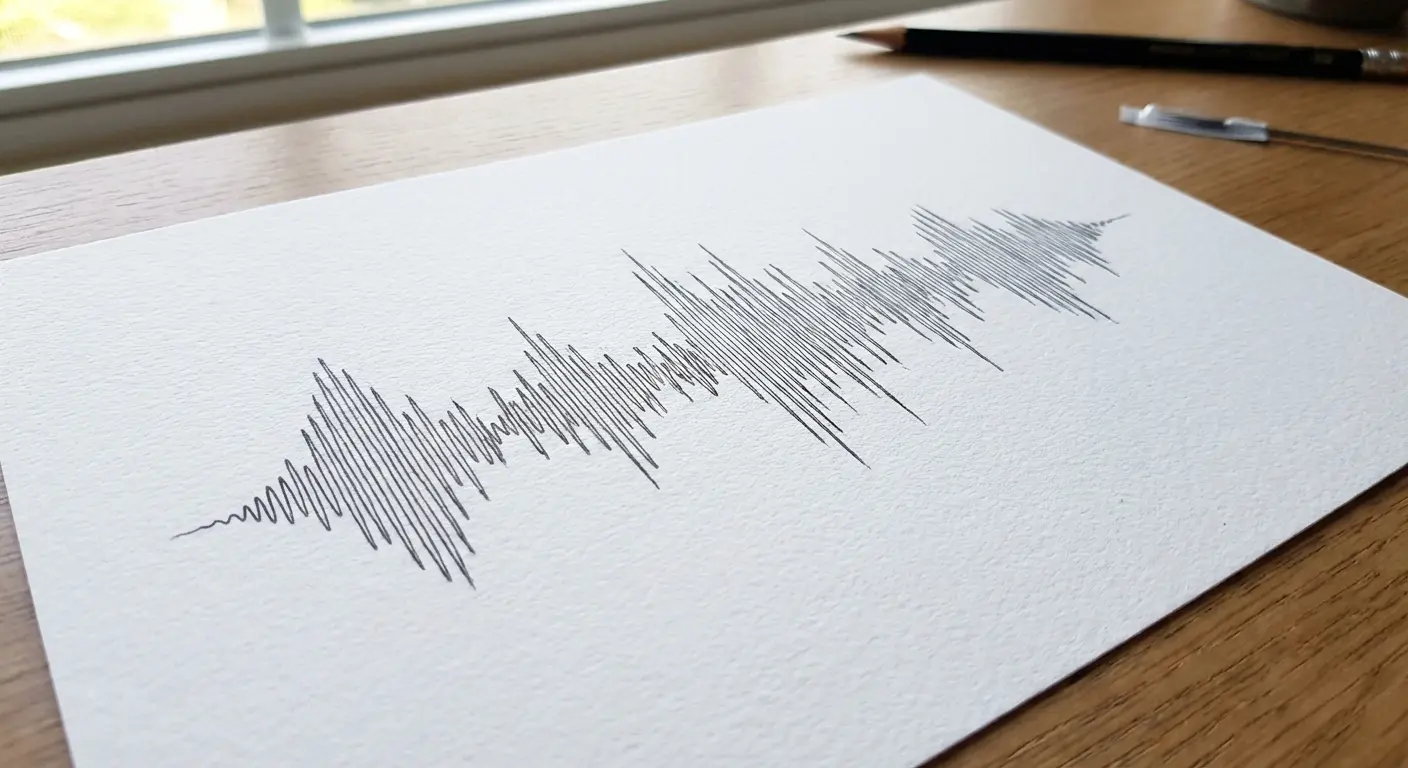
Sound wave tattoos of meaningful audio create private memorials that don’t demand explanation. A loved one’s laugh. Your favorite song’s chorus. A voice message from someone you’ve lost.
The technical execution matters enormously here. Make sure your artist can render the waveform accurately at small scale, or it’ll just look like random lines. I’ve seen too many of these turn into blurry nonsense because someone went to an artist who couldn’t handle fine detail work.
You can keep this completely personal or use it as a conversation starter on your terms. Placement behind the ear also means you’ll catch glimpses in mirrors during your morning routine. Subtle daily reminder without being in-your-face obvious.
3. Ribcage Breathing Reminders
Okay, real talk: ribcage tattoos hurt like absolute hell. The needle is basically vibrating directly on bone. I’m not going to lie about this.
But there’s something perfect about putting a breathing reminder right where your ribs expand and contract with every breath.
Simple line work that follows your rib contours. Text that stretches with inhalation. Wave patterns that rise and fall with your breath. All of these work because they move with you.
The upside? Completely private unless you choose to show it.
I got mine during a period of bad anxiety, and now I catch glimpses of it when changing clothes. It’s this little reminder to actually breathe instead of holding tension in my chest. Which sounds cheesy, but it works.
If you’re considering this placement, just know: it’s going to hurt, it’s going to take multiple sessions if you want anything detailed, and you need to be okay with not seeing it most of the time.
4. Ankle Compass Points
Every step you take involves your ankle, making it prime real estate for directional symbols or grounding imagery. Small compass roses, cardinal direction markers, or even just a single arrow pointing forward.
The ankle offers decent visibility when you want it (sandals, cropped pants, shorts) but disappears completely in professional settings. Designs here should account for the ankle’s bone structure and how it flexes. Skip anything too detailed that’ll warp with movement.
You might catch sight of this when sitting cross-legged, tying shoes, or during yoga. Natural moments of reorientation throughout your day.
Ink That Moves With You (Designs for Active Lifestyles)
Most tattoo galleries show static poses, but your body isn’t a mannequin. This section focuses on designs that complement how you move, whether that’s running, dancing, climbing, or just existing in a physical form that bends and stretches.
I’m looking at how ink interacts with muscle definition, joint flexibility, and the repetitive motions you make most often. Designs that feel alive and responsive to your physical activity instead of just sitting there passively.
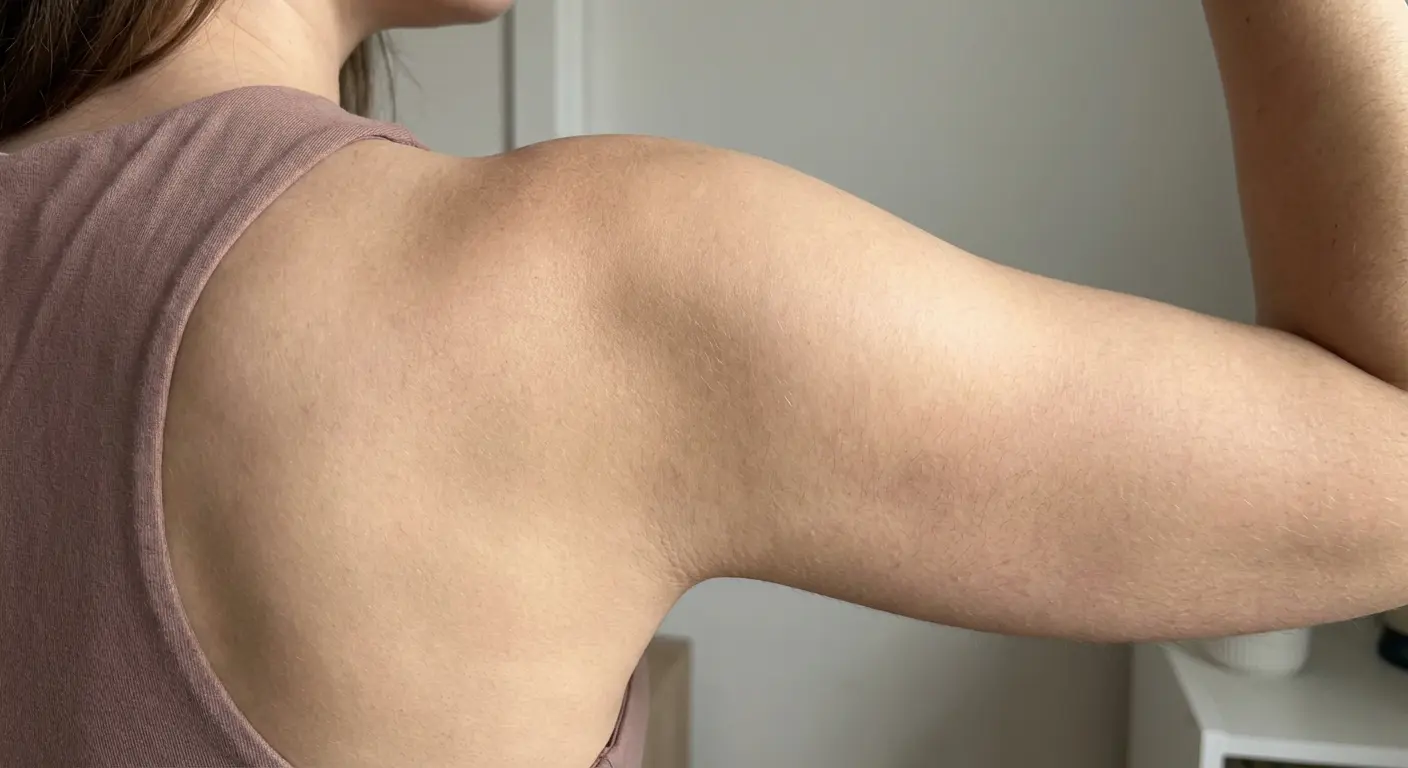
5. Shoulder Blade Wing Fragments
Full wing tattoos are officially played out. Everyone has them.
But partial wing elements that activate when you move your shoulders? That’s different.
Small feather fragments, geometric wing sections, or abstract flight-suggesting lines positioned on your shoulder blades create the illusion of wings only when you pull your shoulders back or raise your arms. Perfect for swimmers, climbers, or anyone who does overhead movements regularly.
Athletes and active people are increasingly choosing commemorative tattoos that celebrate their physical achievements. Shoulder blade placements have become particularly popular among runners and climbers who want designs that activate during their sport’s specific movements.
The design reveals itself through action rather than just sitting there. Your artist needs to understand scapular movement to position these correctly. They should enhance your natural shoulder mechanics, not fight against them.
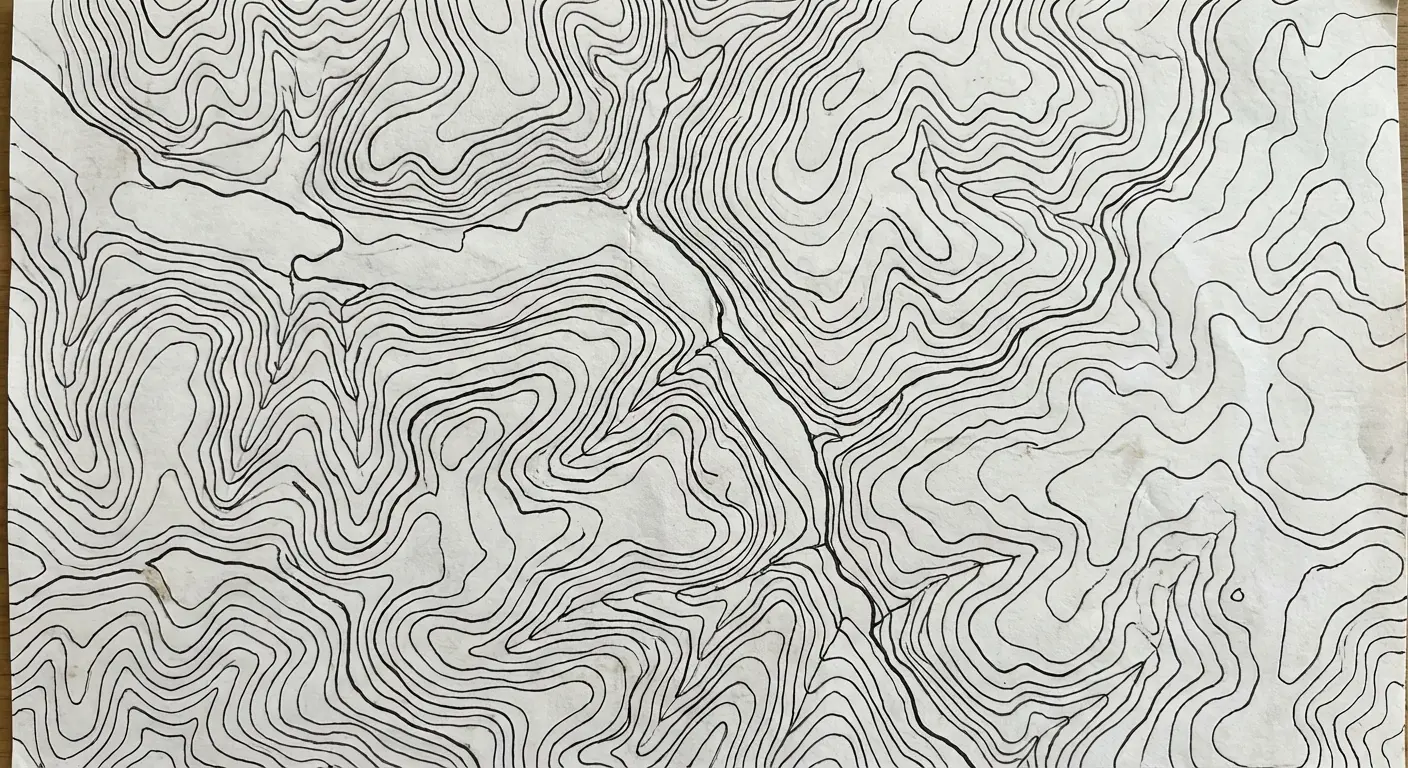
6. Forearm Topographic Lines
Topographic map lines that follow your forearm’s muscle contours create a design that changes with flexion. When you relax your arm, the lines sit one way. When you flex or grip something, they compress and shift, mimicking how elevation lines work on actual maps.
This appeals to hikers, travelers, or anyone drawn to cartographic aesthetics. But it’s also just visually interesting in motion.
The forearm is high-visibility, so you need to be comfortable with this being seen in most contexts. No hiding this one with a watch.
Fair warning: fine line work ages differently than bold lines. Discuss longevity with your artist. Topographic details can blur together over decades if not executed with appropriate line weight.
7. Calf Muscle Contour Accents
Your calf muscle is basically a built-in canvas that flexes every time you walk, run, or stand on your toes. Designs that accentuate this natural contour work beautifully here.
Curved lines that follow the gastrocnemius. Abstract shapes that compress and expand with movement. Botanical elements that seem to grow up the leg.
Runners and dancers particularly appreciate how these tattoos become part of their physical expression. The calf also offers a decent amount of space for larger designs while remaining easily coverable.
Consider how the design will look both relaxed and flexed. Some artists can map the design while you’re in both positions to ensure it works in all states. If your artist doesn’t offer to do this, find a different artist.
8. Spine Vertebrae Markers
Small dots, symbols, or geometric shapes aligned with your vertebrae create a subtle design that emphasizes your body’s central structure. Perfect for anyone interested in anatomy, alignment practices (yoga, Pilates, dance), or just appreciating the engineering of the human form.
The spine is intensely personal. Most people won’t see it unless you’re in a swimsuit or backless outfit.
Placement precision matters enormously here. An experienced artist should be able to identify vertebral landmarks to ensure proper spacing. These designs can extend from the nape of your neck down to your sacrum, or just mark a specific section that holds meaning for you.
I’ve seen these done beautifully and I’ve seen them done crooked. Don’t cheap out on this one.
Tattoos That Tell Time (Without Being Literal Clocks)
I’m looking at designs that mark temporal passage in abstract ways. Seasonal changes, lunar cycles, growth patterns, natural rhythms. These acknowledge that you’re not static, that time moves through you and changes you, without resorting to obvious clock faces or Roman numerals.
They’re particularly meaningful for marking transitions, commemorating growth periods, or honoring cyclical patterns in your life.
|
Temporal Design Type |
Symbolic Meaning |
Best Placement |
Visibility Level |
|---|---|---|---|
|
Moon Phase Bands |
Cyclical patterns, feminine energy, change |
Fingers, wrist |
High |
|
Tide Lines |
Emotional ebb and flow, natural rhythms |
Collarbone, ribs |
Moderate |
|
Seasonal Botanicals |
Growth through all phases, natural cycles |
Hip, thigh, shoulder |
Low to moderate |
|
Growth Rings |
Personal evolution, milestone markers |
Upper arm, wrist |
Moderate to high |
|
Constellation Progression |
Celestial time, navigation, destiny |
Spine, forearm |
Varies |
9. Finger Moon Phase Bands
Individual moon phases wrapped around different fingers create a wearable lunar calendar you’ll see constantly. Typing, eating, gesturing – it’s always there.
You can assign specific phases to specific fingers based on personal significance, or run through a complete cycle across one hand. These work best as fine line tattoos since finger skin is tricky and detail can blur.
Be realistic about touch-ups. Finger tattoos fade faster than almost any other placement due to constant friction and hand washing. I’m talking touch-ups every 2-3 years if you want them to stay crisp.
But if you’re drawn to lunar symbolism, menstrual cycle tracking, or just the aesthetic of celestial imagery, this placement puts it literally at your fingertips.
10. Collarbone Tide Line
A simple line following your collarbone with small tide markers creates the impression of water levels rising and falling. Perfect for ocean lovers, people who feel regulated by water, or anyone drawn to the metaphor of emotional tides.
The collarbone is delicate and visible, so this reads as elegant rather than aggressive. You can keep it minimal (just the line) or add small details. Moon phases at the peaks and troughs to indicate what drives the tides, for example.
The horizontal orientation complements most necklines and can peek out from crew necks or hide completely under higher collars depending on your needs.
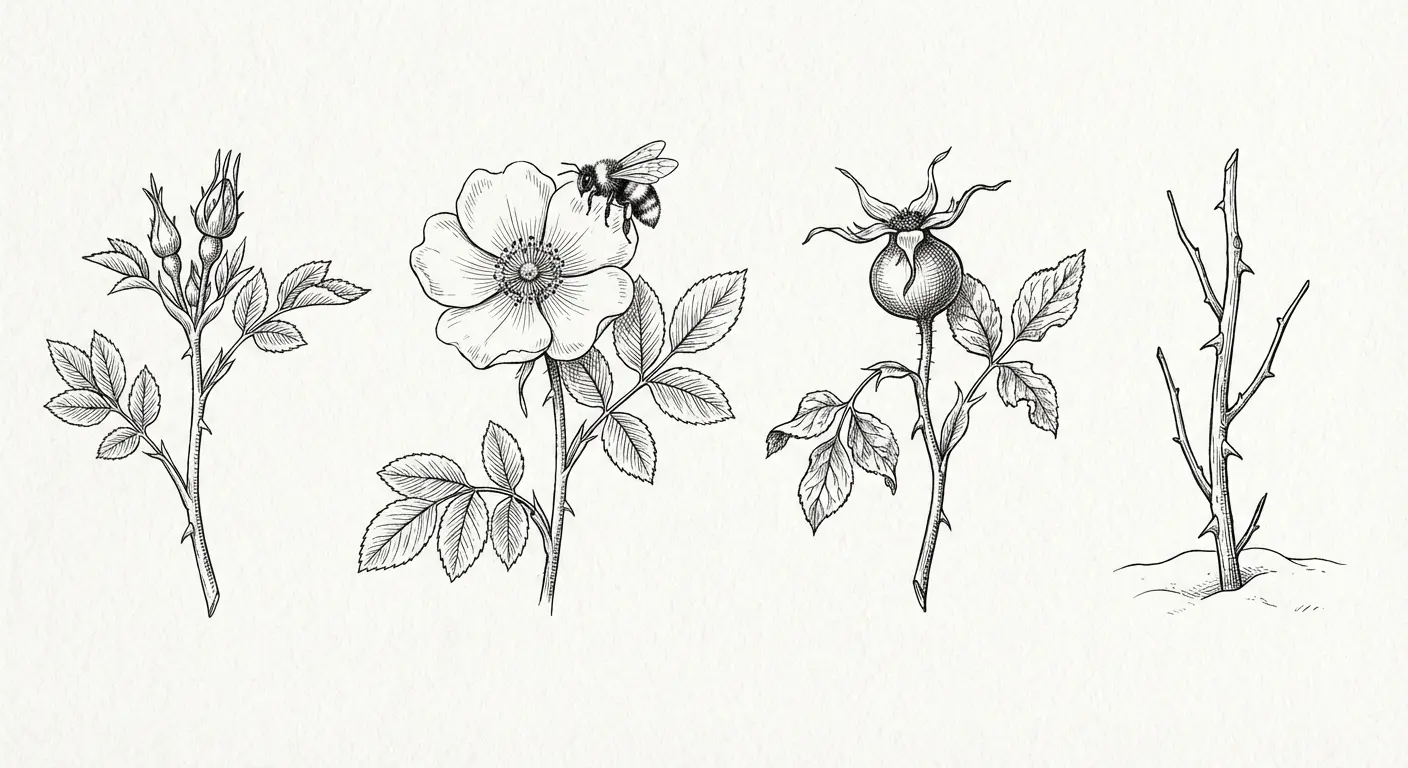
11. Hip Seasonal Botanical Progression
Four small botanical illustrations on your hip showing the same plant through seasonal changes. Spring bud, summer bloom, autumn seed head, winter bare stem.
This placement stays completely hidden in professional contexts but becomes visible in intimate settings or at the beach. The hip offers enough space for detailed botanical work while curving with your body’s natural lines.
Choose a plant with personal significance. Your birth month flower. Something from your childhood garden. A species native to a place that shaped you.
The seasonal progression acknowledges that beauty exists in all phases, not just the bloom. Which I love as a concept, even if it sounds a bit precious when I say it out loud.
12. Upper Arm Growth Ring Patterns
Concentric circles wrapping around your upper arm mimic tree growth rings, with each ring potentially representing a significant year, phase, or chapter. You can keep them uniform or vary the spacing to reflect periods of rapid growth versus slower, harder years.
This design works as a band or partial wrap depending on your preference for coverage. The upper arm is easy to show or hide, making it versatile for different contexts.
Some people add tiny details within specific rings (dates, symbols, small words) to mark particular milestones. Just know this requires very fine work that may not age perfectly. The overall effect is subtle enough to read as abstract pattern work while holding deep personal meaning.
Designs That Hold Space (For What You Can’t Say Out Loud)
Some experiences, emotions, or truths don’t translate into words. This category explores tattoos that function as containers, placeholders, or visual representations of internal states that resist language.
Abstract designs, geometric forms, and negative space work that creates room for complexity without forcing it into oversimplified symbols . These honor what can’t be easily articulated.
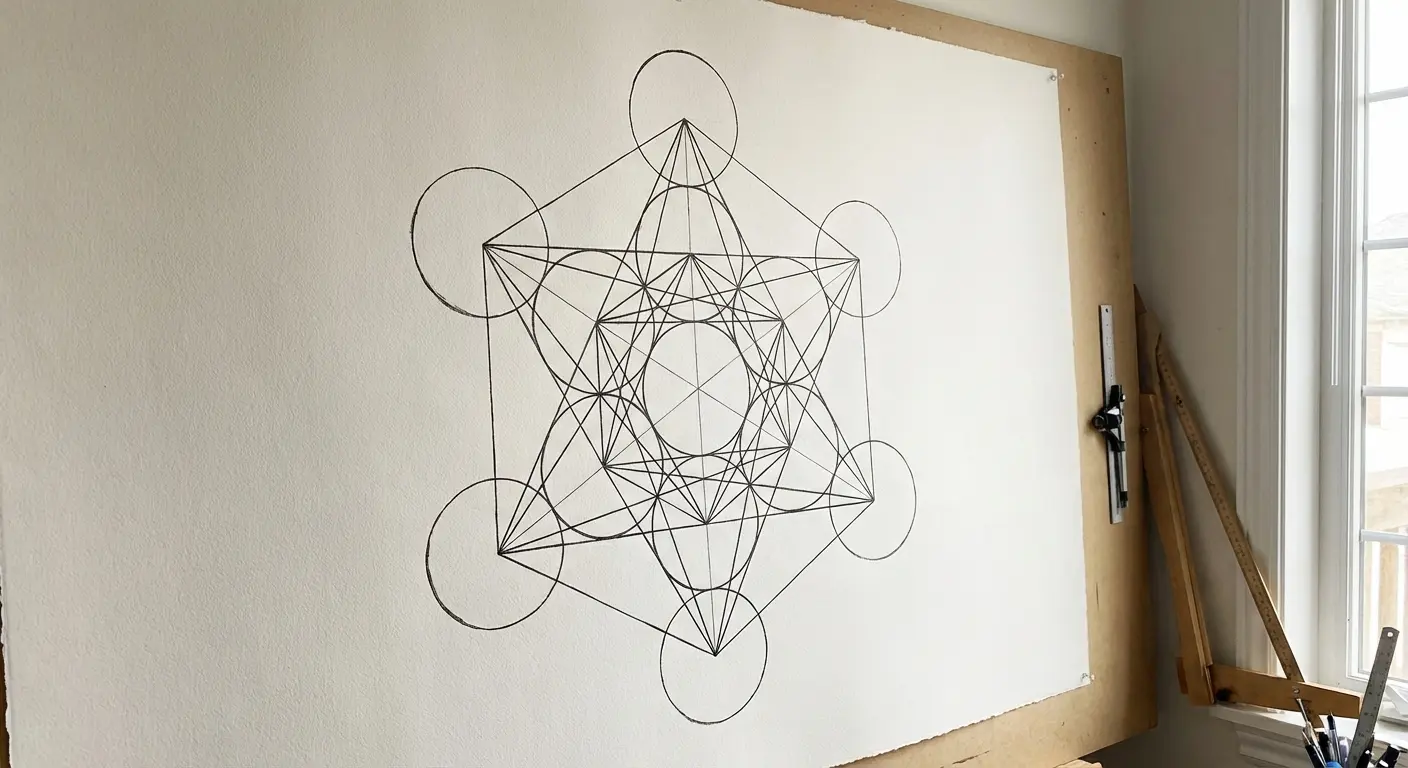
13. Sternum Geometric Containers
Geometric shapes centered on your sternum (circles, squares, hexagons, or more complex sacred geometry) create a visual container right over your heart and solar plexus. This placement feels protective and centering, literally marking your body’s emotional center.
The sternum is private. You control who sees it.
It’s also fairly painful to tattoo, which some people find meaningful. The discomfort becomes part of the piece’s significance. (I’m not saying you need to suffer for your art, but I’m also not not saying that.)
You can leave the geometric form empty (negative space), fill it with subtle patterns, or use it as a frame for other elements. The key is that it functions as a boundary, a designated space for whatever you need to hold.
14. Thigh Abstract Emotion Maps
Your thigh offers substantial space for larger, more complex abstract work. Flowing lines, color gradients, overlapping shapes, or chaotic-then-organized patterns can represent emotional landscapes that don’t fit into neat categories.
This is one of the few places on your body where you can go big and detailed while maintaining complete control over visibility. Abstract work here doesn’t require explanation. It can simply exist as a visual representation of your internal experience.
Work with an artist who understands color theory if you’re incorporating multiple hues. The thigh’s muscle and fat distribution can affect how colors heal and age. Not all artists are honest about this, so ask to see healed photos of similar work.
15. Back of Neck Negative Space Portals
Small designs on the back of your neck that use negative space (the unmarked skin) as the focal point. Maybe it’s a circular frame with the center left blank. Geometric shapes that outline rather than fill. Abstract forms that draw attention to what’s not there.
You can’t see this yourself without mirrors, which makes it fundamentally for others or for the feeling of having it there.
The back of the neck is increasingly acceptable in professional settings. Easier to hide with hair down, less shocking when visible than face or hand tattoos. But it’s still a bold choice that signals you’re willing to be seen.
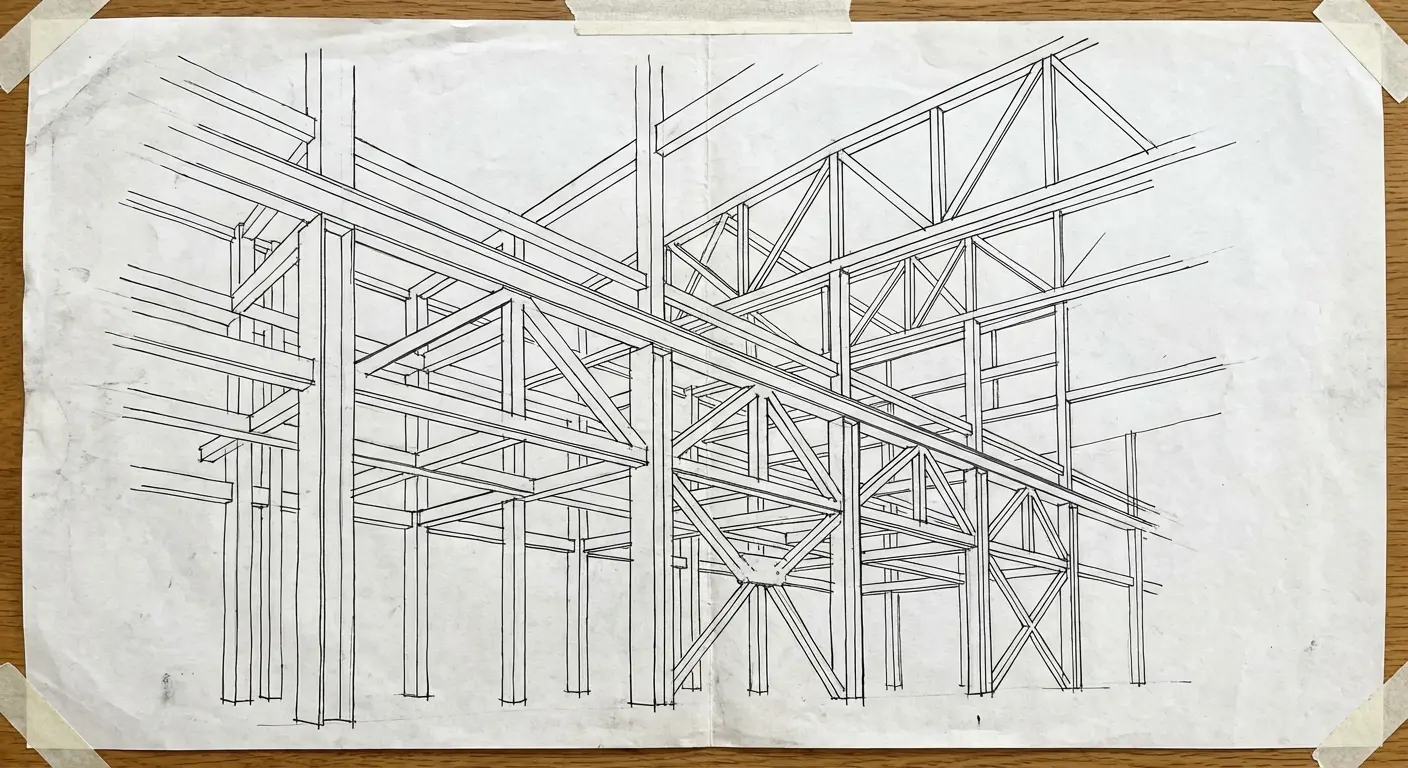
16. Side Torso Architectural Frameworks
The side torso (ribs to hip) provides a vertical canvas perfect for architectural line work. Columns, beams, frameworks, scaffolding, or abstract structural elements.
These designs can represent the internal support systems you’ve built. The frameworks that hold you together when everything else feels chaotic. Or just an appreciation for structure and form.
This placement contours with your body dramatically and offers substantial space for complex designs. It’s also one of the more painful areas to tattoo and takes multiple sessions for larger pieces. You need commitment.
The architectural elements can be realistic or abstract, minimal or detailed, depending on your aesthetic preferences.
Tattoos That Shift Perspective (Optical and Dimensional Play)
These designs use your body’s three-dimensionality to create optical effects, perspective tricks, or dimensional illusions. They’re for people who appreciate art that makes you look twice, that uses the body as an active participant in the design rather than just a surface to mark.
This category requires artists with strong technical skills and spatial awareness. Not every tattoo artist can pull these off convincingly.
17. Forearm Anamorphic Illusions
Anamorphic designs look distorted from most angles but resolve into recognizable images when viewed from a specific position. On the forearm, this might mean a design that only “reads” correctly when you hold your arm at a particular angle.
You need an artist experienced with perspective and distortion to pull this off. The effect is subtle enough that most people won’t notice anything unusual, but those who do will be genuinely intrigued.
This works best with geometric or architectural subjects rather than organic forms, since the distortion is part of the appeal. I’m obsessed with this concept even though I know it’s not for everyone.
18. Shoulder Wrap-Around Continuations
Designs that wrap from your shoulder to your chest or back create a continuous image that can only be seen in full when positioned in front of a mirror at the right angle. The shoulder’s curve becomes an essential part of the design rather than an obstacle to work around.
This might be a landscape that wraps the horizon line around your shoulder. Abstract elements that flow from front to back. Geometric patterns that complete themselves across the curve.
You’ll need multiple mirror angles or photos to see the full effect, which creates a sense of discovery even for you as the wearer.
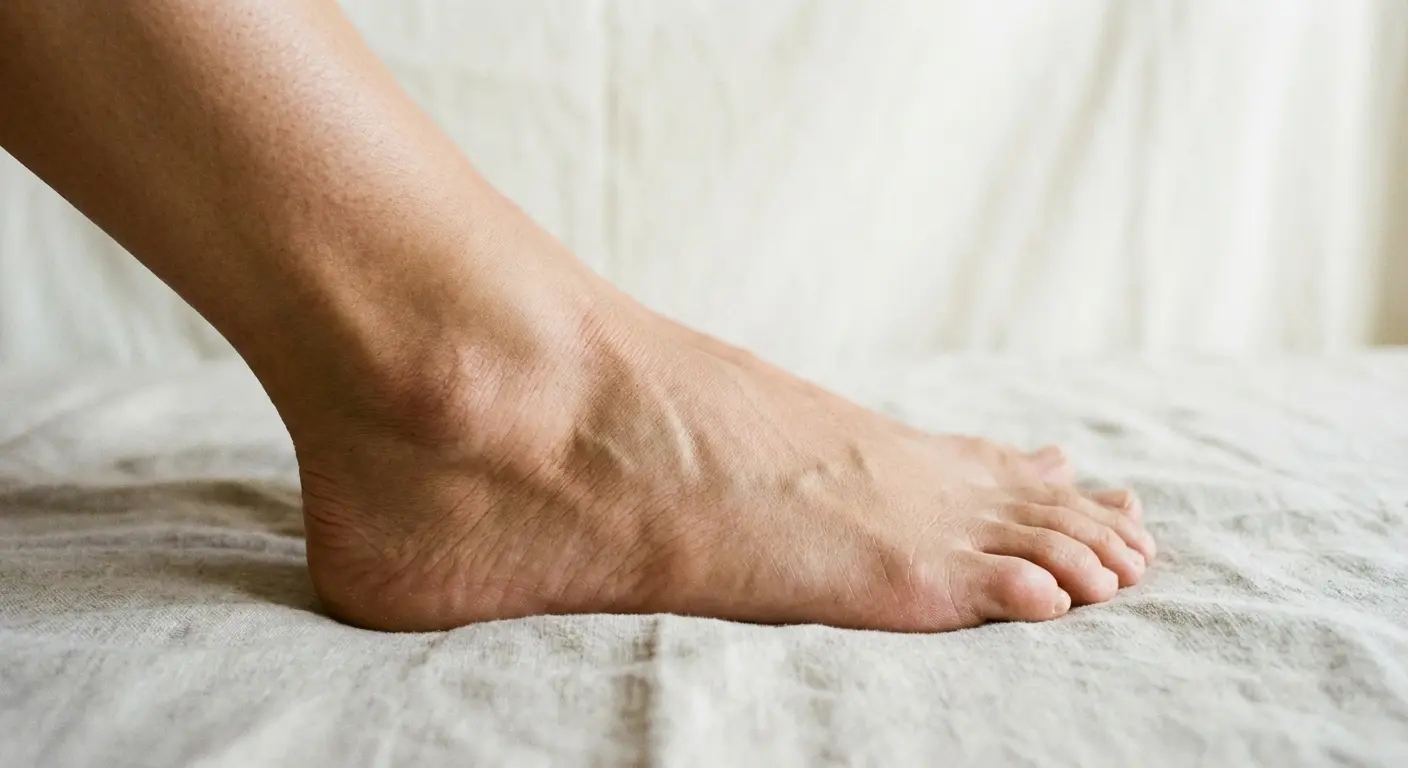
19. Foot-to-Ankle Elevation Studies
Designs that travel from the top of your foot up onto your ankle create interesting elevation changes that you can play with visually. Staircases that climb from foot to ankle, vines that grow upward, water that appears to flow down, or abstract elements that shift in density or pattern as they ascend.
The foot is notoriously painful to tattoo and can be tricky for healing. Lots of movement, friction from shoes; you’ll need to follow aftercare meticulously. Like, actually meticulously, not just “I’ll probably remember to moisturize.”
But the visual effect of a design that uses the foot-to-ankle transition as a feature is worth the extra care for many people.
20. Hand-to-Wrist Gesture Captures
Designs that incorporate your hand’s natural gestures offer something truly unique. Maybe lines that align when you press your palms together. Patterns that complete when you make a specific hand position. Elements that interact when you touch thumb to fingers.
This requires careful planning and positioning, but the result is a tattoo that activates through movement and intention.
Popular tattoo placement options include behind the ear, upper thigh, back of the neck, inside of the wrist, or between fingers. Hand tattoos represent the boldest commitment due to their permanent visibility in professional contexts.
Be realistic about your career trajectory. If you’re 22 and thinking about law school, maybe hold off on the hand tattoo. If you’re established in a field where this won’t matter, go for it.
But if you’re in a position where this works for your life, gesture-based designs add an interactive dimension that most tattoos lack. Your artist will need to map these while you’re holding the specific position to ensure alignment.
Turning Ideas Into Ink (When You Know What You Want But Can’t Draw It)
You’ve probably spent hours scrolling through Pinterest boards and Instagram feeds, saving references that get close to what you want but never quite nail it.
The frustration of knowing exactly how a tattoo should feel but lacking the artistic skills to sketch it out is real. Trying to verbally explain abstract concepts, emotional states, or specific visual combinations to an artist often results in miscommunication and compromises you’re not fully happy with.
Finding the right artist who understands your vision becomes essential to translating those concepts into permanent ink. And honestly? That’s the hardest part of this whole process.
If your artist can’t show you healed photos of similar work, walk away. If they can’t explain how they’ll adapt the design to your body’s specific contours, walk away. If they rush the consultation or seem annoyed by your questions, definitely walk away.
This is permanent. You get to be picky.
Final Thoughts
The tattoos that last emotionally (not just physically) are the ones that integrate with how you live. I’ve moved away from treating my body as a blank billboard and toward thinking about it as a dynamic form that moves, changes, and exists in specific contexts.
Placement matters beyond aesthetics. It affects how often you see the design, under what circumstances, and what that repeated viewing reinforces.
The best tattoo isn’t about following trends or choosing what looks good in photos. It’s about identifying what genuinely resonates with your daily experience, your physical reality, and the ways you want to mark your own skin.
Whether you’re drawn to ritual anchors, movement-based designs, temporal markers, emotional containers, or perspective play, the throughline is intentionality. You’re choosing ink that serves a purpose beyond decoration, that acknowledges your body as something that breathes, flexes, ages, and carries you through your days.
Take your time with this decision. Sit with these ideas. Notice which ones make you feel something beyond “that looks cool.”
The right tattoo won’t feel like you’re adding something to yourself. It’ll feel like you’re marking something that was already there.
Or maybe I’m being too precious about this. Maybe you just want cool art that works with your lifestyle.
Both are valid.
Either way, choose placement that serves you, not your Instagram feed.
