
11 Tattoo Removal Creams That Actually Fade Ink (2026 Expert Breakdown)
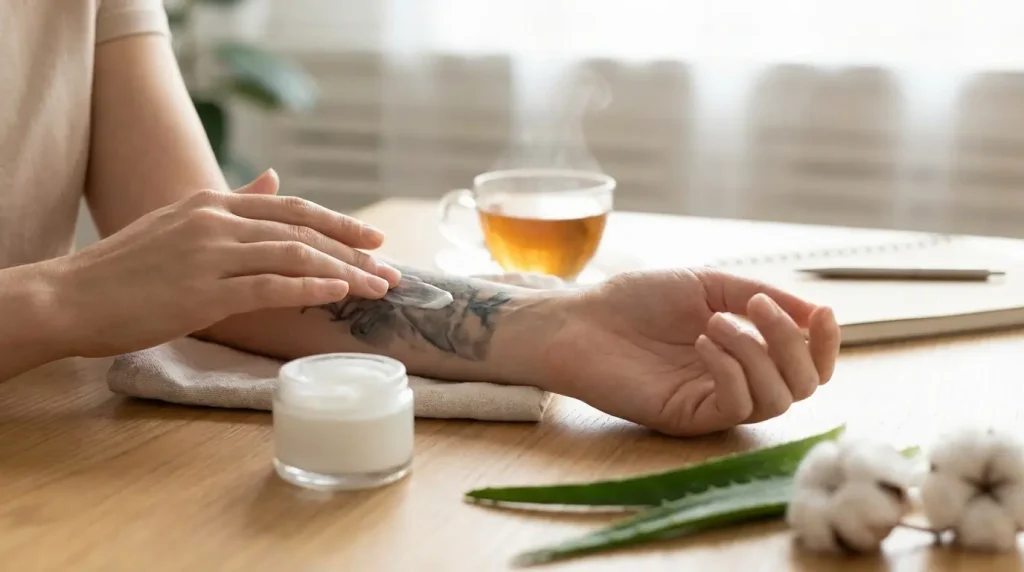
My friend Rachel spent three months rubbing some $60 “miracle cream” on her ankle tattoo. Know what happened? The tattoo—a dolphin she got at 19 because apparently dolphins meant “freedom” or some shit—looked exactly the same. Her skin, though? Red, flaky, and seriously pissed off. That’s when I went down the rabbit hole of tattoo removal creams and realized how much bullshit floats around about these products.
You’re here because you’ve got ink you regret. Maybe it’s your ex’s name (classic). Maybe it’s a Chinese character that probably says “chicken” instead of “warrior.” Maybe it’s a Tweety Bird from 1997 or you tried to turn your ex’s name into a rose and now it looks like a diseased vegetable. Whatever it is, you’re tired of explaining it at job interviews.
The laser removal route costs thousands and hurts like getting snapped with a rubber band made of fire. So yeah, rubbing cream on it for six months sounds pretty good. Let me tell you what actually works, what’s bullshit, and what might burn your skin off if you’re not careful.
Look, I’m gonna level with you: these creams fade tattoos, they don’t erase them. Sometimes significantly, sometimes barely, but they never completely remove ink the way laser treatments can. If you’re expecting your tattoo to disappear, close this tab right now and start saving for laser.
But if you want to lighten it enough for a cover-up, or fade it so it’s barely noticeable? That’s actually possible with the right product and realistic expectations.
Table of Contents
-
The Quick Version
-
How I’m Judging These Products
-
What These Creams Actually Do (Spoiler: Not Much)
-
Top 11 Tattoo Removal Creams for 2026
-
Wrecking Balm Tattoo Fade System
-
MODAO Permanent Tattoo Removal Cream
-
Trichloroacetic Acid by RePare Skincare
-
TCA-Based Tattoo Fade Cream (Generic Professional Formula)
-
Hydroquinone Tattoo Lightening Cream
-
Kojic Acid Tattoo Fade Formula
-
Alpha Arbutin Tattoo Fading Serum
-
Aloe Vera-Enhanced Tattoo Fade Cream
-
Professional TCA + Hydroquinone Combination Cream
-
Natural Tattoo Fading System with Plant Extracts
-
Tattoo Destroyer Advanced Formula
-
-
A Few More Worth Mentioning
-
Questions Everyone Asks
-
So What Should You Actually Do?
The Quick Version
No cream completely removes tattoos. They fade them 30-70% if you’re lucky and consistent.
TCA works best but can burn the shit out of your skin if you mess it up.
Hydroquinone is great for dark tattoos on pale skin. Terrible for everyone else. Like, can cause permanent light patches on darker skin tones terrible.
Natural options are safe but slow as hell. We’re talking 6+ months for maybe 30% fading.
The expensive professional combos work but cost almost as much as laser.
Cheap creams are a gamble. Sometimes they work. Usually they don’t.
You’ll probably still need laser eventually. These creams are foreplay, not the main event.
Most people waste money expecting their tattoos to disappear completely, only to discover that even the best formulas can’t reach the deep dermal layers where ink permanently sits. The ink stays in your dermis. You’re just making it less visible.
Fair-skinned users with black ink see the most dramatic results. Deeper complexions face serious risks with the aggressive stuff.
What works brilliantly for your friend might cause serious problems for you. Your skin type, tattoo characteristics, and how consistently you apply the stuff all affect outcomes.
How I’m Judging These Products
I’m not ranking these on packaging or marketing bullshit. Here’s what actually matters:
Does it have ingredients that work? TCA, hydroquinone, kojic acid, and alpha arbutin are the only things with science backing them up. Everything else is expensive lotion with delusions of grandeur. If the ingredient list is “proprietary blend,” run. The challenge? Tattoo ink sits deep in your dermis layer, and topical creams only penetrate surface layers. That’s why even the best formulas fade rather than remove.
Will it mess up your skin? Some of these can cause burns, scars, or permanent light patches. TCA will absolutely wreck you if you apply it wrong. Hydroquinone can leave dark skin looking blotchy forever. Natural stuff is safer but barely works. Fair skin has more options. Dark skin needs to be way more careful. We’re looking at whether you need to patch test (you do, always), what side effects people actually report, and whether the product matches your skin type.
Are they lying about what it does? Any cream claiming “complete removal” is lying to you. The honest ones say “fading” or “lightening.” The best formulas might fade your tattoo by 70% after six months of daily application. Many deliver 30-40% fading. Some do basically nothing. I’m giving points to companies that don’t bullshit you about timelines or results.
What’s this actually gonna cost you? Not just the sticker price but total cost over the months you’ll use it. A $30 cream that lasts two weeks and requires six months of treatment costs more than a $100 system that lasts three months. Also factoring in: will you still need laser treatment after? Because if you’re spending $300 on creams just to eventually pay $3,000 for laser anyway, maybe skip the creams.
Can you actually use this at home? Simple creams you slap on twice a day? Great. Complex multi-step systems requiring precise timing? Annoying but doable. Professional-grade formulas that can burn you? Maybe don’t try that in your bathroom without knowing what you’re doing.
What These Creams Actually Do (Spoiler: Not Much)
Tattoo removal creams don’t remove tattoos. Full stop. They fade them. Sometimes a lot, sometimes barely, but they never erase ink like laser can.
Here’s why: When you got tattooed, the artist injected ink deep into your dermis, the layer of skin below the surface stuff. Your immune system tried to eat those ink particles and failed, which is why the tattoo stayed. That’s also why tattoos naturally fade slightly over decades as your immune system keeps trying.
These creams work in two ways, neither of which reaches that deep ink:
Option 1: Chemical exfoliation (TCA) basically burns away the top layers of skin. Your body grows new skin with slightly less ink visible through it. Do this enough times over months, and the tattoo fades. You’re not removing ink. You’re removing the skin on top of it and hoping the new skin looks better. With repeated applications over months, this process can reduce the concentration of ink particles visible through your skin.
Option 2: Skin bleaching (hydroquinone) doesn’t touch the ink at all. Just lightens your skin so there’s less contrast between your skin and the tattoo. The ink’s still there at full strength. It’s just less obvious against paler skin. They bleach the surrounding skin, reducing melanin production and making the contrast between your skin and the tattoo less noticeable.
The best creams combine both approaches. They exfoliate while lightening, attacking the problem from two angles. Even those max out around 70% fading after six months of perfect, daily use. That’s the best-case scenario with professional-grade ingredients used perfectly.
Most people see 30-50%. Some see almost nothing.
What works and what doesn’t depends on:
-
How old your tattoo is (older fades easier)
-
What colors (black is easiest, colors are good luck)
-
How deep the artist went (professional work is harder to fade)
-
Your skin type (fair skin has more options, dark skin has fewer safe choices)
-
Whether you actually apply the stuff every damn day for months
Black ink fades more readily than colors. Older tattoos respond better than fresh ones. Professional tattoos with dense ink saturation resist fading more than amateur stick-and-poke work.
You need to decide what “success” means. Complete removal? Not happening without laser. Lightening it enough for a cover-up? Maybe. Making it barely noticeable? Possibly, if you’re patient and lucky.
If you want it gone, save up for laser. If you want it lighter and can wait six months, keep reading.
Top 11 Tattoo Removal Creams for 2026
Wrecking Balm Tattoo Fade System
The One That Doesn’t Lie to You
Here’s why I’m starting with this one: they call it a “fade system,” not a removal solution. In an industry full of bullshit promises, that honesty is refreshing as hell.
It’s a multi-step thing, not just slapping cream on your tattoo and hoping. You prep, treat, and recover in phases. The system guides you through preparation, application, and aftercare that maximize ingredient penetration while minimizing irritation. Does it work? Yeah, for a lot of people. Will it erase your tattoo? No, and they don’t claim it will.
The system uses a multi-phase approach with distinct preparation and treatment stages. You’re getting a complete protocol designed to gradually lighten tattoo ink through consistent use. The formulation contains proven fading agents that work on various tattoo colors, though black ink responds best (as with all topical treatments).
What’s good about it: Thousands of real before-and-after photos (not just marketing shots). Works on different skin types. Won’t burn your skin off if you follow directions. The company’s been around long enough that they’d be out of business if it was total snake oil. Their transparent marketing doesn’t overpromise. When a company admits upfront that you’re looking at fading rather than removal, that transparency suggests they’re more interested in repeat customers than one-time sales to disappointed buyers.
What sucks: Takes 3-6 months minimum. Miss applications regularly and you’re extending that timeline even further. Costs $50-100 upfront, then you need refills. Total cost can approach what you’d pay for a few laser sessions. Results vary wildly. Some people get 60-70% fading after six months. Others see maybe 20-30%. Your tattoo’s characteristics, skin type, and application consistency all affect outcomes. And it’s boring as hell to apply twice a day for months.
Real talk from users: Sarah on Reddit said it lightened her tribal tattoo about 40% after four months of twice-daily application. Another guy said he got maybe 20% and gave up. Your mileage will vary.
The most common complaint? Time investment versus results. Several people mention abandoning the system after two months when fading wasn’t dramatic enough to justify continued effort.
Price: $50-100 for complete system
Find Wrecking Balm through authorized retailers and online distributors.
MODAO Permanent Tattoo Removal Cream
The Dice Roll
This is the cheap option ($20-40) that might work or might do nothing. The reviews are all over the place. Some people swear by it. Others say it gave them chemical burns.
MODAO carved out a niche by being one of the most affordable and accessible options in the market. You’ll find it on major online marketplaces with international shipping. The cream uses a straightforward topical application rather than a multi-step system. You’re applying it directly to your tattoo twice daily. That simplicity appeals to people who want to try tattoo fading without committing to complex routines.
The problem? Quality control seems nonexistent. You might get a batch that works. You might get expensive lotion. You definitely need to patch test the hell out of it because the irritation reports are concerning. Redness, itching, and sensitivity occur frequently enough that patch testing is absolutely essential.
What’s good: The price point makes it accessible for people who want to test whether topical fading works for them before investing in premium systems. You’re spending $20-40 instead of $100+, lowering the financial risk if results disappoint. Online availability means you can order it easily. The application process couldn’t be simpler. No multi-step protocols, no mixing, no complicated timing.
What sucks: Results vary wildly between users. You might see 30% fading after four months, or you might see almost nothing. The inconsistency makes it hard to predict whether you’ll be satisfied. Skin irritation reports are more common with MODAO than with established brands. The fading process takes longer than the marketing suggests. Expect 4-6 months minimum for noticeable results, not the weeks some promotional materials imply. Limited scientific backing and proprietary formulation mean you’re trusting a relatively unknown brand with your skin.
My take: If you’re broke and willing to gamble, sure. If you have $50, buy something more reliable. Life’s too short for mystery cream. Even $30 is wasted money if it doesn’t work for you.
User experiences split dramatically. One reviewer reported 25% fading on a small wrist tattoo after five months, calling it “slow but noticeable.” Another experienced chemical burns and scarring after three weeks of use, warning others to patch test extensively.
Price: $20-40
Purchase MODAO through online marketplaces and specialty retailers.
Trichloroacetic Acid by RePare Skincare
Professional-Grade Stuff That Works (If You Don’t Mess It Up)
RePare Skincare brings professional credibility to the at-home tattoo fading market. They’re an established skincare brand known for medical-grade formulations, not a company that appeared overnight selling miracle cures.
Their TCA product uses concentrations strong enough to produce real results but controlled enough for home use (when applied correctly). Trichloroacetic Acid ranks among the most effective topical ingredients for tattoo fading because it penetrates deeper skin layers than gentler alternatives.
The exfoliating action works by chemically burning away skin layers containing ink particles. Your body regenerates new skin with lower ink concentration, gradually fading the tattoo’s appearance. It’s aggressive, it’s effective, and it’s risky if you don’t know what you’re doing
What’s good: TCA delivers results that gentler ingredients can’t match. Users who follow protocols carefully report visible fading within 6-8 weeks, faster than most alternative formulations. The professional skincare brand backing provides quality assurance. RePare Skincare has reputation stakes in the broader skincare market, not just tattoo removal, which incentivizes product safety and effectiveness. Stubborn tattoos that don’t respond to hydroquinone or natural alternatives often show improvement with TCA. Dermatologists familiar with chemical peels recognize TCA as a legitimate fading agent.
What sucks: Burns and scarring represent real risks if you misapply TCA. The concentration strong enough to fade tattoos is also strong enough to damage skin permanently. One mistake can leave you worse off than you started. Application technique matters enormously. You need steady hands, precise timing, and careful attention to instructions. This isn’t a cream you apply while distracted or in a hurry. Sensitive skin types shouldn’t use TCA without professional supervision. Darker skin tones face higher risks of hyperpigmentation and discoloration. TCA can lighten skin unevenly, creating patches that look worse than the original tattoo.
Experienced users praise TCA’s effectiveness while warning newcomers about the learning curve. One detailed review described 50% fading on a black ankle tattoo after three months, but also mentioned two incidents of over-application causing temporary burns.
Dermatologists recommend TCA for tattoo fading but emphasize the importance of starting with lower concentrations and building tolerance. Several professionals suggest having at least one supervised application before attempting home use.
Negative reviews almost universally involve user error: leaving the product on too long, applying to unprepared skin, or using too high a concentration initially. The product works, but it punishes mistakes.
Price: $40-80
Order through professional skincare retailers and dermatology clinics.
TCA-Based Tattoo Fade Cream (Generic Professional Formula)
What Dermatologists Actually Recommend
Generic TCA formulations strip away brand marketing to give you the active ingredient dermatologists recommend most often for tattoo fading. You’re getting the same chemical exfoliant used in professional peels, just in concentrations designed for targeted tattoo treatment.
The science behind TCA is well-established. It’s been used in dermatology for decades to treat hyperpigmentation, scarring, and skin texture issues. Applying that same mechanism to tattoo fading makes logical sense: you’re removing damaged or pigmented skin layers and encouraging regeneration of fresh tissue.
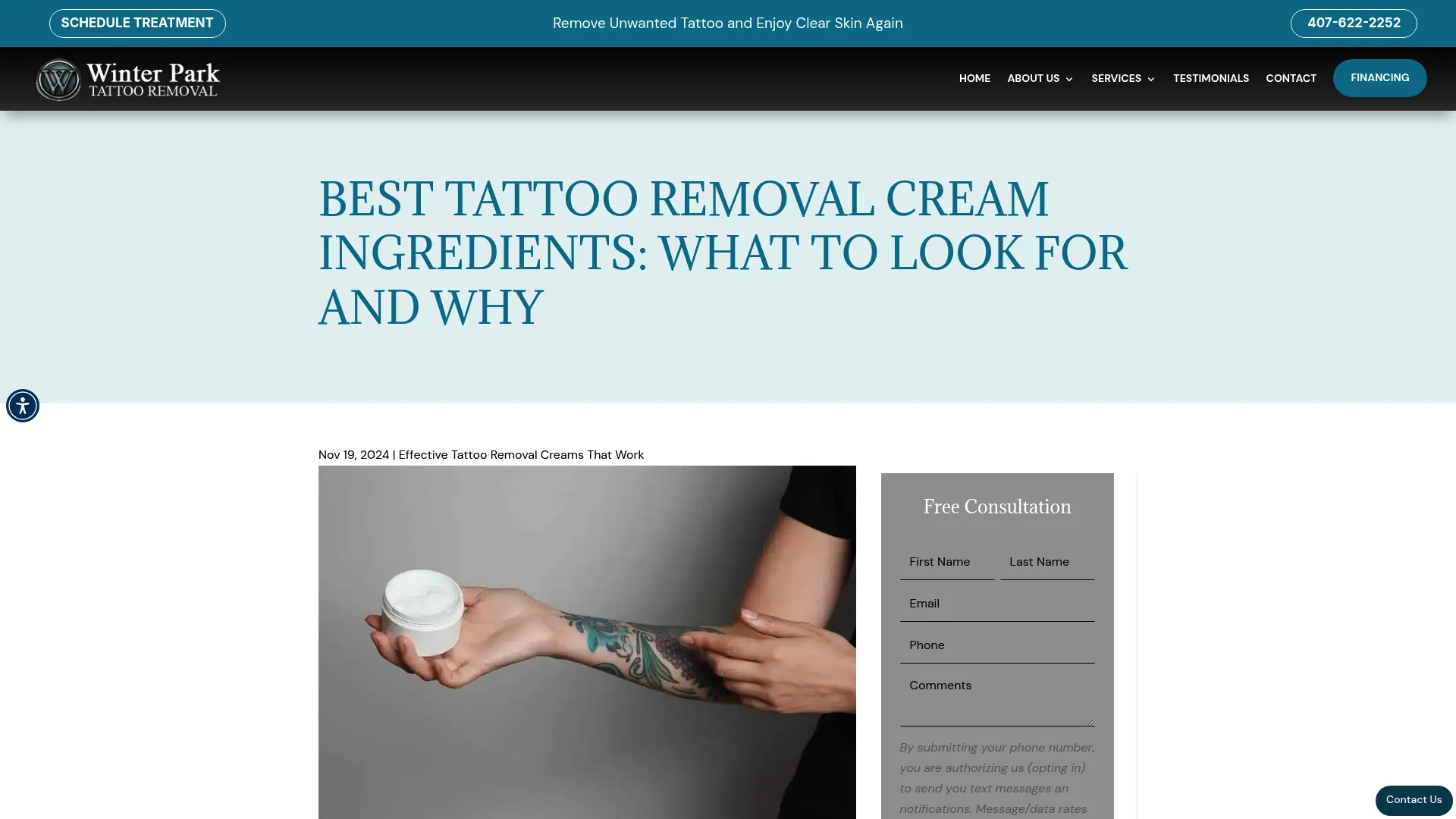
Different brands offer various concentrations, typically ranging from 10% to 30% TCA. Lower concentrations work more gradually with less risk. Higher concentrations deliver faster results but require more expertise to use safely.
What’s good: Scientific backing gives you confidence you’re using something that works. TCA has decades of clinical use and peer-reviewed studies supporting its effectiveness for pigmentation issues. Professional recommendations carry weight. When dermatologists suggest TCA for tattoo fading, they’re drawing on established medical knowledge, not marketing hype. Deep pigmentation responds to TCA when gentler treatments fail. The penetration depth reaches ink particles that surface-level products can’t affect. Visible results appear relatively quickly compared to natural alternatives. Users typically see initial fading within 4-6 weeks rather than months.
What sucks: Risk of permanent scarring makes this unsuitable for DIY use without proper training. Chemical burns from TCA can leave you with damage worse than the tattoo you’re trying to fade. Professional guidance isn’t optional, it’s essential. You need someone with experience to help you choose the right concentration and application protocol for your specific situation. Training requirements mean you can’t just buy TCA and start applying it. You need to understand skin anatomy, chemical burn treatment, and proper application technique. Permanent scarring from misuse is common enough that many dermatologists won’t sell TCA to patients for home use.
Medical professionals consistently rank TCA as the most effective topical option for tattoo fading. One dermatologist noted that properly-applied TCA can achieve 60-70% fading on black ink tattoos over 4-6 months.
User reviews from those who received professional guidance report strong results. A supervised user described 55% fading on a dark green tattoo after 12 weekly applications performed by a licensed aesthetician.
Horror stories from unsupervised use are common. Multiple reviews describe permanent scarring, hyperpigmentation, and chemical burns from DIY applications. The consistent message: don’t attempt this without professional help.
Price: $30-100 depending on concentration and brand
Available through medical supply retailers and dermatology clinics.
Hydroquinone Tattoo Lightening Cream
Great for Dark Tattoos on Fair Skin, Terrible for Everyone Else
Hydroquinone takes a fundamentally different approach than exfoliating acids. Instead of removing skin layers, it lightens the skin itself by inhibiting melanin production. The result? Your tattoo becomes less visible against lighter surrounding skin.
This mechanism works particularly well on darker tattoos where high contrast makes them prominent. By reducing that contrast, hydroquinone makes tattoos fade into the background even though the ink remains at the same concentration.
Medical-grade formulations are available in concentrations from 2% (over-the-counter) to 4% (prescription). Higher concentrations deliver faster results but increase the risk of side effects.
What’s good: Proven lightening effects make hydroquinone one of the most reliable options for reducing tattoo visibility. Decades of use in treating hyperpigmentation demonstrate its effectiveness. Dark tattoos respond particularly well. If you’ve got black, dark blue, or dark green ink, hydroquinone can significantly reduce how noticeable it appears. Relatively safe when used correctly and monitored appropriately. Unlike TCA, you’re not risking chemical burns with each application. Multiple concentration options let you start conservatively and increase strength if needed.
What sucks: Permanent skin discoloration is a real risk, especially on darker skin tones. Hydroquinone can create uneven lightening that looks worse than the original tattoo. Long-term use carries health concerns. Some studies link extended hydroquinone use to increased cancer risk, though evidence remains debated. You’re not removing ink, just making it less visible. The tattoo remains at full strength. You’ve simply lightened the surrounding skin to reduce contrast. Irritation and sensitivity develop with prolonged use. Many users need to cycle on and off hydroquinone to avoid persistent redness and peeling.
Dermatologists frequently prescribe hydroquinone for tattoo lightening before cover-up work. One cosmetic dermatologist noted it’s her first recommendation for patients with dark tattoos on fair skin.
User reviews from appropriate candidates (fair to medium skin tones with dark tattoos) report 40-60% reduction in visibility after 3-4 months. The tattoo remains but becomes significantly less noticeable.
Warnings from darker-skinned users are consistent and concerning. Multiple reviews describe permanent light patches around treated tattoos that required additional cosmetic treatment to correct.
Price: $15-50 depending on concentration
Find hydroquinone at pharmacies, dermatology clinics, and online retailers.
Kojic Acid Tattoo Fade Formula
The Natural Alternative That Actually Has Some Science Behind It
Kojic acid emerged as the natural alternative when hydroquinone’s safety concerns became widely publicized. Derived from certain fungi, it lightens skin through a similar mechanism but with a gentler action profile.
The natural origin appeals to users who prefer plant-based or naturally-derived skincare ingredients. You’re getting pigment reduction without synthetic chemicals, which matters to the growing natural beauty market.
Formulations typically range from 1-4% kojic acid, often combined with other natural lightening agents like licorice extract or vitamin C. The combination approach enhances effectiveness while maintaining the gentler safety profile.
What’s good: Less irritating than hydroquinone makes kojic acid suitable for sensitive skin types. Users who experienced redness and peeling with hydroquinone often tolerate kojic acid well. Natural ingredient source appeals to users avoiding synthetic chemicals. The clean beauty movement has increased demand for naturally-derived alternatives. Lower risk of permanent discoloration means darker skin tones can use kojic acid more safely than hydroquinone. While caution remains necessary, the risk profile is significantly better. Suitable for most skin types gives kojic acid broader applicability.
What sucks: Slower results require more patience. Where hydroquinone might show visible lightening in 6-8 weeks, kojic acid often takes 3-4 months for comparable results. Very sensitive skin can still experience redness, though it’s less common than with hydroquinone. Patch testing remains important despite the gentler profile. Consistent long-term use is essential. Miss applications regularly and you’ll extend the already lengthy timeline even further. Less effective on very dark tattoos means kojic acid works best for moderate pigmentation.
Natural skincare enthusiasts praise kojic acid as their preferred lightening option. One reviewer described 35% fading on a medium-toned tattoo after five months, appreciating the lack of irritation throughout treatment.
Dermatologists recommend kojic acid for patients with darker skin tones or sensitivity issues that preclude hydroquinone use. It’s positioned as the safer choice when aggressive fading isn’t the priority.
Some users abandon kojic acid after two months when results don’t match their expectations. The slow timeline frustrates people expecting hydroquinone-level speed from a gentler ingredient.
Price: $20-45
Available at natural skincare retailers and online marketplaces.
Alpha Arbutin Tattoo Fading Serum
The Safest Option That Barely Does Anything
Alpha arbutin sits at the opposite end of the spectrum from TCA. Where TCA aggressively burns away skin layers, alpha arbutin gently inhibits pigment production with virtually no side effects.
The natural compound derived from bearberry plants offers the safest pigment reduction available. Dermatologists recommend it for patients who can’t tolerate any other lightening agents due to sensitivity or skin tone concerns.
Serum formulations absorb quickly without the heavy texture of creams, making them pleasant to use daily. The lightweight consistency works well under makeup or sunscreen, integrating easily into existing skincare routines.
What’s good: Safest option for sensitive skin eliminates concerns about burns, scarring, or permanent discoloration. You’re trading speed for security. All skin tones can use alpha arbutin without discoloration risk. Dark-skinned users who can’t safely use hydroquinone or TCA have a viable option. Long-term use carries no health concerns. You can apply alpha arbutin indefinitely without the cycling required for hydroquinone. Pleasant serum texture makes daily application enjoyable rather than a chore.
What sucks: Very slow results test your patience. We’re talking 4-6 months minimum before you notice any change, possibly longer for stubborn tattoos. Premium pricing doesn’t match the modest results. You’re paying for safety and gentleness, not aggressive fading. Months of consistent use are non-negotiable. Miss applications and you’re looking at even longer timelines. Minimal visible change frustrates some users who expect more dramatic results.
Sensitive skin users appreciate alpha arbutin’s gentleness. One reviewer with rosacea reported using it for seven months on a small tattoo, achieving 25% fading without any irritation flare-ups.
Dermatologists prescribe alpha arbutin for patients with darker skin tones or medical conditions that preclude stronger treatments. It’s the default recommendation when safety trumps speed.
Impatient users frequently complain about the slow timeline. Several reviews mention switching to stronger alternatives after three months of minimal visible change.
Price: $35-70
Purchase through premium skincare retailers and dermatology clinics.
Aloe Vera-Enhanced Tattoo Fade Cream
The Sidekick, Not the Hero
Aloe vera-enhanced formulations prioritize skin health while providing modest fading support. The natural moisturizing and healing properties reduce irritation from other active ingredients, making these creams ideal as complementary treatments rather than standalone solutions.
These products work best when you’re using TCA or hydroquinone and experiencing redness or sensitivity. Adding an aloe-enhanced cream to your routine can help your skin tolerate the aggressive ingredients.
The natural moisturizing properties support skin regeneration, which theoretically helps your body process and eliminate ink particles more efficiently. The science on this mechanism is less established than for direct fading agents, but the skin health benefits are undeniable.
What’s good: Soothes irritated skin makes this valuable for users experiencing redness or sensitivity from stronger treatments. The cooling effect provides immediate relief. Natural ingredient appeals to users preferring botanical skincare. Aloe vera has centuries of traditional use and modern scientific validation for skin healing. Supports skin regeneration helps your body recover from aggressive treatments while potentially enhancing ink elimination through improved cellular turnover. Minimal side effects mean almost anyone can use aloe-enhanced products safely.
What sucks: Limited fading ability on its own means you can’t rely on aloe vera as your primary active ingredient. It’s supportive, not primary. Best as supplementary ingredient rather than standalone solution. You’ll need other active fading agents to see meaningful tattoo lightening. Slow results reflect the gentle mechanism. Aloe vera works gradually through skin health support rather than aggressive pigment reduction. Rare allergic reactions do occur. Some users experience contact dermatitis from aloe, though it’s uncommon.
Users combining aloe-enhanced creams with TCA report better tolerance and less downtime between applications. One reviewer noted that adding aloe cream to their hydroquinone routine eliminated the persistent redness they’d experienced.
Dermatologists recommend aloe products as aftercare for aggressive treatments. It’s positioned as the recovery support rather than the active treatment itself.
Standalone use reviews are mixed. Users expecting significant fading from aloe alone express disappointment, while those using it for skin health appreciate the moisturizing benefits.
Price: $15-35
Find aloe-enhanced creams at natural health stores and online retailers.
Professional TCA + Hydroquinone Combination Cream
The Nuclear Option
Combination formulas represent the nuclear option in topical tattoo fading. By merging TCA’s exfoliation with hydroquinone’s lightening, you’re attacking tattoo visibility from two directions simultaneously.
Professional-grade concentrations deliver results that approach what you might achieve with laser treatment (though still not matching it). Some users report 60-70% fading after 4-6 months of supervised use.
The clinically-tested combinations use specific ratios designed to maximize effectiveness while managing (though not eliminating) the risk of complications. These aren’t random mixtures. They’re formulated based on dermatological research.
What’s good: Most effective topical option delivers results that single-ingredient products can’t match. The synergistic effect produces faster, more dramatic fading. Combines two proven ingredients with established mechanisms. You’re not hoping a proprietary blend works. You’re using scientifically-validated compounds. Faster results than single-ingredient products mean you might see significant fading in 3-4 months rather than 6-8 months. Professional-grade formulation ensures proper ratios and concentrations.
What sucks: High risk of side effects makes professional supervision essential. Burns, scarring, and permanent discoloration are real possibilities. Professional guidance isn’t optional. You need expert oversight to use combination creams safely. Not suitable for dark skin tones due to compounded discoloration risk. Both ingredients carry risks for darker complexions, and combining them multiplies those concerns. Expensive treatment course reflects the premium formulation and required professional supervision. Total cost can approach laser treatment pricing.
Dermatologists using combination creams in clinical settings report the best results they’ve seen with topical treatments. One practitioner noted 65% fading on a patient’s black tattoo after five months of supervised biweekly applications.
Supervised users praise the effectiveness while emphasizing the importance of professional guidance. A reviewer working with a licensed aesthetician described dramatic fading without complications.
DIY attempts frequently result in complications. Multiple reviews warn against trying to create your own combinations or using professional formulas without supervision.
Price: $60-120
Available through dermatology clinics and professional skincare suppliers.
Natural Tattoo Fading System with Plant Extracts
For People Who Won’t Put Chemicals on Their Skin (Even If It Means It Won’t Work)
Plant extract systems cater to the growing market of users who won’t put synthetic chemicals on their skin regardless of effectiveness. These formulations use botanical ingredients with traditional lightening properties: licorice root, mulberry extract, bearberry, and similar plants.
The organic formulations appeal to environmental consciousness and natural living philosophies. You’re using ingredients that biodegrade naturally and come from sustainable sources.
Environmentally friendly production methods and packaging attract eco-conscious consumers. Some brands donate portions of proceeds to environmental causes, adding ethical appeal to the natural ingredient profile.
What’s good: Natural ingredient profile eliminates concerns about synthetic chemicals. Users committed to natural living can fade tattoos without compromising their values. Suitable for sensitive skin that reacts to chemical treatments. The gentle botanical approach rarely causes irritation. Low risk of side effects makes these systems safe for almost anyone. Adverse reactions are uncommon and typically mild. Appeals to natural lifestyle preferences beyond just tattoo fading. Users often incorporate these products into broader natural skincare routines.
What sucks: Limited scientific evidence supporting effectiveness raises questions about whether these products work beyond placebo effect. Minimal visible results frustrate users expecting meaningful fading. Most plant extracts lack the potency to significantly lighten tattoo ink. Very slow process means you’re looking at 6-12 months for subtle changes. The timeline tests even patient users’ commitment. More expensive than effectiveness warrants. You’re paying premium prices for natural ingredients that may not deliver results.
Natural living enthusiasts appreciate having a chemical-free option even if results are modest. One reviewer valued the peace of mind from using only botanical ingredients despite minimal visible fading after six months.
Dermatologists rarely recommend plant extract systems due to lack of clinical evidence. They’re positioned as harmless but likely ineffective.
Disappointed users frequently mention wasted money on products that didn’t deliver promised results. The natural appeal doesn’t compensate for lack of effectiveness.
Price: $30-60
Available at natural health stores and organic skincare retailers.
Tattoo Destroyer Advanced Formula
Strong Marketing, Mixed Results
Tattoo Destroyer built name recognition through aggressive online marketing and strategic placement on tattoo removal search results. The brand targets people just beginning to research alternatives to laser treatment.
The proprietary formula claims to work on various ink colors, though black remains the most responsive (as with all topical treatments). Multi-ingredient blends supposedly address different aspects of tattoo fading simultaneously.
Home-use convenience eliminates the need for clinical visits or professional supervision. You’re applying the cream yourself on your own schedule, which appeals to people uncomfortable with medical settings or unable to access professional services.
(Side note: why are tattoo removal products always called things like “Destroyer” and “Wrecker”? Are we removing tattoos or demolishing buildings?)
What’s good: Recognizable brand name provides comfort for users nervous about unknown products. The established online presence suggests legitimacy. Some positive user testimonials indicate the formula works for certain people. While results vary, enough users report success to suggest active ingredients are present. Accessible pricing structure makes it affordable compared to professional treatments. No prescription needed means you can start treatment immediately without doctor visits or insurance complications.
What sucks: Proprietary formula lacks transparency about what you’re putting on your skin. Unknown ingredient concentrations make it impossible to assess safety or compare to alternatives. Results inconsistent across users suggest formulation may not be optimized or quality control varies between batches. Success seems somewhat random. May take 4-6 months for noticeable change, which is longer than some users expect based on marketing materials. Limited independent clinical validation means you’re trusting user reviews and company claims rather than scientific studies.
Mixed user experiences dominate reviews. One person reported 40% fading on a small wrist tattoo after five months of twice-daily application, calling it “worth the effort.” Another saw virtually no change after four months and suspected the formula was mostly moisturizer.
Professional recommendations are scarce. Dermatologists rarely mention Tattoo Destroyer, preferring products with transparent ingredient lists and clinical backing.
The brand’s strong online presence generates reviews, but distinguishing genuine experiences from incentivized testimonials proves challenging. Verified purchase reviews show more skepticism than general testimonials.
Price: $40-75
Purchase through online specialty retailers and tattoo removal product websites.
A Few More Worth Mentioning
Four additional products deserve consideration for specific use cases and skin types. These options fill particular niches that the main eleven don’t fully address.
Tattoo Removal Balm with Vitamin E
Balm-based formulations provide advantages for specific situations that liquid or cream products can’t match. The thicker consistency adheres better to raised or textured tattoos, maintaining contact with the skin longer for improved ingredient penetration.
Vitamin E’s skin nourishment properties make this option particularly valuable for users with dry or mature skin. While fading results remain modest compared to aggressive chemical treatments, the intensive moisturization benefits skin health during the lengthy treatment process.
The balm texture works well for small, localized tattoos where you can apply product precisely without affecting surrounding skin. Users appreciate the conditioning effects even when fading doesn’t meet expectations.
Available through specialty skincare retailers and natural health stores.
Natural Fading System Multi-Step Kit
Comprehensive kits appeal to users who thrive on structured routines with clear protocols. The multi-phase approach includes pre-treatment exfoliants that prepare skin for active ingredient absorption, fading serums with concentrated actives, and post-application moisturizers that support recovery.
This methodology addresses skin preparation and recovery alongside pigment reduction, theoretically optimizing results through comprehensive skin care. The time-intensive nature suits dedicated users willing to commit 15-20 minutes daily to a detailed regimen.
Results may justify the extra effort for disciplined users, though the complexity deters people seeking simple solutions. The system works best for those who already maintain elaborate skincare routines.
Find multi-step systems at professional skincare retailers and dermatology clinics.
Tattoo Removing Cream with Lactic Acid
Lactic acid offers a middle ground between aggressive TCA and ineffective natural extracts. This alpha-hydroxy acid exfoliates more gently than TCA while maintaining moisture balance, making it attractive for first-time users hesitant about harsh treatments.
The gradual resurfacing action works slowly but with reduced risk of burns or scarring. Users familiar with AHA skincare products often feel comfortable transitioning that knowledge to tattoo removal applications.
Though results appear slower than stronger formulations, the improved safety profile makes lactic acid worth considering for cautious users prioritizing skin health over rapid fading. The ingredient’s established use in skincare provides reassurance about long-term safety.
Available at skincare retailers and online beauty suppliers.
Permanent Tattoo Removal Cream with Retinol
Retinol-based formulations leverage vitamin A derivative’s proven skin renewal properties for dual-purpose treatment. Originally developed for anti-aging, retinol accelerates cellular turnover which contributes to gradual ink fading while simultaneously improving skin texture and reducing fine lines.
This option particularly appeals to users already familiar with retinol skincare products who can integrate tattoo fading into existing anti-aging routines. The ingredient’s established safety profile and multiple benefits make it strategic for users seeking more than just ink reduction.
Combining tattoo fading with skin texture improvement provides value beyond single-purpose products. Users in their 30s and beyond appreciate addressing multiple skin concerns with one treatment.
Purchase retinol formulations through premium skincare retailers and dermatology practices.
Questions Everyone Asks
Do these creams actually work or is this all bullshit?
They work, but not how you want them to. They fade tattoos, they don’t erase them. The ones with TCA, hydroquinone, or kojic acid have actual science behind them. The ones promising “complete removal” are lying.
Think of it like this: these creams can make your tattoo 30-70% less visible over months of daily use. The ink stays in your skin. You’re just making it less obvious. If you want it gone-gone, you need laser.
How long before I see results?
Realistically? 6-8 weeks before you notice anything. 3-6 months before anyone else notices. The aggressive stuff (TCA) might work slightly faster. The gentle stuff (alpha arbutin) takes forever.
Anyone promising results in “just weeks!” is either lying or selling something dangerous enough to scar you.
Are these safe for dark skin?
Hell no, not all of them. TCA and hydroquinone can permanently mess up darker skin tones. We’re talking light patches that don’t go away. If you’ve got melanin-rich skin, stick with kojic acid or alpha arbutin. They’re slower but won’t leave you looking like a dalmatian.
Fair-skinned people have more options, but can still get burned or scarred if they’re careless.
What about colored tattoos?
Good luck. These creams work okay on black ink, mediocre on dark blues and greens, and barely at all on reds, yellows, and oranges. If you’ve got a full-color piece, expect maybe 20-30% fading on the colored parts versus 50-70% on the black.
Your rainbow sleeve isn’t going anywhere without laser.
Should I just get laser instead?
Probably, yeah. But laser costs $200-500 per session and you need 6-10 sessions. Plus it hurts like getting snapped with a rubber band made of fire. And you can’t be tan.
Creams make sense if you’re broke, want to lighten before a cover-up, or just can’t handle the pain. Most people eventually get laser anyway after creams max out.
Can I speed up the process by applying more cream?
No. Don’t do this. More cream doesn’t mean faster results. It means chemical burns, irritation, and possibly permanent scarring. Follow the damn instructions. Your skin needs time to regenerate between applications.
Will these work on fresh tattoos?
Technically yes, but why would you? Fresh tattoos are easier to remove with laser. Also, you just paid someone to put that ink in your skin. Maybe give it a few weeks before you decide you hate it?
Older tattoos actually respond better to topical treatments anyway.
So What Should You Actually Do?
If you made it this far, you probably fall into one of these camps:
You want it completely gone: Save your money. These creams won’t do it. Start saving for laser or learn to live with it. No topical treatment can reach deep enough to eliminate ink completely.
You want it lighter for a cover-up: TCA or a professional combo cream can probably get you 50-70% fading in 4-6 months. That’s usually enough for a good artist to work with. Just don’t mess up the application. Understanding why certain tattoos no longer resonate with your identity can help you decide whether fading or removal is the right path.
You want it less noticeable: Hydroquinone works if you’ve got fair skin and dark ink. Kojic acid or alpha arbutin if you’ve got darker skin or want to play it safe. Expect 30-50% fading over 4-6 months. Maintaining proper skin health throughout the treatment process becomes crucial if you’re planning future tattoo work.
You’re broke and desperate: The cheap options ($20-40) are a gamble. MODAO might work. It might do nothing. It might irritate the hell out of your skin. If you can scrape together $50-60, get something more reliable.
You’ve got sensitive skin or dark skin: Stick with kojic acid or alpha arbutin. They’re slow as hell but won’t leave you with permanent damage. TCA and hydroquinone are too risky.
Real talk: most people who start with creams eventually get laser anyway. The creams just make the laser work faster (fewer sessions means less money). If you can afford laser from the start, do that. If you can’t, creams can help, but manage your expectations.
And hey, if the problem isn’t really the tattoo but what it represents, like it doesn’t match who you are anymore, maybe you don’t want blank skin. Maybe you want better ink. That’s where covering it up makes more sense than removing it.
Whatever you do, don’t impulse-buy cream at 2am because the marketing looked good. Patch test everything. Start with lower concentrations. Be patient. And for the love of god, if something burns or causes weird discoloration, stop using it.
Your skin’s gonna be with you longer than any tattoo regret.
Maybe you’re realizing that erasing the past isn’t what you want. Sometimes the frustration with existing ink comes from it not representing who you’ve become, not from wanting blank skin. That’s where Tattoo Generator IQ changes the conversation entirely.
Instead of spending months applying creams with uncertain outcomes, you could be designing what comes next. Our AI-powered platform helps you visualize countless possibilities in seconds, whether you’re planning a cover-up or exploring completely new placement. Generate professional-quality designs that reflect who you are now, test different artistic approaches, and find what genuinely excites you about your next chapter.
Visit our cover-up design tool to transform your approach from erasing regrets to creating something you’ll love. Turn your evolving self-expression into stunning, personalized designs that make you excited about the future rather than frustrated with the past.
