16 Viking Tattoo Ideas That Go Beyond the Obvious Symbols Everyone Gets
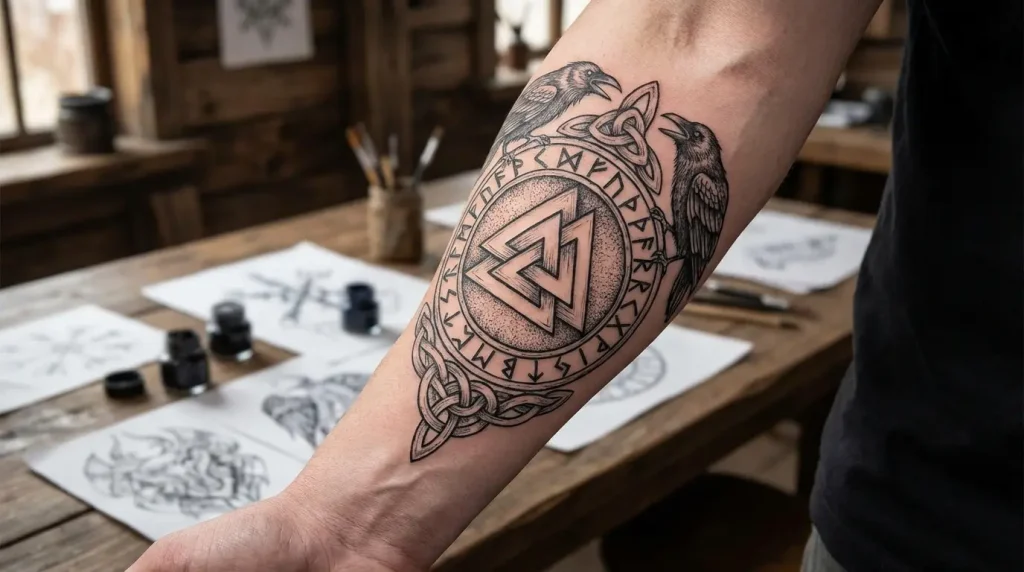
Table of Contents
-
Symbols Rooted in Ancient Cosmology
-
Yggdrasil with Runes Woven Through the Roots
-
The Nine Realms as Interconnected Circles
-
Norns Weaving Fate Threads
-
Bifrost Bridge in Minimalist Line Work
-
Urnes Style Serpent Intertwining
-
-
Warrior Culture Beyond the Battlefield
-
Shield Maiden in Repose, Not Combat
-
Drinking Horn with Ancestral Patterns
-
Viking Ship from the Water’s Perspective
-
Berserker Transformation Mid-Shift
-
Thing Assembly Symbol
-
Seidr Magic Practitioner’s Tools
-
-
Daily Life and Craftsmanship Motifs
-
Blacksmith’s Forge with Mjölnir Being Forged
-
Loom Weights and Weaving Patterns
-
Runestone Carver at Work
-
Viking Age Trade Routes as Dotwork Map
-
Longhouse Architectural Cross-Section
-
TL;DR
Quick version: Most Viking tattoos are boring. You don’t need another Vegvisir. This guide covers 16 ideas you won’t see on everyone else’s arm, from cosmology stuff that actually meant something to Vikings, to the craftspeople who kept society running. Less “fierce warrior,” more “actual culture.” You’ll find designs here that spark real conversations instead of just looking cool.
Symbols Rooted in Ancient Cosmology
Let’s talk about the stuff Vikings actually cared about. Not just axes and ships (though those are here too), but the cosmology that shaped how they understood reality. The daily work that kept communities alive. The magic practices that don’t make it into Marvel movies.
Norse mythology was inherently spatial and interconnected. Everything related to everything else through branches, threads, bridges, and realms. That interconnectedness translates beautifully into visual art, which is why these designs work so well as tattoos.
The runic script that often accompanies these cosmological designs goes way back. We’re talking 2nd century AD. But here’s what most people don’t know: the runes you see in “Viking tattoos” are usually Elder Futhark, which is actually from before the Viking Age (793 to 1066 AD). Most people don’t care about that distinction. But if you’re going for historical accuracy, it matters.
When you’re getting norse tattoos rooted in cosmology, you’re tapping into concepts that defined how an entire civilization made sense of their world. These designs offer a window into belief systems that still resonate with people searching for meaning today.
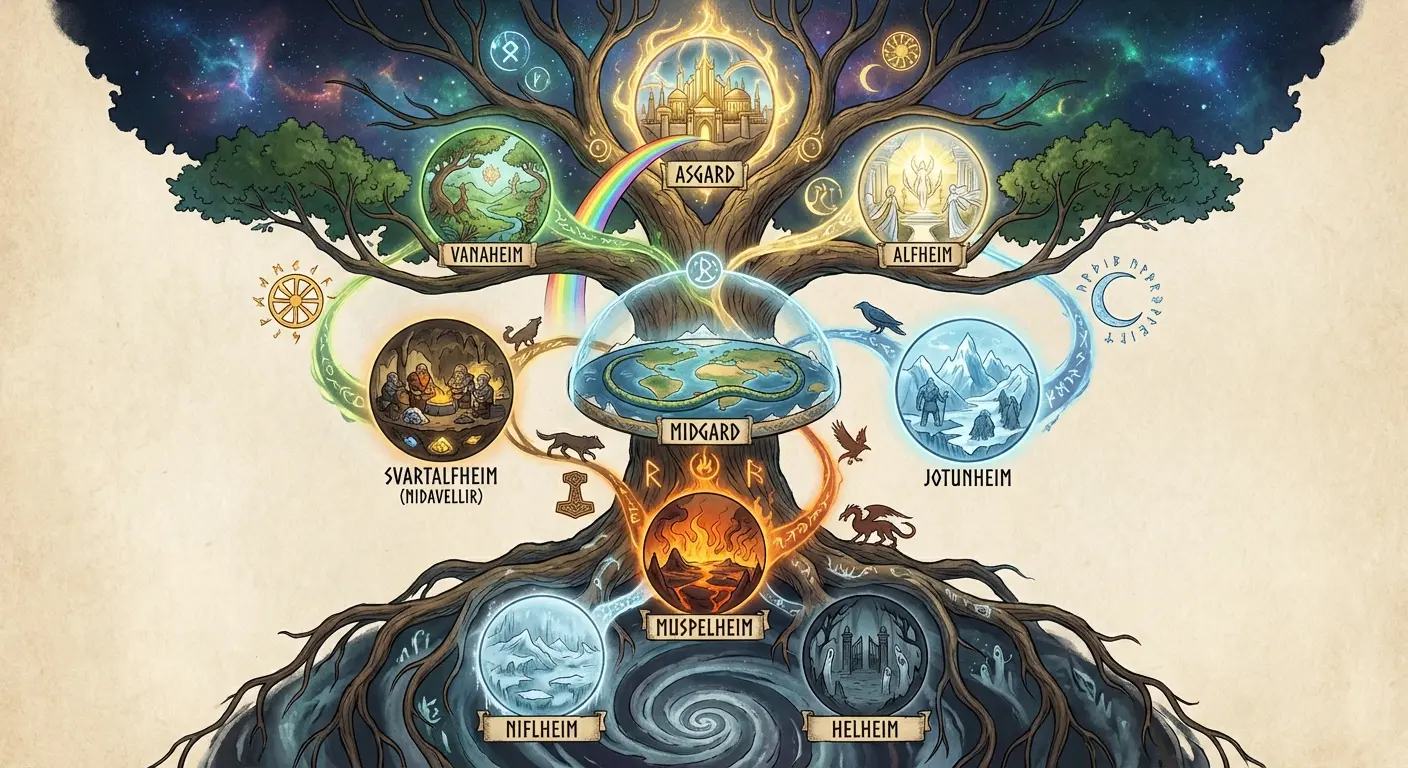
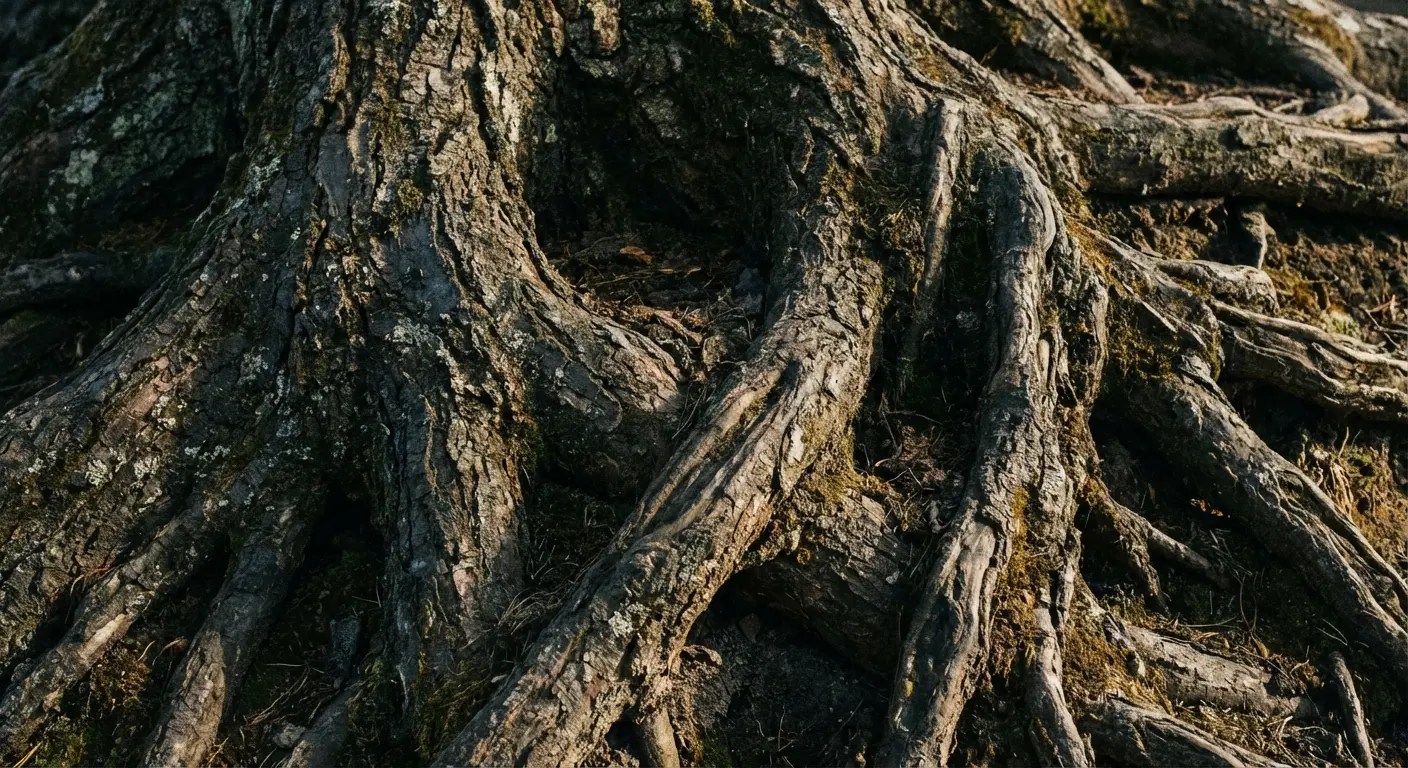
1. Yggdrasil with Runes Woven Through the Roots
Everyone knows the World Tree, but honestly? Most Yggdrasil tattoos are boring. Just a tree. That’s it.
Here’s a better approach: incorporate the Elder Futhark runes directly into the root system, as if they’re growing from the earth itself. This acknowledges that runes weren’t just an alphabet but a magical system tied to cosmic forces. Your tattoo artist can hide specific runes that hold personal meaning within the intricate root structure. For more context on the World Tree’s significance, explore our guide on Yggdrasil tattoo designs which covers various interpretations of this powerful symbol.
The technical challenge? Maintaining readability while creating organic flow. Roots don’t grow in straight lines.
Consider placement on your back or thigh where the vertical composition has room to breathe. The branches can extend upward toward your shoulder or hip, creating natural movement across your body. I’ve seen pieces where the roots wrap around to the side ribs, and the effect is stunning when done right.
2. The Nine Realms as Interconnected Circles
Geometric interpretations of Norse cosmology create stunning modern viking tattoo ideas. Picture nine circles of varying sizes, overlapping and connected by fine lines that represent the cosmic structure.
Each circle can contain subtle imagery or patterns specific to its realm. Muspelheim with flame motifs, Niflheim with ice crystals, Midgard with human settlements. This works well as a chest piece or upper arm design.
You can go large and detailed or keep it minimal with simple circles and connecting lines. Some tattoo artists are incorporating dotwork shading within each realm to create depth without heavy black saturation.
Here are a few realms and what they could look like in your design:
|
Realm |
Meaning |
Visual Motif Suggestions |
|---|---|---|
|
Asgard |
Home of the Aesir gods |
Golden gates, divine architecture |
|
Midgard |
Human world |
Settlements, farmland patterns |
|
Jotunheim |
Land of giants |
Rocky mountains, harsh terrain |
|
Niflheim |
World of ice and mist |
Ice crystals, fog patterns |
|
Muspelheim |
Realm of fire |
Flame motifs, volcanic imagery |
Each realm carries its own symbolic weight. Emphasize the ones that resonate most with your personal journey. The interconnected nature reminds us that all aspects of existence influence each other. Nothing exists in isolation.
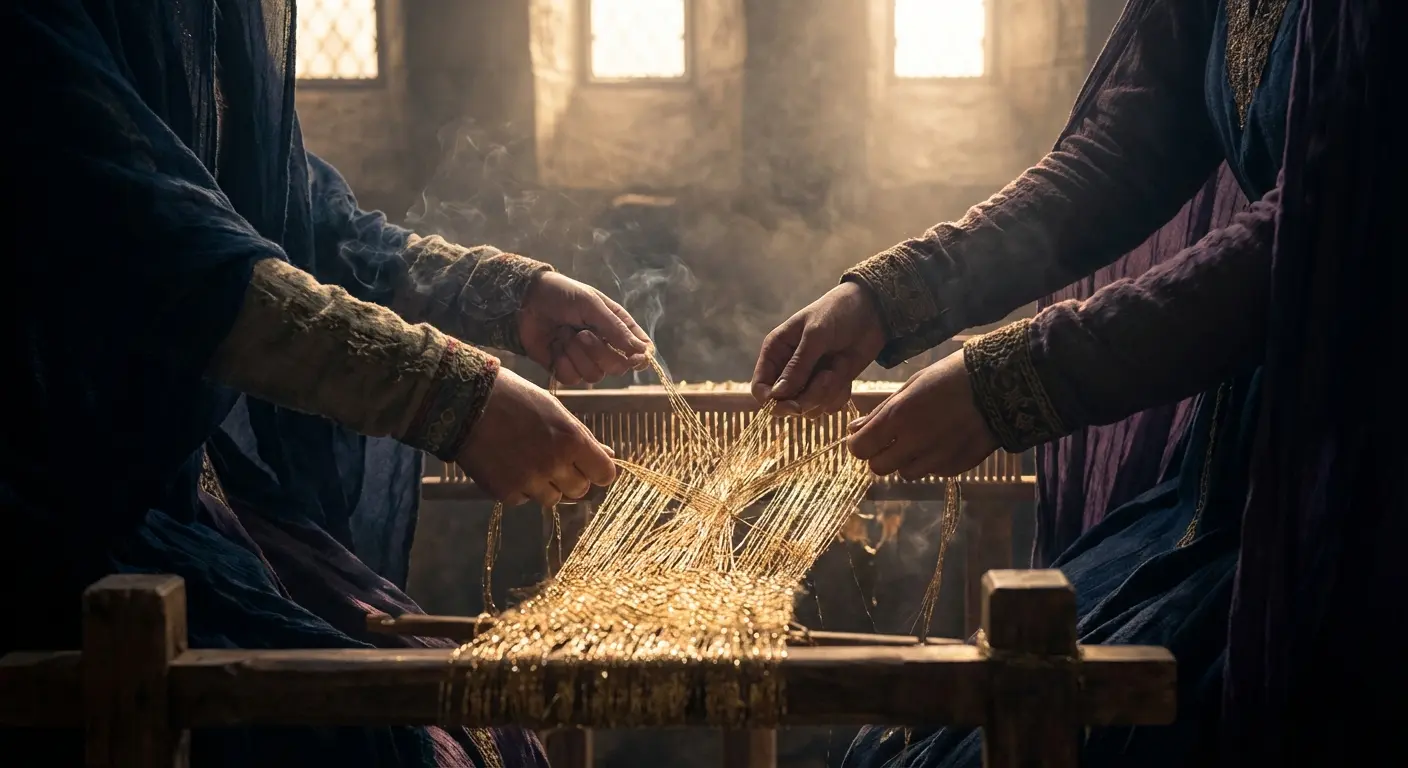
3. Norns Weaving Fate Threads
The three Norns (Urd, Verdandi, and Skuld) controlled destiny by weaving the threads of fate at Yggdrasil’s base. We rarely see them represented in tattoo form, which is baffling given how visually compelling the concept is.
Here’s what most people get wrong: the Norns weren’t goddesses. They were more like fundamental forces. Urd represents “that which has become,” Verdandi is “that which is becoming,” and Skuld is “that which should become.” It’s a whole philosophy about time being interconnected, not linear. That’s why the threads in your tattoo should loop back on themselves, not just run forward.
Picture three feminine figures, their hands intertwined with threads that extend outward in multiple directions. You can personalize this by having the threads form specific patterns or symbols meaningful to your life journey.
Placement works well on the forearm where the threads can wrap around your arm, or as a larger back piece where the full scene unfolds. Your artist can use fine line techniques for the threads to create delicate detail work. The contrast between the solid figures and the delicate threads creates visual interest that draws the eye.
4. Bifrost Bridge in Minimalist Line Work
The rainbow bridge connecting Midgard to Asgard doesn’t need to be literal or colorful to be powerful. Contemporary minimalist approaches using single-line techniques can capture the bridge’s essence while keeping the design clean.
Think of a continuous line that curves and flows, perhaps incorporating small runic markers at key points. This style appeals to people who want nordic tattoos that feel modern rather than trying to replicate historical art styles directly.
The bridge concept also works beautifully as a connecting element between other tattoos. Got ink on your shoulder and your chest? Bifrost can literally bridge them. I keep thinking someone should experiment with white ink highlights on the line to suggest the bridge’s luminous quality without resorting to full rainbow colors (which can be tricky to age well in tattoos).
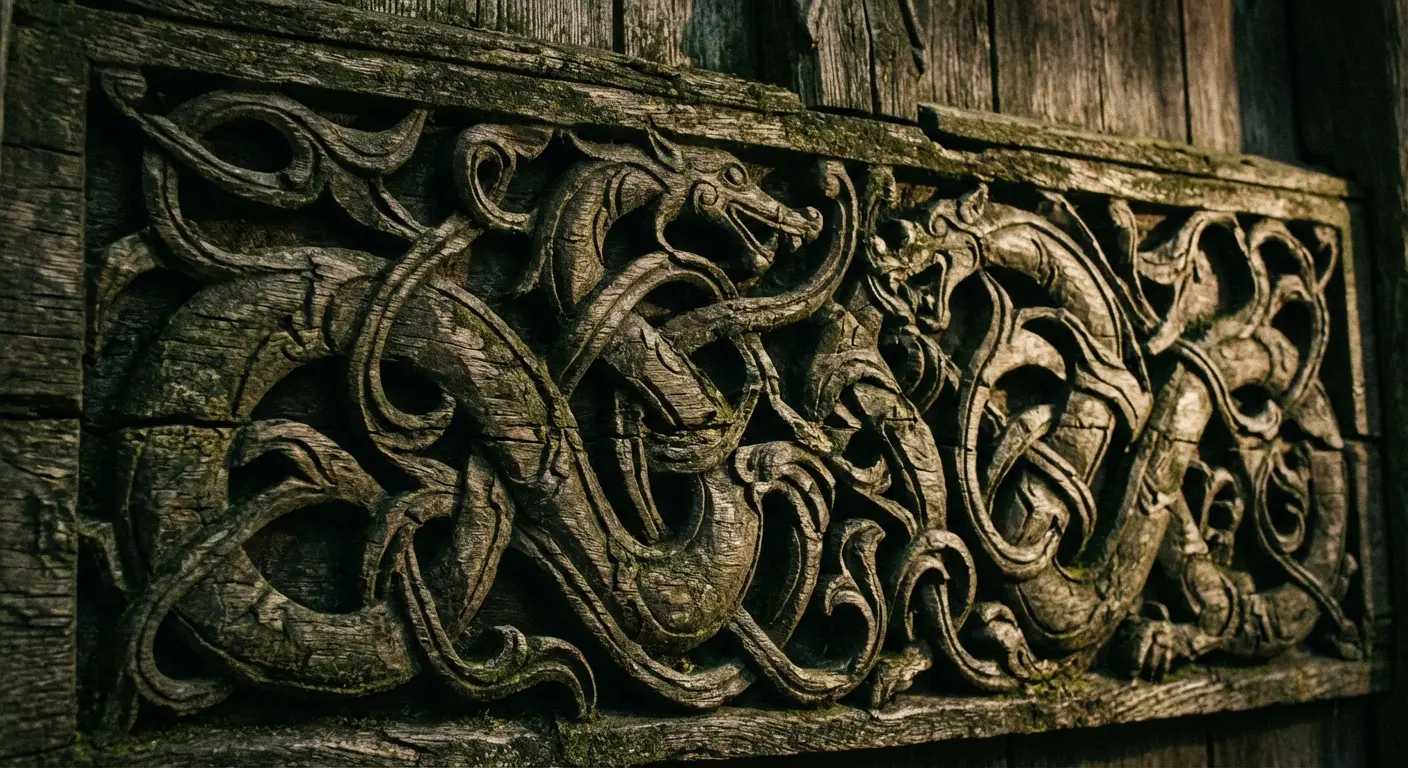
5. Urnes Style Serpent Intertwining
The Urnes style (named after a Norwegian stave church) represents the final evolution of Viking Age art before Christianity took over. It’s characterized by thin, elegant animals (usually serpents or deer) with elongated bodies that intertwine in complex patterns.
This isn’t the chunky, aggressive style most people associate with Viking imagery. It’s way more delicate than you’d expect from Vikings. Catches people off guard. This refined approach shares similarities with other fine line tattoo techniques that emphasize delicate detail and elegant composition.
The serpents can wrap around your arm, leg, or torso in ways that complement your body’s natural contours. What I love about this: people who know Norse art will recognize it immediately, but it doesn’t scream “VIKING” at everyone else. You’re getting cultural specificity without the costume party vibe.
Finding a tattoo artist familiar with this specific art period is crucial because the line weight and flow require understanding the historical aesthetic. Yeah, I know, I’m that person who actually cares about the difference between Urnes and Ringerike style. Fun at parties.
Warrior Culture Beyond the Battlefield
Viking warrior culture extended far beyond the raid and battle scenes that dominate popular imagination. Let’s explore the fuller picture: the social structures, spiritual practices, and moments of humanity that existed alongside (and often mattered more than) combat prowess.
These viking tattoo ideas challenge the one-dimensional berserker stereotype while still honoring the martial tradition. You’ll find designs here that acknowledge strength and courage without defaulting to the same weapons and helmets everyone else is getting.
Because here’s the thing: Norse warriors were complete human beings with rich inner lives, not just fighting machines. Their culture valued poetry, craftsmanship, and community bonds as much as battlefield prowess. The norse tattoos in this section tell those untold stories.
6. Shield Maiden in Repose, Not Combat
Why does every shield maiden have to be mid-battle? Where are the designs showing her in moments of rest, contemplation, or preparation?
A shield maiden sitting with her weapons laid beside her, perhaps braiding her hair or sharpening a blade, tells a more complete story. It acknowledges that warriors are human beings with quiet moments. This approach creates more interesting composition options too. You’re working with relaxed body language and softer lines while still incorporating the martial elements (shield designs, weapons, armor details) that signal her identity.
The concept of depicting warriors in contemplative moments also appears in our exploration of Valkyrie tattoo designs which offer alternative perspectives on Norse warrior women.
Consider this for shoulder blade placement where the figure can occupy the natural flat space, or as a thigh piece where the vertical orientation works well. Finding an artist who can capture feminine strength without falling into either the “sexy warrior” or “masculine woman” trap requires nuance. Ask to see their portfolio first.
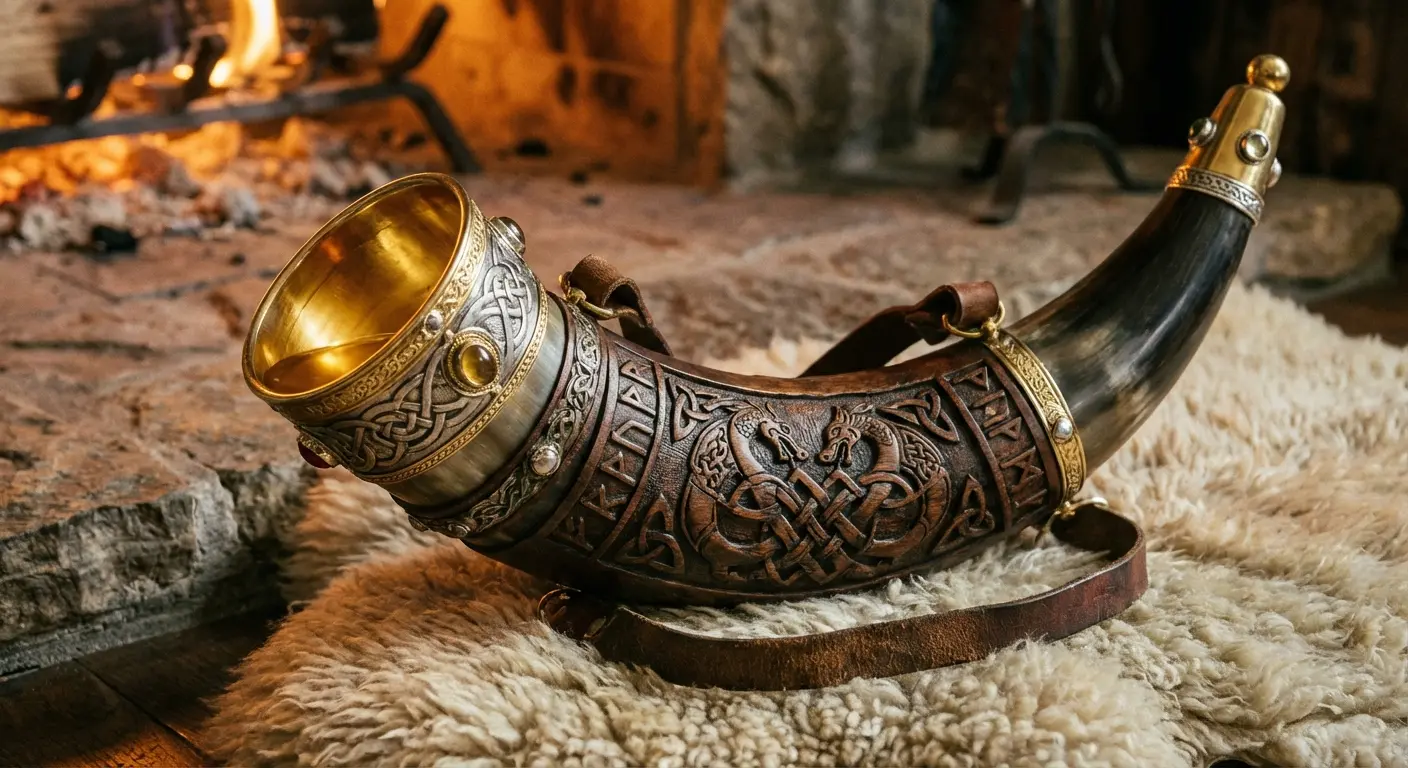
7. Drinking Horn with Ancestral Patterns
Drinking horns weren’t just functional objects but ceremonial items tied to social bonds and ritual. A detailed horn with intricate knotwork patterns, perhaps with mead appearing to pour from it, celebrates the communal aspects of Norse culture.
You can incorporate specific symbols into the horn’s decorative bands that represent your own heritage or values. This works beautifully as a forearm piece where the horn’s natural curve follows your arm’s shape.
Some people are adding small runic inscriptions around the rim with phrases about kinship or celebration. The technical detail in rendering the horn’s texture and the liquid’s movement separates amateur work from professional execution. Your artist needs to understand how light hits curved surfaces and how to create the illusion of transparency in the mead.
The horn represents gathering, celebration, and the bonds that held Norse society together. Themes that resonate across centuries.
8. Viking Ship from the Water’s Perspective
We always see longships from the side or above. What about from below the waterline, looking up at the hull cutting through waves?
This perspective shift creates dramatic visual impact and symbolizes the journey’s deeper meaning. What lies beneath the surface, the unseen support structure, the vessel carrying you forward. The composition can show the ship’s bottom with water flowing around it, perhaps with sea creatures or runic symbols in the surrounding water.
The longship remains one of the most iconic symbols of Viking heritage today. According to Life in Norway, Viking tattoos and Norse-inspired ink are experiencing a surge in popularity right now, with people taking to Instagram and Pinterest to showcase their designs. The mystique surrounding Viking culture and what we know about how they lived still remains relevant today, with many people of Norwegian heritage choosing tattoos to show their pride in their ancestry.
This works as a chest piece, back piece, or even wrapping around a limb. The underwater perspective also allows for interesting play with light rays penetrating the water’s surface, creating natural opportunities for shading and depth.
You’re getting a recognizable Norse symbol (the longship) but presenting it in a way that makes people look twice.
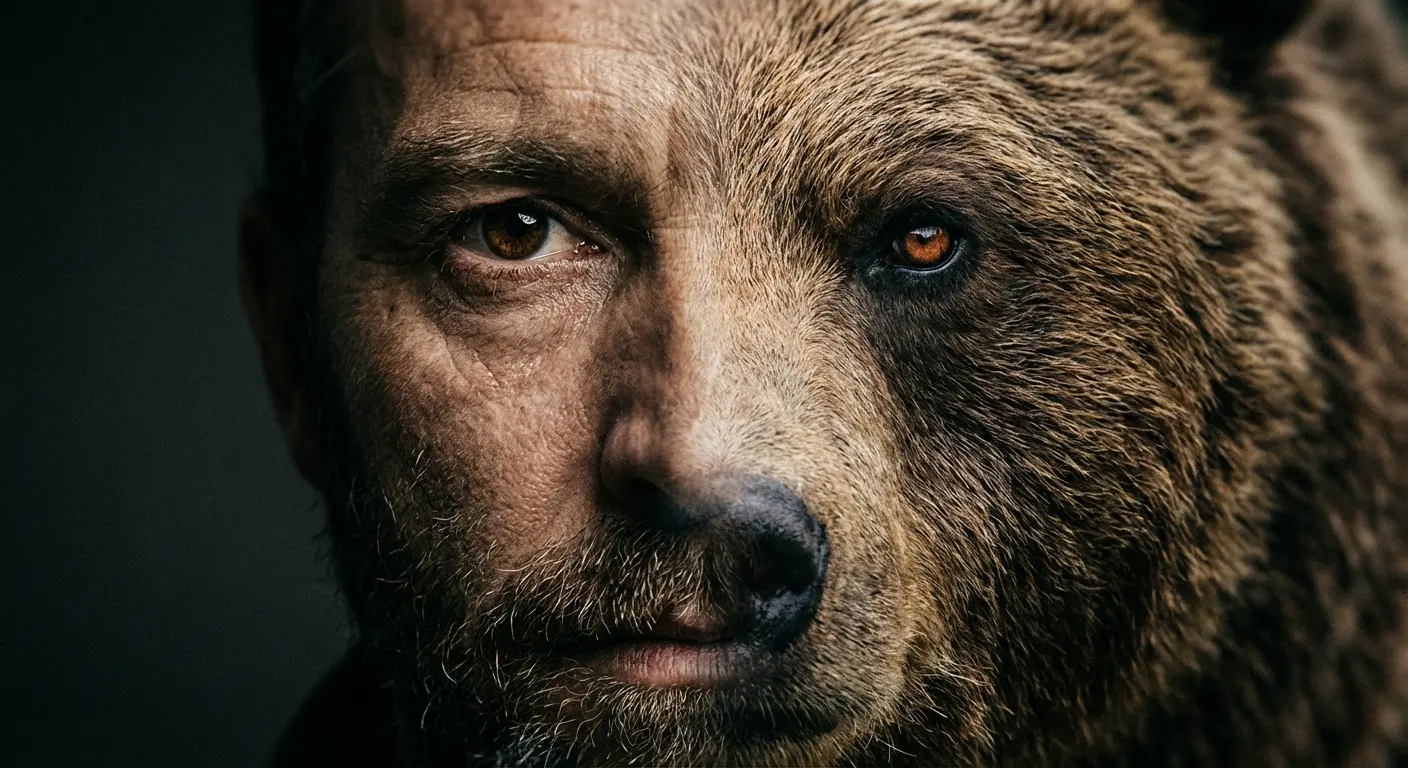
9. Berserker Transformation Mid-Shift
Berserkers entered trance states where they supposedly took on animal characteristics (usually bears or wolves). Instead of showing a warrior in full animal mode or full human mode, capture the transformation itself.
Half the face human, half shifting into bear features, with runic symbols or patterns marking the transition zones. This gets at the spiritual and psychological aspects of berserker rage rather than just the violence. It’s about altered states of consciousness and the thin line between human and animal nature.
The design requires an artist skilled in realism who can blend human and animal anatomy convincingly. Placement on the chest or upper arm allows enough space for the facial details to read clearly.
You can incorporate traditional Norse patterns into the “transformation energy” around the figure, connecting the personal metamorphosis to broader cultural symbolism. These pieces explore the liminal spaces in human experience. The moments of transition and change that define us.
10. Thing Assembly Symbol
The Thing was the Norse assembly where free men gathered to settle disputes, make laws, and conduct community business. It represents democratic principles and social order that existed alongside (and often superseded
) the warrior hierarchy.
A stylized design showing a circle of seated figures, perhaps with a speaking stone or staff in the center, honors this overlooked aspect of Norse culture. You could incorporate your family name or personal values in runic script around the circle’s perimeter.
This appeals particularly to people in legal professions, mediators, or anyone who values community decision-making. The circular composition works well as a shoulder cap design or upper back placement.
It’s also one of those designs that invites questions, giving you the chance to educate people about Viking Age culture beyond the raids and battles. The Thing represents the civilized, organized side of Norse society that rarely gets acknowledged in popular culture.
Side note: the Thing assembly is where we get the word “thing” in English, which is wild when you think about it.
11. Seidr Magic Practitioner’s Tools
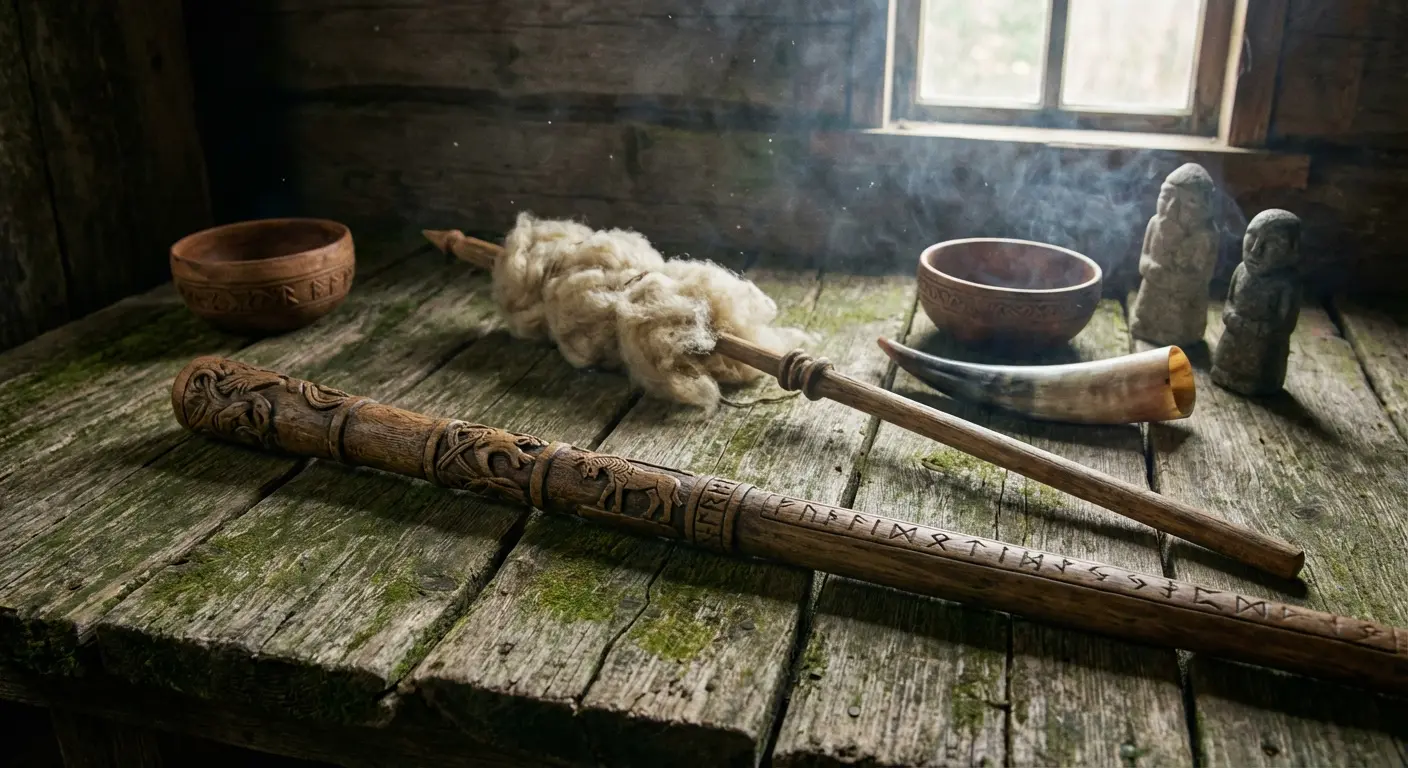
Seidr was the Norse magical practice associated with fate manipulation and prophecy. Often practiced by women, though some men did it too. The tools included staffs, distaffs, and various ritual objects.
A composition showing these implements arranged with runic symbols creates a design that honors the spiritual and magical dimensions of Norse culture. Perfect for people drawn to Norse paganism or who identify with the practitioner archetype rather than the warrior.
Runes played a significant role in Viking spiritual practices, serving as tools for religious and magical purposes. Runes were not only used as written characters but also carried symbolic meanings representing strength, protection, and wisdom. During the Viking Age, it was believed that runes offered protection, cured illnesses, and could influence fate. A practice known as Galdr, where runes were incorporated into chants and incantations to activate their magical power.
The staff can run vertically along your spine, forearm, or leg, with the smaller tools and symbols arranged around it. Some artists are incorporating subtle geometric patterns that suggest the weaving of fate (connecting back to the Norns).
This requires research to get the historical details right because seidr tools aren’t as widely depicted as weapons, but that obscurity is part of the appeal. The mystical practitioner deserves representation just as much as the shield-bearing warrior.
Daily Life and Craftsmanship Motifs
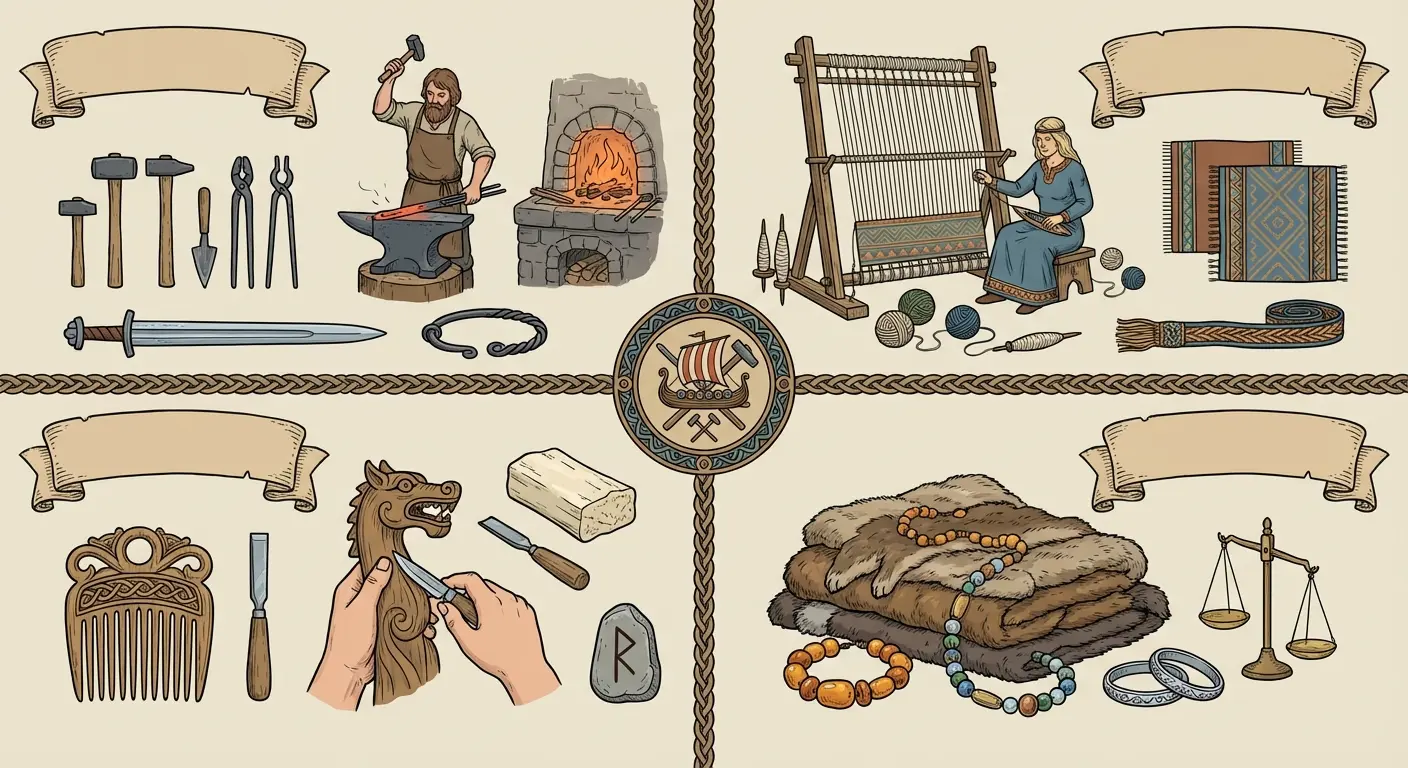
Viking Age society ran on skilled craftsmanship, trade networks, and daily labor that never makes it into the popular narrative . These designs celebrate the hands that built ships, forged tools, wove cloth, and carved runes.
They’re for people who identify with the maker mentality and want nordic tattoos that reflect creation rather than destruction. The craftsmanship category also offers rich visual detail because these activities involved specific tools, techniques, and patterns that translate beautifully into tattoo art.
You’re honoring the foundation that made Norse culture possible in the first place. Without the blacksmiths, weavers, traders, and builders, there would have been no longships to sail, no weapons to wield, no trade goods to exchange.
12. Blacksmith’s Forge with Mjölnir Being Forged
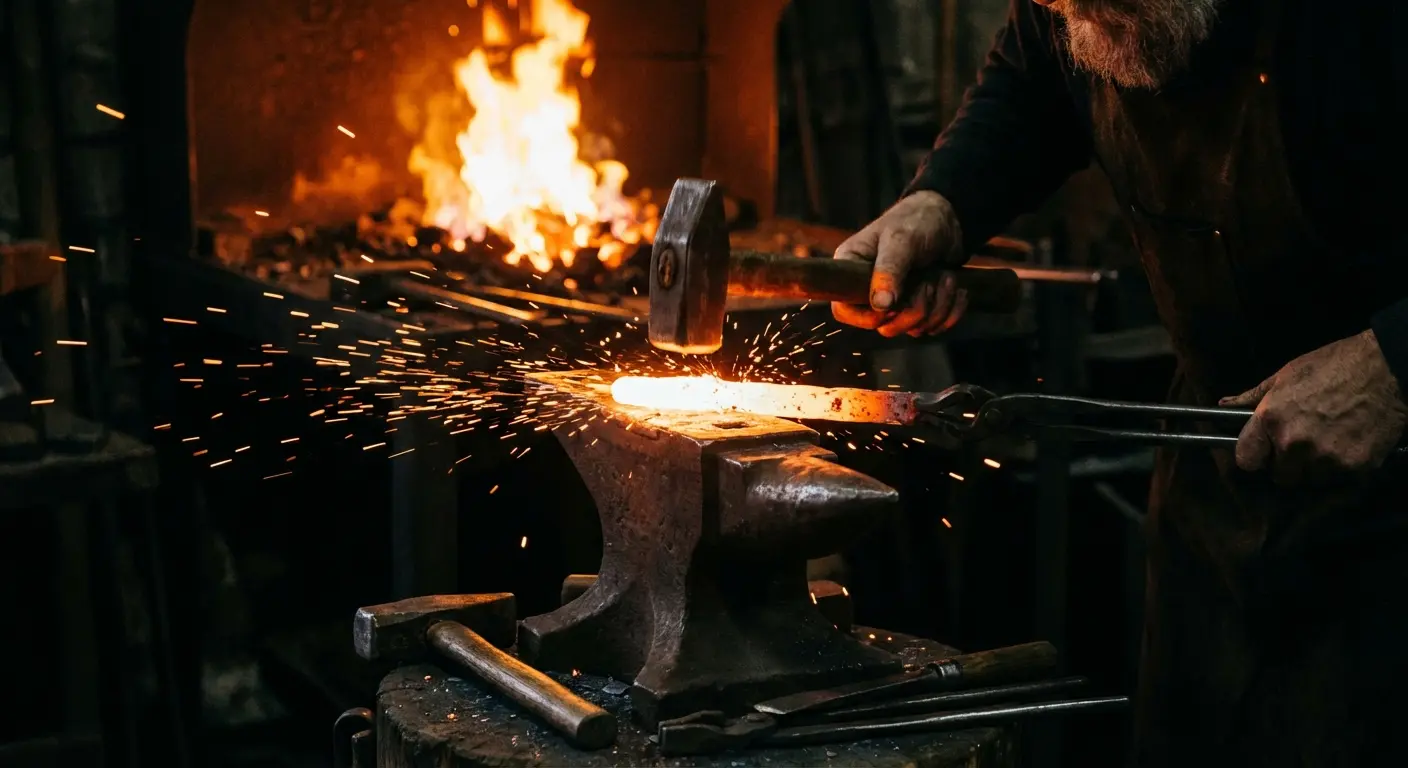
Everyone wants Mjölnir (Thor’s hammer) as a tattoo, but showing it being created in the forge adds layers of meaning. You’re depicting the moment of creation, the skill of the dwarven smiths, and the transformative power of fire and metal.
The composition can show the hammer taking shape on an anvil with flames surrounding it, tools arranged nearby, and perhaps runic symbols for fire or creation. Perfect for people in trades, craftspeople, or anyone who builds things with their hands.
The forge fire provides natural opportunities for color if you want it (oranges and reds), or it can be done entirely in black and grey with careful shading to suggest heat and light.
Placement on the upper arm or calf gives enough space for the detailed tool work and flame effects. You’re taking a common symbol (Mjölnir) and presenting it through the lens of craftsmanship rather than just divine power. The creation process matters as much as the finished product.
13. Loom Weights and Weaving Patterns
Textile production was crucial to Norse economy and survival, yet it’s almost never represented in tattoo form. Loom weights (the clay or stone weights that held vertical threads taut) can be arranged in a pattern with threads connecting them, perhaps forming a specific weaving design that held cultural meaning.
This honors the predominantly female labor that kept households functioning and created trade goods. The geometric nature of weaving patterns creates clean, visually satisfying designs that work in various sizes and placements.
Consider this for inner forearm, side ribs, or as an ankle/lower leg piece. You can incorporate specific colors into the threads if you want to represent something personal, or keep it monochromatic for a more traditional look.
I’ve seen artists combining weaving patterns with runic inscriptions, since both involve linear elements and pattern work. These designs recognize that survival depended on cloth as much as swords. Warmth, trade value, and social status all came from the loom.
14. Runestone Carver at Work
Runestones were the Viking Age’s permanent records, carved by skilled craftspeople who combined artistic ability with literacy. A design showing hands carving runes into stone, with tools and stone chips visible, celebrates both the written word and the physical craft of preservation.
You could include a specific runic inscription that matters to you being carved into the stone. The symbolic power of runes extends across many design approaches, as explored in our comprehensive guide to tattoo ideas with meaning that carry personal significance.
This works as a forearm piece where the hands and tools can be rendered in detail, or as a larger back or thigh piece that shows more of the scene. There’s something meta about it too: you’re permanently marking your body with an image of someone permanently marking stone.
Here are a few runes and what they could represent in your design:
|
Rune |
Name |
Primary Meaning |
Tattoo Application |
|---|---|---|---|
|
ᚠ |
Fehu |
Wealth, prosperity |
Financial success, abundance mindset |
|
ᚢ |
Uruz |
Strength, health, vitality |
Physical power, endurance |
|
ᚦ |
Thurisaz |
Protection, conflict |
Defense, warrior spirit |
|
ᚨ |
Ansuz |
Communication, wisdom |
Knowledge, divine inspiration |
|
ᚱ |
Raidho |
Travel, journey, change |
Life path, personal growth |
Okay, this table is getting long, but you get the idea. Pick the runes that resonate with your story.
15. Viking Age Trade Routes as Dotwork Map
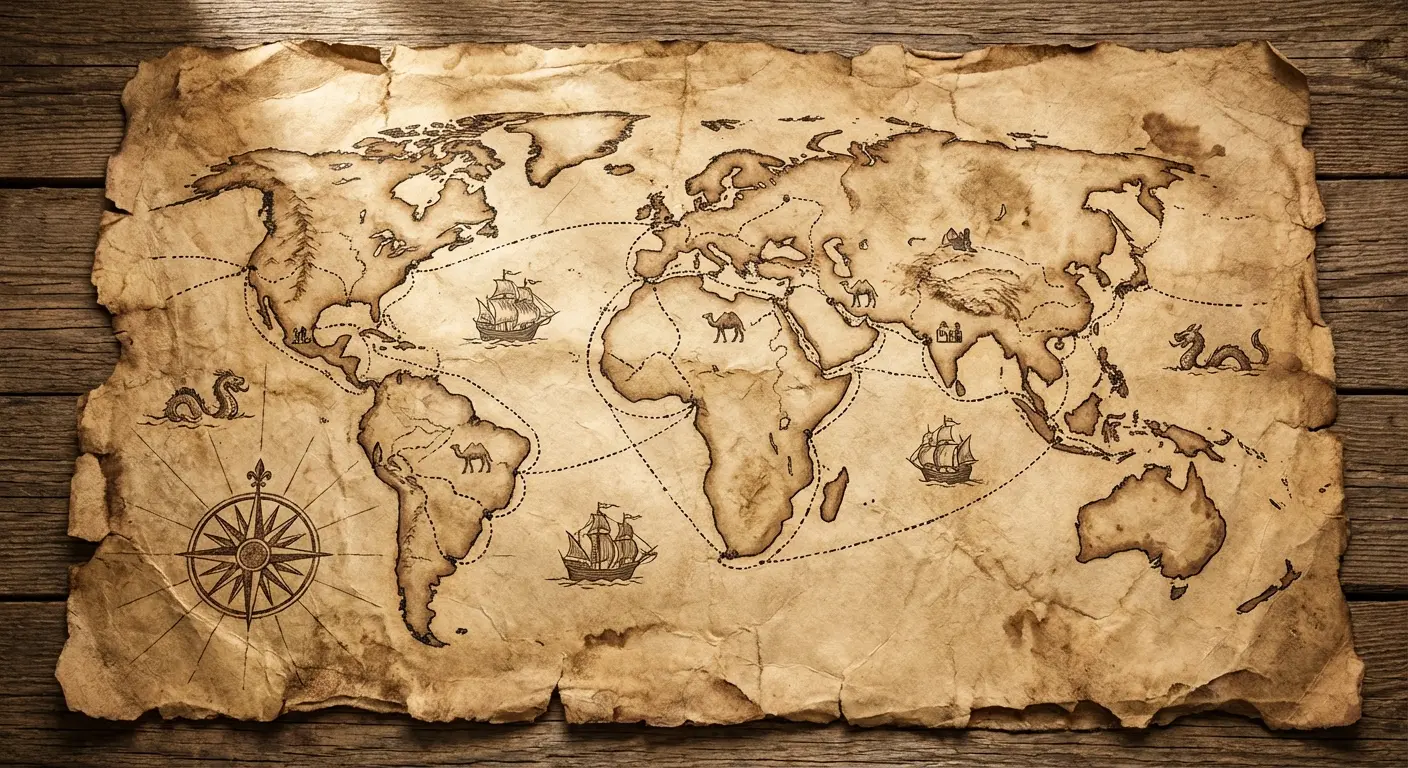
Norse traders traveled from North America to Central Asia, creating one of history’s most extensive trade networks. A stylized map using dotwork technique to show these routes, with key trading centers marked by small symbols, tells the story of connection and exchange rather than conquest.
You can mark places that hold personal significance for you along the routes, or include coordinates in runic numerals. This appeals to travelers, people with Scandinavian heritage spread across multiple countries, or anyone who values the exchange of ideas and goods.
The dotwork technique creates a subtle, almost ancient-looking effect that suits the historical subject matter. Placement depends on how much detail you want: a full back can accommodate an extensive map, while an upper arm or thigh can show a simplified version focusing on specific routes.
This is among the most intellectually sophisticated designs because it requires actual historical knowledge to execute meaningfully. Trade routes represent peaceful interaction, cultural exchange, and the economic prowess that made Norse expansion possible.
16. Longhouse Architectural Cross-Section
The longhouse was the center of Norse domestic life, where families lived, worked, and gathered. A cross-section view showing the interior structure (central hearth, sleeping benches, storage areas, roof supports) creates an unusual architectural design that celebrates home and community.
You can include small details like hanging tools, stored goods, or the smoke hole in the roof. This works well for people who value home, family, and the domestic sphere.
The linear, architectural nature of the design creates interesting composition possibilities, especially as a forearm or shin piece where the vertical orientation mirrors the building’s structure.
I’ve seen artists incorporating subtle family symbols or initials into the longhouse details, making it both historically Norse and personally meaningful. The challenge is maintaining enough detail to read as a building without becoming cluttered, which requires an artist comfortable with fine line work and architectural precision.
Bringing Your Vision to Life
You’ve got sixteen directions to explore, each one stepping away from the overdone symbols that flood Instagram feeds. The real challenge isn’t choosing a concept (though that’s hard enough). It’s translating these historically rich, culturally specific ideas into designs that work on your actual body.
Norse art wasn’t created with modern tattooing in mind, which means you need reference images that show the details clearly. Trying to describe “Urnes style serpent intertwining” to your artist without visual examples is setting everyone up for frustration.
When planning your design, consider exploring our comprehensive Nordic tattoo guide for additional inspiration and historical context that can inform your viking tattoo ideas.
Real talk: I’ve watched too many consultations go sideways because someone tried to describe “you know, that swirly Viking thing” to their artist. Having actual reference images (not just Pinterest screenshots) changes everything. That’s why I’ve been using Tattoo Generator IQ to generate variations before I even book the appointment. You can adjust details, try different styles, and show up with something your artist can actually work from.
Your artist gets a precise visual starting point, and you avoid the “that’s not quite what I meant” conversation three sessions in. Clear communication from the beginning saves time, money, and potential disappointment.
Final Thoughts
Look, get whatever tattoo you want. But maybe (just maybe) consider that Vikings were more than angry dudes with axes. They were shipbuilders, poets, traders, magic practitioners, and people who thought deeply about fate and the cosmos.
The cosmological designs connect you to big questions about fate and existence. The expanded warrior culture motifs honor strength without reducing it to violence. The daily life and craftsmanship category celebrates the hands and minds that built a civilization.
Whichever direction calls to you, do the research. Look at actual artifacts, not just other people’s tattoos. Find an artist who’s willing to study the historical context with you (or who already knows it).
These designs work best when they’re rooted in genuine understanding rather than aesthetic approximation. You’re marking your body permanently with symbols from a culture that took permanence seriously. Runestones, sagas, carefully preserved craft traditions.
That deserves more than a flash design pulled from a Pinterest board.
Your ink should tell a story that goes deeper than surface aesthetics, connecting you to Norse culture in ways that feel personally meaningful and historically grounded. Whether you choose cosmological symbols, warrior imagery, or craftsmanship motifs, these viking tattoo ideas offer pathways to ink that honors the depth and complexity of Norse heritage.
Quick note: Norse symbols have been co-opted by some truly awful groups. That sucks, but it’s reality. If you’re getting Norse ink, be aware of what certain symbols have come to represent in certain contexts. Research before you commit. Talk to your artist about it. Don’t be the person who accidentally gets a white supremacist dogwhistle tattooed on their arm.
