Semicolon Tattoo Meaning: The Hidden Psychology Behind This Powerful Symbol That Goes Way Beyond Mental Health
Source: tattoostylist.com
I’ve watched the semicolon tattoo movement evolve from a simple mental health symbol into something far more complex and meaningful. What started with Project Semicolon in 2013 has transformed into a sophisticated representation of resilience, intellectual depth, and community connection that spans multiple subcultures and professional environments.
The numbers tell a compelling story. Back in 2012, over 43 million Americans were dealing with mental illness, highlighting just how widespread the need was for community support and stigma reduction that semicolon tattoos help facilitate. But here’s what most people don’t realize – these tattoos have grown way beyond their original suicide prevention roots.
Table of Contents
- The Cultural Evolution of Semicolon Symbolism
- The Psychology of Permanent Commitment to Healing
- Strategic Design Considerations for Meaningful Impact
- The Semicolon’s Hidden Linguistic Power
- The Underground Semicolon Subcultures
- Advanced Customization Strategies
- Final Thoughts
TL;DR
Semicolon tattoos have evolved from simple suicide prevention symbols into complex representations of resilience, intellectual sophistication, and community connection across multiple subcultures. The permanent nature of these tattoos creates powerful psychological anchoring effects that support long-term recovery and identity transformation beyond their original mental health focus.
Modern semicolon tattoo design incorporates advanced artistic techniques, cultural fusion elements, and interactive features that maintain symbolic recognition while achieving sophisticated aesthetic appeal. Professional communities including academics, healthcare workers, and corporate executives have adopted semicolon symbolism as discrete markers of workplace resilience and peer support networks.
Strategic placement, artistic integration, and long-term planning considerations can maximize both personal meaning and professional appropriateness of semicolon tattoos.
The Cultural Evolution of Semicolon Symbolism
Semicolon tattoos have transformed from basic punctuation marks into powerful cultural symbols representing human resilience and narrative continuation. This evolution demonstrates how grammatical functions can translate into life philosophy, creating meaningful connections between language structure and personal storytelling.
Source: theparisreview.org
The semicolon tattoo represents far more than its original suicide prevention focus, encompassing broader themes of overcoming adversity and community building. The semicolon’s grammatical function of connecting independent clauses directly mirrors how people connect different life chapters despite difficult transitions.
Modern tattoo culture has embraced punctuation symbols as sophisticated forms of self-expression that tap into centuries of literary tradition. Community recognition networks have formed around semicolon tattoos, creating invisible support systems that extend beyond mental health advocacy.
The Linguistic Foundation of Continuation
The grammatical precision of semicolons creates a perfect foundation for life philosophy because they join complete thoughts that could stand alone but become stronger together. This linguistic function naturally translates to human resilience, where life could have ended at difficult points but continues with renewed purpose and connection.
Semicolons demonstrate mastery over complex, interconnected thoughts rather than simple survival responses. The punctuation mark’s sophisticated usage requirements add intellectual dignity to semicolon tattoo choices. Literary heritage from classical rhetoric to modern prose informs contemporary tattoo symbolism and personal meaning-making.
The Grammar-to-Life Philosophy Translation
When someone chooses punctuation as permanent body art, they’re making a statement about language’s power to shape reality. The semicolon tattoo represents a conscious choice to continue one’s narrative, positioning the wearer as both author and protagonist of their ongoing story.
Grammatical symbols as body art reflect modern approaches to self-expression through linguistic precision. The wearer becomes both storyteller and subject of their own continuing narrative.
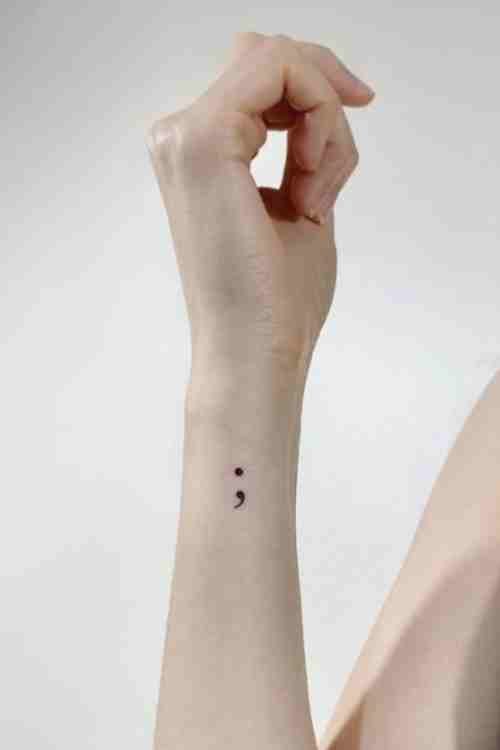
Sarah, a psychology major from Missouri, chose a semicolon tattoo on her left wrist at age 17 during one of her darkest periods with anxiety and depression. She positioned it where she could see it throughout the day as a reminder that she could keep moving forward. “I got this tattoo in one of my darkest times, and truly the tattoo saved my life because every time I caught a glimpse I knew I couldn’t give up,” she shares.
Punctuation as Personal Philosophy
Semicolon tattoo choosers value precision, connection, and continuation over dramatic gestures or definitive statements. The symbol communicates intellectual engagement with healing rather than purely emotional responses.
Semicolon tattoos demonstrate how punctuation choices reveal personality types and intellectual engagement with recovery processes. Unlike dramatic punctuation marks, semicolons suggest thoughtful decision-making and sophisticated self-awareness about life’s complexity.
Literary Heritage and Modern Application
Centuries of literary tradition inform contemporary semicolon tattoo symbolism, allowing bearers to position themselves within a continuum of storytellers who understand that powerful narratives often include moments of near-conclusion followed by unexpected continuation.
Master writers have historically used semicolons to create dramatic tension and intellectual space in their work. Tattoo bearers tap into this rich literary tradition when choosing semicolon symbolism.
The Movement Beyond Mental Health Advocacy
Semicolon tattoos have expanded far beyond suicide prevention to represent recovery from addiction, chronic illness survival, relationship trauma recovery, career setback resilience, and countless other forms of personal adversity. This broadening scope has created universal markers of resilience that function across multiple life challenges.

Source: vmcdn.ca
The symbol now encompasses addiction recovery, chronic illness survival, relationship trauma, and career setbacks. Community recognition networks have formed where bearers create meaningful connections with strangers through shared symbolism. Invisible support systems extend far beyond the original mental health focus through mutual recognition.
Recent discussions about semicolon tattoo removal highlight the complex relationship people have with permanent symbols of past struggles. Some individuals who have “come through the other side” of their crisis periods choose to remove their tattoos because they no longer want to be reminded of that difficult time every time they look at their body, as reported in “Why I Decided To Get My Semicolon Tattoo Removed” – Refinery29.
For those exploring alternative meaningful ink options, consider browsing mental health tattoo ideas that offer similar therapeutic symbolism with different visual approaches.
Expanded Adversity Representation
Modern semicolon tattoos represent a universal approach to marking personal resilience across diverse life challenges. The symbol has become flexible enough to encompass any situation where someone chose continuation over ending, making it relevant to broader human experiences.
Universal resilience markers work across addiction recovery, chronic illness, trauma survival, and career challenges. The symbol’s flexibility allows personal interpretation while maintaining community recognition.
Community Recognition Networks
Semicolon tattoos create subtle identification systems within support communities and recovery networks. Bearers often report meaningful connections with strangers who recognize their tattoos, leading to conversations, support exchanges, and community building that extends across different types of adversity.
Visible tattoos create gentle accountability systems through community recognition. Mutual recognition leads to support exchanges and community building beyond original contexts.
The Semicolon Tattoo Project held an event in 2014 where over 400 people received semicolon tattoos in one day as a fundraiser for their crisis center, demonstrating the massive community appeal and support for the symbol. Source: Upworthy
The Artistic Integration Movement
Contemporary tattoo artists and clients are incorporating semicolons into sophisticated artistic compositions that maintain symbolic meaning while achieving aesthetic excellence. These hybrid designs use symbolic camouflage techniques, personalized narrative expansion, and cultural fusion interpretations to create unique expressions.
Modern integration techniques include butterflies, flowers, birds, and abstract designs where semicolons appear as natural elements. Personalized additions include dates, names, quotes, and cultural motifs that tell specific stories while maintaining universal recognition. Cultural fusion blends semicolon tattoo symbolism with heritage traditions including Celtic knots, mandala patterns, and tribal designs.
| Integration Technique | Description | Recognition Level | Artistic Complexity |
|---|---|---|---|
| Butterfly Center | Semicolon forms butterfly body | High | Medium |
| Flower Stem | Punctuation integrated into stem curve | Medium | High |
| Bird Silhouette | Semicolon creates bird body shape | Medium | High |
| Abstract Geometric | Symbol within geometric patterns | Low | Very High |
| Cultural Mandala | Semicolon as mandala focal point | Medium | Very High |
| Minimalist Script | Simple addition to text/quotes | High | Low |
Symbolic Camouflage Techniques
Master tattoo artists excel at integrating semicolons into larger artistic designs where the punctuation mark becomes a subtle element rather than the focal point. These techniques maintain symbolic recognition while achieving sophisticated aesthetic appeal.
Integration methods include wing patterns, stem curves, body shapes, and abstract elements that feel natural rather than forced. The semicolon tattoo maintains recognition value while contributing to overall artistic composition.
Those interested in delicate artistic integration might explore fine line tattoo ideas that complement the subtle nature of semicolon symbolism.
Personalized Narrative Expansion
Individual customization allows people to add elements that tell their specific recovery stories while maintaining the universal symbol’s community recognition value. These additions create deeply personal meanings within the broader semicolon movement.
Common additions include phoenixes for rebirth, anchors for stability, and coordinates marking significant recovery locations. Personal elements enhance individual meaning without compromising community recognition.
KateLynn from Missouri combined her semicolon tattoo with a butterfly design representing the butterfly project – an anti-self-harm initiative where people draw butterflies on themselves and name them after someone important. If they engage in self-harm, they “kill the butterfly.” Her semicolon forms the center of the butterfly, with a date marking when she quit self-harming.
Cultural Fusion Interpretations
Different cultural backgrounds influence semicolon tattoo design through incorporation of traditional artistic elements from various heritage traditions. This fusion creates symbols that honor both individual journeys and cultural identities within the broader resilience community.
Cultural motifs include Celtic knots for Irish heritage, mandala patterns for Eastern traditions, and tribal designs for indigenous connections. Fusion designs honor both personal recovery journeys and cultural identity within the semicolon community.
The Psychology of Permanent Commitment to Healing
The psychological implications of permanently marking one’s body with survival symbols create powerful effects on ongoing recovery and self-identity formation. Semicolon tattoos function as constant reminders of personal strength, serving as anchoring points for positive identity during challenging periods while transforming relationships with one’s body from trauma sites to celebration canvases.

Source: cdn.shopify.com
Permanent body art provides 24/7 access to strength reminders without requiring external validation or resources. The irreversible nature transforms symbols from temporary affirmations into lifelong promises of continued existence. Visible tattoos create subtle social accountability systems that support ongoing recovery through community recognition.
Identity Anchoring Through Ink
Semicolon tattoos provide permanent, internalized support systems that function independently of external resources or validation. These embodied reminders serve as constant access points to personal strength memories and future possibility during crisis moments or self-doubt periods.
Permanent reminders function as tangible proof of past resilience and future potential during difficult moments. Body narrative transformation shifts relationships from trauma or shame sites to celebration and strength testimonials. The tattooing ritual itself becomes meaningful transformation marking the transition from survival to thriving.
The Embodied Reminder System
Unlike temporary motivational tools, semicolon tattoos provide constant access to strength reminders that don’t depend on external circumstances. During crisis moments or self-doubt periods, the tattoo serves as tangible proof of past survival and future possibility.
24/7 accessibility provides support during moments when external resources aren’t available. Tangible proof of resilience serves as evidence during periods of self-doubt.
Reclaiming Body Narrative
For many people, especially those with self-harm histories, semicolon tattoos represent fundamental shifts in body relationships. Instead of sites of pain or shame, bodies become canvases for hope and testimonials to survival strength.
Body relationship transformation moves from trauma sites to celebration canvases. Controlled pain during tattooing parallels recovery journeys of accepting temporary discomfort for lasting positive change.
The Commitment Psychology
The permanent nature of tattoos amplifies the psychological impact of semicolon symbols and strengthens personal resolve through irreversible commitment. This permanence transforms temporary affirmations into lifelong promises while creating public accountability mechanisms that support ongoing recovery efforts.
The tragic death of Project Semicolon founder Amy Bleuel by suicide in 2017 created complex feelings within the semicolon tattoo community, with some bearers reporting feeling “hideously, nauseatingly exposed” when acquaintances shared news of her death, highlighting the deeply personal nature of these permanent symbols. “Why I Decided To Get My Semicolon Tattoo Removed” – Refinery29
Irreversible nature adds weight to the symbol’s message as a lifelong commitment rather than temporary affirmation. Visible tattoos create gentle accountability through social recognition and community responsibility. The tattooing ritual becomes meaningful transformation marking the shift from survival to thriving.
Permanence as Promise
The irreversible nature of tattoos transforms semicolon tattoo symbols from temporary affirmations into lifelong commitments to continued existence and growth. This permanence creates contracts written in ink that survival and continuation are non-negotiable personal values.
Lifelong promises carry more psychological weight than temporary motivational tools. Non-negotiable value statements become part of permanent identity rather than changeable mindsets.
Public Accountability Mechanisms
Visible semicolon tattoos create subtle social accountability systems where friends, family, and strangers become inadvertent support network members who recognize the symbol’s significance and may offer encouragement or check-ins during difficult periods.
Community recognition creates informal support networks through symbol awareness. Social accountability operates through gentle recognition rather than intrusive intervention.
Ritual Transformation Process
The tattooing experience itself becomes a meaningful ritual marking the transition from survival to thriving. Enduring controlled pain to create something beautiful and meaningful parallels the recovery journey of accepting temporary discomfort to achieve lasting positive change.
Controlled pain during tattooing mirrors recovery processes of temporary discomfort for lasting benefit. Ritual significance transforms the tattooing experience into meaningful transition marking.
Strategic Design Considerations for Meaningful Impact
Planning semicolon tattoos requires balancing personal meaning with practical considerations including placement psychology, professional requirements, and long-term satisfaction. Strategic approaches maximize reminder value while considering visibility comfort levels, artistic enhancement possibilities, and how designs will age over decades of life changes.
Source: tattoostylist.com
Placement decisions affect both personal reminder accessibility and professional/social interactions throughout life. Artistic enhancement techniques can create visually compelling designs without compromising symbolic recognition. Long-term planning considerations include aging effects, career changes, and evolving personal circumstances.
Semicolon Tattoo Planning Checklist:
- ☐ Assess current and potential future professional tattoo policies
- ☐ Determine personal comfort level with stranger recognition and conversations
- ☐ Evaluate reminder accessibility needs during difficult moments
- ☐ Consider long-term placement stability with weight/age changes
- ☐ Plan for artistic integration while maintaining symbolic clarity
- ☐ Research qualified tattoo artists experienced with meaningful symbolism
- ☐ Budget for quality work that will age well over time
- ☐ Prepare for emotional significance of the tattooing ritual
- ☐ Plan aftercare routine for optimal healing
- ☐ Consider how design might evolve with future life chapters
Before committing to placement, review our comprehensive tattoo pain scale guide to understand how different body areas will feel during the tattooing process.
Placement Psychology and Practical Considerations
Tattoo placement significantly impacts both personal meaning and social interaction patterns. Strategic placement balances reminder accessibility during difficult moments against professional requirements and personal comfort levels with public recognition of the symbol’s significance.
Optimal placement requires assessment of professional policies, social comfort levels, and personal reminder needs. Different body areas offer varying levels of discretion, accessibility, and visibility for different life circumstances. Future life changes including career shifts, weight fluctuations, and aging should influence placement decisions.
Visibility Strategy Development
Determining optimal placement requires systematic evaluation of professional environments, personal comfort with stranger recognition, reminder accessibility needs, and potential life changes. This strategic approach ensures long-term satisfaction with placement decisions.
Professional environment assessment includes current and potential future career tattoo policies. Personal comfort evaluation considers reactions to stranger recognition and conversation initiation.
Personal Accessibility Factors
Effective semicolon tattoos are positioned where bearers can easily access visual reminders during moments of need. Wrists, forearms, and hands provide constant visibility, while behind-ear or ankle placements offer discretion with maintained accessibility.
High-visibility areas maximize reminder function during crisis moments. Discrete placements maintain accessibility while reducing unwanted social interactions.
| Placement Location | Visibility Level | Professional Risk | Reminder Access | Aging Considerations |
|---|---|---|---|---|
| Wrist (Inner) | High | Medium | Excellent | Good |
| Forearm | High | High | Excellent | Good |
| Behind Ear | Low | Low | Good | Excellent |
| Ankle | Medium | Low | Fair | Good |
| Shoulder Blade | Low | Low | Poor | Excellent |
| Finger | High | High | Excellent | Poor |
| Collarbone | Medium | Medium | Good | Good |
Artistic Enhancement Without Symbolic Dilution
Creating visually compelling semicolon tattoos while maintaining clear symbolic meaning requires specific techniques that enhance rather than obscure the recognizable punctuation form. These approaches achieve high artistic merit without compromising community recognition value.

Source: cdn.shopify.com
Design development processes start with clear semicolon foundations before adding complementary artistic elements. Scale and proportion mastery ensures readability while achieving harmonious integration with additional design components. Advanced integration techniques make semicolons appear naturally within complex artistic compositions.
The simplicity of the semicolon tattoo played a significant role in its widespread adoption, as it is a small and unobtrusive design that can be easily placed on various body parts, making it accessible to anyone who wants to show their support for mental health awareness. Source: PS Therapy NY
For those considering their first tattoo, explore our simple tattoo ideas guide which includes semicolon designs perfect for beginners.
Symbolic Preservation Techniques
Successful artistic integration maintains semicolon tattoo recognition through systematic design development that prioritizes the punctuation mark while incorporating supporting elements. This process ensures community recognition survives artistic enhancement.
Foundation-first approach establishes clear semicolon recognition before artistic additions. Recognition testing with community members validates symbolic clarity within enhanced designs.
Scale and Proportion Mastery
Semicolon tattoos must achieve optimal sizing that maintains punctuation mark legibility while supporting artistic integration. Too small creates illegibility issues; too large without supporting elements appears incomplete or stark.
Size optimization balances legibility requirements with artistic composition needs. Proportion planning considers how elements will interact as the design ages and potentially fades.
Integration Architecture
Master tattoo artists create designs where semicolons appear to naturally belong within artistic compositions rather than seeming forced or added afterward. This architectural approach makes integration feel inevitable and harmonious.
Natural integration techniques include flower centers, bird bodies, and geometric focal points. Architectural planning ensures semicolons enhance rather than compete with surrounding artistic elements.
The Semicolon’s Hidden Linguistic Power
The deeper grammatical and rhetorical significance of semicolons adds sophisticated layers of meaning that most people overlook in tattoo symbolism. This hidden complexity includes classical literary usage, punctuation hierarchy status, and intellectual prestige that distinguishes semicolon bearers from other symbolic tattoo communities.

Source: study.com
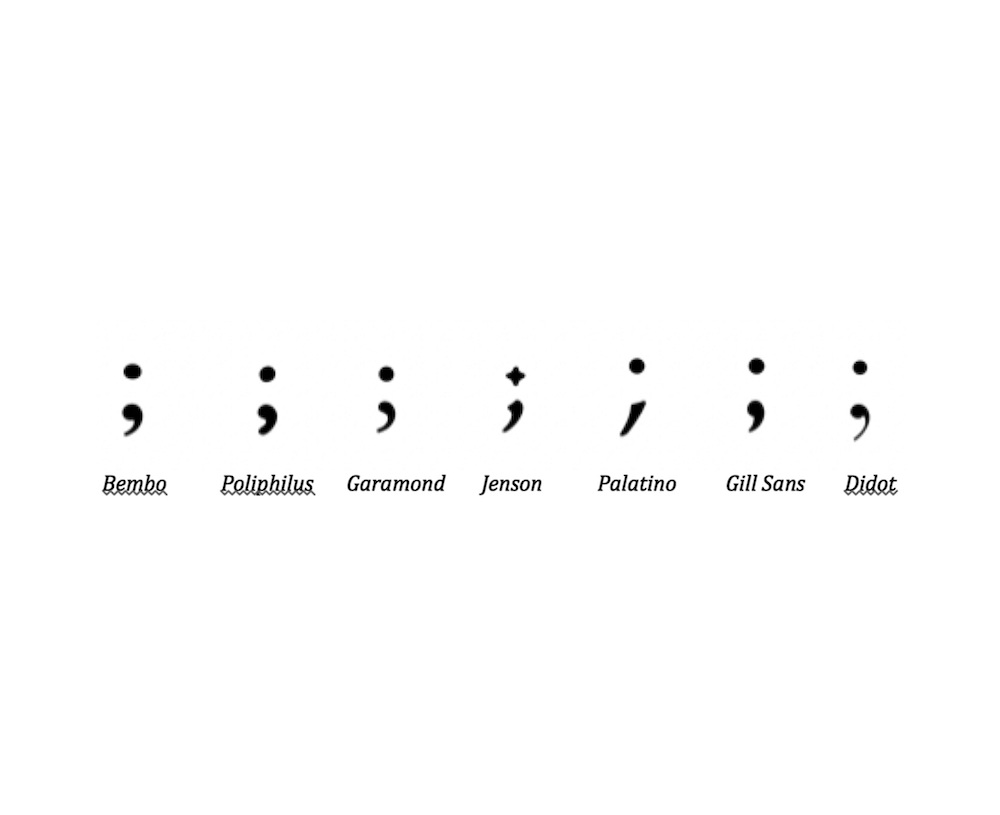
Classical literature demonstrates how master writers use semicolons to create specific emotional and intellectual effects. Punctuation hierarchy positions semicolons as sophisticated choices requiring grammatical knowledge and precision. Educational and intellectual associations distinguish semicolon tattoos from purely emotional or dramatic symbolic choices.
Rhetorical Weight in Classical Literature
Master writers throughout history have used semicolons to create dramatic tension and intellectual space in their work. This literary heritage brings sophisticated meaning to modern tattoo symbolism, connecting bearers to centuries of storytelling tradition.
Historical usage creates suspended anticipation that mirrors recovery experiences of acknowledging past pain while preparing for growth. Sophisticated sentence architecture demonstrates mastery over complex interconnected thoughts and emotions. Literary tradition connects modern bearers to established storytelling practices that value nuanced narrative continuation.
The Pause That Amplifies
Great authors use semicolons to create moments of suspended anticipation where readers know more is coming but must pause to absorb revealed information. This mirrors recovery experiences of acknowledging past difficulties while preparing for future growth.
Suspended anticipation creates intellectual and emotional space for processing complex information. Recovery parallels include reflective pauses needed between acknowledging trauma and planning future steps.
Sophisticated Sentence Architecture
Writers who master semicolons demonstrate ability to handle nuanced, interconnected thoughts rather than simple statements. Similarly, choosing semicolon tattoos suggests bearers have evolved beyond basic survival to sophisticated self-awareness about life’s complexity.
Grammatical mastery indicates intellectual engagement with complex emotional and life experiences. Sophisticated self-awareness distinguishes evolved recovery approaches from basic survival responses.
Punctuation Hierarchy and Personal Status
Semicolons hold unique prestige among punctuation marks due to their grammatical sophistication requirements and intellectual associations. This translates to tattoo symbolism that communicates thoughtful rather than impulsive decision-making about healing journeys.
Educational choice phenomenon suggests intellectual engagement with recovery processes rather than purely emotional responses. Punctuation personality profiles reveal how semicolon choosers value precision, connection, and continuation over dramatic gestures. Prestige associations add dignity to tattoo choices through grammatical sophistication requirements.
The Educated Choice Phenomenon
Unlike periods (endings) or exclamation points (drama), semicolons require grammatical sophistication to use correctly. This intellectual component adds dignity to semicolon tattoo choices, suggesting thoughtful rather than impulsive decision-making about healing journeys.
Grammatical sophistication requirements distinguish semicolon choices from purely emotional symbol selections. Thoughtful decision-making indicators suggest evolved approaches to recovery and self-expression.
Punctuation Personality Profiles
Semicolon choosers typically value precision, connection, and continuation over dramatic gestures or definitive statements. They function as bridge-builders rather than wall-builders, seeking connection between life phases rather than sharp breaks from past experiences.
Bridge-building personalities seek connection and continuation rather than dramatic separation from past experiences. Precision values indicate preference for nuanced rather than simplistic approaches to life challenges.
The Underground Semicolon Subcultures
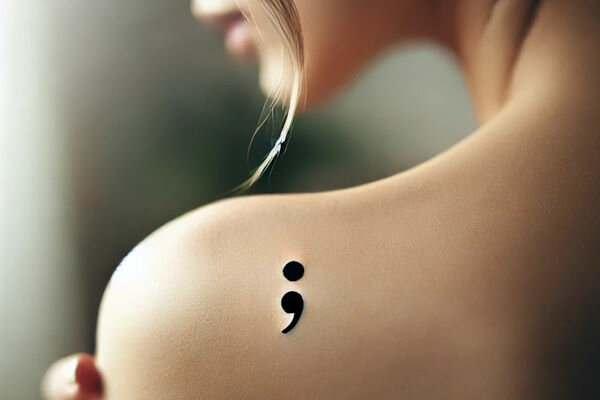
Various specialized communities have adopted semicolon symbolism beyond mainstream mental health movements, including academic circles, writing communities, corporate recovery networks, and medical professionals. These subcultures use the symbol for intellectual perseverance, workplace resilience, and professional peer support while maintaining career appropriateness.
Source: murostar.com
Academic and literary communities use semicolons to mark intellectual survival including dissertation completion and publishing industry persistence. Corporate professionals adopt discrete semicolon symbolism for workplace mental health advocacy and executive stress recovery. Medical professionals use the symbol to acknowledge their own healing needs while maintaining professional competence with patients.
Academic and Literary Adoption
Professors, graduate students, and professional writers have embraced semicolon tattoos as symbols of intellectual perseverance and scholarly resilience. These communities face unique psychological challenges including academic trauma, writer’s block, institutional pressure, and industry rejection.
Dissertation survival badges mark PhD student resilience through academic politics, imposter syndrome, and institutional pressure. Publishing industry professionals use semicolons to commemorate persistence through rejection letters, creative blocks, and industry upheavals. Academic environments create specific trauma types that require intellectual rather than purely emotional recovery approaches.
Dissertation Survival Badges
PhD students and academics increasingly choose semicolon tattoos to commemorate surviving psychological challenges of advanced education including dissertation defense, academic politics survival, and imposter syndrome recovery. The symbol represents intellectual continuation despite academic setbacks.
Academic trauma includes dissertation defense stress, institutional politics, and imposter syndrome challenges. Intellectual continuation symbolism specifically addresses academic rather than general life challenges.
Publishing Industry Resilience
Writers, editors, and publishing professionals use semicolon tattoos to mark persistence through rejection letters, creative blocks, and industry upheavals. The symbol acknowledges that creative careers require constant resilience and professional persistence.
Creative career challenges include rejection management, deadline pressure, and industry instability. Professional persistence markers acknowledge ongoing rather than one-time resilience requirements.
Corporate Recovery Networks
Semicolon symbolism has emerged in professional environments as discrete signaling for shared experiences with workplace trauma, burnout recovery, and career resilience. High-level professionals use small, discrete tattoos to mark stress survival without compromising professional image.

Source: external-preview.redd.it
Executive stress survival includes burnout recovery, hostile takeover survival, and career crisis management. Workplace mental health advocacy uses semicolons as conversation starters for peer support networks within corporate environments. Professional appropriateness requirements necessitate discrete placement and sophisticated design approaches.
Executive Stress Survival
C-suite executives and senior managers increasingly choose small, discrete semicolon tattoos to mark survival of severe workplace stress, hostile takeovers, or career crises. The professional appearance allows workplace visibility without career risk.
High-level professional stress includes unique challenges including hostile takeovers and public failure management. Discrete placement strategies maintain professional image while providing personal reminder access.
Workplace Mental Health Advocacy
HR professionals and employee assistance coordinators use semicolon tattoos as gentle identifiers for colleagues seeking mental health support, creating informal peer networks within corporate environments without violating professional boundaries.
Informal peer networks develop through subtle symbol recognition within professional settings. Professional boundary maintenance allows support without compromising workplace relationships.
Medical Professional Adoption
Healthcare workers have embraced semicolon symbolism to process their own trauma while maintaining professional boundaries with patients. This includes caregiver fatigue recognition and patient-provider solidarity through shared symbol understanding.
Caregiver fatigue recognition addresses healthcare professionals’ unique challenges accessing mental health support due to professional stigma. Patient-provider solidarity creates therapeutic connections based on mutual struggle understanding while maintaining appropriate professional relationships. Professional competence maintenance requires discrete acknowledgment of personal healing needs.
Caregiver Fatigue Recognition
Nurses, doctors, and therapists face unique challenges accessing mental health support due to professional stigma and time constraints. Semicolon tattoos provide private acknowledgment of their own healing needs while maintaining professional competence.
Professional stigma creates barriers to mental health support access for healthcare workers. Private acknowledgment systems allow personal healing recognition without professional competence questions.
Patient-Provider Solidarity
When healthcare providers share semicolon symbols with patients, it creates powerful therapeutic connections based on mutual understanding of struggle and recovery while maintaining appropriate professional relationships and boundaries.
Mutual recognition creates therapeutic connections without compromising professional boundaries. Shared struggle understanding enhances patient care through provider empathy without over-identification.
Amanda, a senior psychology major who lost her boyfriend to suicide, used her semicolon tattoo as a bridge into mental health advocacy and eventually chose to study psychology at university. Her tattoo became both a memorial and a tool for connecting with others, demonstrating how the symbol can evolve from personal marker to professional calling.
Advanced Customization Strategies
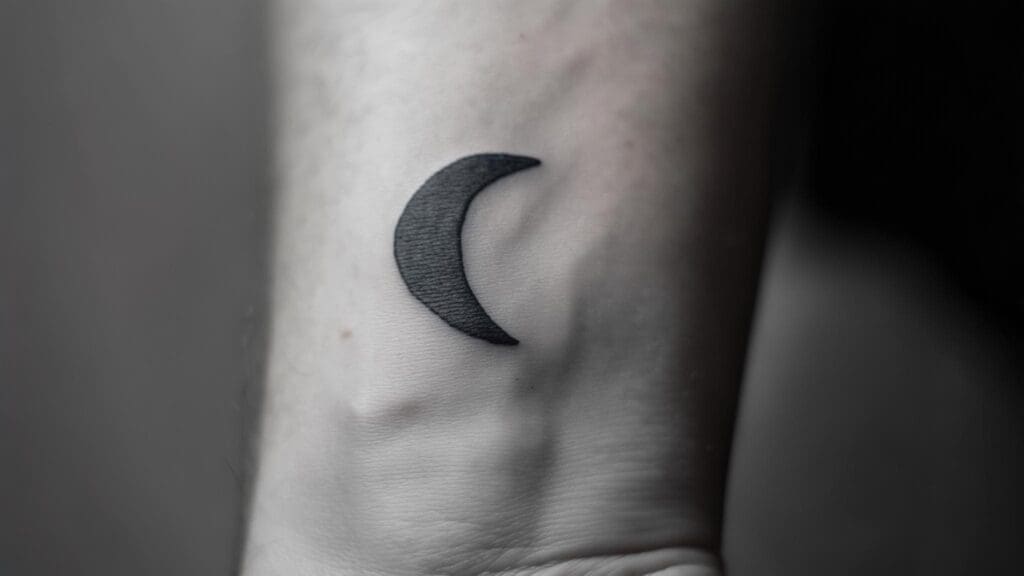
Sophisticated approaches to personalizing semicolon tattoos include temporal elements, interactive designs, and multi-phase planning that goes beyond basic artistic integration. These strategies incorporate time-based elements, UV-reactive and temperature-responsive features, and multi-generational planning for designs that evolve with life changes.
Source: b4060110.smushcdn.com
Temporal design elements incorporate meaningful dates, anniversaries, and recovery phases into living documents of personal growth. Interactive and responsive designs use UV-reactive and thermochromic inks to create dynamic symbols that change based on environmental conditions. Multi-generational planning considers aging effects, legacy symbolism, and long-term meaning preservation across decades of life changes.
Advanced Customization Planning Template:
- Temporal Elements Planning
- Significant dates to incorporate
- Anniversary integration methods
- Progressive milestone markers
- Interactive Features Assessment
- UV-reactive enhancement possibilities
- Temperature-responsive elements
- Dynamic symbolism concepts
- Multi-Generational Considerations
- Aging gracefully design principles
- Legacy symbolism planning
- Long-term meaning preservation
- Technical Implementation
- Qualified artist selection
- Specialized ink requirements
- Maintenance considerations
For comprehensive cost planning of your custom semicolon design, review our detailed tattoo pricing guide to understand investment requirements for quality work.
Temporal Design Elements
Incorporating time-based elements into semicolon tattoos creates living documents of personal growth that mark specific dates, anniversaries, or recovery phases. These designs use anniversary integration systems and progressive enhancement planning for future milestone additions.
Anniversary integration systems include Roman numerals, coordinate systems, astronomical elements, and seasonal motifs that mark significant dates. Progressive enhancement planning designs tattoos with built-in expansion possibilities for adding elements as recovery milestones are achieved. Time-based documentation creates evolving records of personal growth rather than static symbols.
Anniversary Integration Systems
Advanced date integration techniques incorporate meaningful dates into semicolon tattoo designs without cluttering visual impact or compromising symbol recognition. Methods include Roman numerals, coordinates, astronomical elements, and color coding systems.
Integration methods include Roman numerals within semicolon curves and coordinate systems marking significant locations. Astronomical and seasonal elements represent specific times without obvious date display.
Progressive Enhancement Planning
Smart semicolon tattoos include compositional space and elements that allow future additions as recovery progresses and new life chapters unfold. This planning approach creates tattoos that grow with personal development.
Built-in expansion possibilities allow milestone additions without compromising original design integrity. Future addition planning creates tattoos that document ongoing rather than completed recovery journeys.
Interactive and Responsive Design
Creating semicolon tattoos that change appearance based on lighting, temperature, or viewing angle adds dynamic elements to static symbols. UV-reactive and thermochromic inks create tattoos that respond to environmental conditions while maintaining core symbolic meaning.

Source: ytimg.com
UV-reactive enhancement uses special inks to reveal additional elements under blacklight, symbolizing hidden strength and resilience. Temperature-responsive elements incorporate thermochromic inks that change color based on body temperature during emotional moments. Dynamic symbolism maintains core meaning while adding responsive elements that reflect current emotional or environmental states.
UV-Reactive Enhancement
UV-reactive inks allow semicolon tattoos to transform in different lighting conditions, appearing as simple black punctuation in normal light but revealing colorful elements under UV light. This represents hidden depths of the bearer’s recovery journey.
Lighting transformation symbolizes hidden strength that becomes visible under specific conditions. Dual-state design maintains professional appearance while offering private revelation possibilities.
Temperature-Responsive Elements
Thermochromic inks make semicolon tattoos change color based on emotional state or environmental conditions, creating living symbols that respond to the bearer’s current experience while maintaining core symbolic meaning.
Emotional responsiveness creates tattoos that literally reflect current psychological states through color changes. Environmental adaptation maintains symbolic meaning while adding dynamic visual elements.
Multi-Generational Planning
Designing semicolon tattoos with consideration for decades of life changes requires aging gracefully design principles and legacy symbolism planning. These approaches ensure tattoos maintain meaning and visual appeal across multiple life phases.
Source: i.redd.it
Aging gracefully design principles include line weight, placement, color choices, and size considerations that account for skin changes over time. Legacy and inheritance symbolism honors family histories of resilience and creates symbols for generational transmission. Long-term planning ensures tattoos remain meaningful and visually appealing across major life transitions and physical changes.
Aging Gracefully Design Principles
Long-term design considerations include line weight that remains clear as skin ages, placement areas less affected by weight fluctuations, color choices that fade gracefully, and symbolic elements that maintain relevance across life phases.
Technical considerations include line weight clarity, placement stability, and color fade patterns over decades. Life phase relevance ensures symbolic meaning persists through major personal transitions and changing circumstances.
Legacy and Inheritance Symbolism
Some semicolon bearers design tattoos to honor family members who didn’t survive their struggles, creating memorial elements within continuation symbols. Others plan matching or complementary designs with family members, creating visual family trees of resilience.
Memorial integration honors family members while maintaining personal continuation symbolism. Generational design coordination creates family resilience documentation through coordinated tattoo planning.
Source: lemon8-app.com
When you’re ready to transform your semicolon story into a meaningful tattoo design, Tattoo Generator IQ offers the sophisticated AI tools needed to explore complex customization possibilities. Our platform excels at generating intricate designs that honor traditional semicolon symbolism while incorporating your unique personal narrative requirements.
Whether you’re planning UV-reactive elements, cultural fusion designs, or progressive enhancement possibilities, our AI can visualize these advanced concepts and provide artist-ready references. You can experiment with temporal elements, test different artistic integration approaches, and even preview how your design might age over time.
Ready to create your perfect semicolon tattoo? Try Tattoo Generator IQ today and discover how AI can help bring your resilience story to life through personalized ink that honors both your journey and the broader community of semicolon bearers.
Final Thoughts

Source: shegoeswithpurpose.com
Semicolon tattoos represent far more than simple punctuation marks or basic mental health symbols. They’ve evolved into sophisticated markers of intellectual resilience, community connection, and personal narrative mastery that span academic circles, corporate environments, healthcare settings, and creative industries. The symbol’s grammatical precision adds layers of meaning that distinguish it from purely emotional tattoo choices.
Your semicolon tattoo decision deserves the same thoughtful consideration that the symbol itself represents. From placement psychology to artistic integration, from cultural fusion to interactive design elements, every aspect of your tattoo can reflect the sophisticated approach you’ve taken to your own recovery and growth journey.
The communities that have embraced semicolon symbolism demonstrate its versatility and enduring relevance across different types of adversity and professional environments. Whether you’re marking academic survival, workplace resilience, creative persistence, or personal trauma recovery, the semicolon offers a dignified and intellectually grounded way to honor your continuation story.
Semicolon tattoos have transcended their original mental health focus to become sophisticated symbols of resilience across multiple professional and personal contexts. Strategic design planning that considers placement, artistic integration, and long-term aging ensures maximum personal meaning and professional appropriateness. The symbol’s intellectual heritage and grammatical sophistication distinguish it from purely emotional tattoo choices while maintaining powerful personal significance.
Keywords to Include:
- semicolon tattoo
- semicolon tattoos
- mental health tattoo
- suicide prevention symbol
- recovery tattoo
- resilience symbol
- continuation tattoo
- punctuation tattoo
- meaningful tattoo design
- tattoo placement psychology
Content Summary:
This comprehensive guide explores the evolution of semicolon tattoos from simple mental health symbols to sophisticated markers of resilience across multiple professional and personal contexts. It covers the psychological impact of permanent commitment to healing, strategic design considerations, linguistic significance, underground subcultures, and advanced customization strategies. The article provides practical planning advice while honoring the intellectual heritage and community aspects of semicolon symbolism.
Technical Talking Points:
- Placement psychology affects both personal meaning and professional interactions
- Artistic integration techniques maintain symbolic recognition while achieving aesthetic excellence
- UV-reactive and thermochromic inks create dynamic, responsive tattoo elements
- Multi-generational planning considers aging effects and long-term meaning preservation
- Professional appropriateness requires discrete placement and sophisticated design approaches
- Temporal elements create living documents of personal growth and recovery milestones
- Community recognition networks form invisible support systems beyond mental health advocacy
- Grammatical sophistication distinguishes semicolon choices from purely emotional symbol selections

Leave a Reply